By KARTY JazZ – Own work, CC BY-SA 4.0
(If you notice any inaccuracies or have insights to add, your feedback is welcome.)
Chettinad is generally defined by the region between Sivaganga, Pudukottai, and Ramanathapuram. The name “Chettinad” or “Chettinadu” refers to the homeland of the Chettiar community.
During a week-long journey through Chettinad in December 2021, we explored nearly 100 temples, many of which are recognized as Nagarathar temples. The distinctiveness of these temples inspired further research, which is shared here for a deeper appreciation.
Historical Context
Understanding Chettinad’s temples starts by tracing the history of its people. The Chettiars originally lived in the ancient city of Kanchipuram, a city so celebrated that classical Sanskrit poet Kalidasa wrote:
“Pushpeshu Jati. Purusheshu Vishnu. Nareeshu Rambha. Nagareshu Kanchi.”
Just as Jati is the greatest among flowers, Vishnu among men, and Rambha among women, so is Kanchi among cities.
This ancient hub of Saivism, with a sacred history spanning centuries, was the original home of the Chettiars, who lived in Naga-Nadu on Kanchi’s outskirts. Given this heritage, the community became devout worshippers of Siva, Sakti, and Maragatha Vinayakar.

Natural calamities provoked a migration from Naga-Nadu to Poompuhar, also called Kaveri Poompattinam, from around the 8th century BCE to the early 8th century CE. The name “Nagarathar” was derived from their association with Naga-Nadu or nearby Nagar-Kanchi, and the community was also referred to as Dhana-Vanigar, meaning wealthy traders.
The period from the 4th to the 8th century CE, during the Kalabhras reign, was an uncertain “dark age.” One school of thought says the Kalabhras were followers of Buddhism or Jainism, and therefore persecuted or drove out those of other faiths; or the latter simply moved out due to societal pressures. Religious and social pressures during this time may have prompted the Nagarathars’ further migration south into the Pandya kingdom (before the Cholas rose to prominence), where they thrived under Pandya patronage.
In subsequent centuries, some community members moved overseas to Sri Lanka and Southeast Asia, extending their heritage even further.
Etymology and Community Structure
“Chettiar” comes from “etti,” an ancient Tamil term of respect, possibly honored by the Pandya kings.
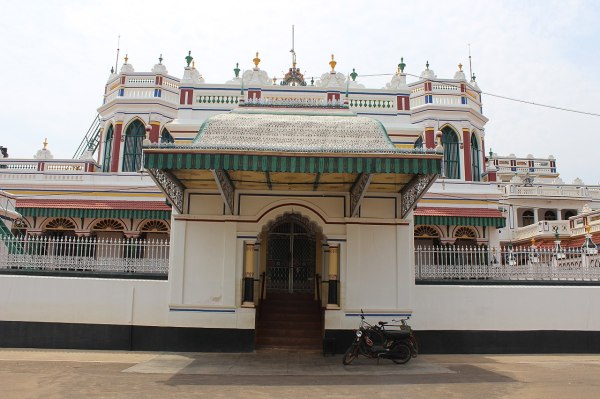
“Nattukottai Nagarathar” or “Nattukottai Chettiar” references their grand homes. “Nattukottai” means “rural fort.”
Much of the community is organized into nine divisions called “pirivu”s, each associated with a principal town and temple. Marriage within the same pirivu is not permitted. Some pirivus include further sub-clans, or “utpirivu.”
The Nine Nagarathar Temples
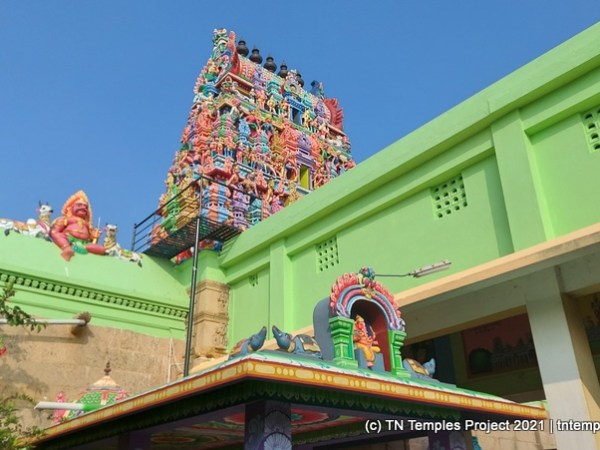
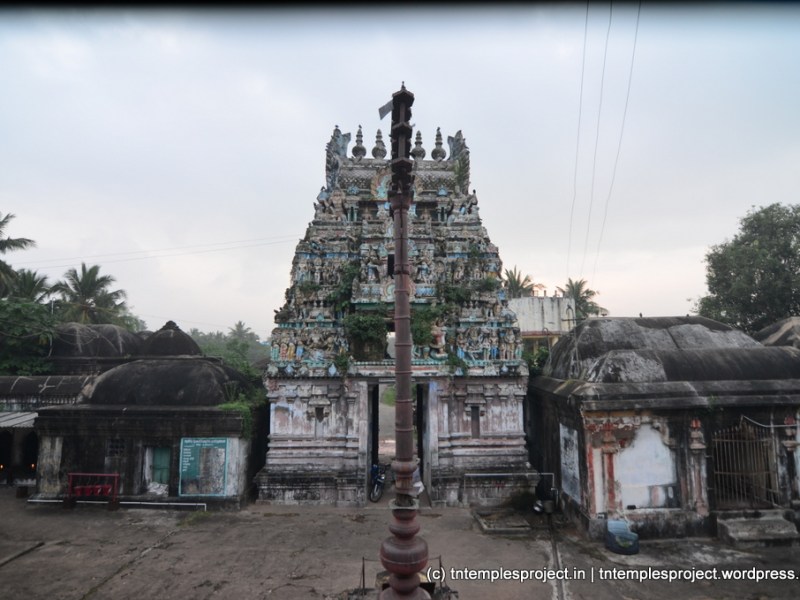
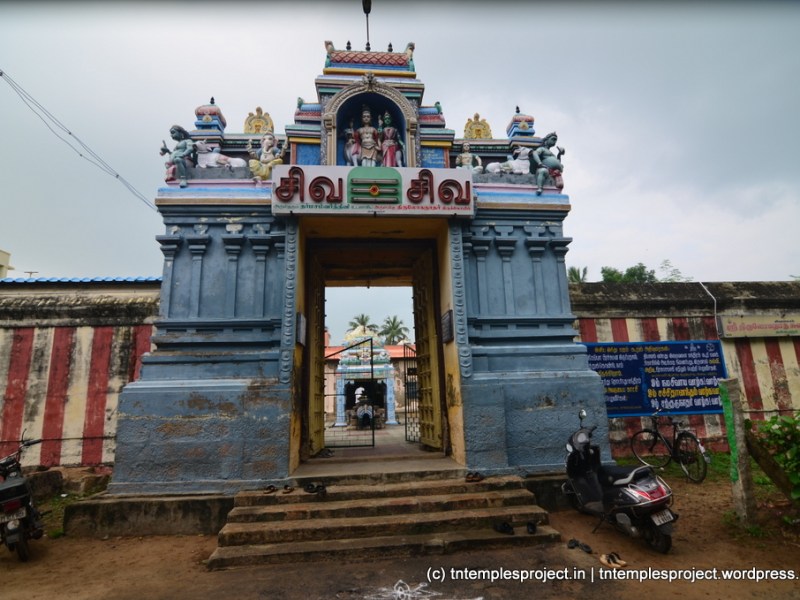
These Nagarathar Sivan Koil temples are central to each pirivu and are renowned for their size and maintenance:
Ainootreswarar, Mathur, Sivaganga
Sandeeswarar, Velangudi, Sivaganga
Aatkondanathar, Iraniyur, Sivaganga
Jayamkonda Chozheeswarar, Nemam, Sivaganga
Kailasanathar, Ilayathangudi, Sivaganga
Desikanathar, Nagara Surakkudi, Sivaganga
Thanthondreeswarar, Iluppaikudi, Sivaganga
Valarolinathar, Vairavanpatti, Sivaganga
Marutheeswarar, Pillaiyarpatti, Sivanganga (also known as the Pillaiyarpatti Karpaga Vinayakar temple)
Sub-Divisions (utpirivu) for Key Temples
Vairavanpatti: Sirukulattur (Periya Vaguppu; Teyanar, Tevanayakkar; Pillaiyar Vaguppu), Kalanivasal, Maruttendrapuram
Ilayathangudi: Okkur, Arumburkolar, Perumarudur, Kinkanikkur, Kalanivasal, Perasandur, Sirusettur
Mathur: Uraiyur, Arumbakkur, Manalur, Mannur, Kannur, Karuppur, Kulattur
For these, marriage is permitted within the pirivu if the spouses are from different utpirivus.
Global Influence
Beyond India, the Nagarathars established or supported temples in Sri Lanka, Burma, Vietnam, Cambodia, Malaysia, and Singapore, expanding their legacy internationally.
Distinctive Temple Characteristics
Many temples honour Lord Siva as Sundareswarar or Chokkanathar and Goddess Parvati as Meenakshi Amman, reflecting the influence of Meenakshi Amman and Sundareswarar of Madurai. The distribution of Siva temples bearing these names maps the historical footprint of the Nagarathars. The community also maintains temples across Tamil Nadu, especially in the Kaveri delta region.
Architectural and Artistic Features

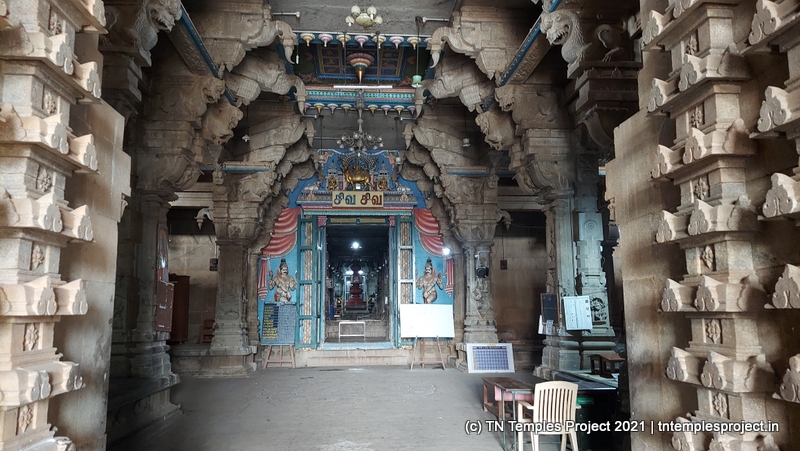
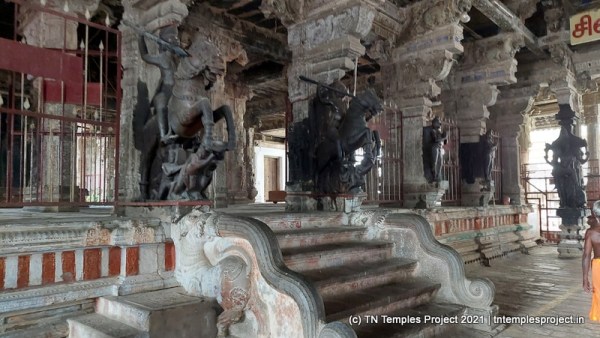
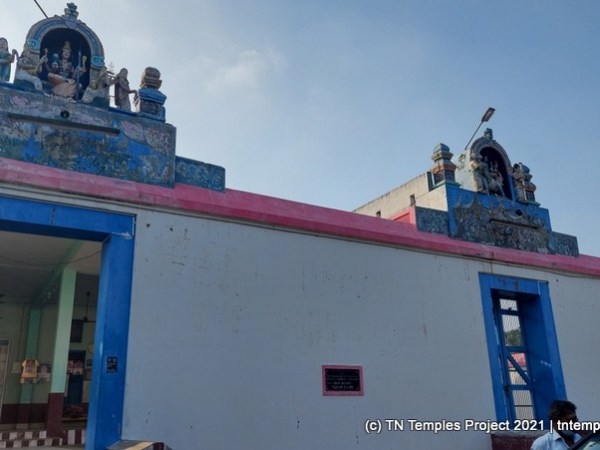
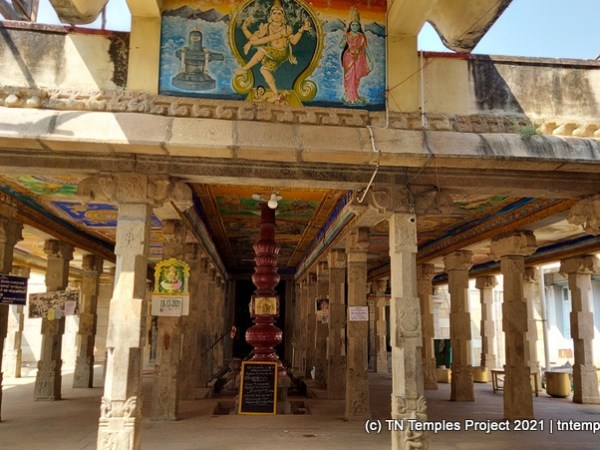
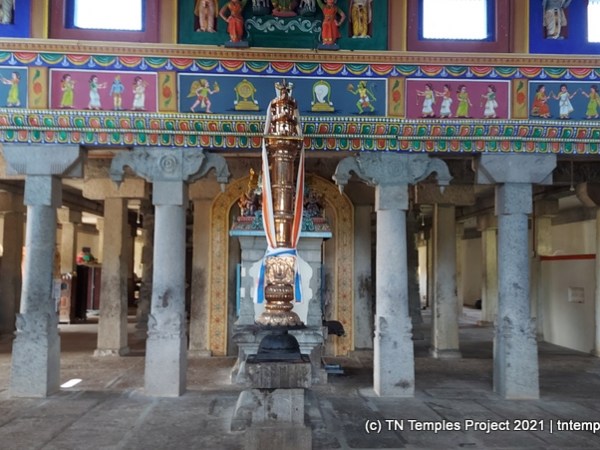
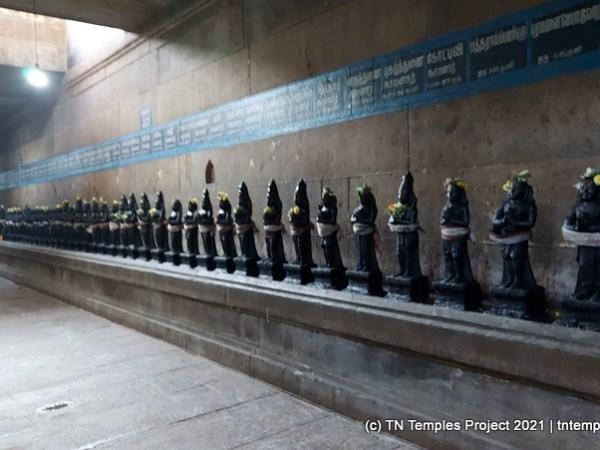
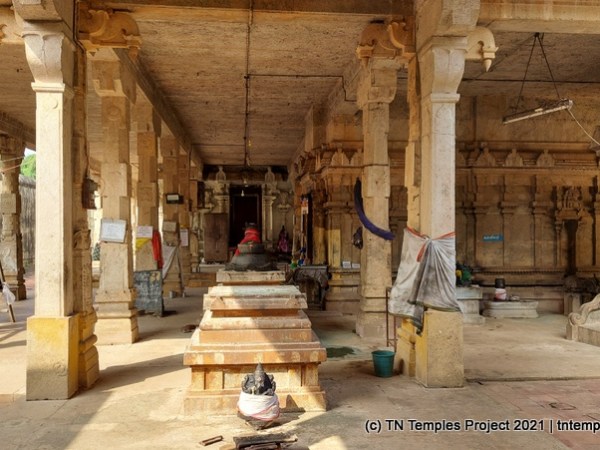
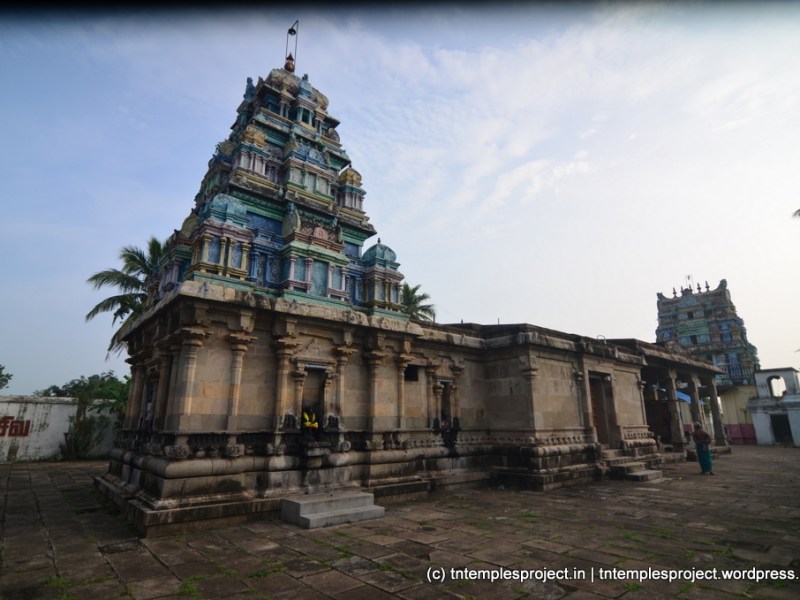
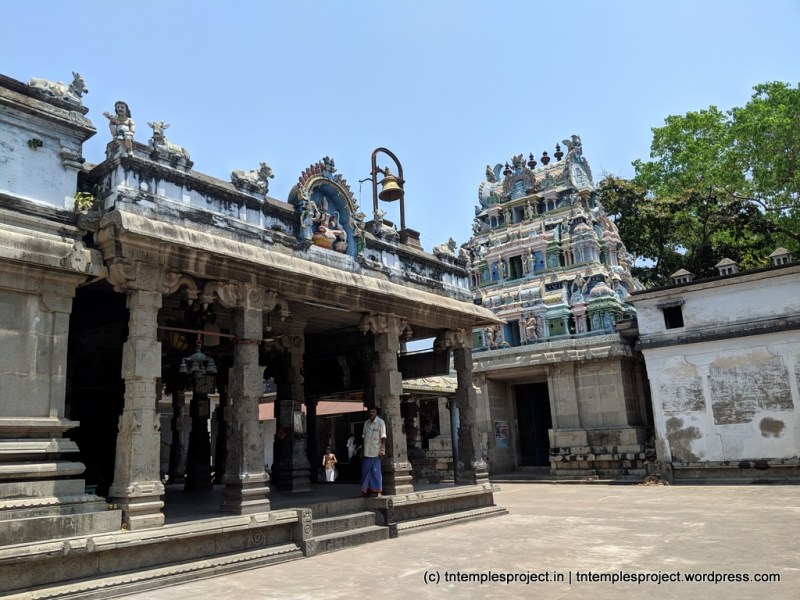
Nagarathar temples are celebrated for their art and architecture, including detailed wall and pillar carvings, beautiful Natarajar shrines, and dedicated Bhairavar shrines, central to their worship.
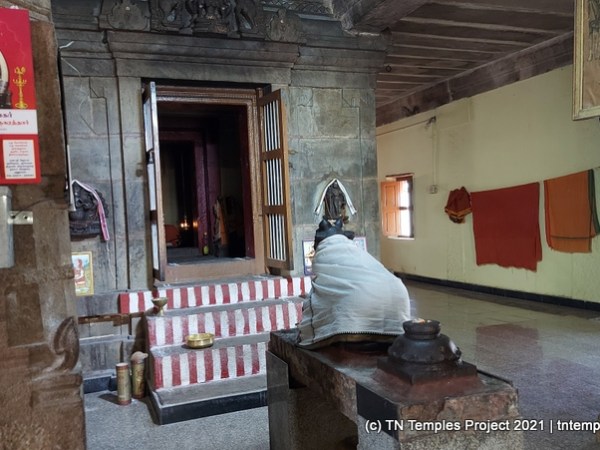
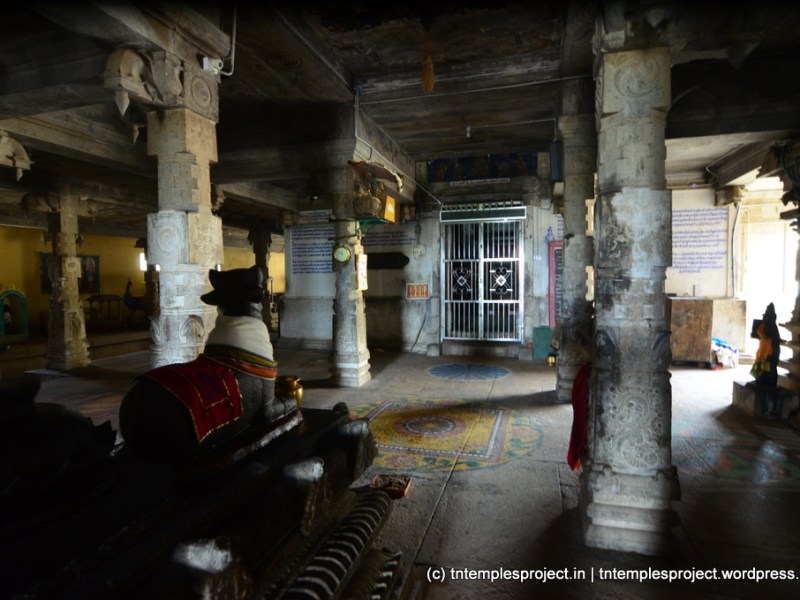
Temples adhere to agamic principles. Notably, if Parvati is worshipped as Meenakshi Amman, a separate Nandi faces her, apart from the one facing Siva—an architectural trait especially found in Pandya period temples, as seen at the Naganathar temple in Pozhakudi.
Another unique feature is the “darpanam,” a brass mirror on a post, placed behind Nandi and in front of the Siva Lingam, believed to allow the deity to see Himself after abhishekam.
Literary and Bhakti Traditions
The community is honored in Saivite bhakti tradition, through figures like Karaikal Ammaiyar (among the 63 Nayanmars) and Pattinathar, associated with the Tiruvidaimaruthur Mahalingeswarar temple. From the Sangam period, Kannagi and Kovalan of the Silappatikaram belonged to the Dhana-Vanigar group.
Visiting and Appreciating Chettinad Temples
When exploring Nagarathar temples on this site, consider their historical context, architectural beauty, and enduring customs. These will help visitors and devotees understand the wider context of the temples and their impact on the community, and enrich one’s visits.
Temples
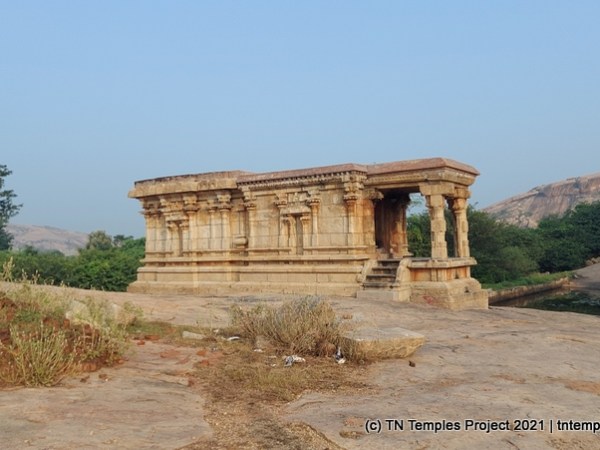
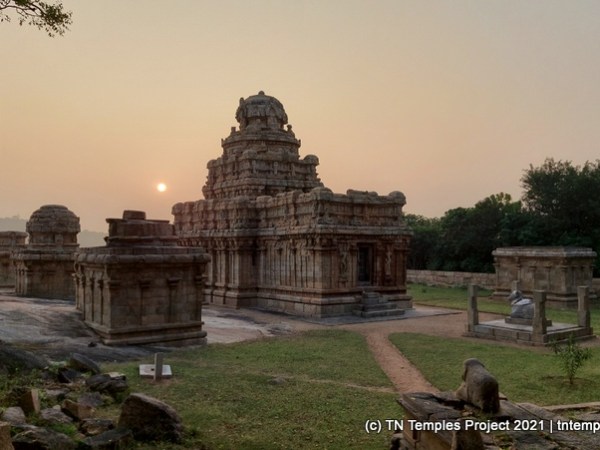
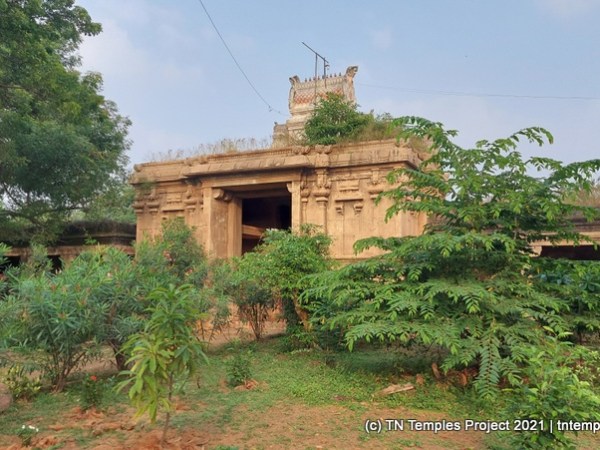
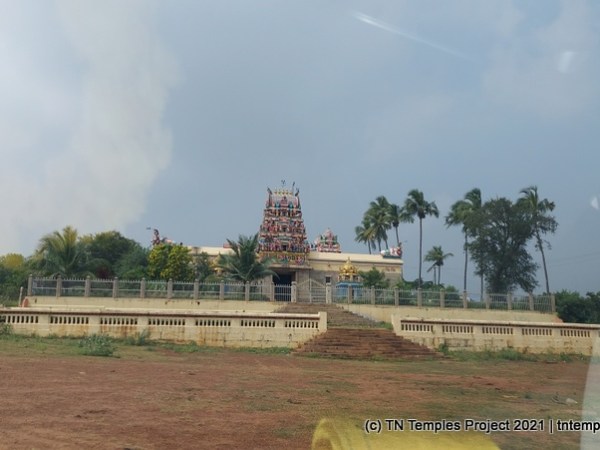
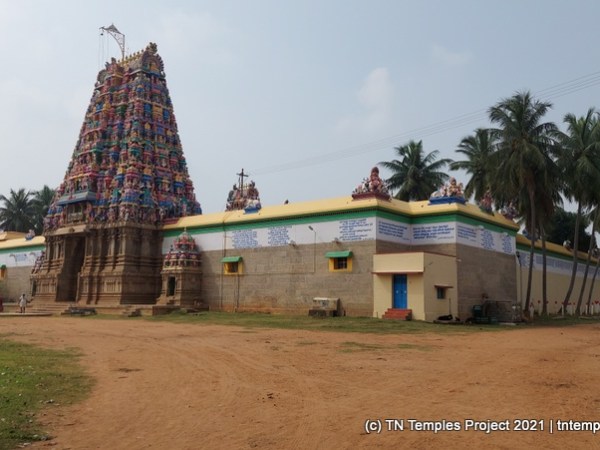
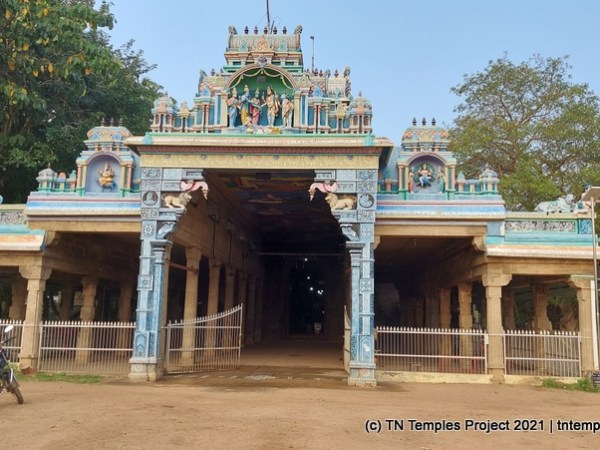
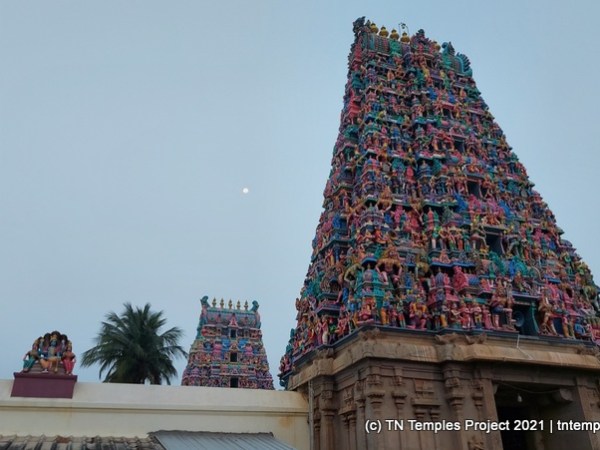
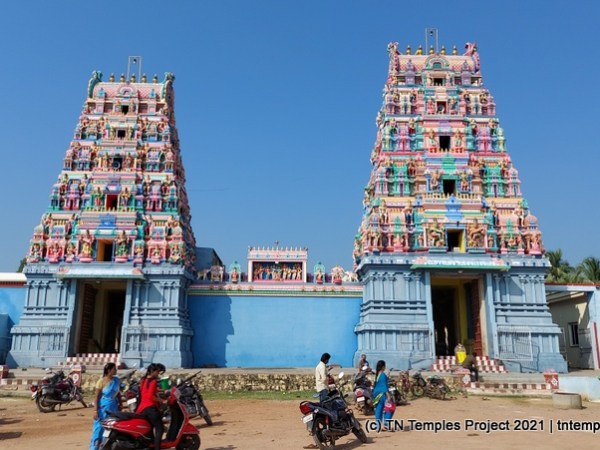
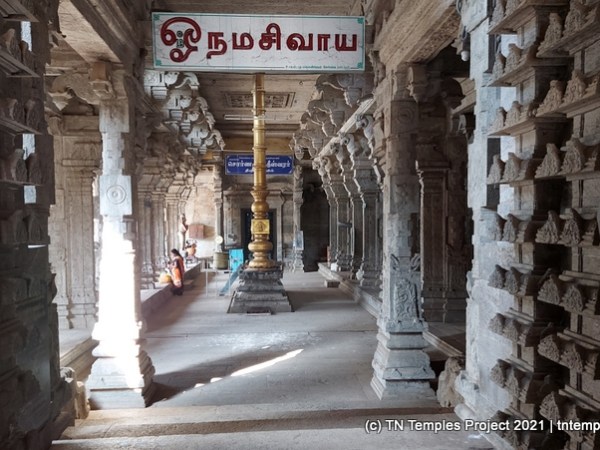
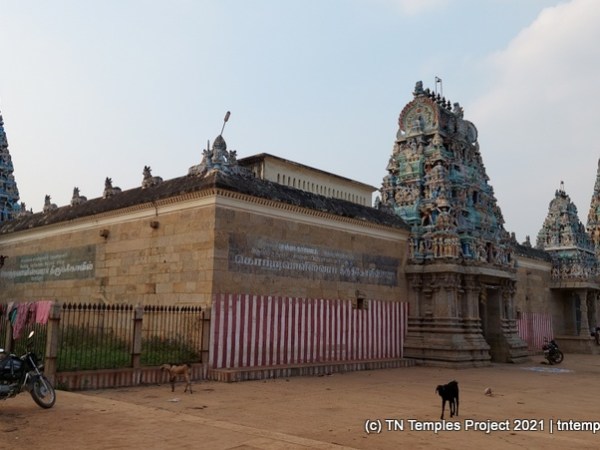
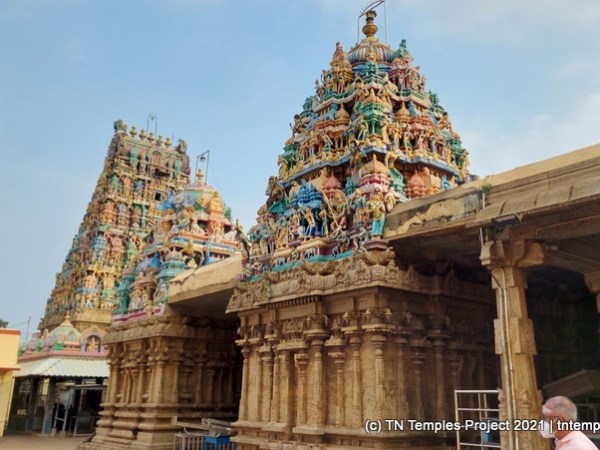
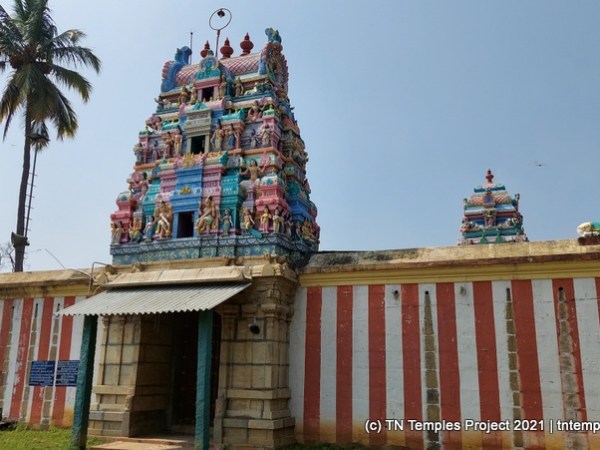
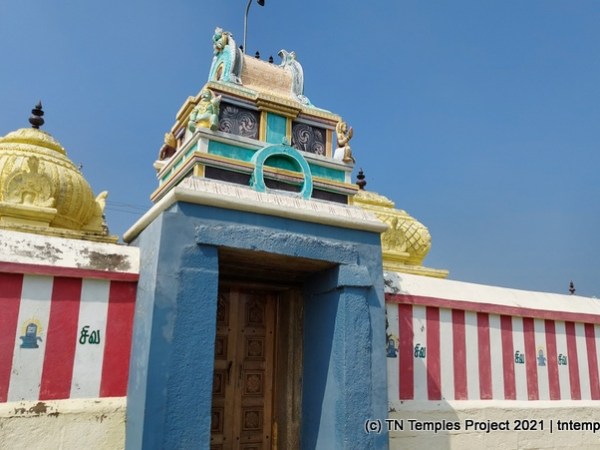
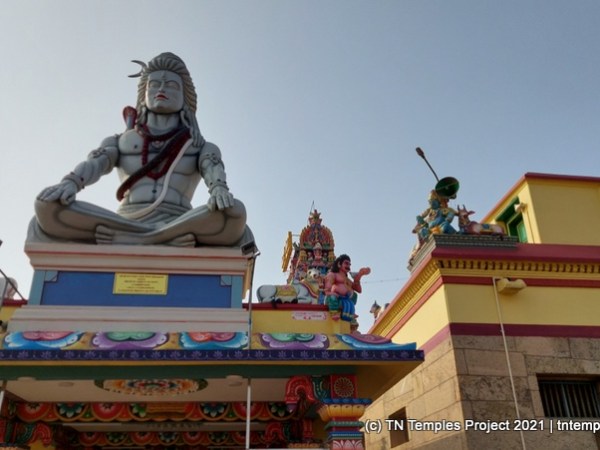
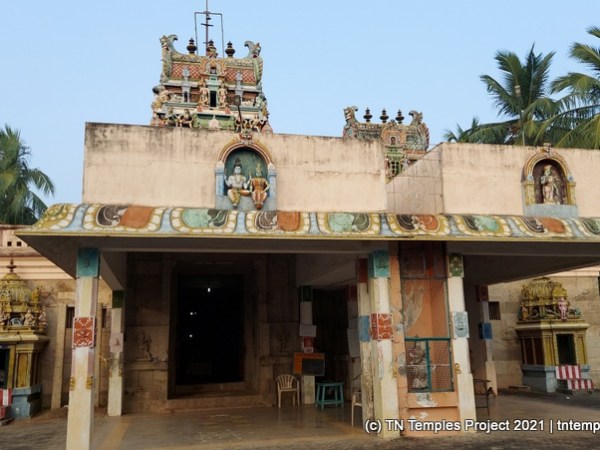
Temples in the Chettinadu region, Nagarathar temples, and those where there have been Nagarathar influence (even if situated outside the core Chettinadu region), which are on this site, are covered below.


















 TN Temples Project