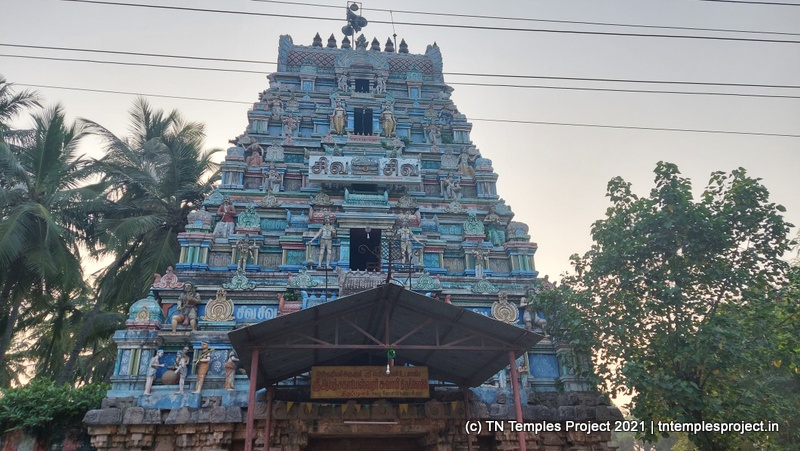
Basic information about the temple
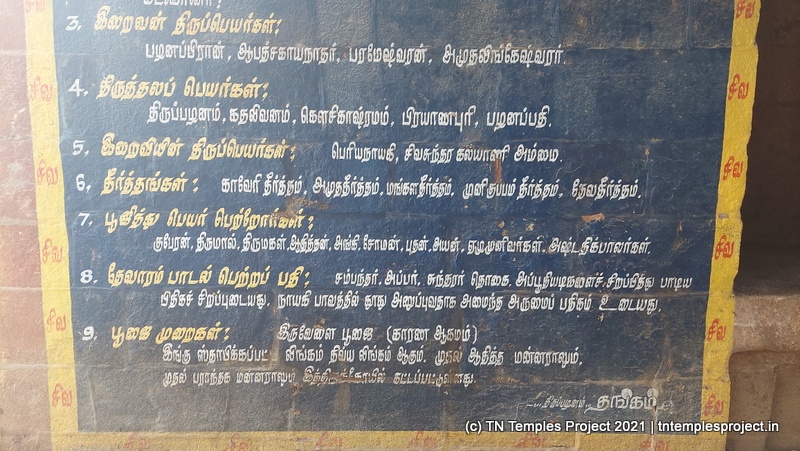
| Moolavar: | Abatsahayeswarar | Ambal / Thayar: | Periya Nayaki Amman, Siva Sundara Kalyani, Bokasakthi Amman |
| Deity: | Siva | Historical name: | Tiruppazhanam |
| Vriksham: | Kadhali, Vilvam | Teertham: | Kaveri river, Devi Kupam, Amirtha Teertham, Kubera Teertham and Muni Kupam |
| Agamam: | Age (years): | Timing: | 6 to 11 & 4 to 8 | Parikaram: |
| Temple group: | Paadal Petra Sthalam (Kaveri Vada Karai) | – | |
| Sung by: | Temple set: | ||
| Navagraham: | Nakshatram: | ||
| City / town: | Tirupazhanam | District: | Thanjavur |
| Maps from (click): | Current location | Thanjavur (15 km) | Ariyalur (35 km) |
| Kumbakonam (36 km) | Perambalur (59 km) |
Location
Sthala puranam and temple information

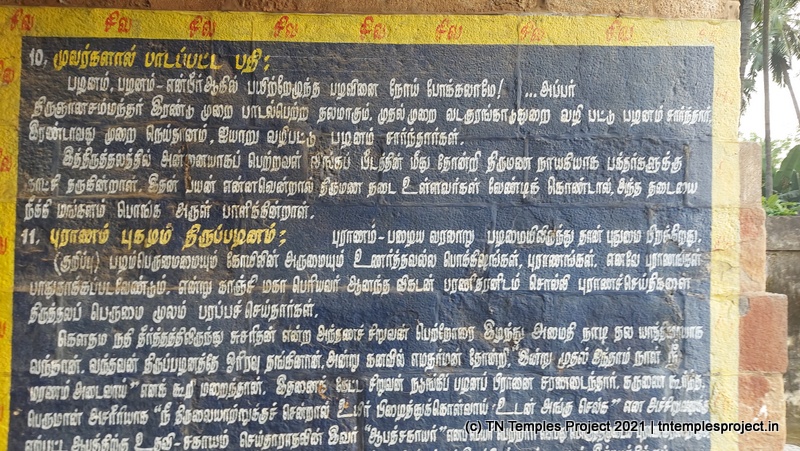
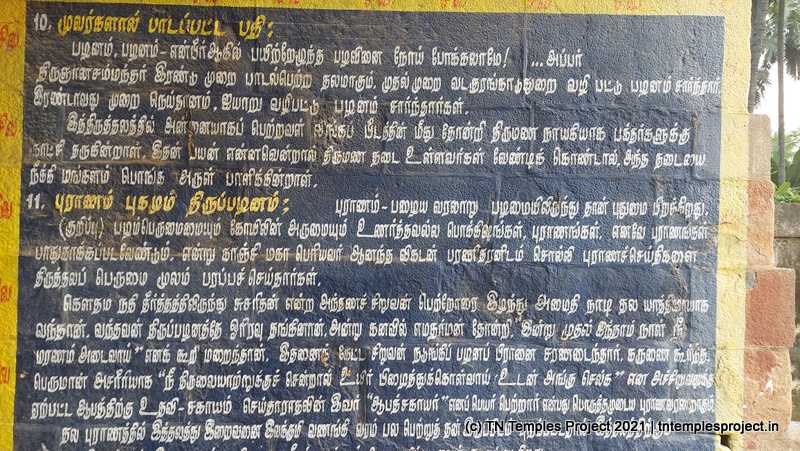
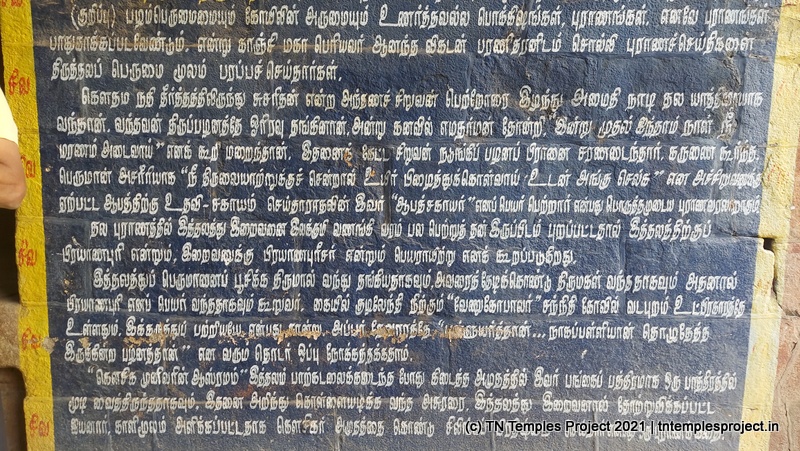
Sucharitan, an orphaned brahmin boy, undertook a pilgrimage to Siva temples. When he reached near this temple, Yama approached him, and informed the boy that he had only 5 days to live. Sucharitan was frightened by this, when he heard a voice asking him to go to the temple nearby, where he would be safe. After 5 days, Yama came to take the boy but could not touch him, as Sucharitan was under the Lord’s protection. Since Siva aided Sucharitan when in danger, He is called Abat-Sahayeswarar (the one who helps / protects when in danger).
Vishnu and Lakshmi are believed to have installed a Lingam here for their worship. In ancient times, this place was called Pranayapuri, because Goddess Lakshmi would visit this place first, before undertaking any journey (prayanam). This place had fruits available in abundance, which were sent to Tirumazhapadi as part of Nandi’s wedding celebrations, and so it is called Tirupazhanam (from pazham, meaning fruit in Tamil) and Kadalivanam (Kadali in Sanskrit refers to plantain / banana). The name of the place – Tirupazhanam – is derived from pazhanam, referred to fertile land with abundant water, which is quite fitting, as this place is located in one of the most fertile areas for agriculture. The other names of this place include Kausikasramam and Pazhanapathi.
After the churning of the ocean, Sage Kaushika hid his share of the amritam (nectar) here. The asuras, having got wind of this, tried to steal it. But the sage worshipped Siva, who sent Kali to protect the amritam from the asuras. As a mark of gratitude, the sage installed a Lingam, mixing the amritam with sand. Siva here is also called Amrita Lingeswarar.
In addition to Appar (Tirunavukkarasar), the temple is closely associated with Appoodhi Adigal, another of the 63 Nayanmars. Adigal was an ardent devotee of Appar, despite never having met the latter. Adigal named all his sons Tirunavukkarasu, and established stalls and service institutions in the name of Tirunavukkarasar. So, when Appar visited here, it was no wonder that Adigal was elated beyond imagination, and he arranged a feast for Appar. At the time, one of Adigal’s sons went out to get plantain leaves, but was bitten by a snake and died. Adigal did not inform Appar of this, fearing it might upset Appar and be regarded as an ill omen. However, Appar realised something was wrong, and prayed to Abatsahayeswarar. Siva, always pleased by Appar’s devotion, restored the boy back to life.
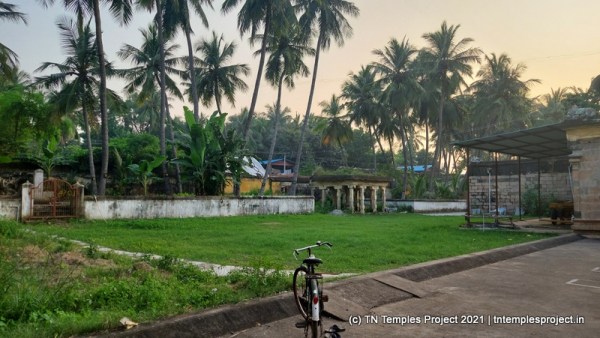
At several temples, we read about Suryan worshipping the deity, represented by the sun’s rays directly falling on the deity. This place, also being located close to Thingalur (a Chandra Navagraha Sthalam as well), has a connection with Chandran, who is believed to worship Siva by directing his rays on the Lingam, in the Tamil months of Purattasi (September-October) and Panguni (March-April) every year; this happens on the days of the full moon in those months, and the two preceding and succeeding days.
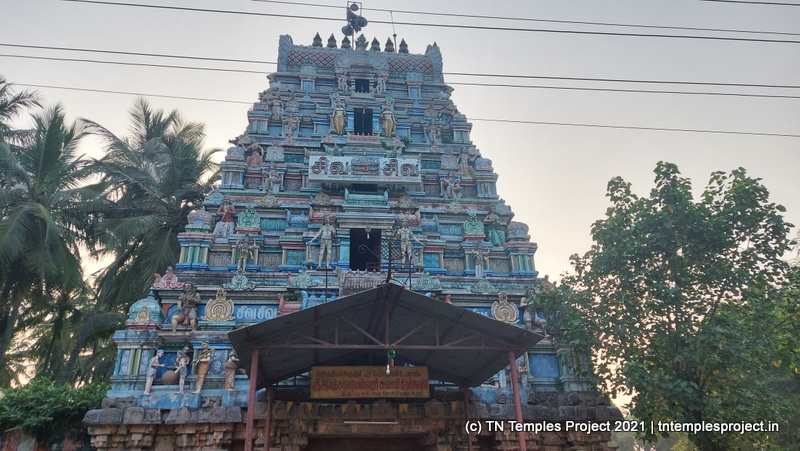
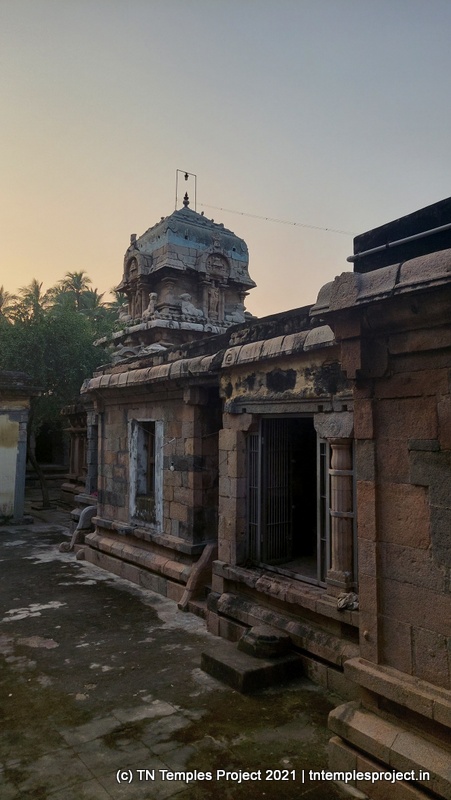
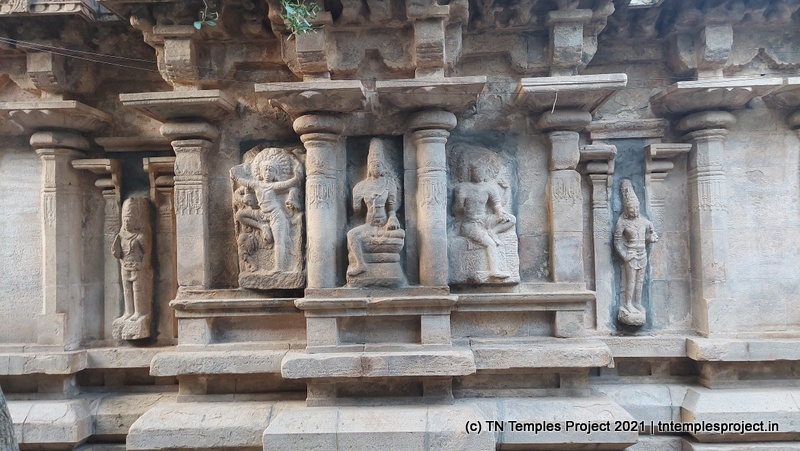
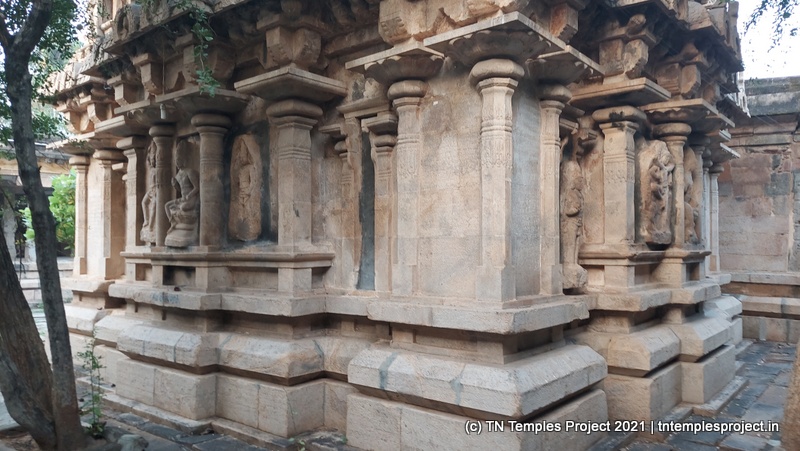
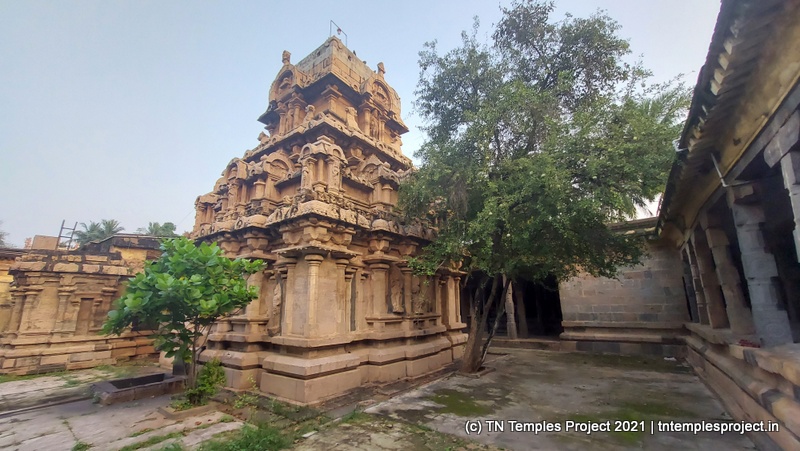
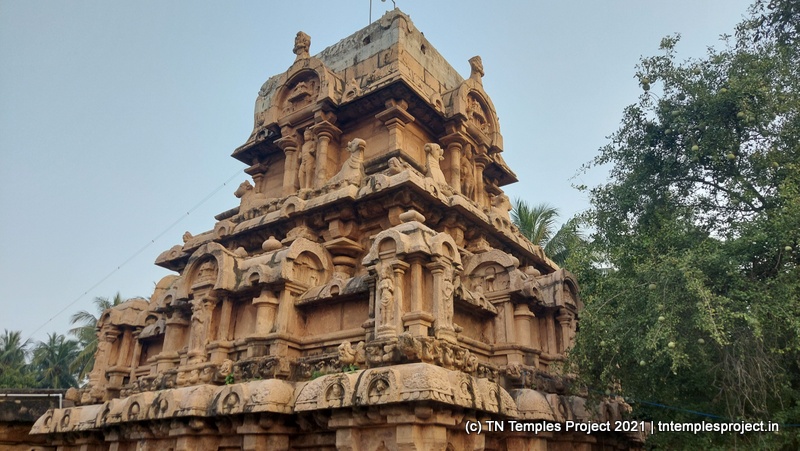
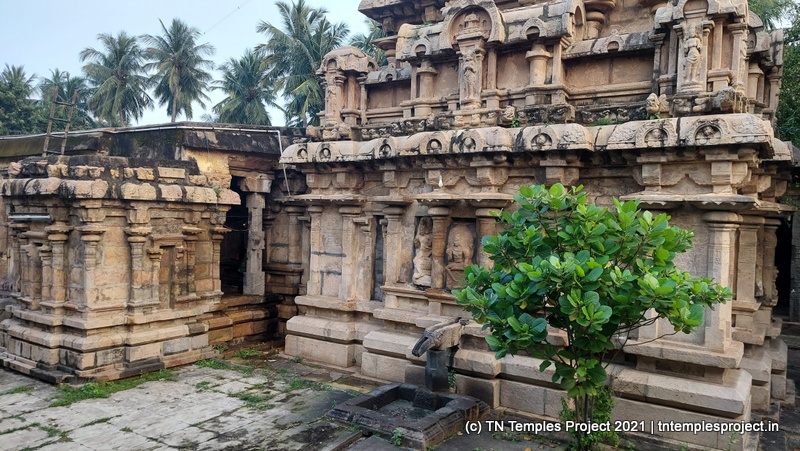
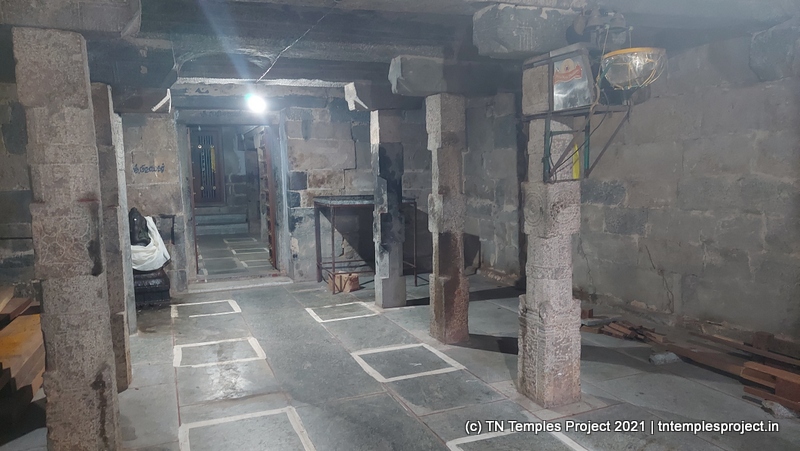
Given that Appar has sung here, this temple is believed to have existed from at least the 6th or 7th century. The structural temple is regarded as one of the earliest of the medieval Chola temples – from the time of Aditya Chola I and his successor Parantaka Chola I – and is a fine example of art and architecture of the time, with captivating work displayed throughout the temple, including on the vimanam atop the garbhagriham. The temple is completely made of granite, and is one of the several temples that Aditya Chola I built along the banks of the Kaveri river.
Sambandar visited and sang pathigams at several Siva temples, but this is one of the handful of temples that he visited twice, which is a rarity.
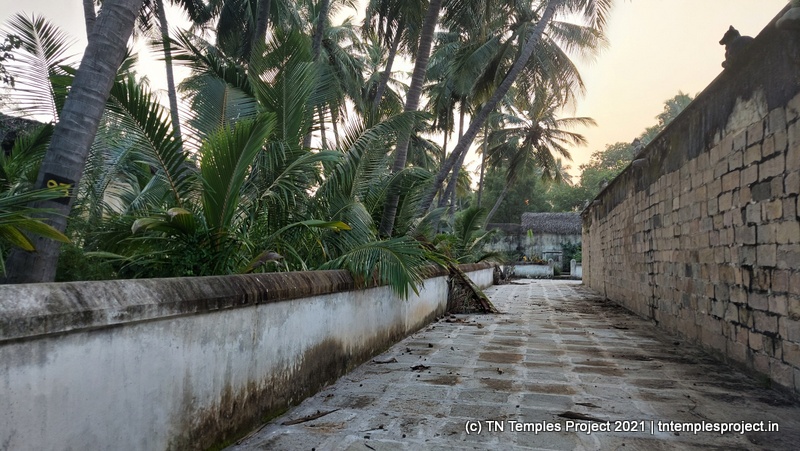
The temple has also received contributions from later Cholas, the Thanjavur Nayaks and Marathas, and structural additions, including the prakaram, by the Vijayanagara Dynasty, and more recently by the Nagarathars. Inscriptions in the temple refer to Aditya I, Parantaka Chola I, Raja Raja Chola I and Kulothunga Chola III. Several of the stones used for construction at this temple are from the Vedapureeswarar temple Siva and Srinivasa Perumal temple at nearby Periyamarai.

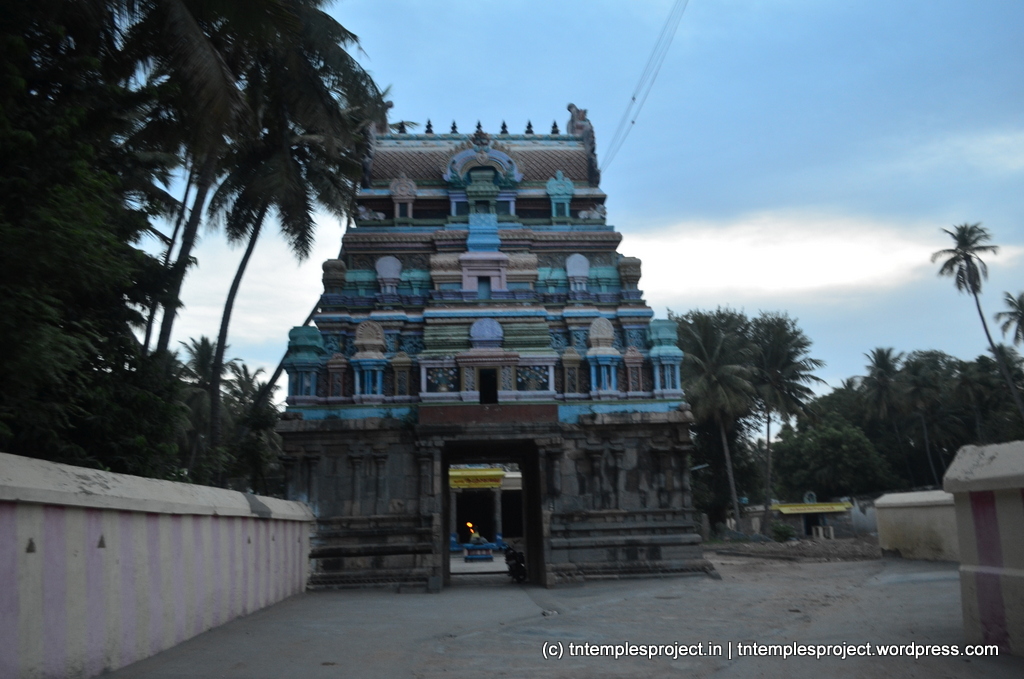
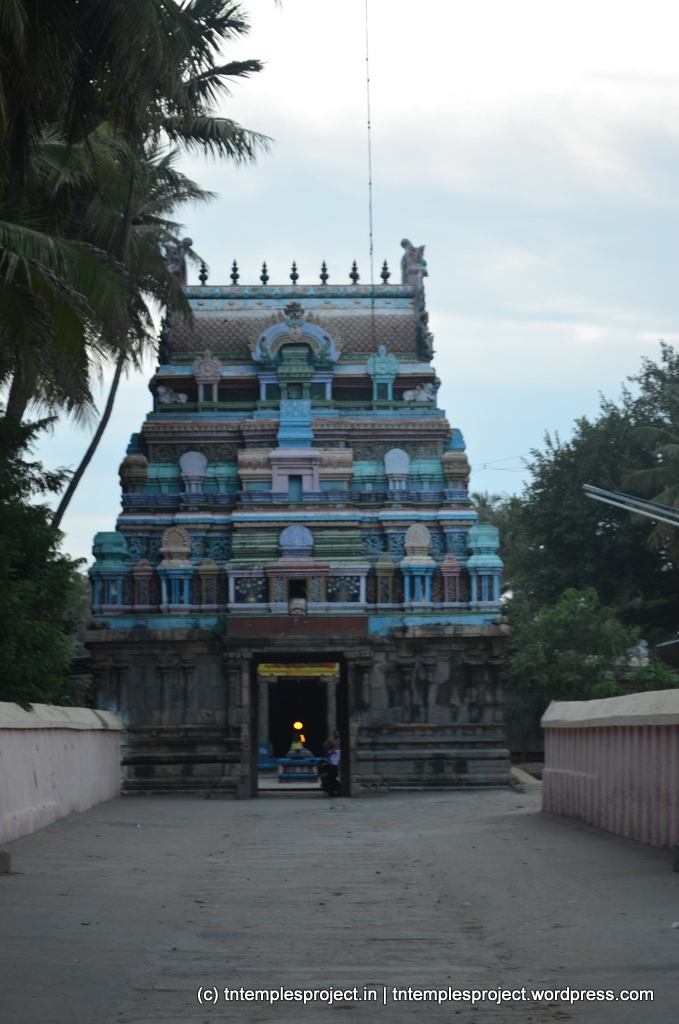
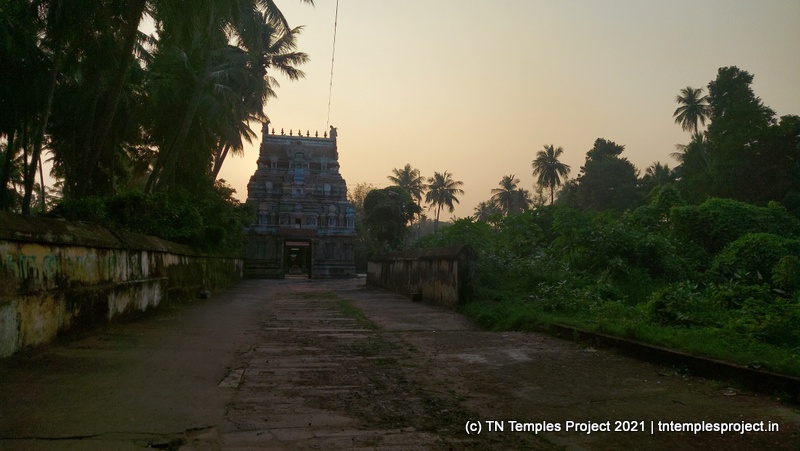
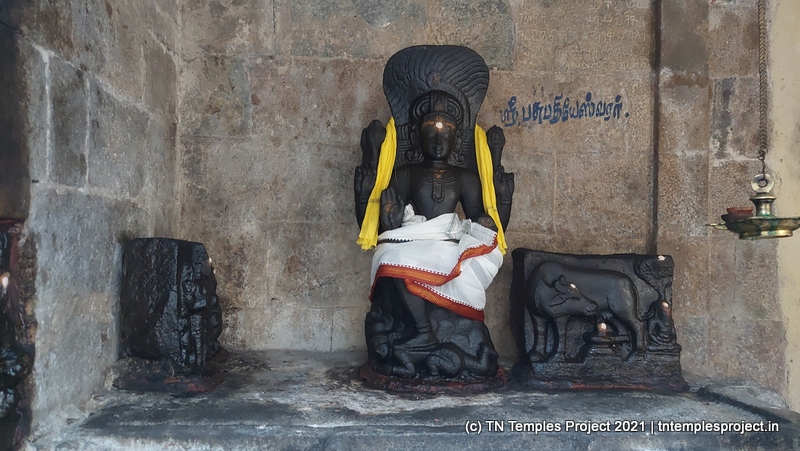
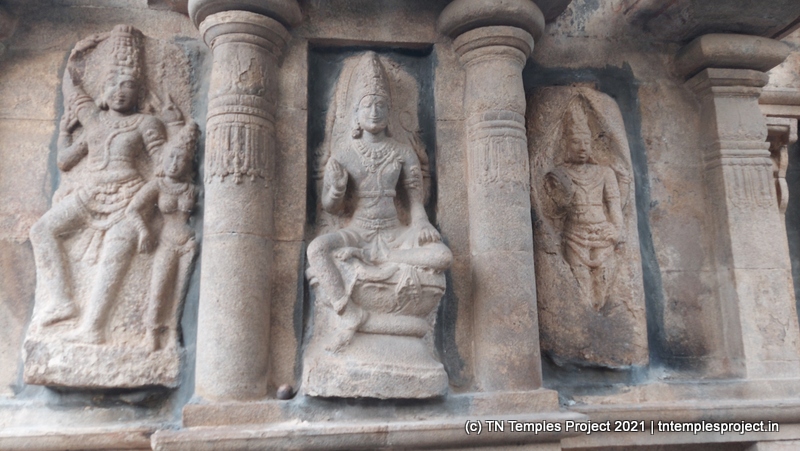
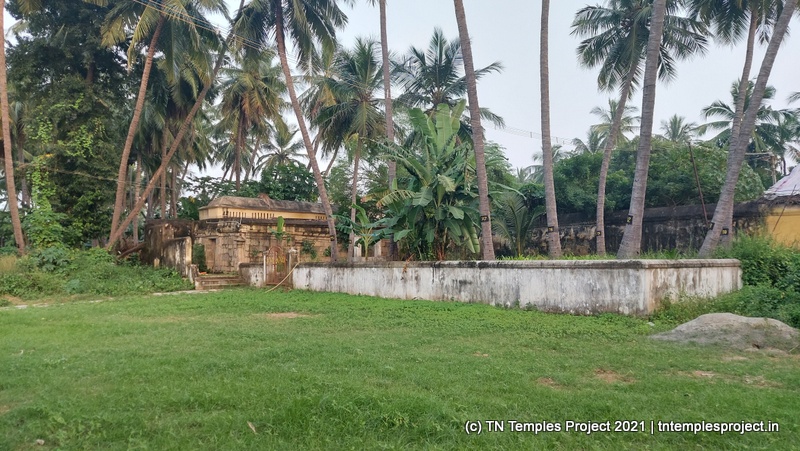
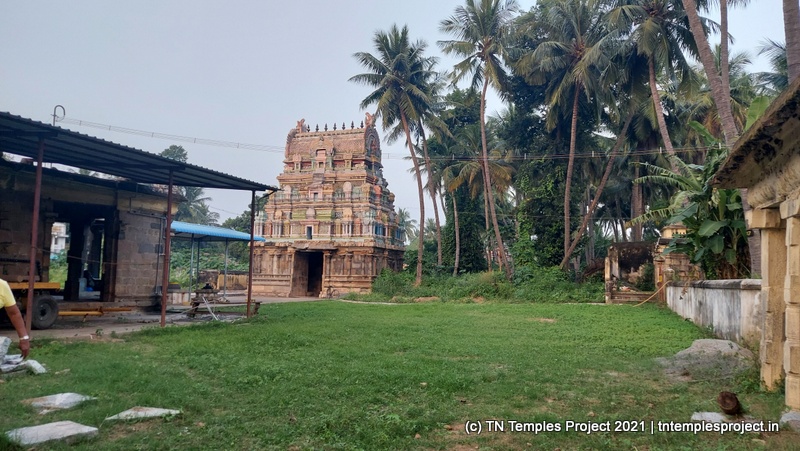
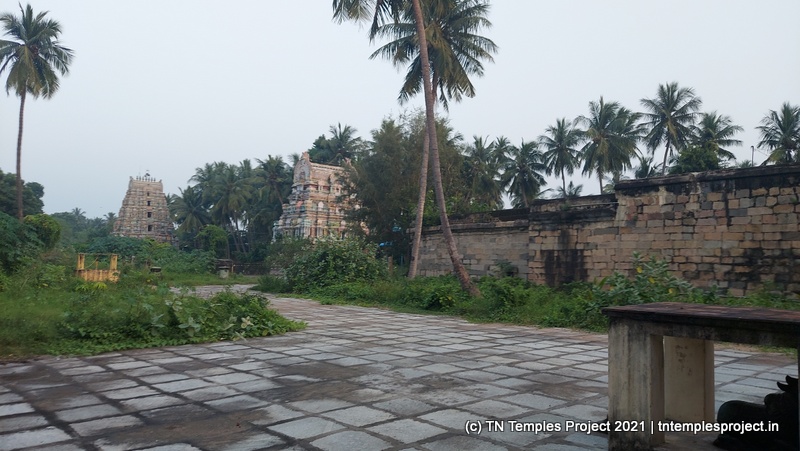
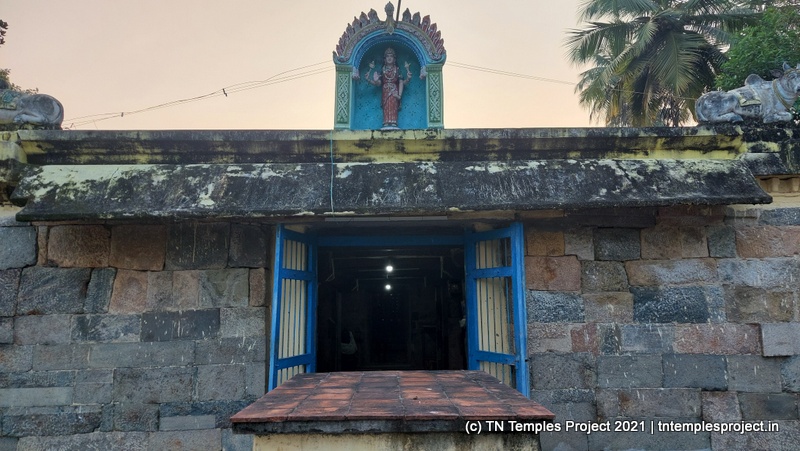
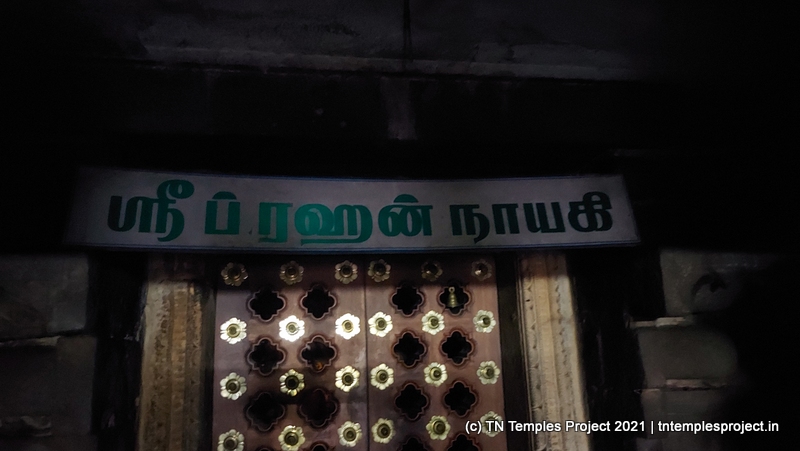
According to the sthala puranam, Parvati is present with Siva in the garbhagriham, but in invisible form. The temple has two gopurams, but no dhwajasthambam. Built in the time of Kulothunga Chola III, the separate east-facing shrine for Amman is to the right of the moolavar shrine, signifying their Kalyana kolam. In the prakaram, where Murugan is normally enshrined, is a shrine for Vishnu as Venugopalar. In the shrine for Dakshinamurti, one can see bas relief images of the sapta rishis, Kamadhenu, and Appoodhi Adigal. In the koshtam are beautiful sculptures of Gajasamharamurti, Lingodhbhavar and a near-life-size Veenadhara Dakshinamurti.
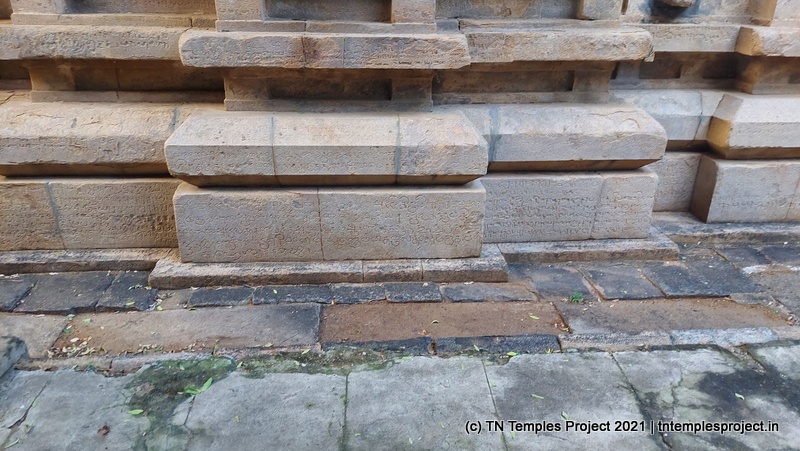
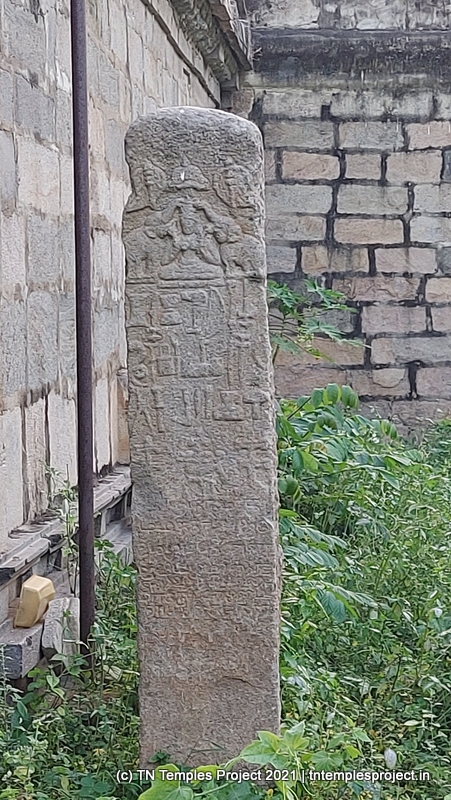
Inscriptions in the temple also specifically refer to the Ezhur Tiruvizha (the Tiruvaiyaru Sapta Sthanam festival). One of the inscriptions also refers to the Pazhuvettaraiyar clan of rulers (those familiar with Ponniyin Selvan will recognise this), indicating the marriage of Arumozhi Nangai of that clan, to Parantaka Chola I.
Other information for your visit
This is one of the temples forming part of Tiruvaiyaru Sapta Sthanam festival, which celebrates Nandi’s wedding. Read our separate feature on the festival, here. All seven temples are located relatively close by, and except for Tiruvaiyaru (which is a large temple) they could be covered in about 6 hours. Alternatively, an entire day can be spent leisurely visiting all seven temples, including Tiruvaiyaru.
Contact
Raja Swaminathan Gurukkal: 97902 07773
Panchapakesan Gurukkal: 94864 67597
Gallery







 TN Temples Project