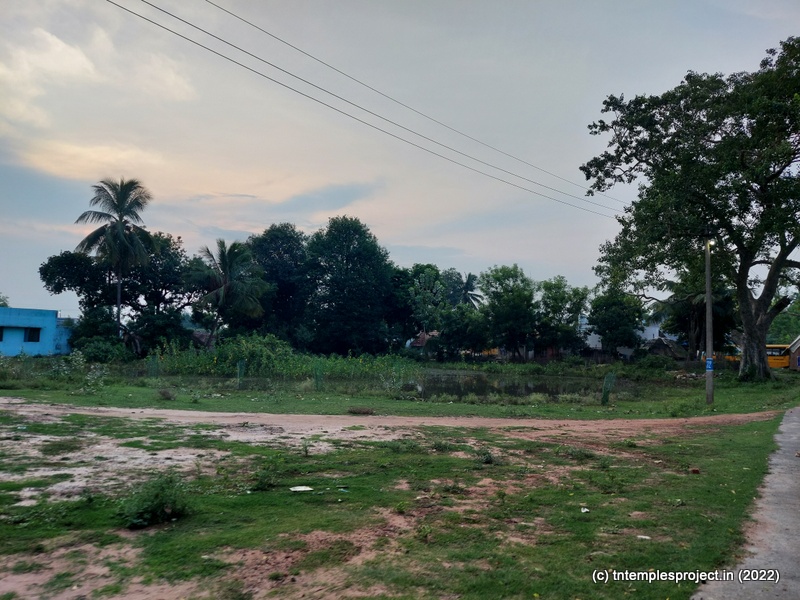
Basic information about the temple
| Moolavar: | Swetaranyeswarar | Ambal / Thayar: | Abitakucha Nayaki, NeelamalarkkaNNi, NeelotpalambaaL |
| Deity: | Siva | Historical name: | Tiruerukkathampuliyur |
| Vriksham: | VeLLerukku | Teertham: | Neelotpala Teertham |
| Agamam: | Age (years): | Timing: | 6 to 12 & 5 to 8 | Parikaram: |
| Temple group: | Paadal Petra Sthalam (Nadu Nadu) | – | |
| Sung by: | Temple set: | ||
| Navagraham: | Nakshatram: | ||
| City / town: | Rajendrapattinam | District: | Cuddalore |
| Maps from (click): | Current location | Ariyalur (54 km) | Mayiladuthurai (59 km) |
| Kumbakonam (65 km) | Perambalur (69 km) |
Location
Sthala puranam and temple information
The Swetaranyeswarar temple in Rajendrapattinam is a Tevaram Paadal Petra Sthalam where Sambandar has sung a pathigam. Arunagirinathar has sung on the Murugan of this temple, thereby making it a Tiruppugazh temple as well.
Once, in Kailasam, Lord Siva was explaining the importance of the Vedas and Agamas to Parvati. Gradually, the latter seemed to get distracted and lost interest, for which the Lord cursed her to be born in Bhulokam. Murugan was upset at this, which further angered Siva, and he curse that Murugan be born on Bhulokam as well, as a mute child in a family of traders. Accordingly, Murugan was born in Madurai and was named Rudrasarma. The boy worshipped at various temples, and finally regained his power of speech after visiting this temple. For this reason, Siva here is also called Kumaresar (Kumaran being Murugan).
Another sthala puranam here says that once, the celestials were having a good time here and had taken the form of birds to do so. A group of hunters came to the place and wanted to capture the birds. Realising this, the celestials prayed to Siva, who instantly transformed the hunters into Erukam trees – this gives the place part of its name as Erukatham-puliyur. Erukam trees (milkweeds) bear white coloured flowers, and this place once looked like a white forest (sweta-aranyam), which therefore gives the moolavar his name here.
Yet another puranam speaks of one Sudhevan, a staunch devotee of Siva, who was affected by leprosy. He is said to have worshipped here, and followed a procedure of taking a bath in the temple tank and then smearing himself with the juice of the Erukku plant, which is believed to have such curative powers as regards leprosy.
There are two parts to the name of this place – Erukam and puliyur. We have seen the story of how “erukam” came into being. It is also the sthala vriksham of this temple. The Puliyur part of the name comes from the fact that Vyaghrapada (the tiger-footed saint; puli in Tamil = tiger) worshipped here along with Patanjali. The nine places they visited and worshipped at together, are collectively called Nava Puliyur; these are Perumpatrapuliyur (Chidambaram), Tirupathiripuliyur, Sirupuliyur, Erukathampuliyur (this temple), Perumpuliyur, Omampuliyur, Atthippuliyur, Thaplampuliyur and Kanattampuliyur.
Raja Raja Chola is believed to have prayed here, thereby begetting a son – Rajendra – who did a lot for the improvement of this temple in his time as king. Therefore, the place also got the name Rajendra pattinam.
Erukathampuliyur is the avatara sthalam of Tiru Neelakanta Yazhpanar, one of the 63 saiva Nayanmars. The Nayanar was proficient at playing the yazh, an instrument like a lute, and was also an ardent follower of Sambandar, whose wedding he attended and where he given instant moksham with all others present. Arunagirinathar (of Tiruppugazh fame) referred to this place as Yazhpana Pattinam in his works. The Nayanar’s guru puja is celebrated here on the day of Moolam nakshatram in the Tamil month of Vaikasi (May-June).
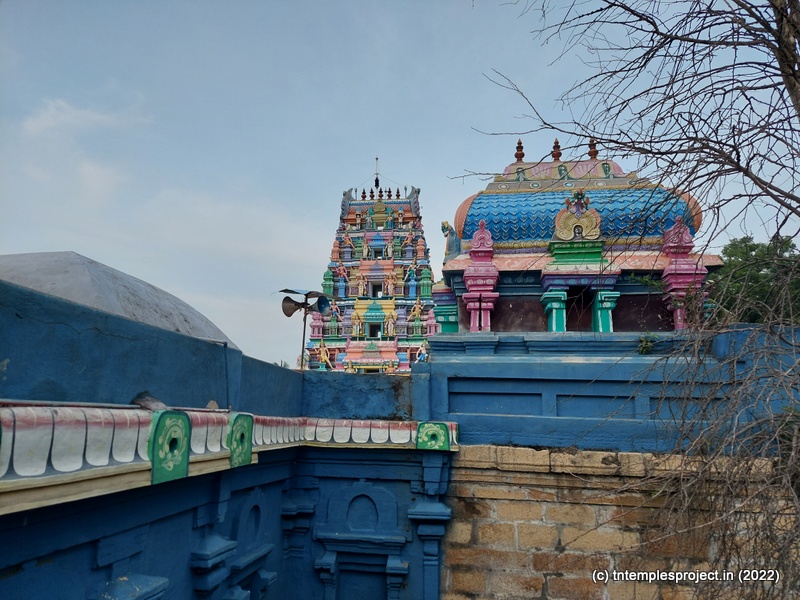
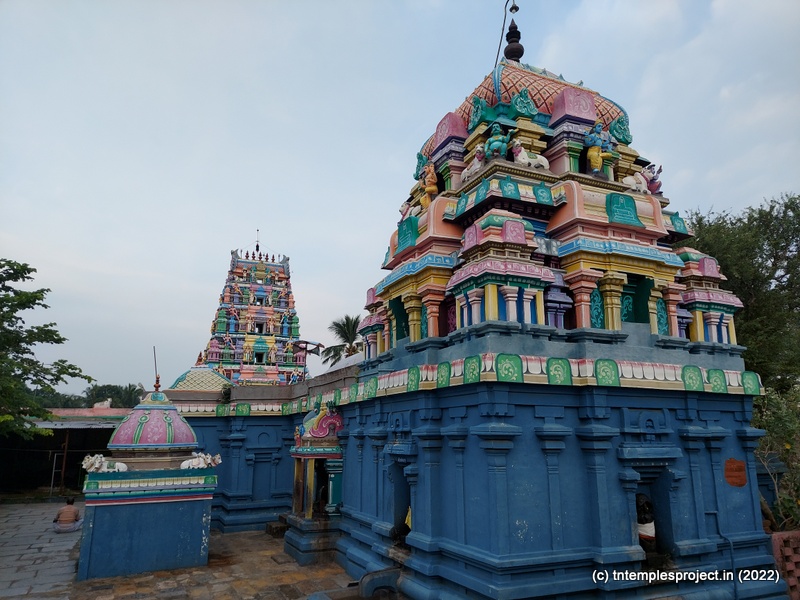
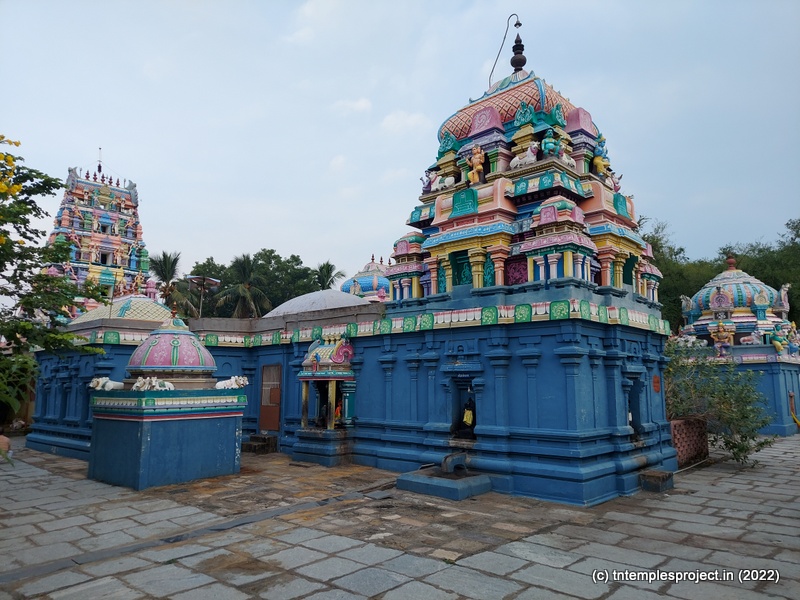
Because Sambandar has sung here, the temple must have been in existence since at least the 7th century CE. The original structural temple here is from the Chola period, possibly from either Raja Raja Chola’s or Rajendra Chola’s time. Of course, there have been several renovations and improvements in the centuries after, including the current masonry, which is from the 16th century Nayak period.
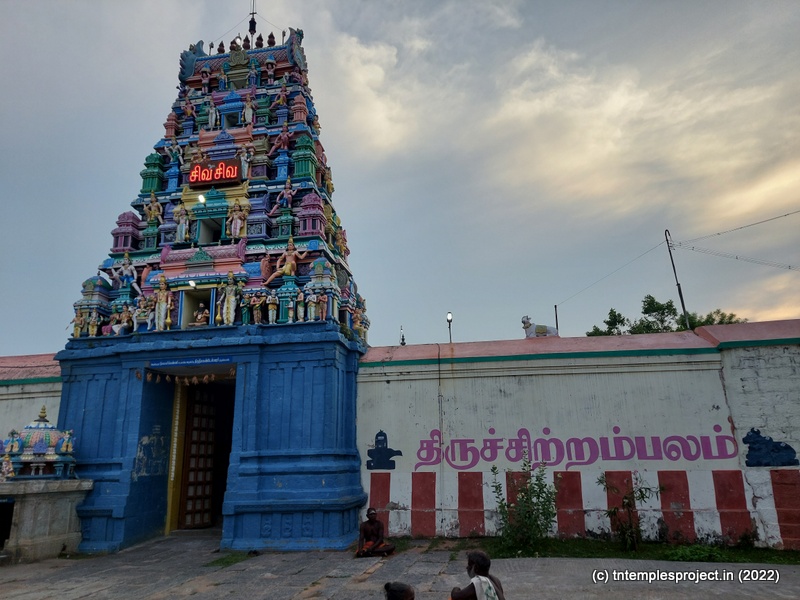
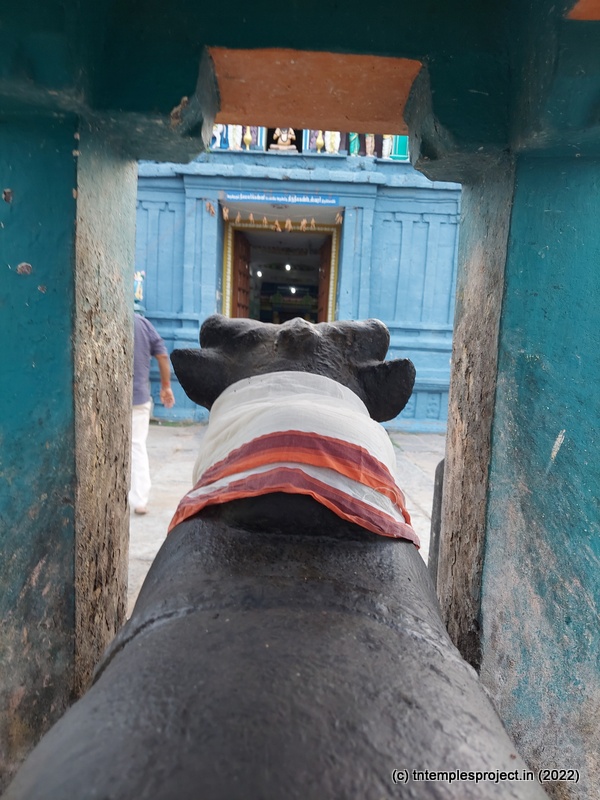
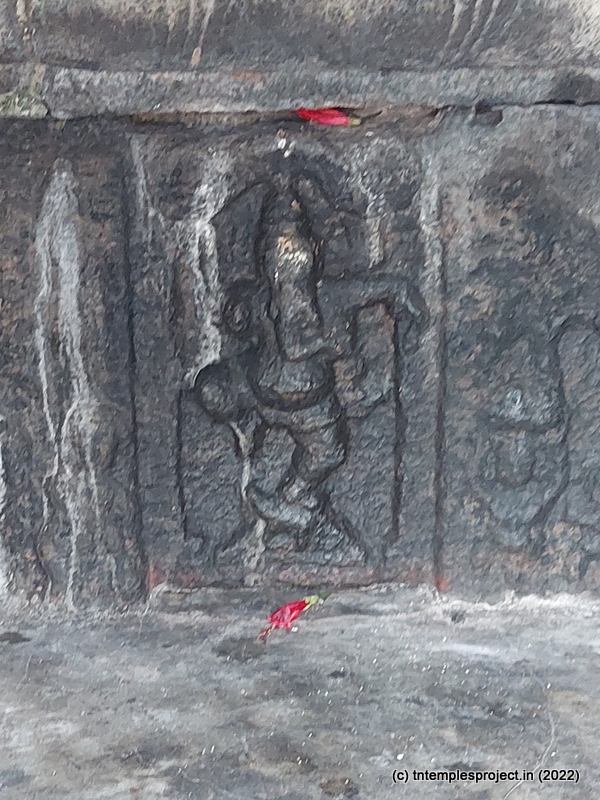
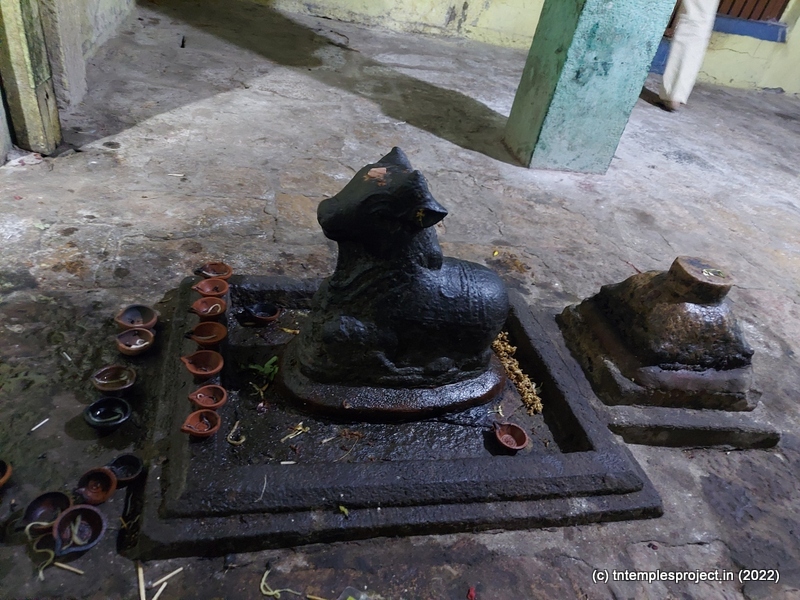
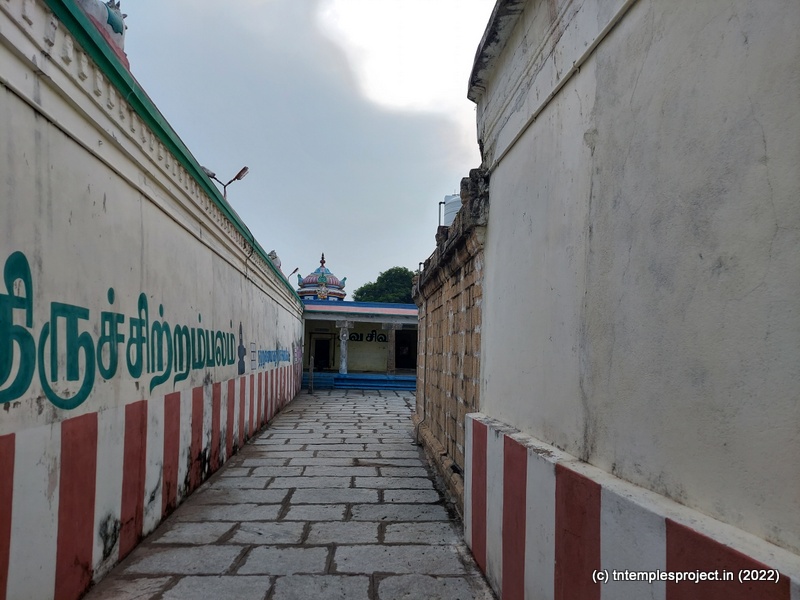
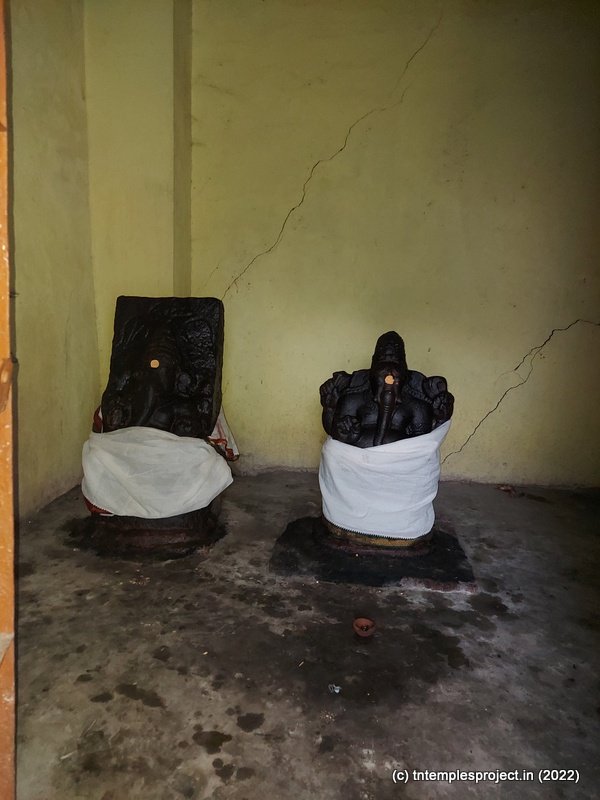
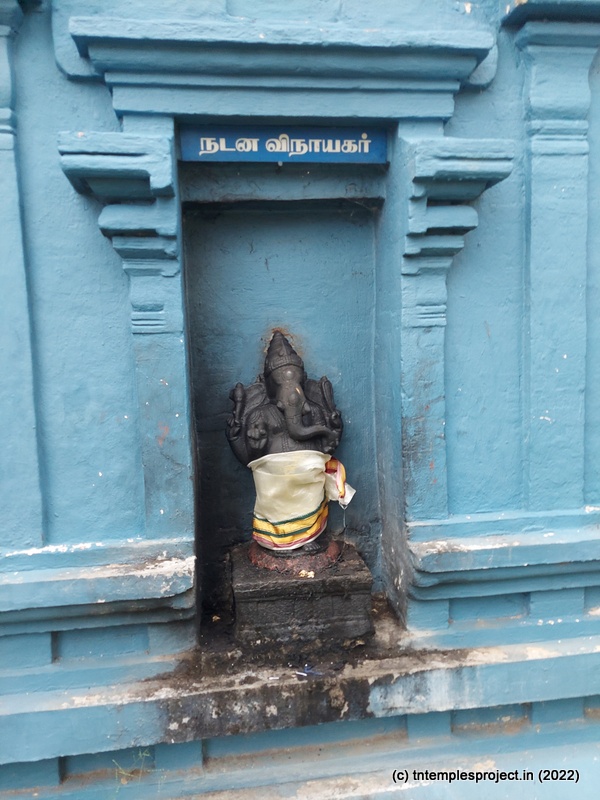
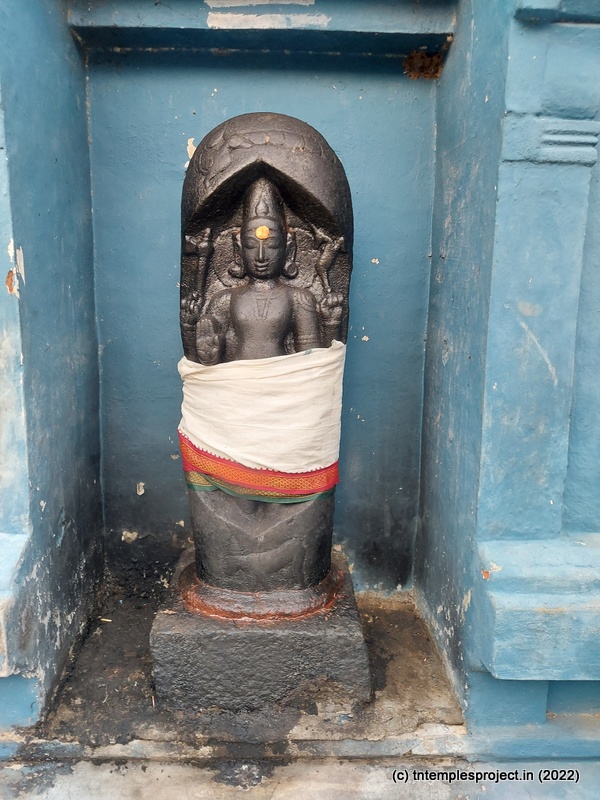
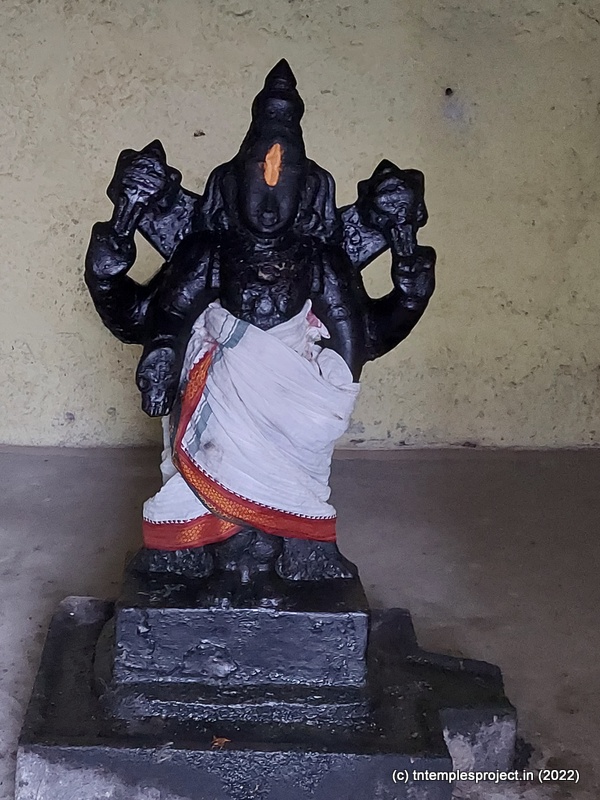
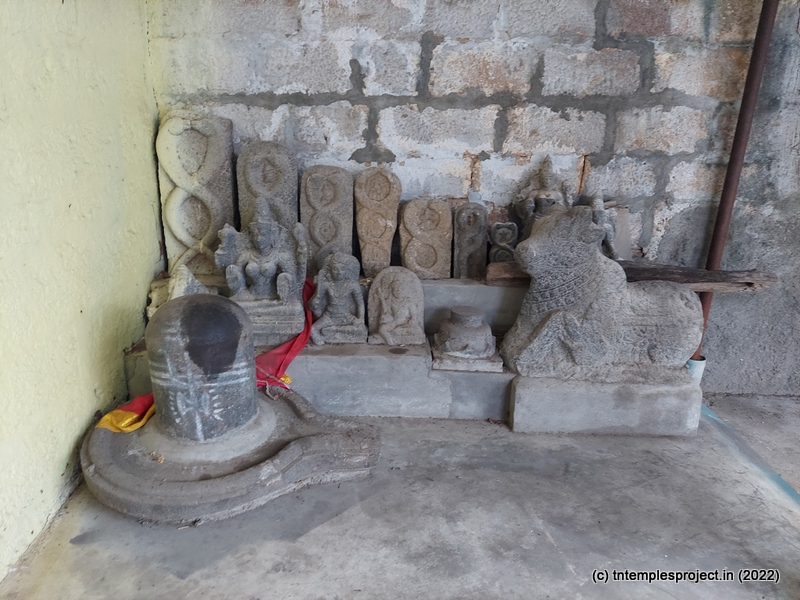
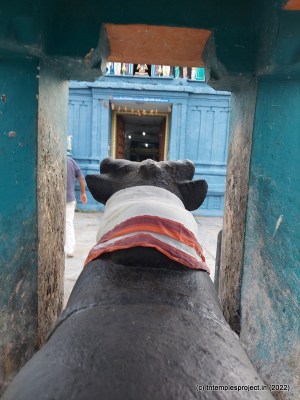
The temple’s layout is a bit unique, in that the bali peetham, dhwaja sthambam and Nandi are located outside the premises, and even outside the raja gopuram. Facing the temple is the temple’s tank, called the Neelotpala Teertham. Flanking the raja gopuram are Vinayakar and Murugan, and interestingly the Vinayakar here is not a vigraham but a very small bas relief.
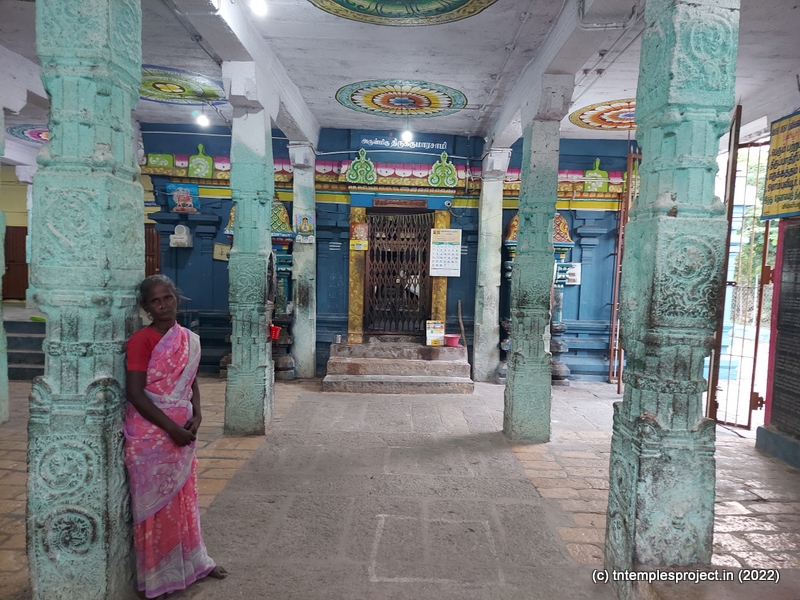
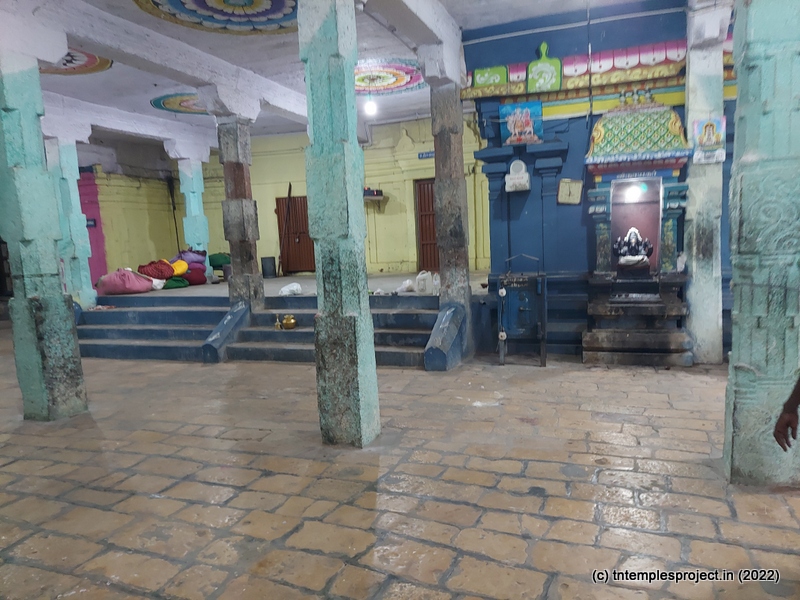
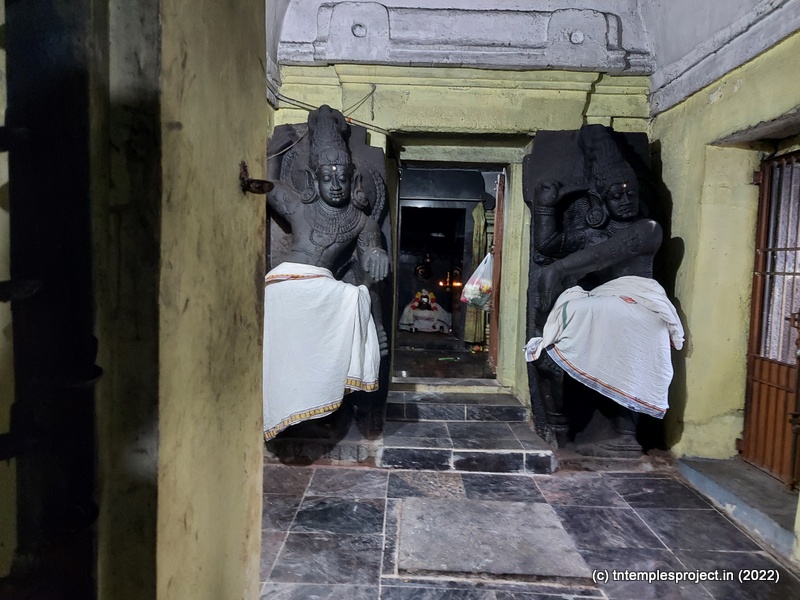
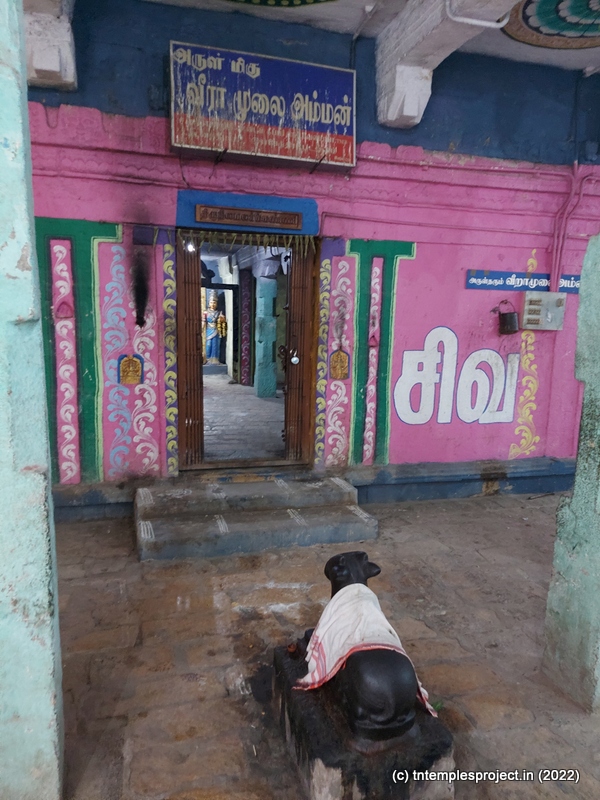
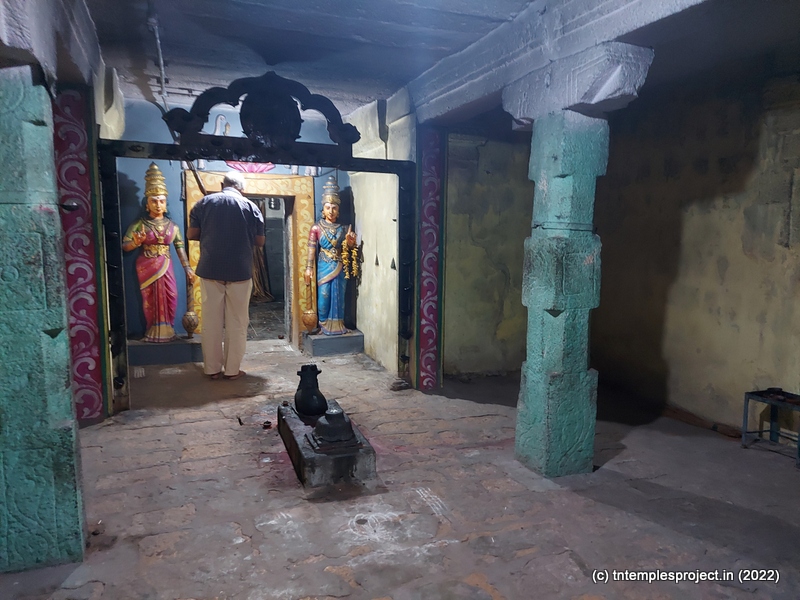
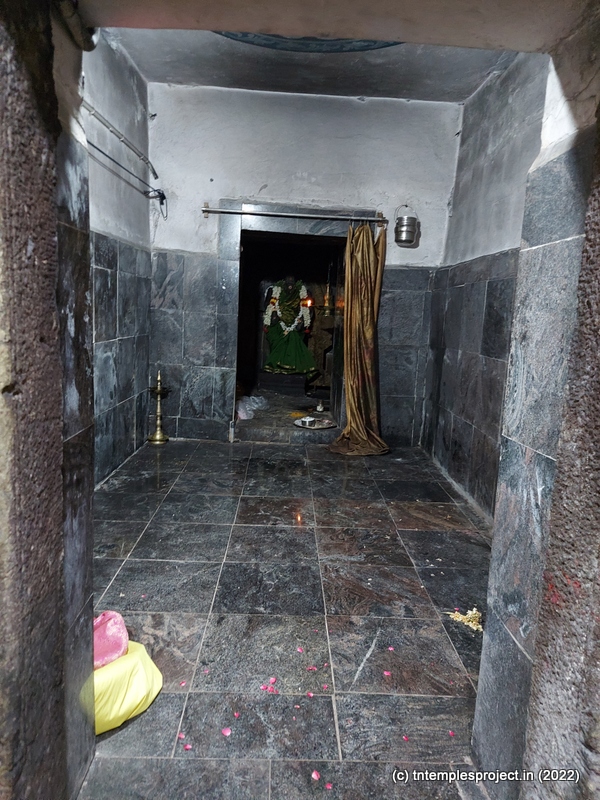
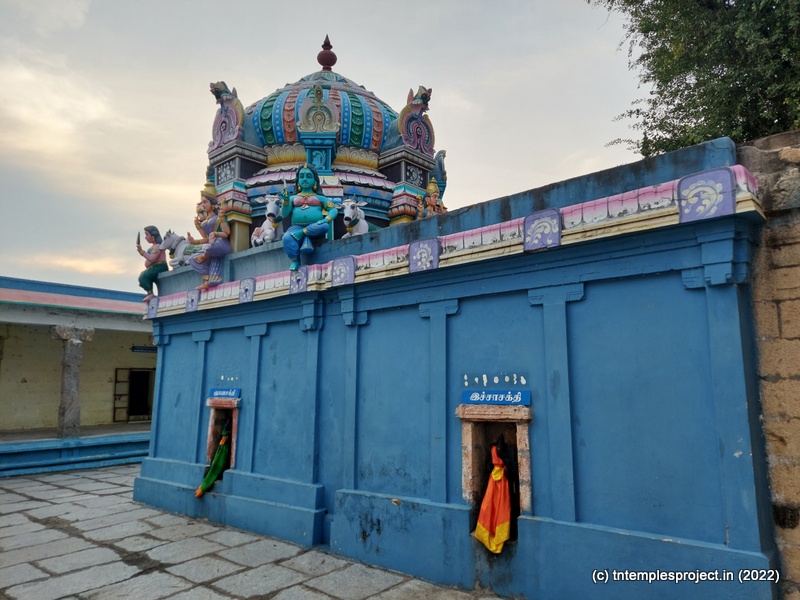
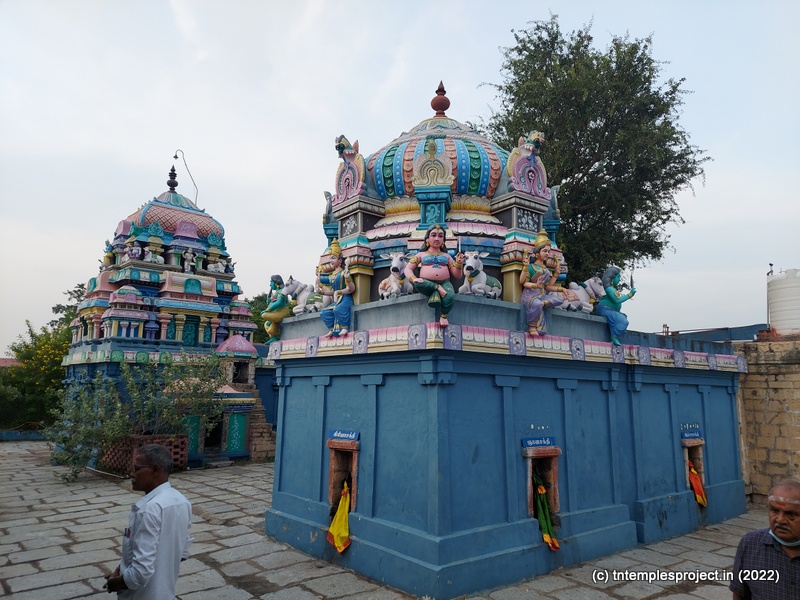
Upon entering the temple, straight ahead is a maha mandapam, which comprises the moolavar shrine, an open space with an elevated platform, and the Amman shrine. The garbhagriham is flanked by two massive dwarapalakas, which are in contrast to the relatively small size of the Nandi outside and the lingam inside. Interestingly, while the Amman shrine also faces east, it is located to the left of the garbhagriham (from our perspective), truly making it a kalyana kolam representation (although whether that was by design, is not known). The Amman shrine’s outer koshtams have vigrahams of Ichcha Sakti, Gnana Sakti and Kriya Sakti, while the koshtams around the Siva shrine have the usual Dakshinamurti, Lingodhbhavar, Brahma and Durga shrines.
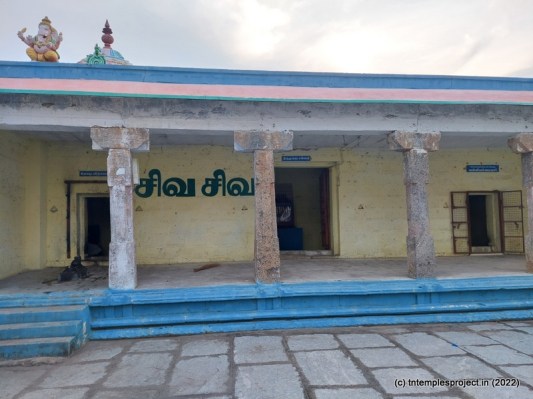
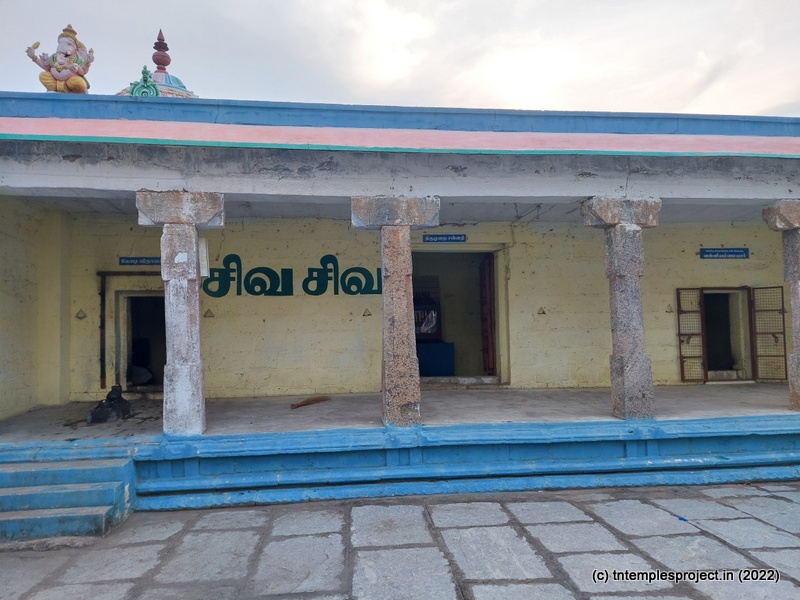
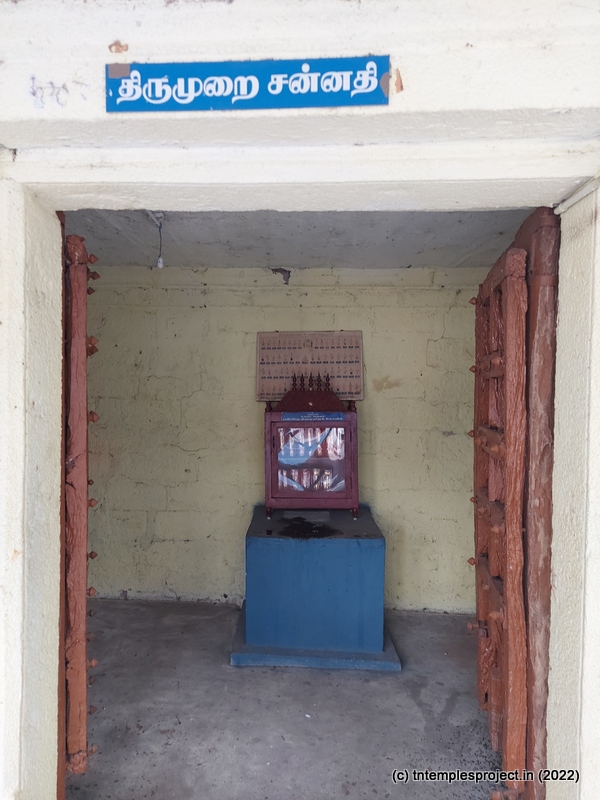
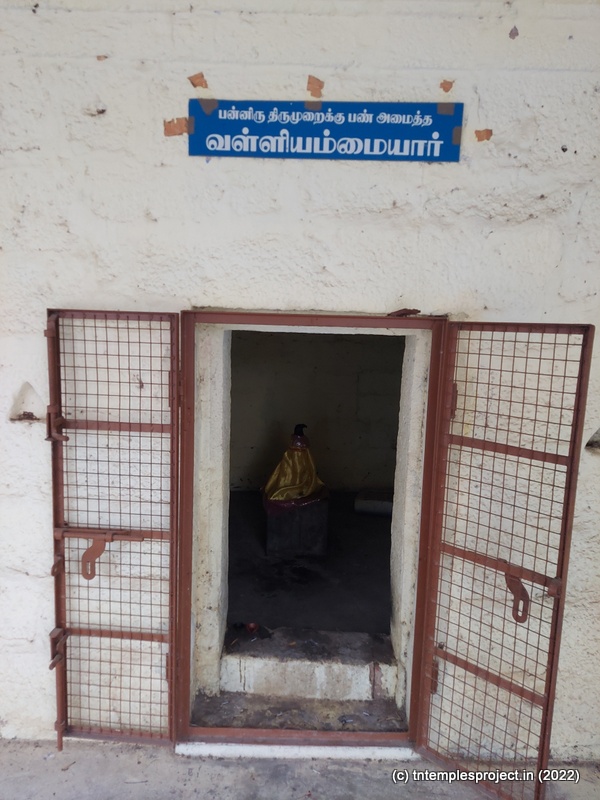
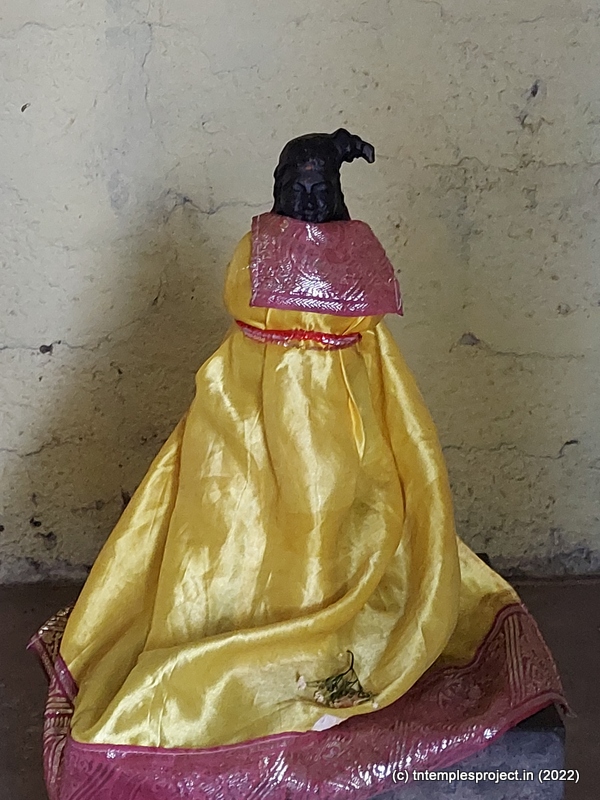
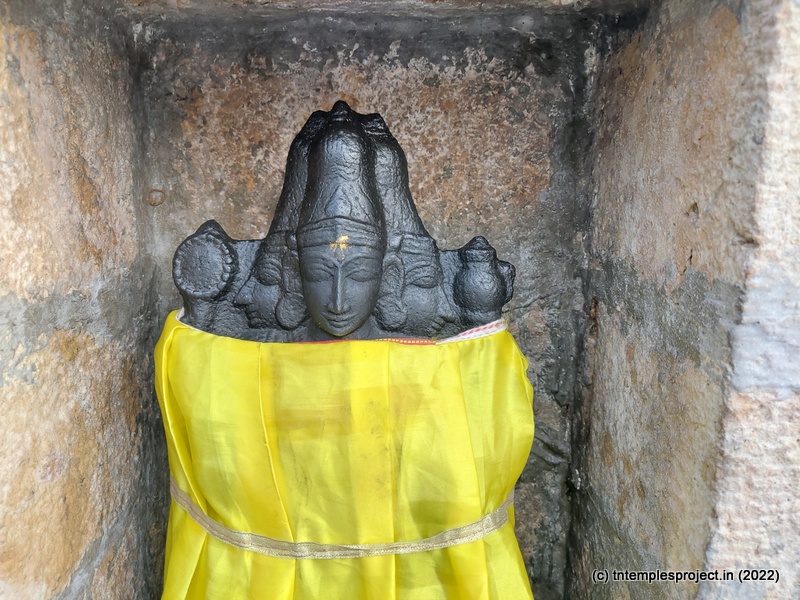
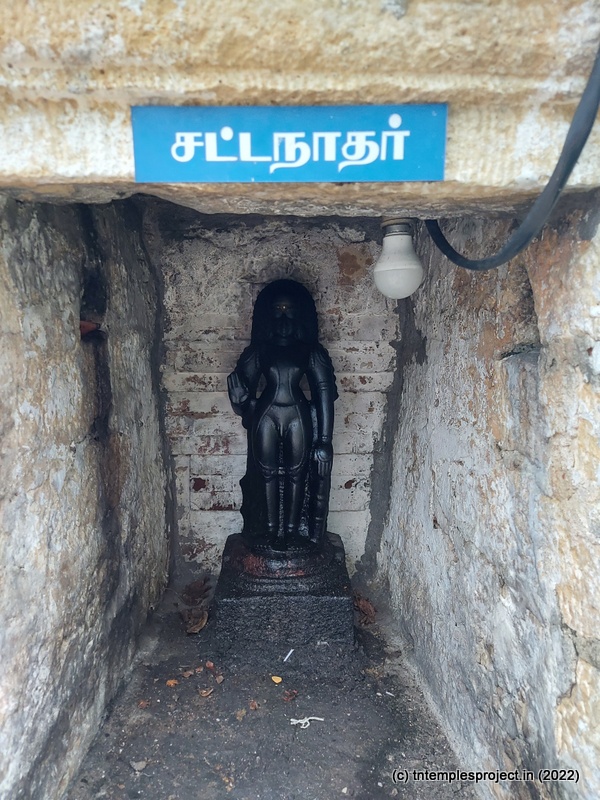
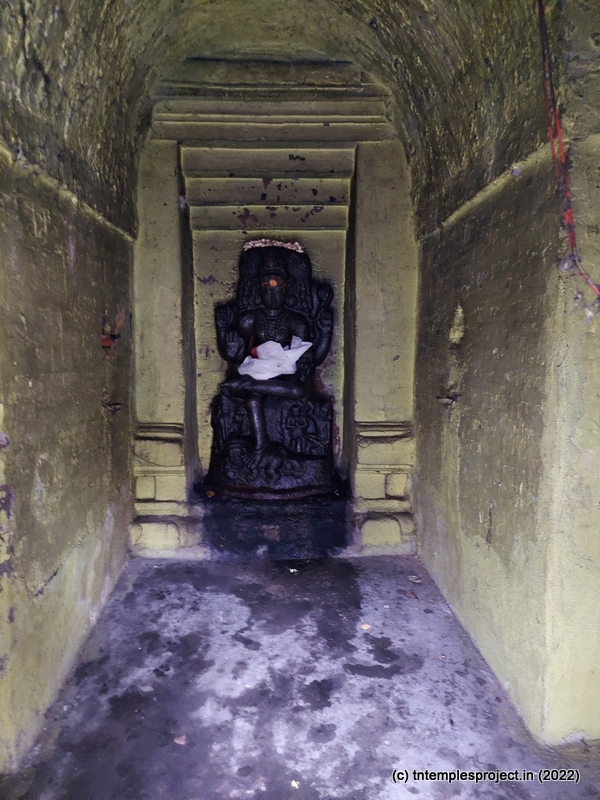
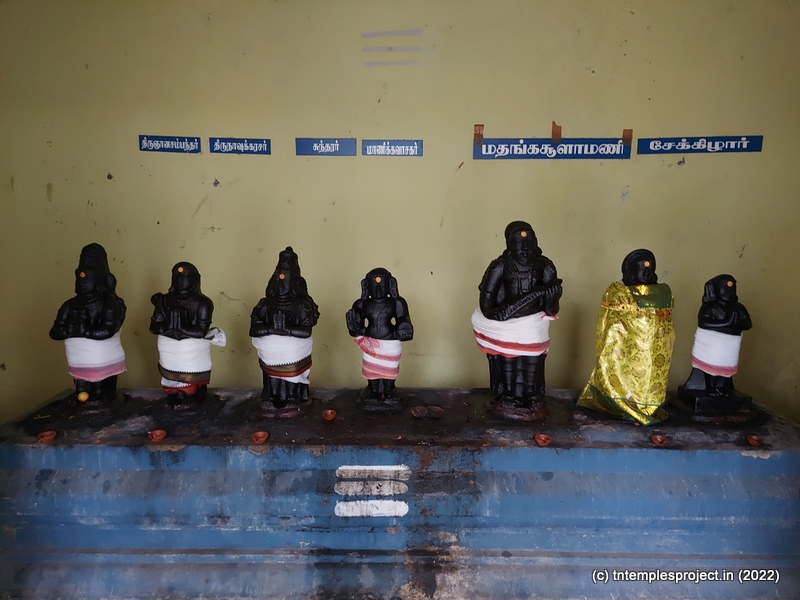
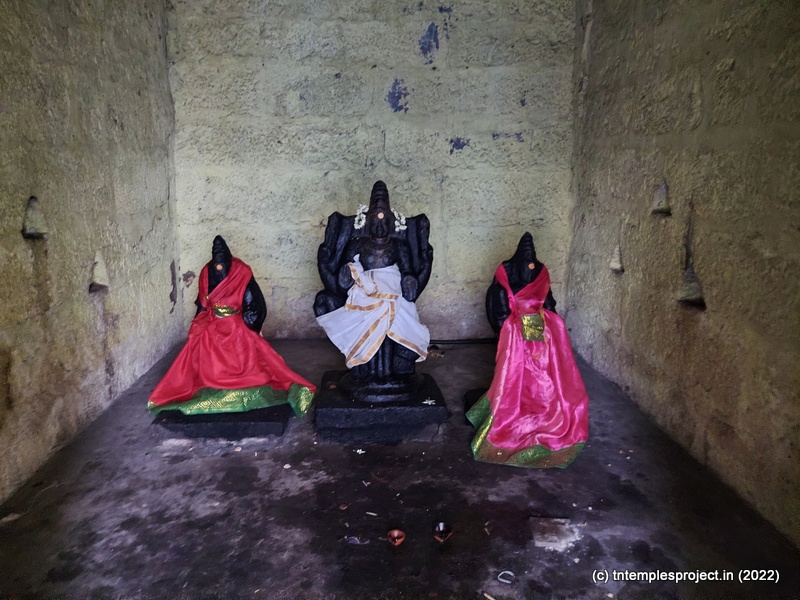
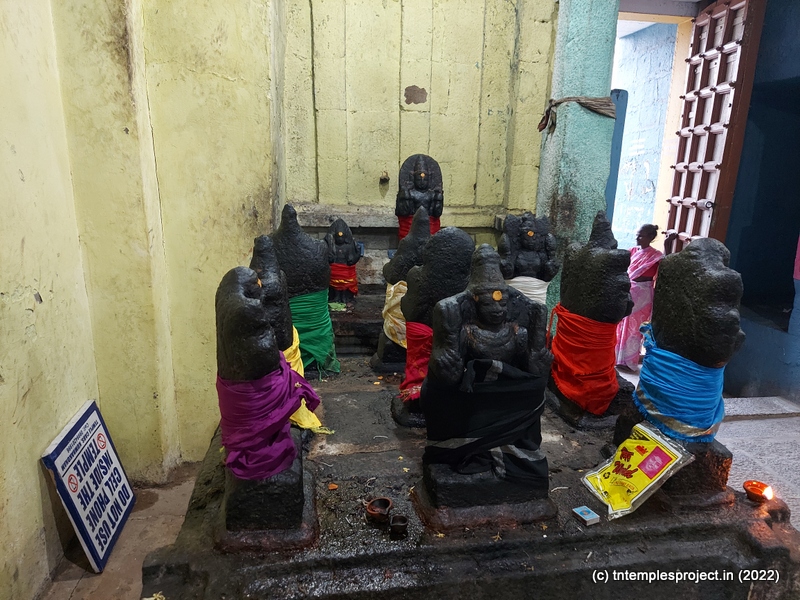
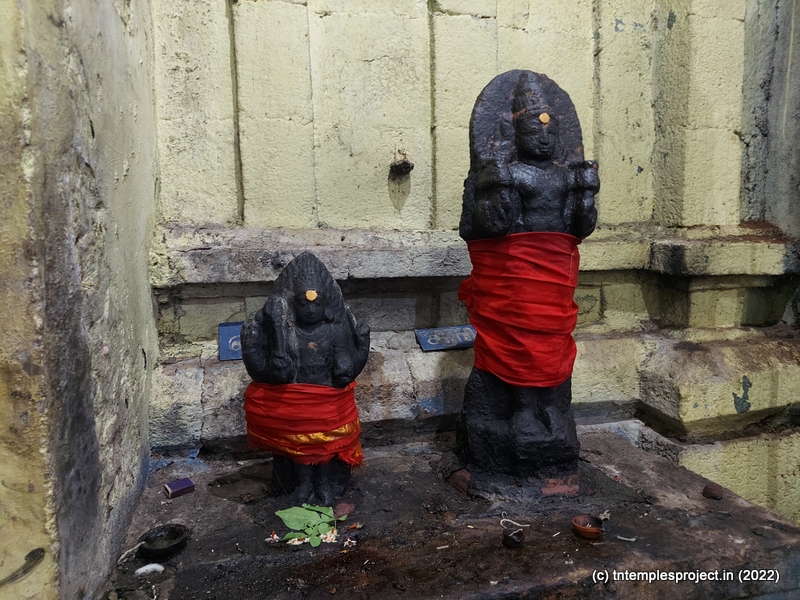
Along the western wall is a mandapam with several smaller shrines, including one for Vinayakar, one where a copy of Tirumurai is kept, one for Valliammaiyar (who set the Tirumurai to tune), one common shrine for the Tevaram saints, Manikkavasagar, Neelakanta Yazhpanar and his wife Mathanga Soolamani, and Sekkizhar (who visited this temple and has sung here), one for Murugan with his consorts Valli and Deivanai, one for Srinivasa Perumal, and finally, one for Gajalakshmi. In the prakaram are also shrines for Kasi Viswanathar and Sattanathar, in addition to Chandikeswarar and the usual parivara deities. Back in the main mandapam is a navagraham shrine, and vigrahams of Bhairavar, Suryan and Chandran.
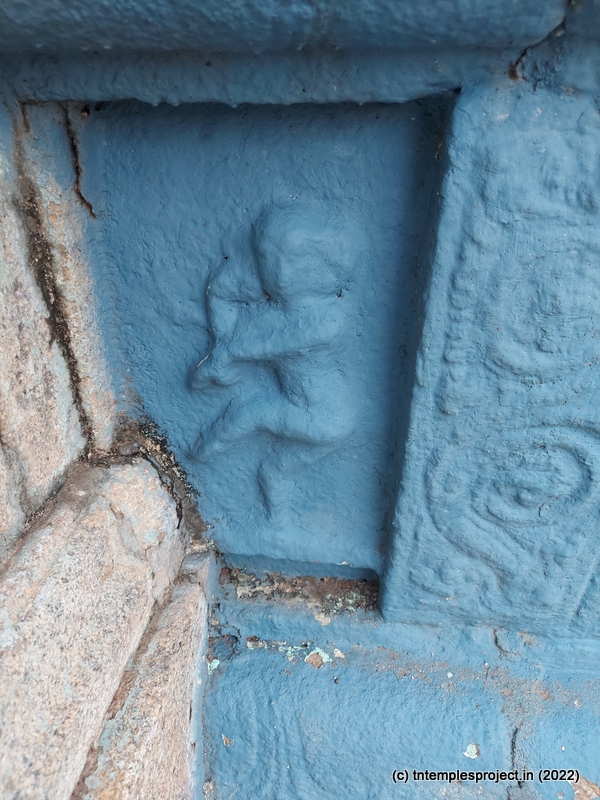
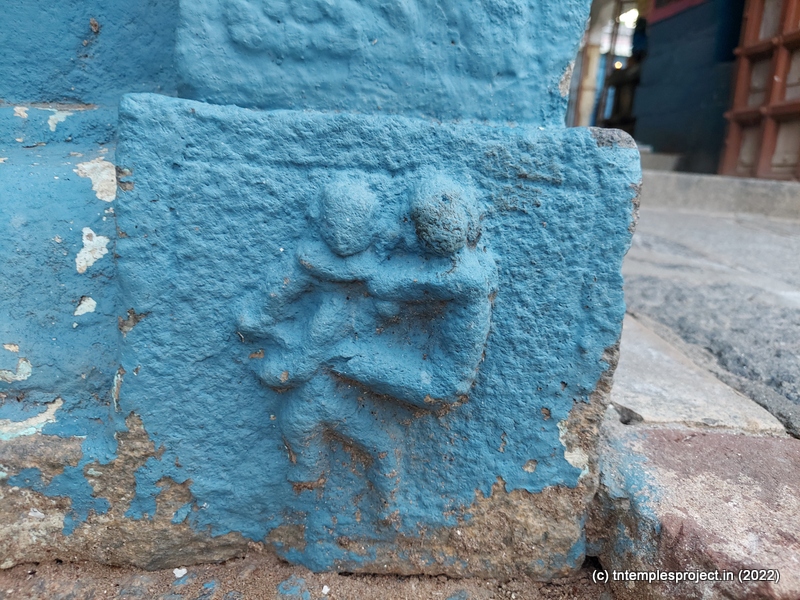
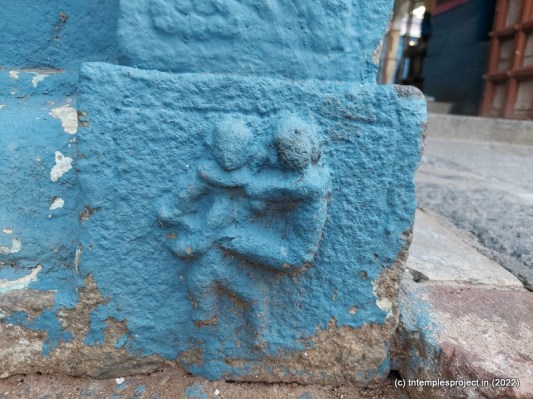
While Chola architecture and iconography is not very apparent in the temple, one can still see some vestiges of this, particularly in the bas relief work on the outer (eastern) walls of the temple.
Following from the sthala puranams, devotees worship here for overcoming speech problems, and relief from skin diseases (particularly leprosy). Some also worship here for childbirth.
Other information for your visit
Contact
Phone: 04143 243533
Jayashankar Gurukkal: 9865863332
Gallery