Moolavar: Masilamaneeswarar
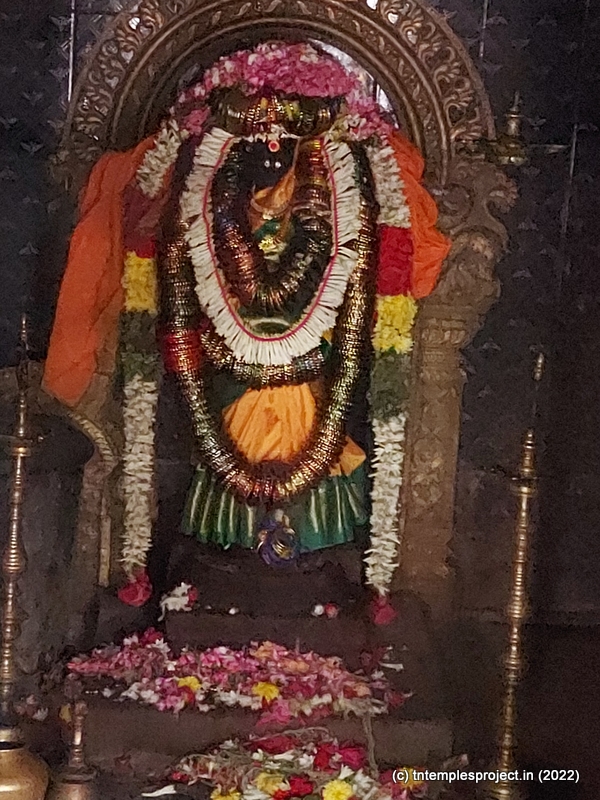
Ambal / Thayar: Tripurasundari
Location: Kadichambadi
District: Thanjavur
Timings: – to – & – to –
Age: 500-1000 years old
Teertham:
Vriksham:
Agamam:
Temple groups: , , ,
Parikaram:
Distances and maps:
Kumbakonam (8 km), Mayiladuthurai (38 km), Ariyalur (43 km), Thanjavur (44 km)
Directions from your current location (ensure GPS is turned on)
The hamlet of Kadichambadi is located south of the Kollidam river, and very close to Alamankurichi and Tirunallur on the way from Kumbakonam to Jayamkondam.
The etymology of the village’s name – Kadichambadi – is quite fascinating. According to mythology, when a king ruled over this place, he would be woken up every morning by the sound of a bird. Kiricham refers to the variety of that bird, and Padi (which normally means an army camp) here refers to the singing of a song. So, the place got the name Kiricham-Padi, which over time, corrupted to Kadichambadi. However, the more realistic story is that Kadichambadi is a corruption of Kachi-Padi, Kachi referring to the Pallavas of Kanchi, and Padi is of course an army camp. This was perhaps a place where the Pallavas, during their time, had set up camp.
There is no recorded sthala puranam for this temple. However, from the architecture and also historical records, this temple is believed to be about 800-900 years old, and based on the late Chola period architecture here, it is possibly from the time of Kulothunga Chola II or Kulothunga Chola III.
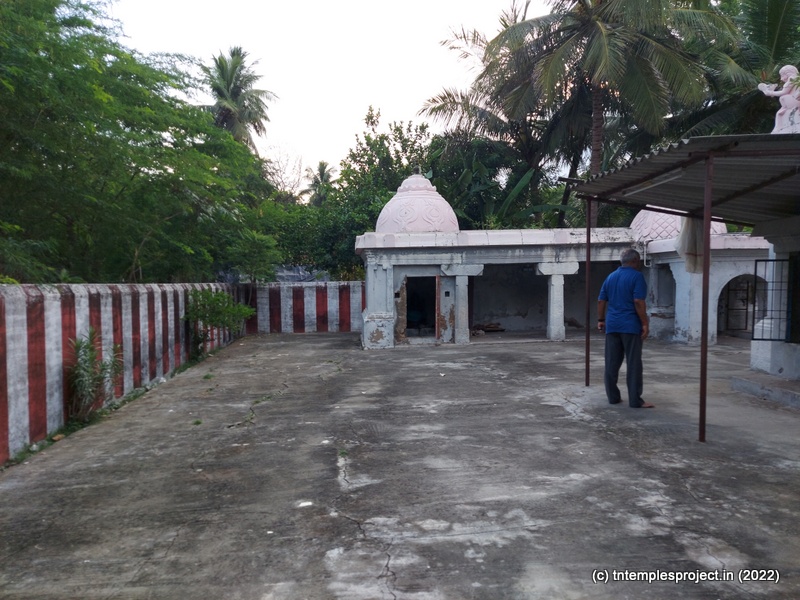
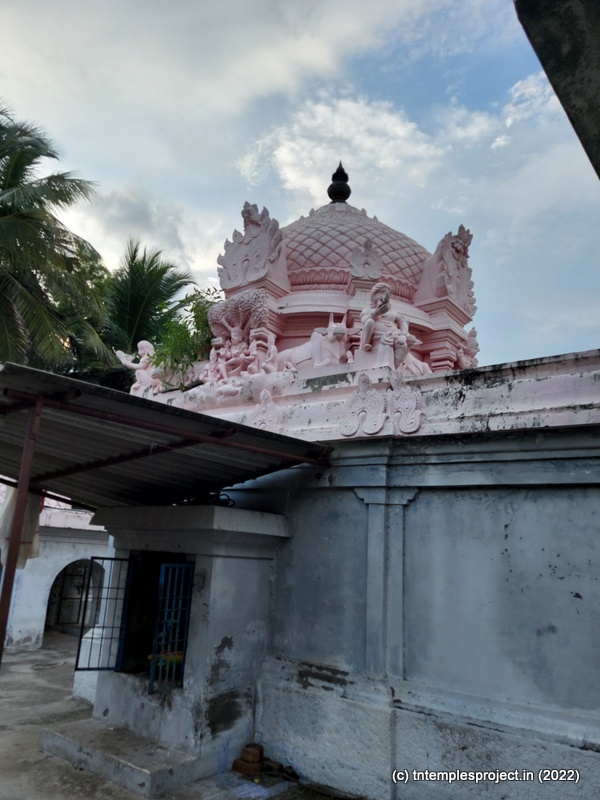
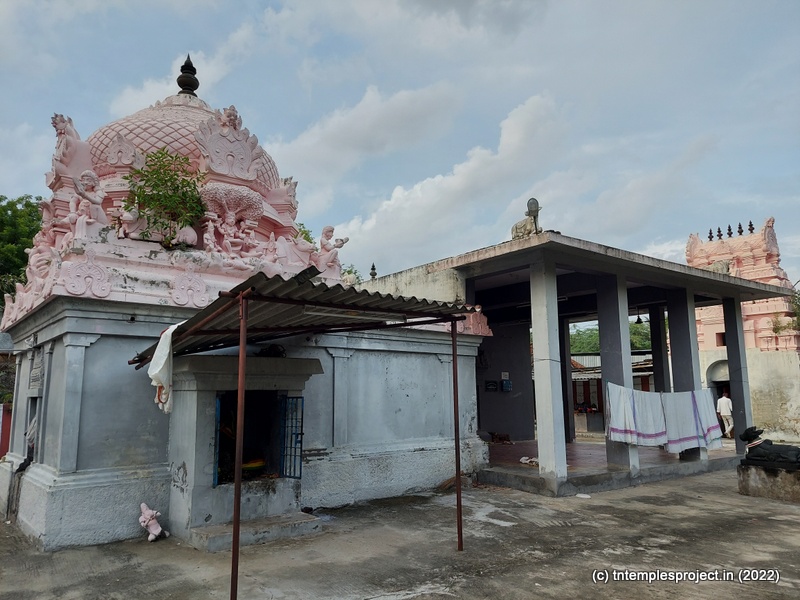
The temple was in a very poor state until a few years ago, but after kumbhabhishekam was performed recently, the temple sports a much fresher look.
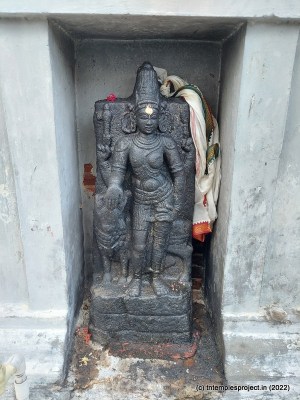
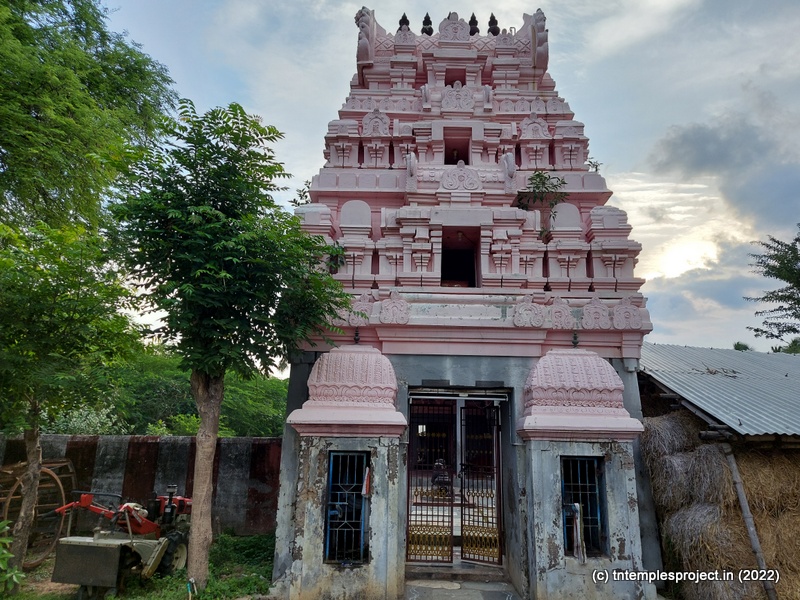
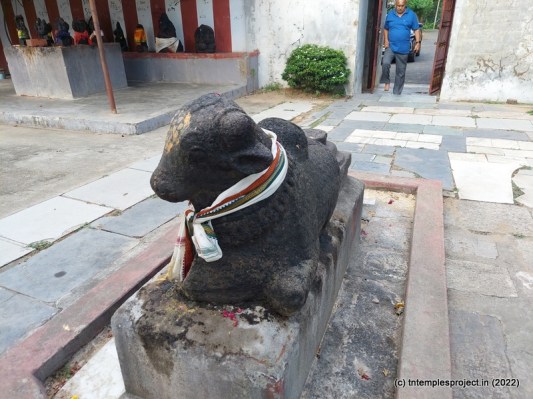
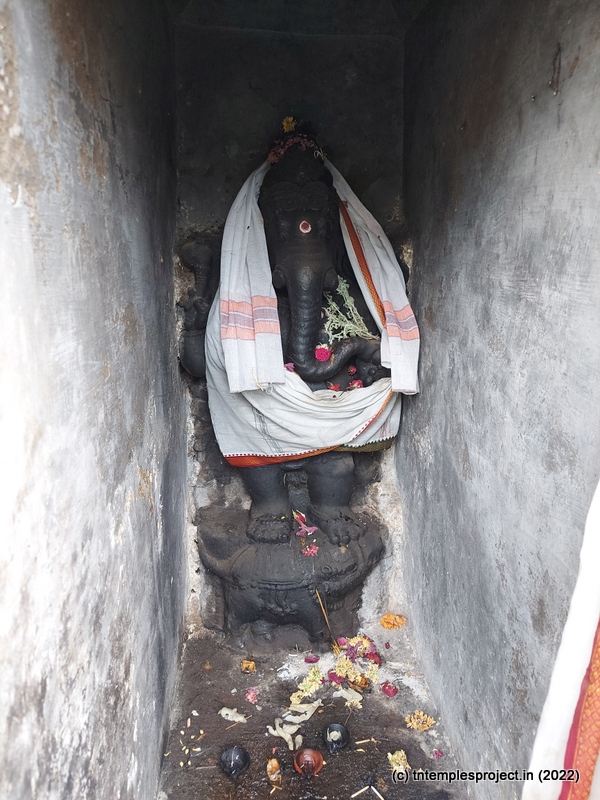
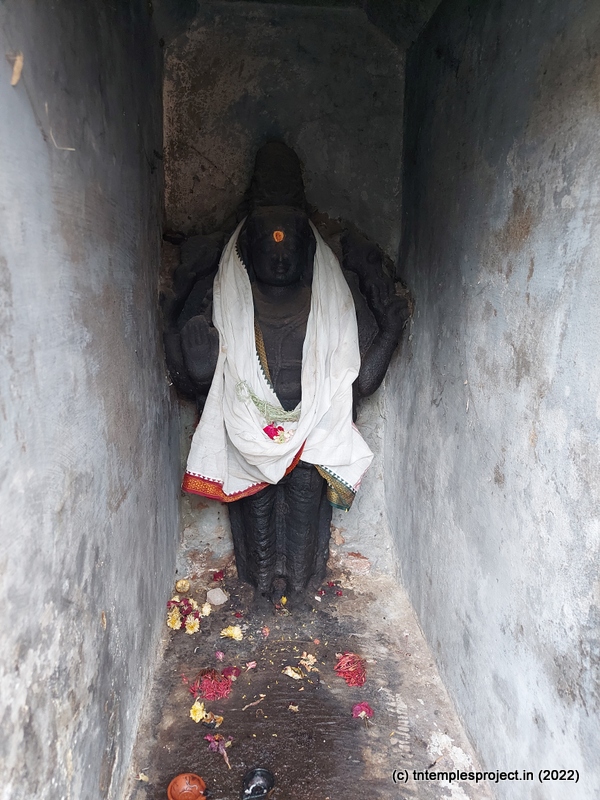
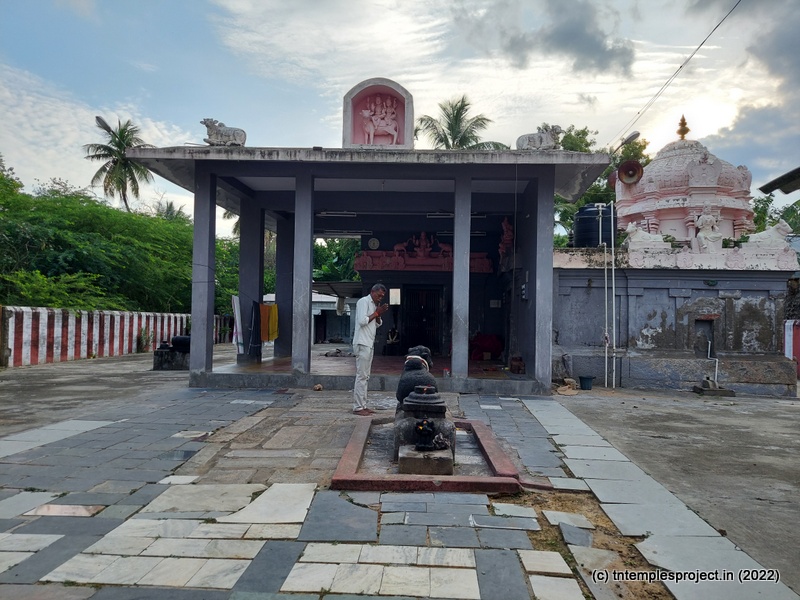
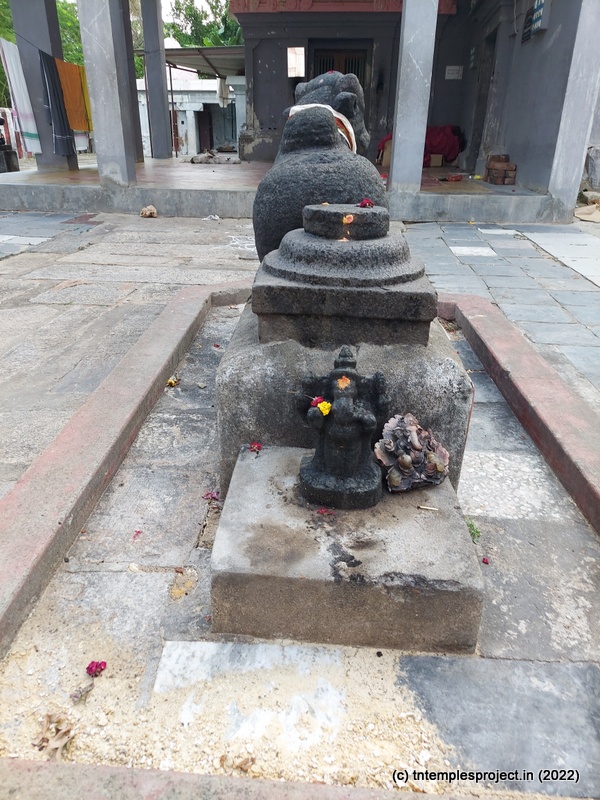
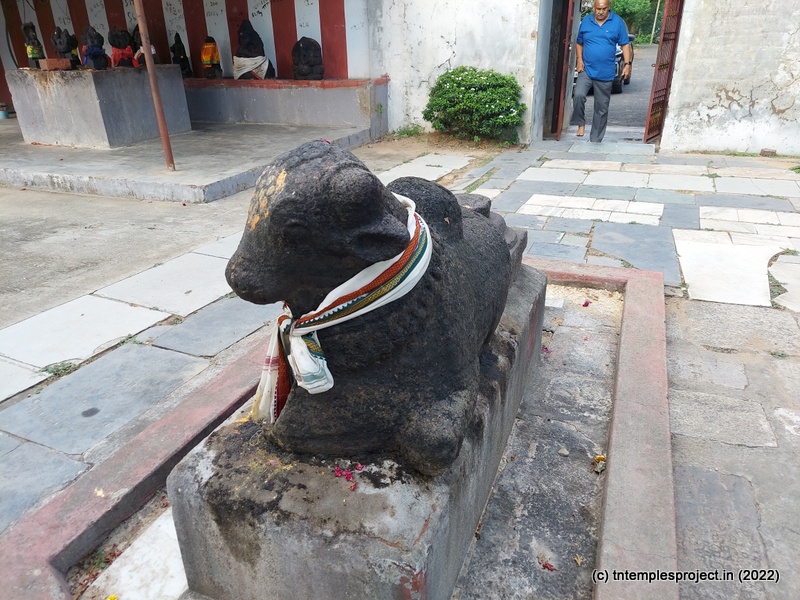
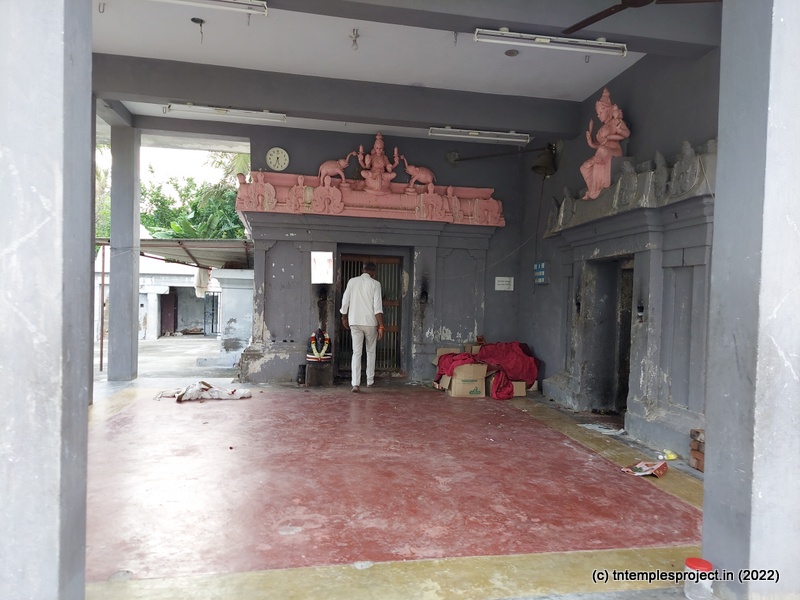
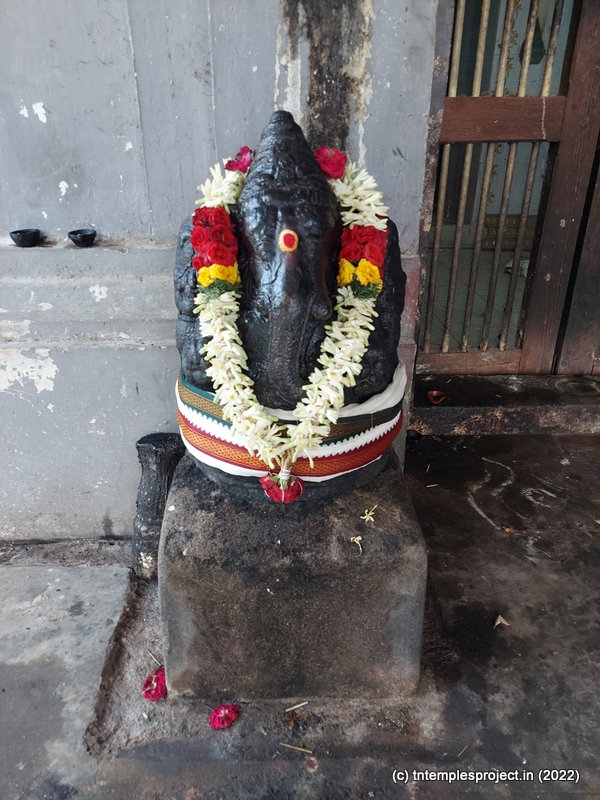
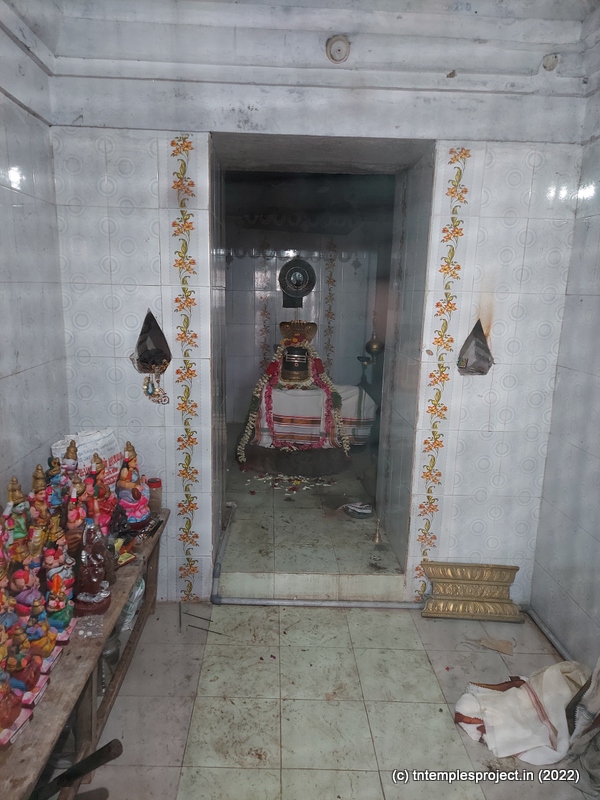
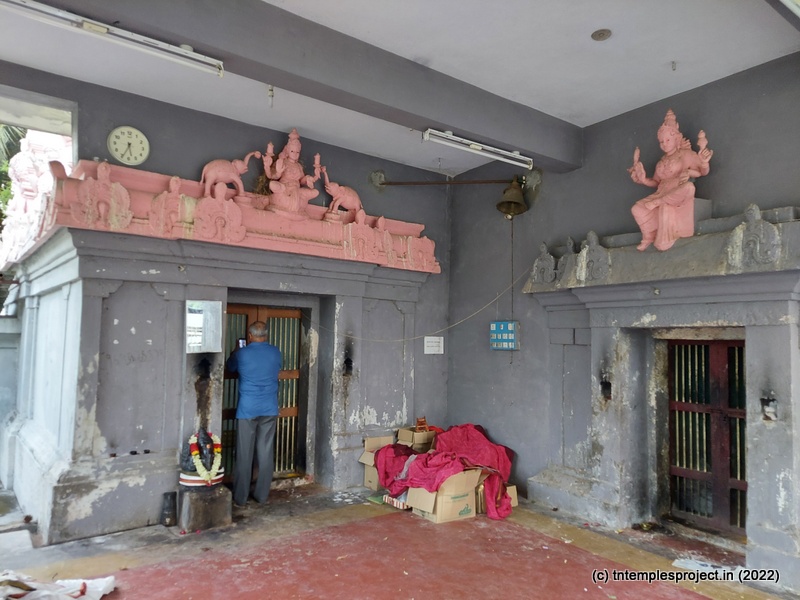
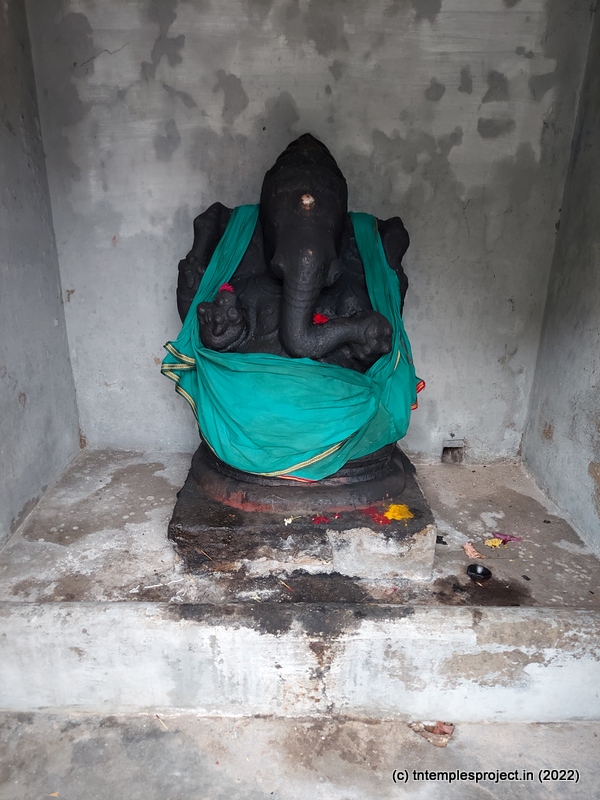
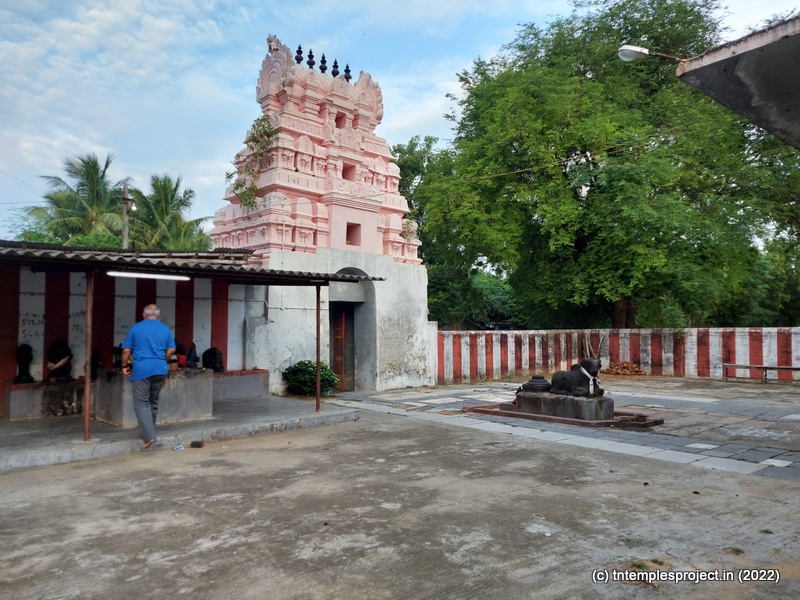
The entrance to the temple is through a three-tiered raja gopuram, which is flanked by separate shrines for Dwara Vinayakar (who, unusually, is depicted standing) and Dwara Murugan. There is no dhwajasthambham, and the bali peetham and Nandi do not have a roof. A maha mandapam encompasses the moolavar garbhagriham and the south-facing amman shrine. Directly ahead is the antarala and garbhagriham, whose entrance is guarded by Vinayakar. In the prakaram, there is a bali peetham and Nandi facing Amman – normally this may be indicative of Pandya influence on the temple, but the design of the Nandi looks too modern.
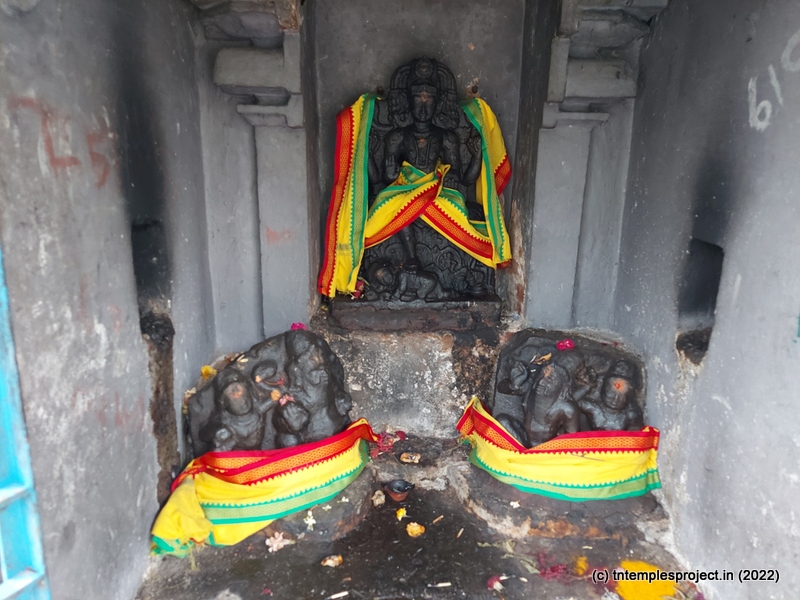
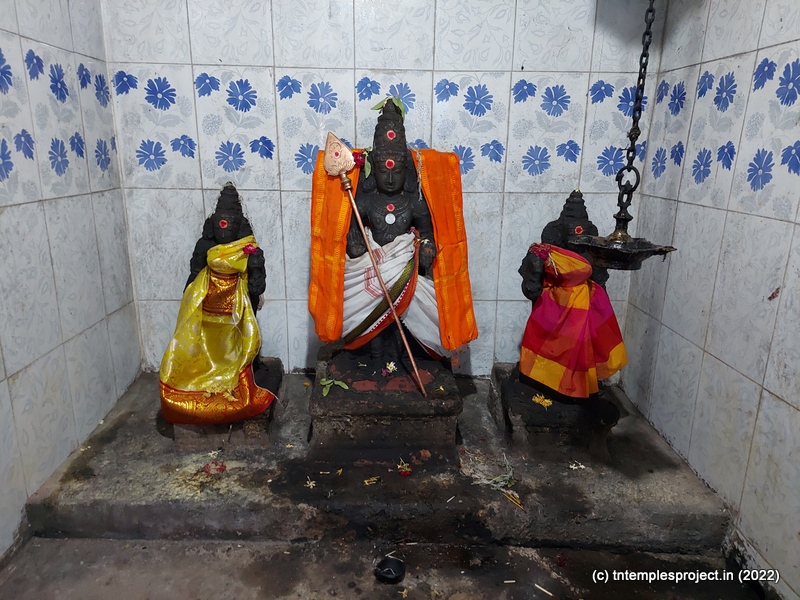
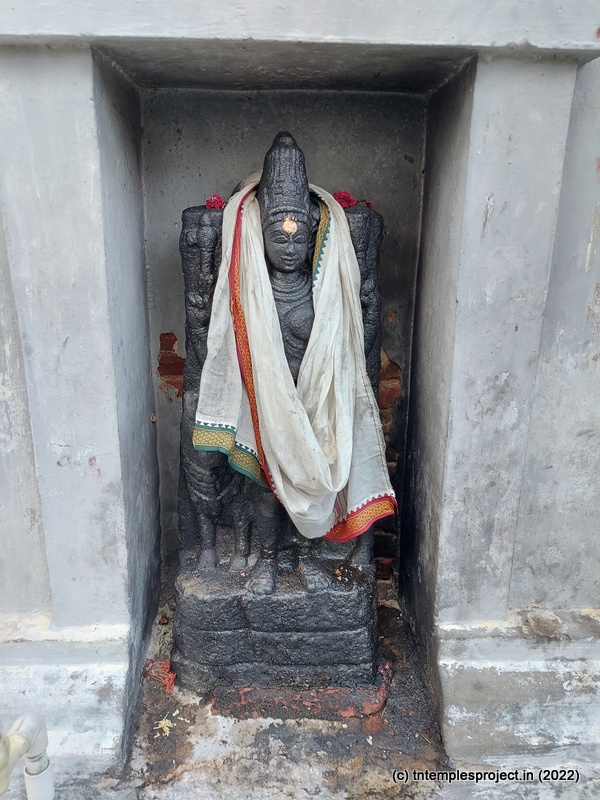
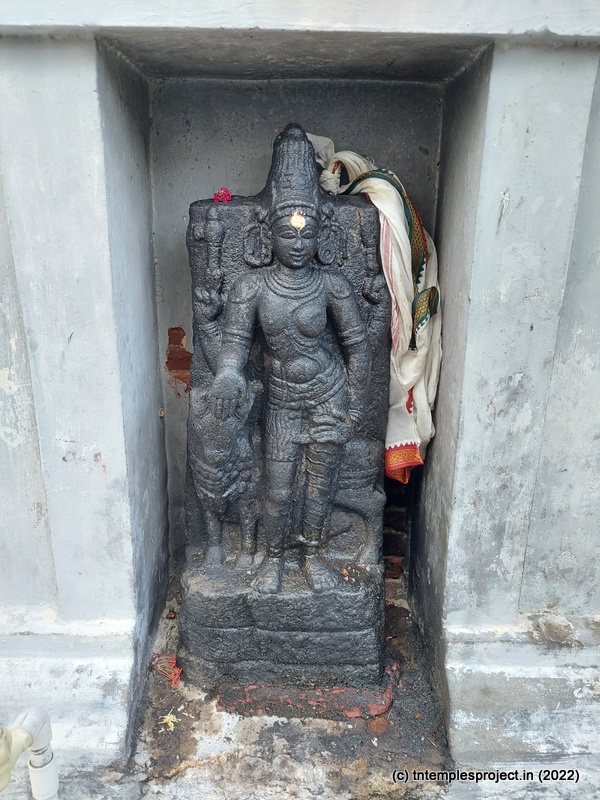
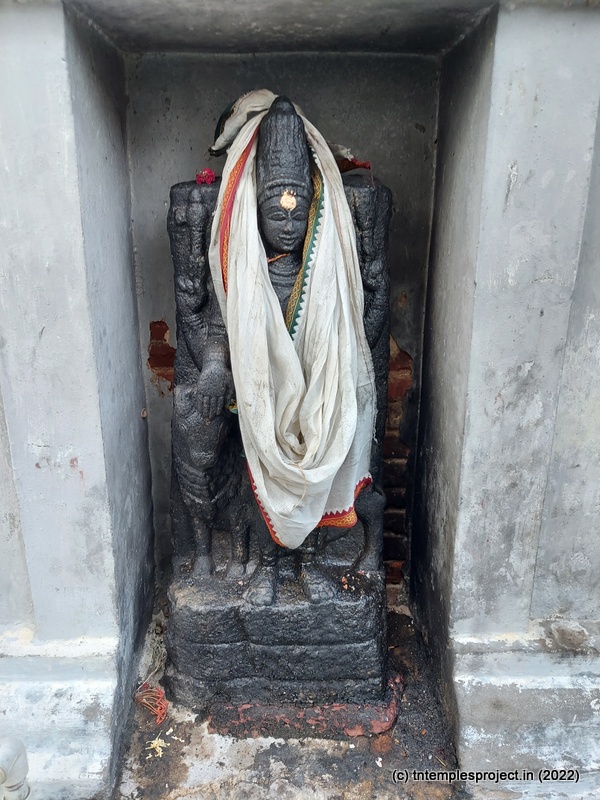
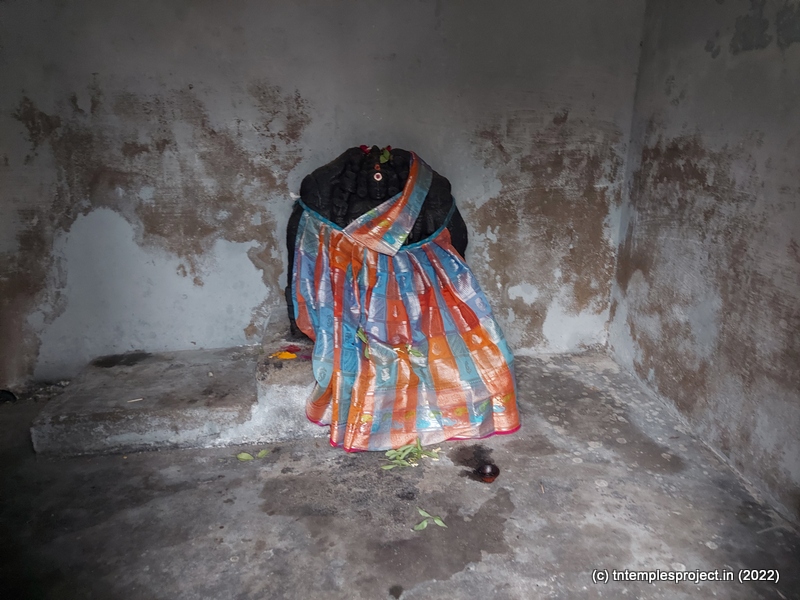
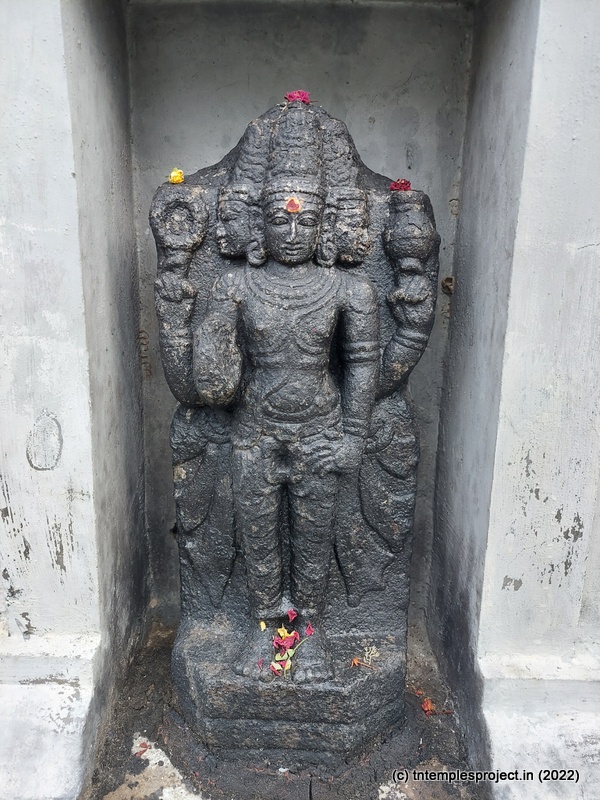
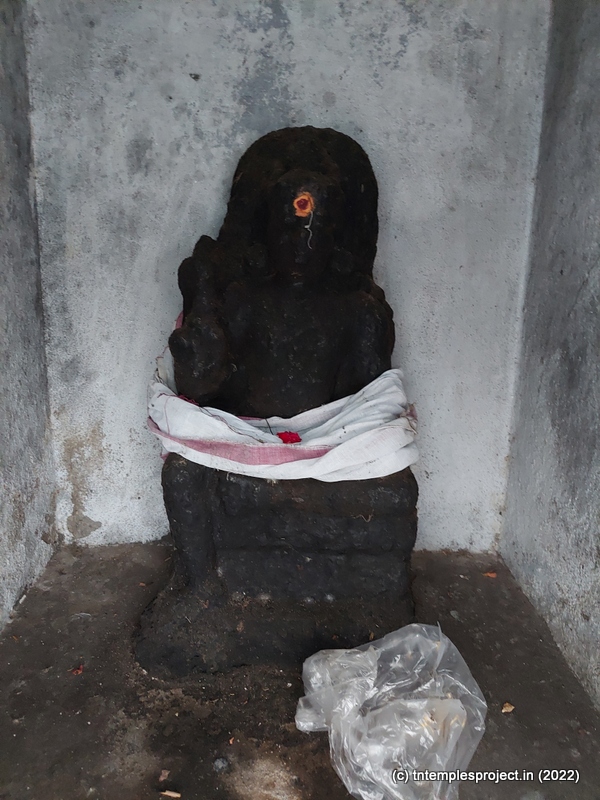
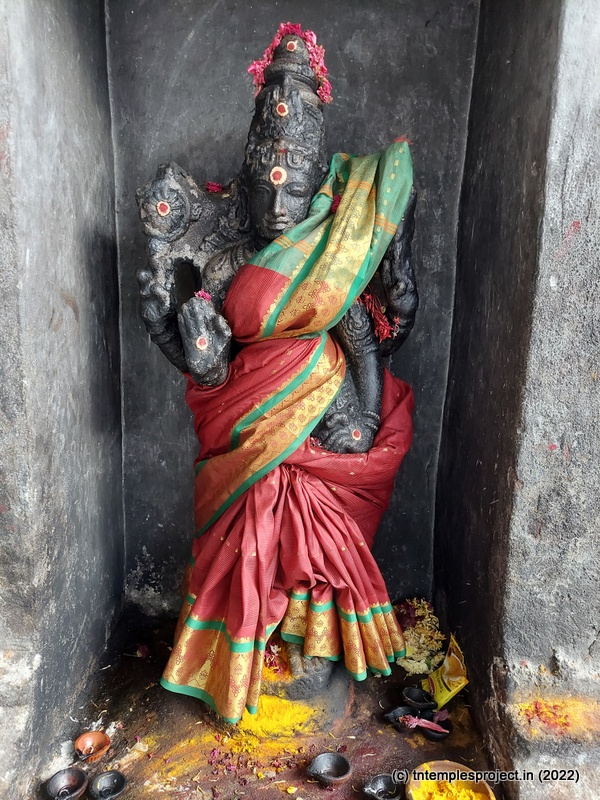
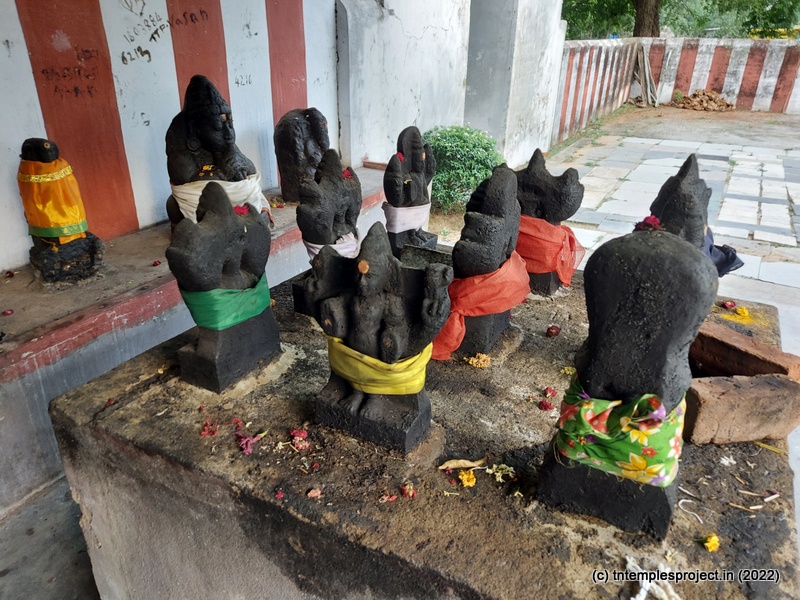
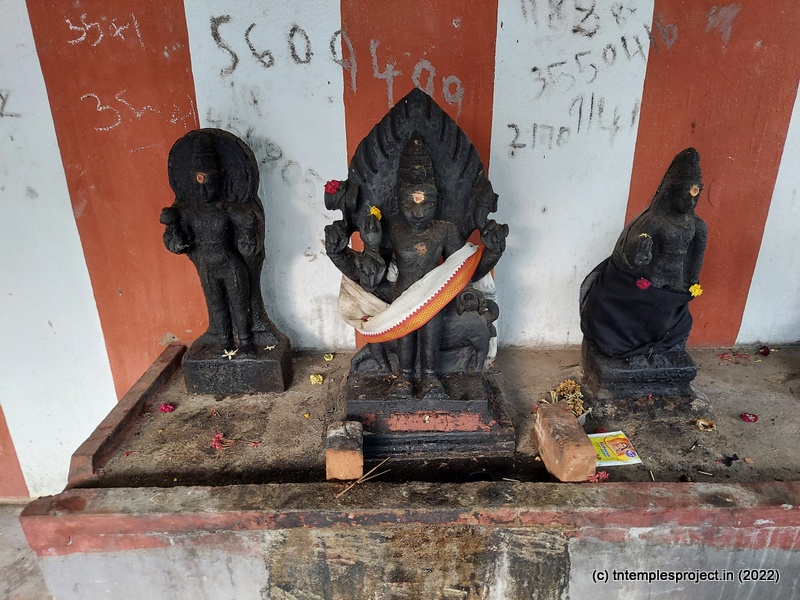
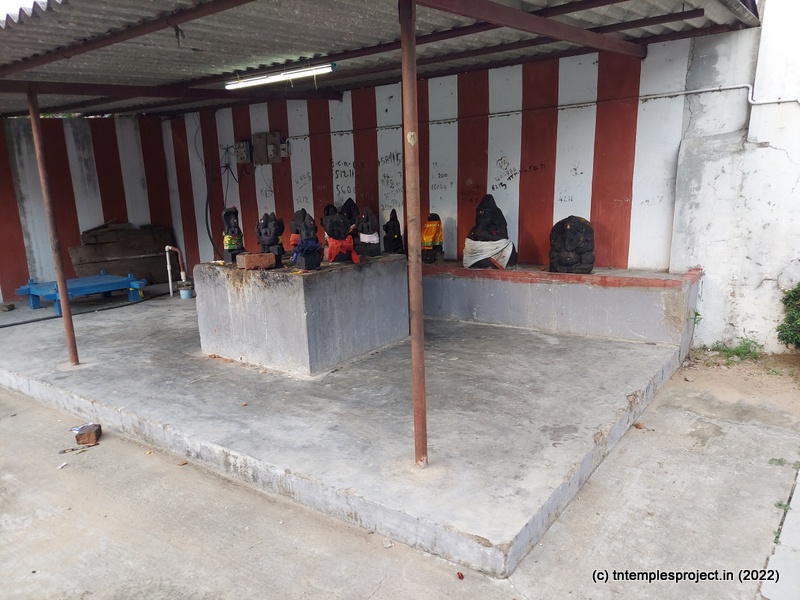
In the koshtam are Dakshinamurti (with the 4 Sanaka rishis) in the south, and Brahma and Durga in the north. In the western koshtam, in place of Lingodhbhavar, there is a beautiful sculpture of Ardhanareeswarar on the Rishabham. In the prakaram are Vinayakar, Murugan with his consorts Valli and Deivanai, Gajalakshmi, and Chandikeswarar. In the north-eastern part of the temple is the navagraham shrine, and also vigrahams of various other deities including Suryan, Bhairavar, Sani, and Vinayakar; and even an interesting one of Lord Siva’s ganas blowing a conch!
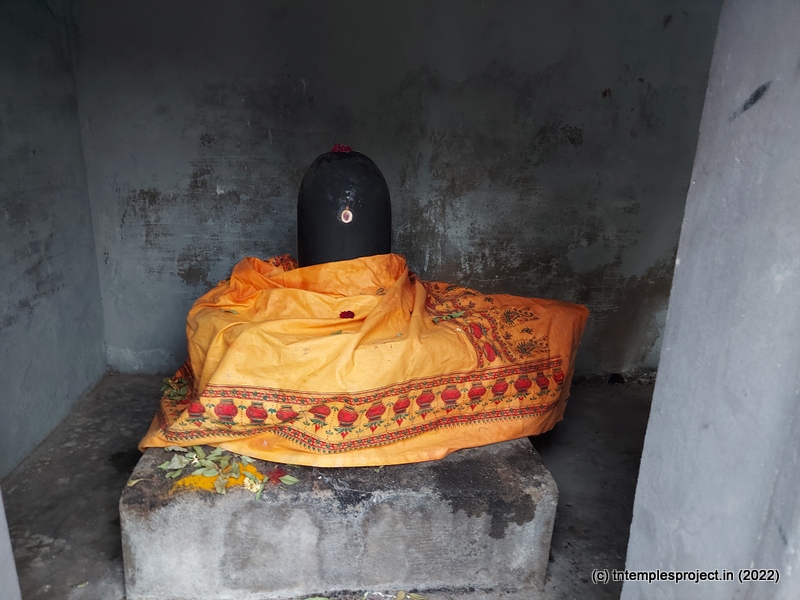
On the 16th, 17th and 18th days of the Tamil month of Chithirai (April-May), the Sun’s rays fall directly on the Siva lingam, and devotees from nearby throng the temple for this occasion. At one time, this temple was also famous for the annabhishekam (abhishekam using cooked rice) for the moolavar, in the Tamil month of Aippasi (October-November), which has been a regular feature in that month for more prominent Siva temples, indicating this used to be a very famous temple at one time.
 TN Temples Project