Basic information about the temple
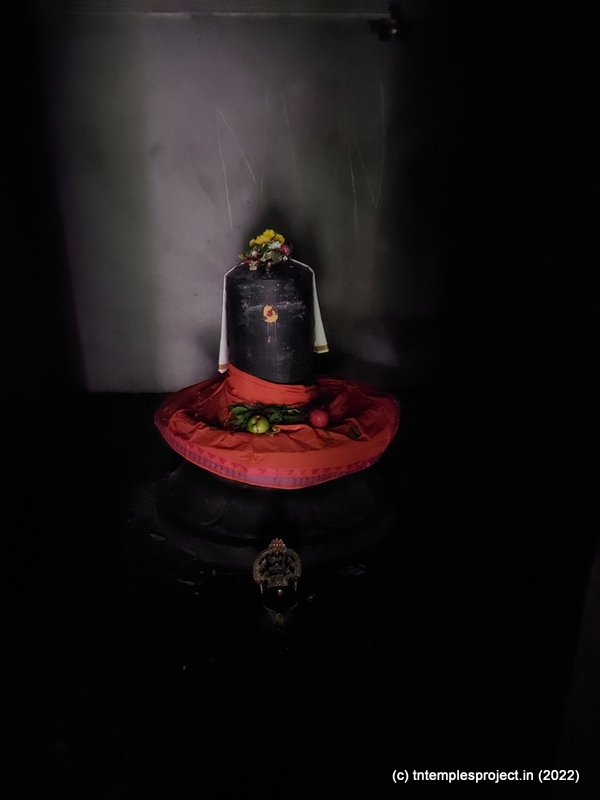
| Moolavar: | Nitheeswarar | Ambal / Thayar: | Brihan Nayaki |
| Deity: | Siva | Historical name: | |
| Vriksham: | Teertham: | ||
| Agamam: | Age (years): | Timing: | – to – & – to – | Parikaram: |
| Temple group: | – | ||
| Sung by: | Temple set: | ||
| Navagraham: | Nakshatram: | ||
| City / town: | Srimushnam | District: | Cuddalore |
| Maps from (click): | Current location | Mayiladuthurai (52 km) | Ariyalur (58 km) |
| Kumbakonam (62 km) | Cuddalore (67 km) |
Location
Sthala puranam and temple information
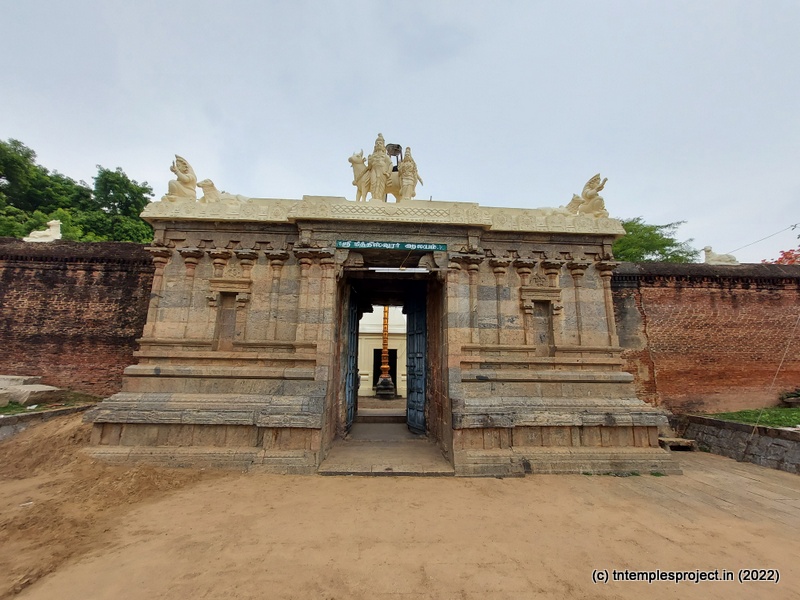
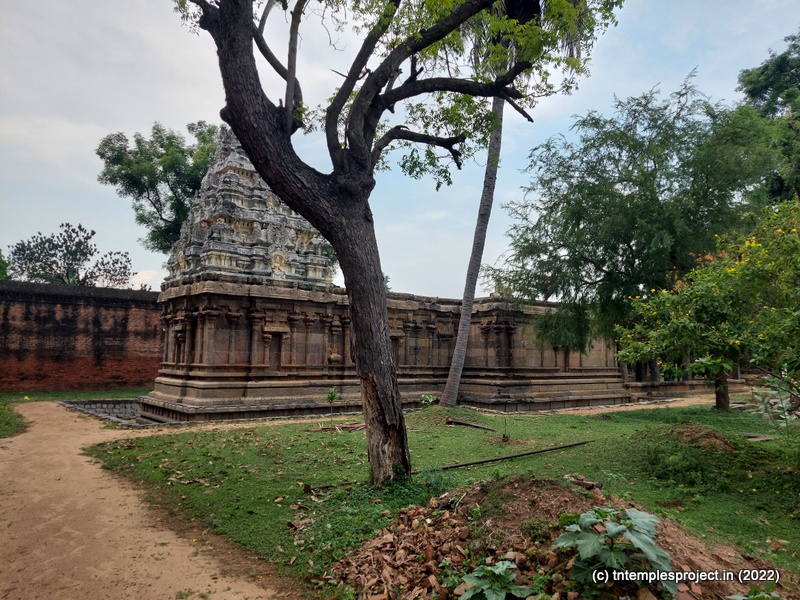
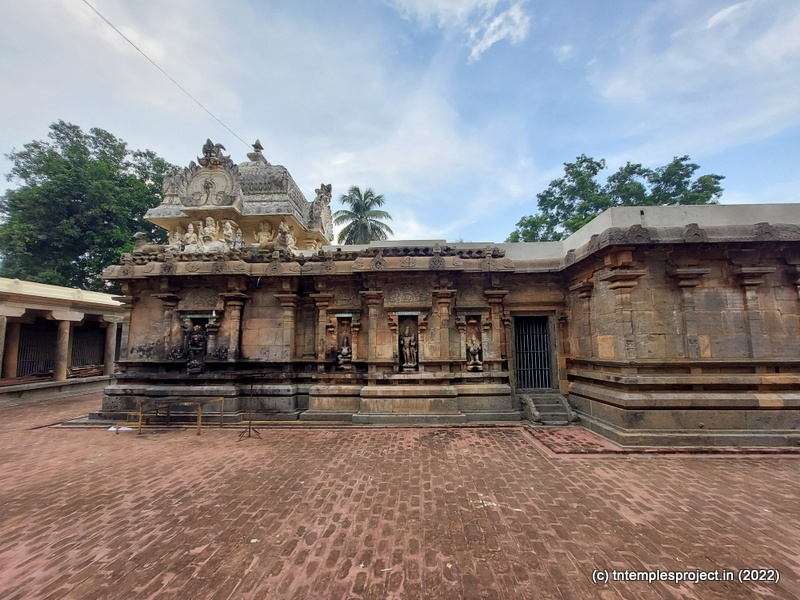
Srimushnam is best known for the Bhuvaraha Perumal temple, a Vishnu temple associated with the varaha avataram which forms part of the Dasavataram. However, visitors here tend to miss the architectural marvel that is the Nitheeswarar temple for Lord Siva, located right behind the Perumal temple (ie, to the east).
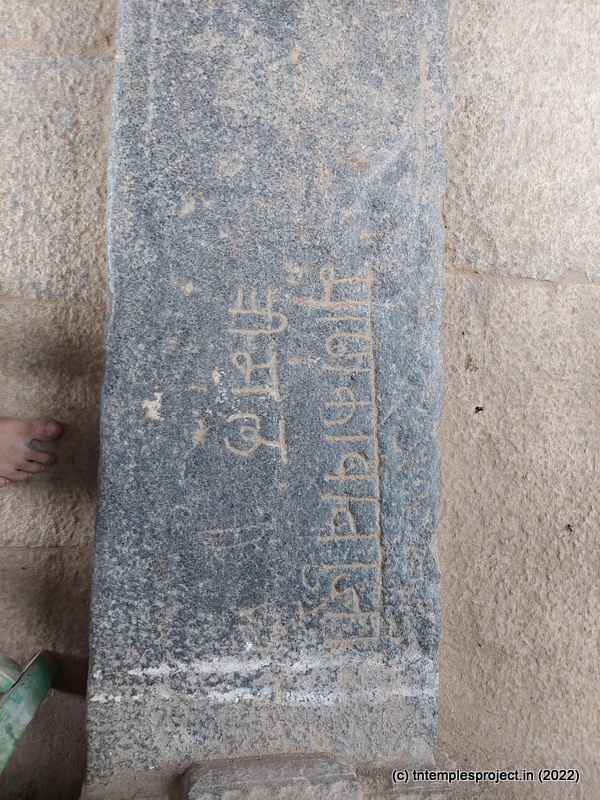
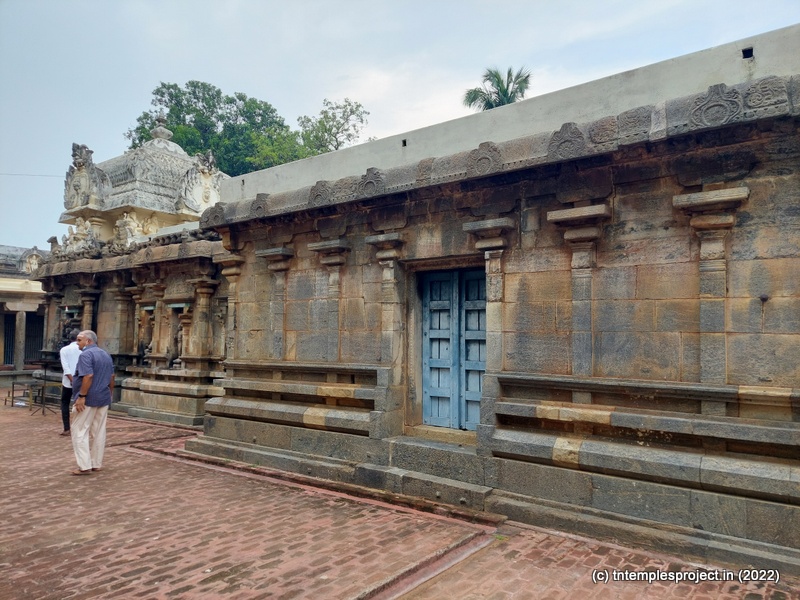
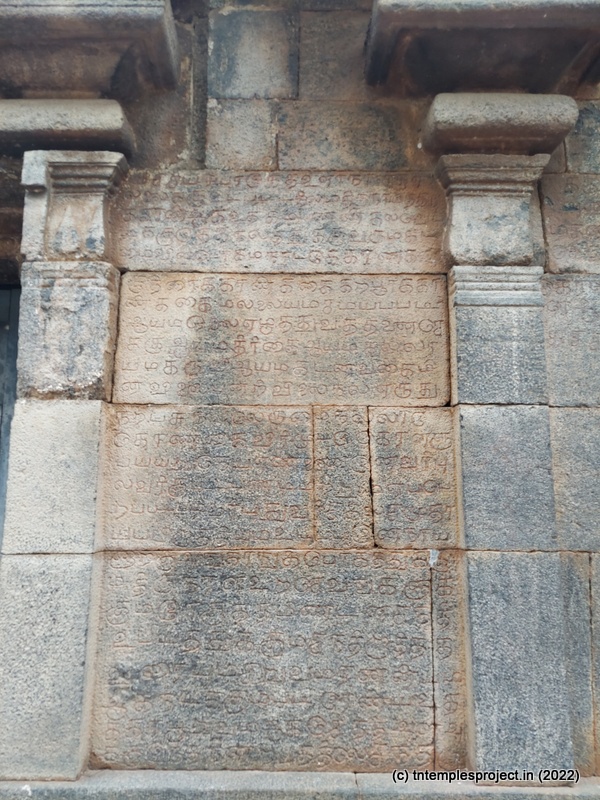
There is no recorded sthala puranam for this temple. Based on inscriptions here, the structural temple is dated to about 1070 CE, in the time of the Chola kings Veera Rajendra and Kulothunga Chola I. The latter’s rule saw the separation of villages, the reduction of levies, and the continuous patronage of the temples, as documented in inscriptions here. At one time, the deity here used to be known as the Mahadevar of Siva Tirumuttam, reflecting the name of the place at that time.
The history of the place and its etymology are equally interesting. In the time of Kulothunga I’s reign, this place used to be called Irungolappadi, Tirumuttam, Irungolappadi Nadu, etc. During Kulothunga’s time, the land was divided into two regions for taxation purposes, and the place where this temple is, was left untaxed – as a result, this place got the name Sungam Thavirtha Chola Nallur! Later, up to the time of the Vijayanagara Dynasty, the place was called Tirumuttam.
From the layout of the temple and also some of the inscriptions here, there is a very strong possibility that the original temple had only the shrine for Lord Siva, and the Amman shrine was a separate, later addition. This also suggests that the original temple would have been older than 1070 CE.
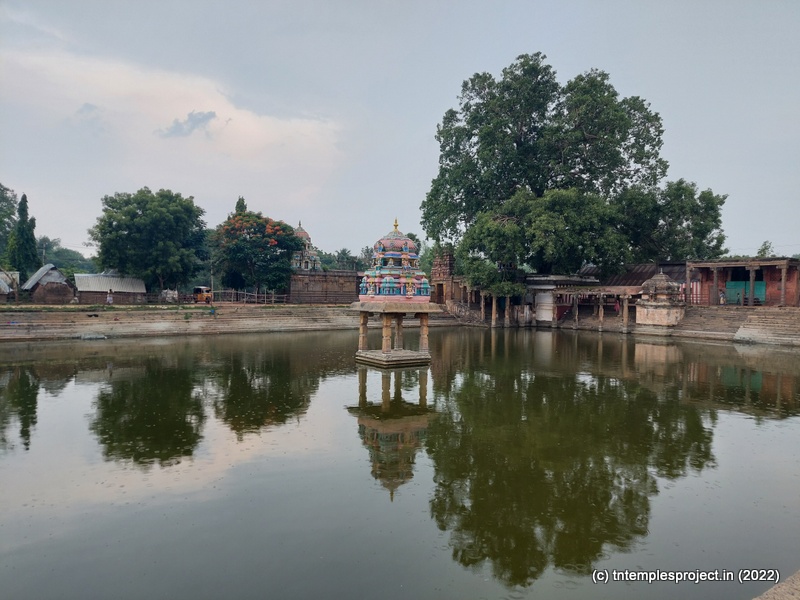
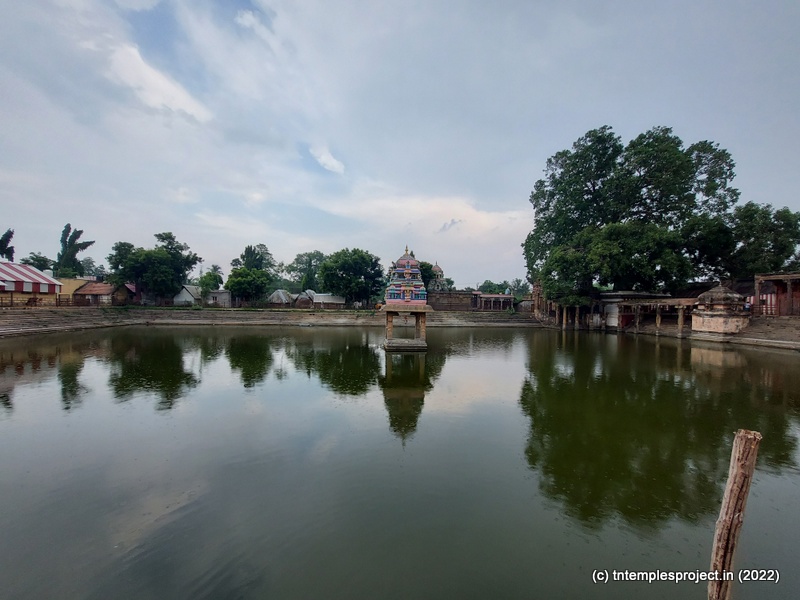
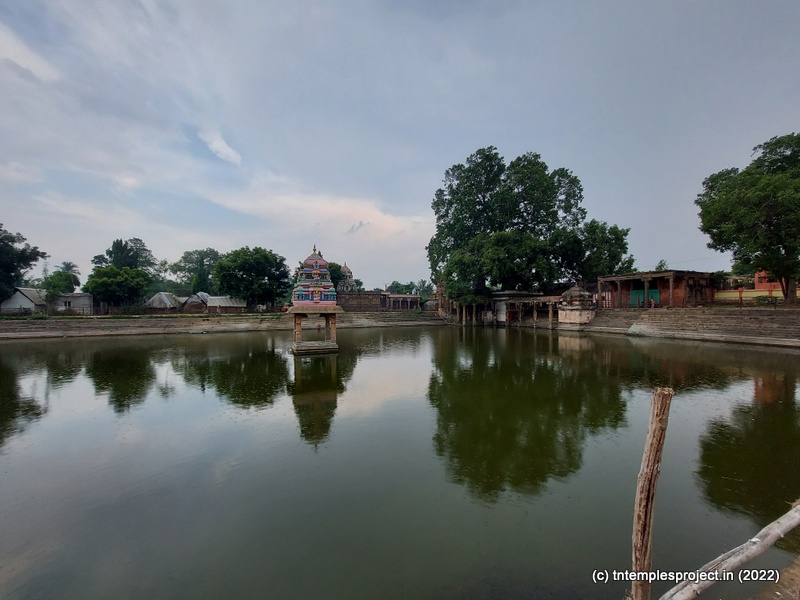
The temple faces east, and to the immediate east is the Nitya Pushkarini, which serves as the Teertham for both this temple and the Bhuvaraha Perumal temple. According to the sthala puranam of the Lakshmi Narasimhar temple at the southeast corner of the Teertham, the Nitya Pushkarini was formed from the sweat of Varaha, after His battle with the asura Hiranyakshan.
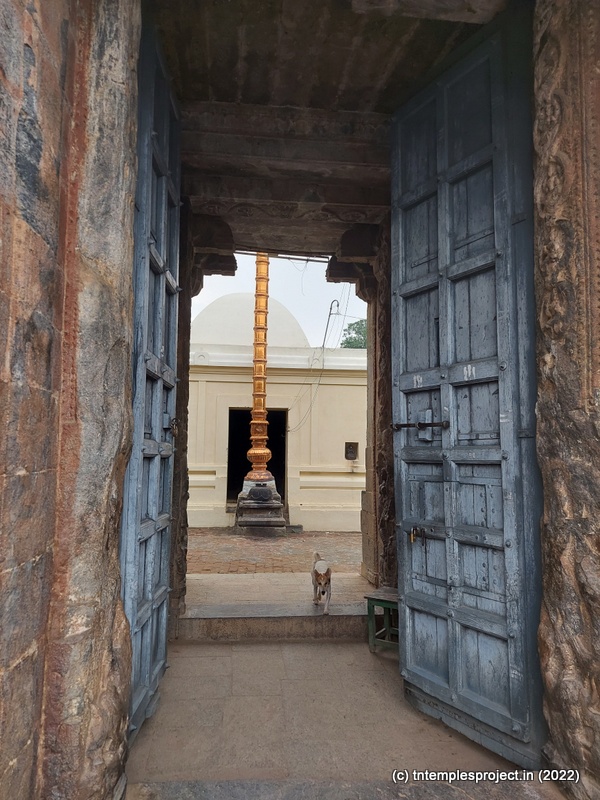
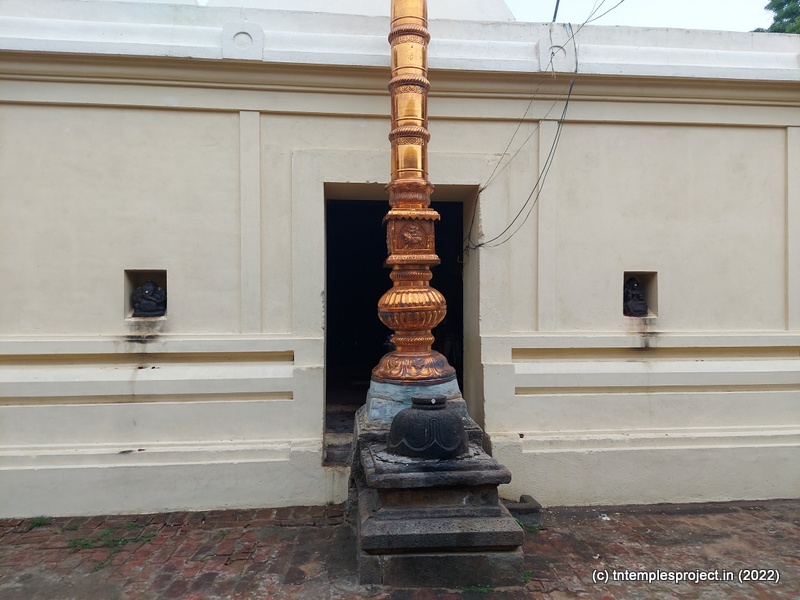
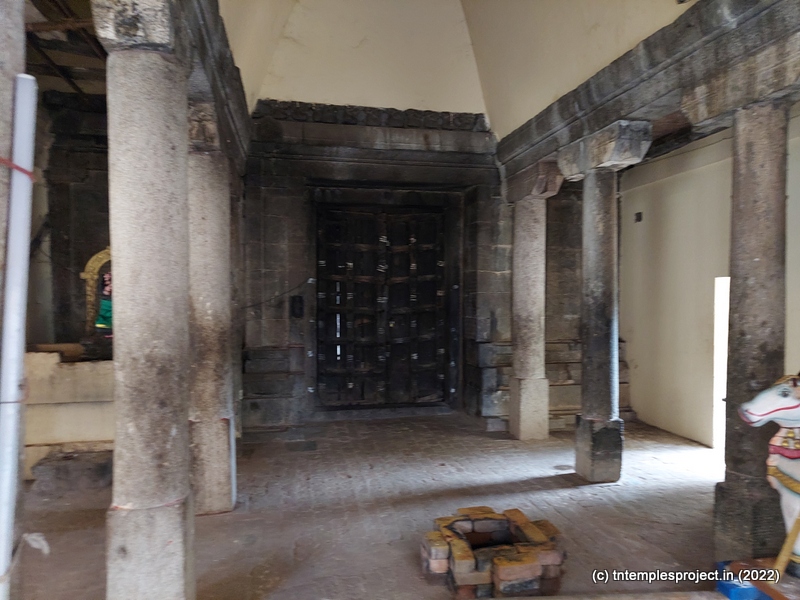
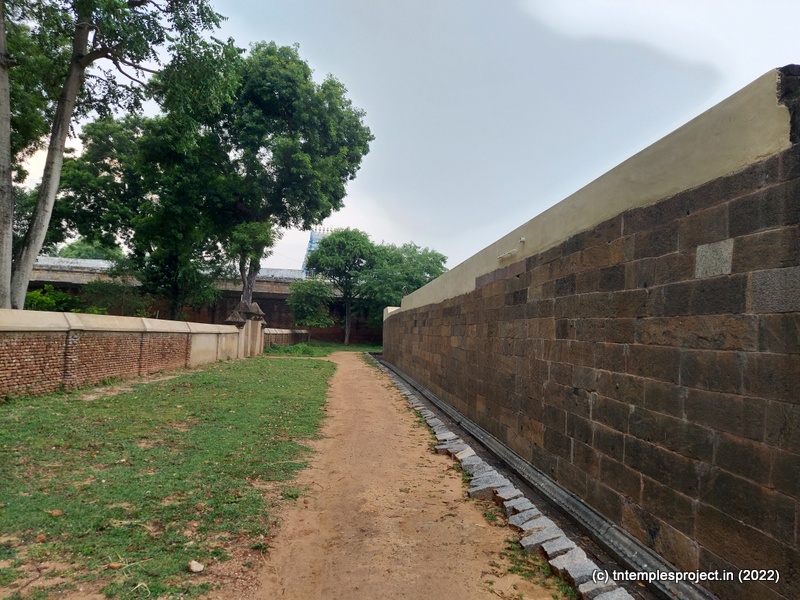
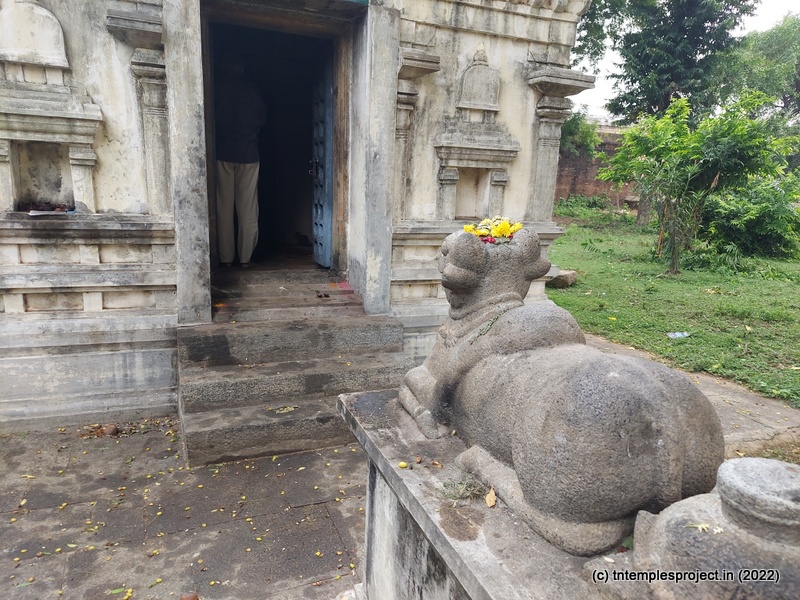
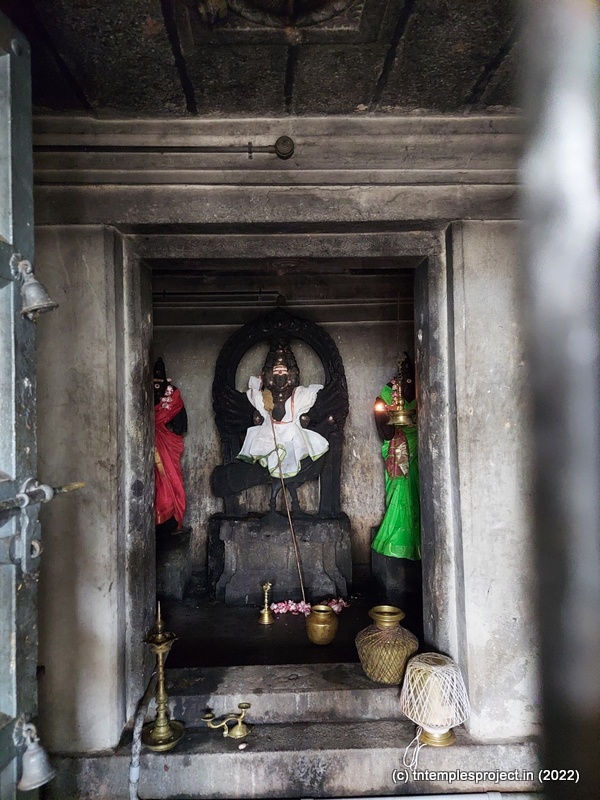
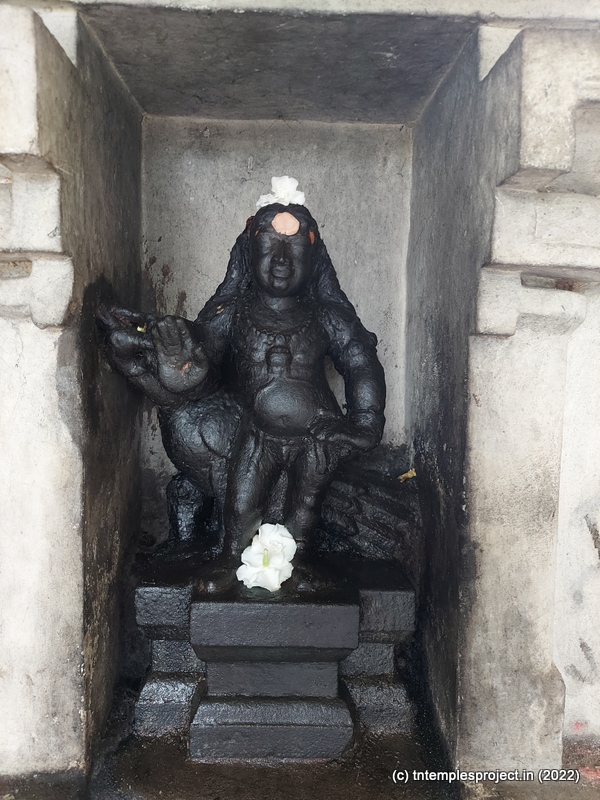
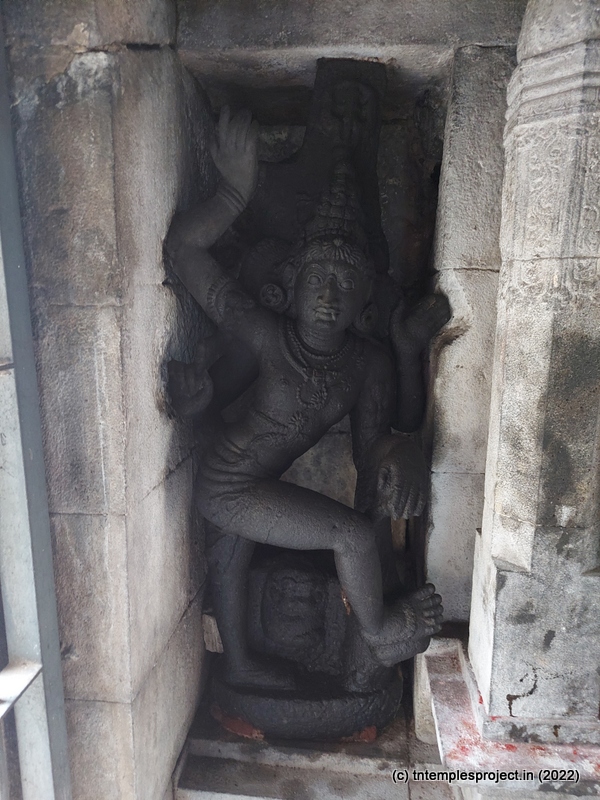
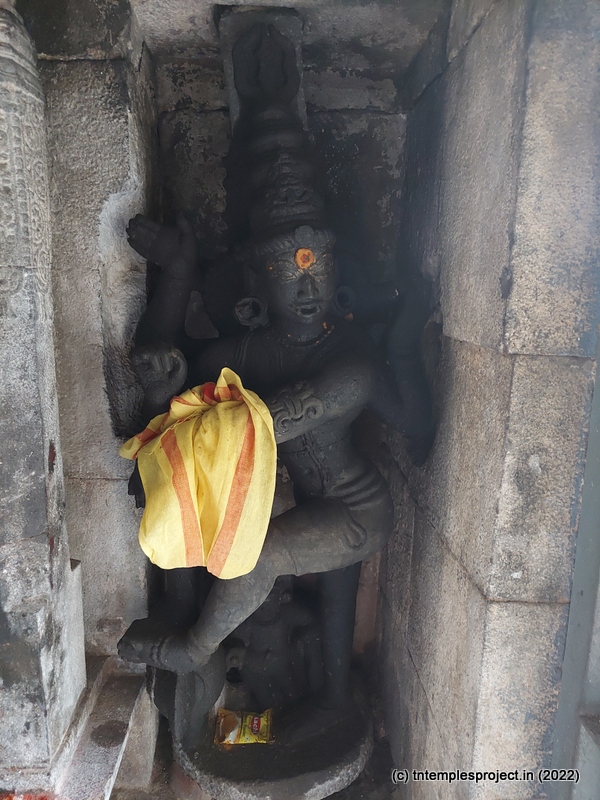
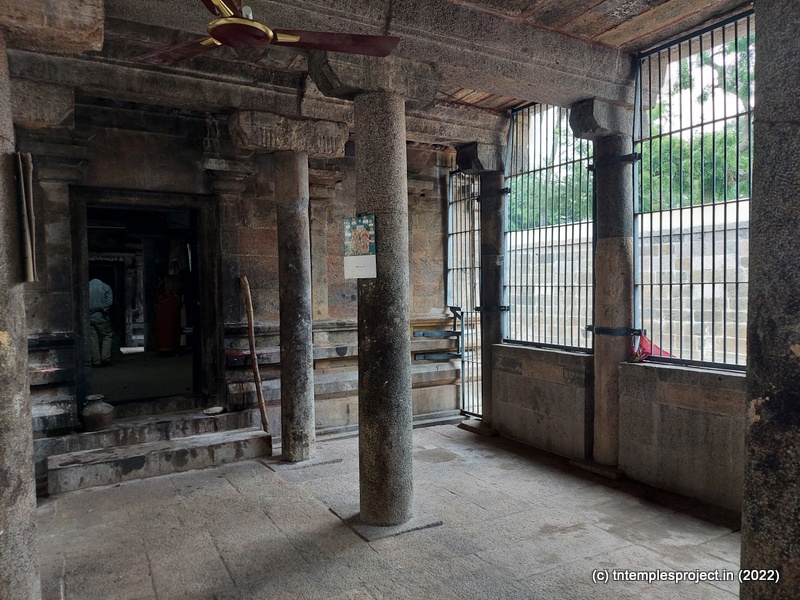
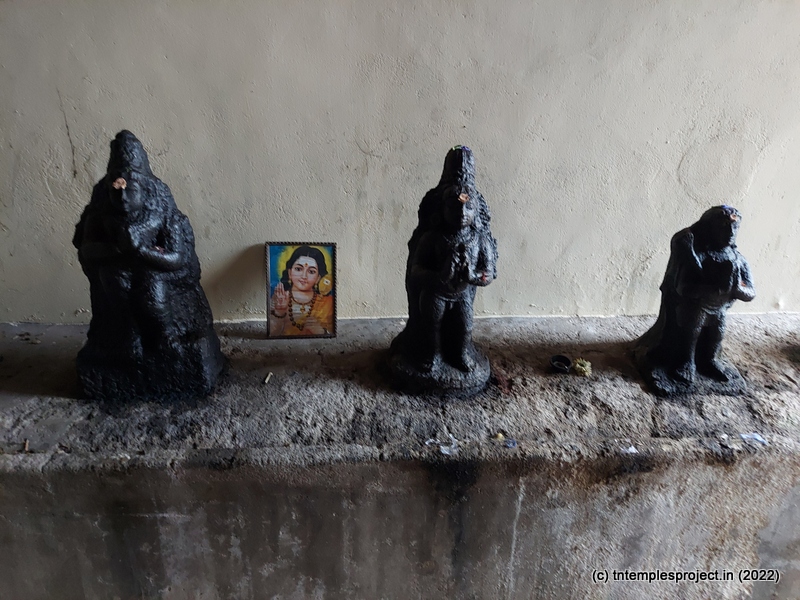
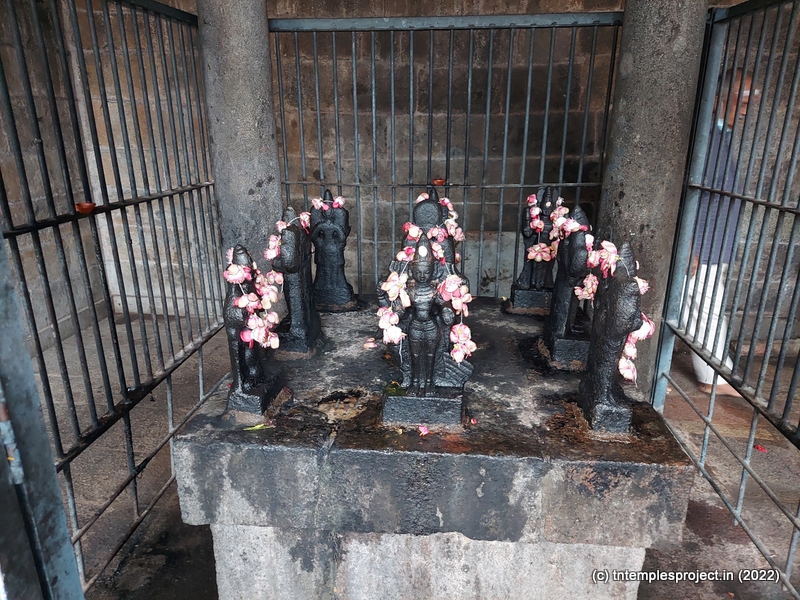
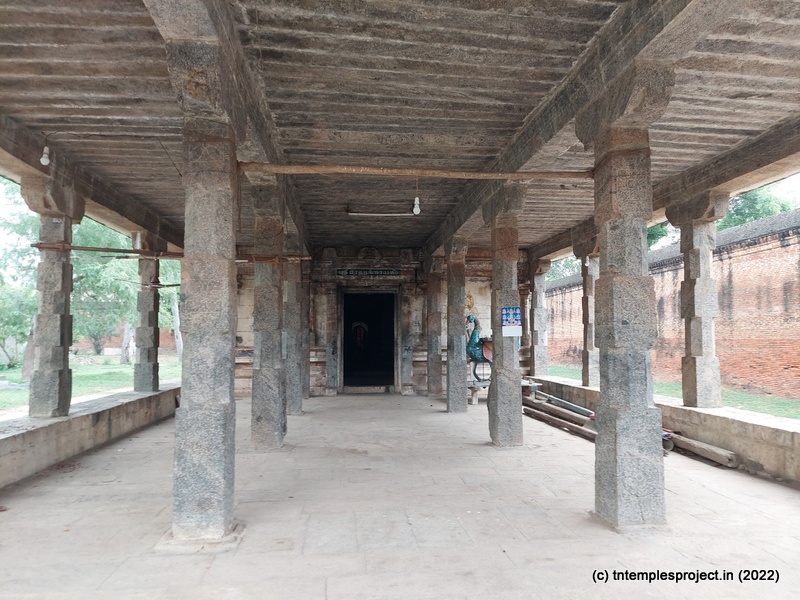
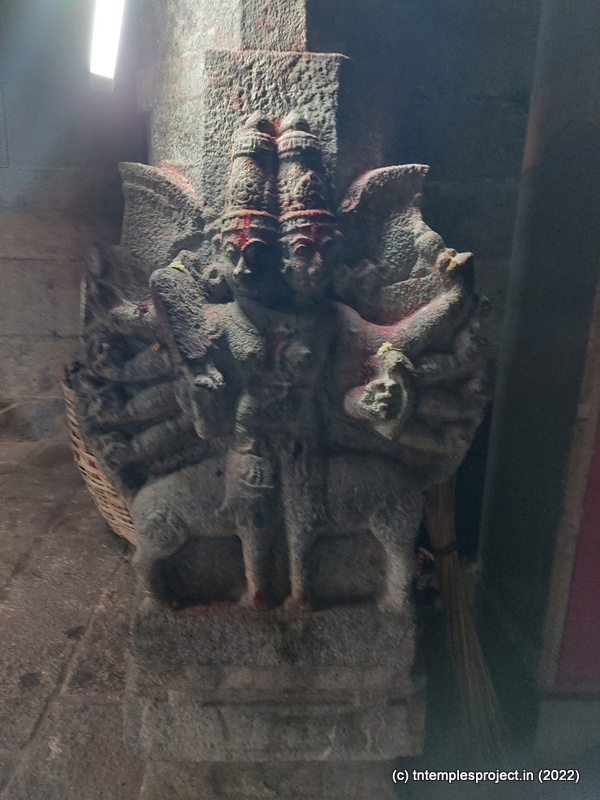
The main shrine is rather simple from the entrance to the garbhagriham, passing through a maha mandapam and an ardha mandapam. Two very differently designed dwarapalakas adorn the sides of the entrance to the garbhagriham, while a row of ganas is on top. In the mandapam are vigrahams of the Tevaram moovar as well as other deities such as Suryan, Chandran and Bhairavar.
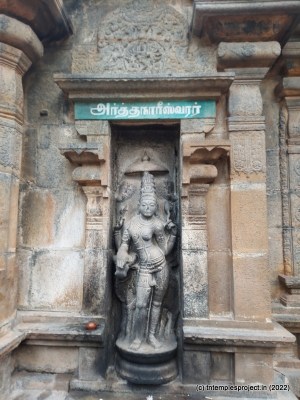
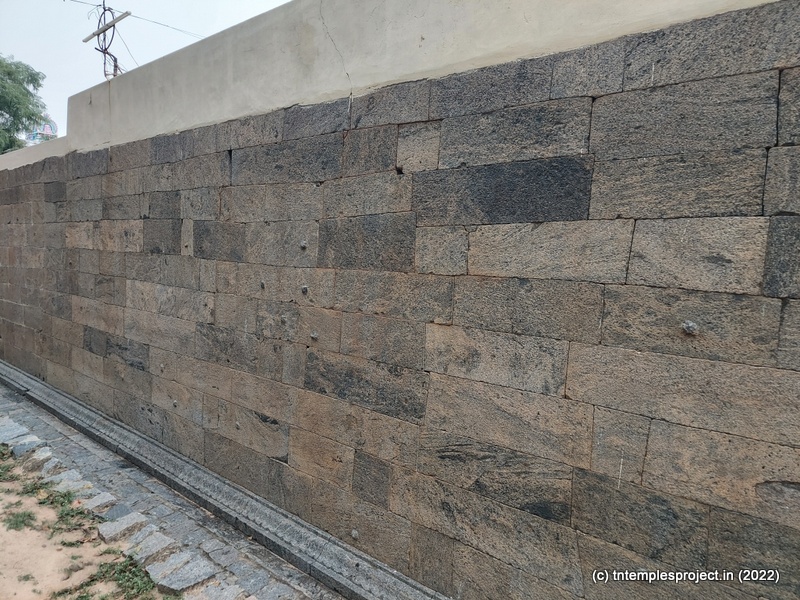
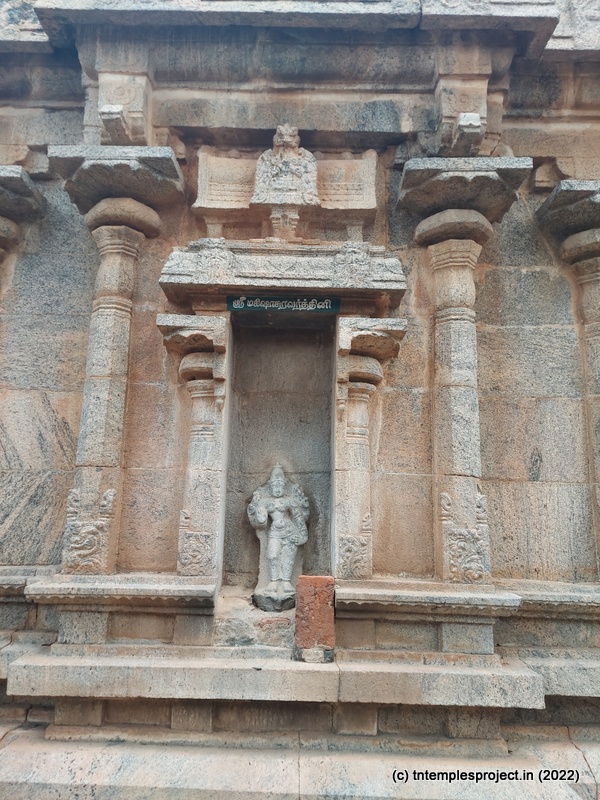
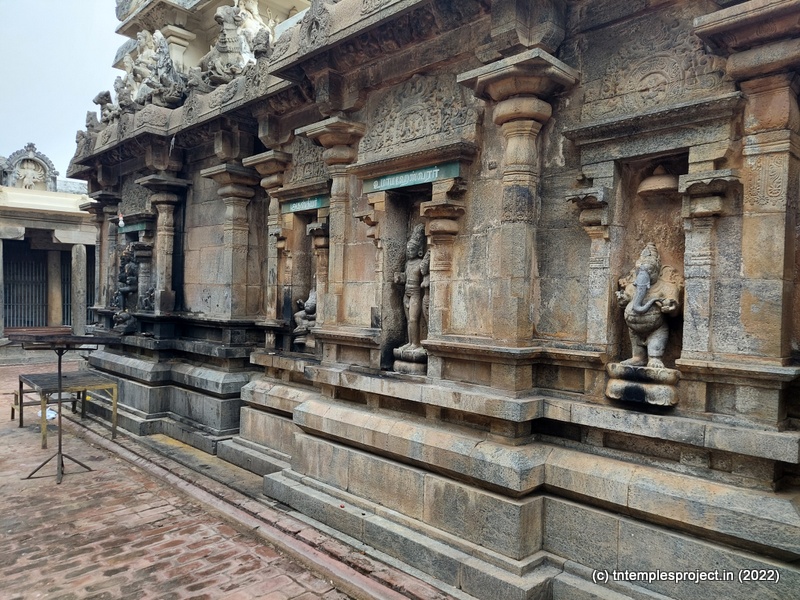
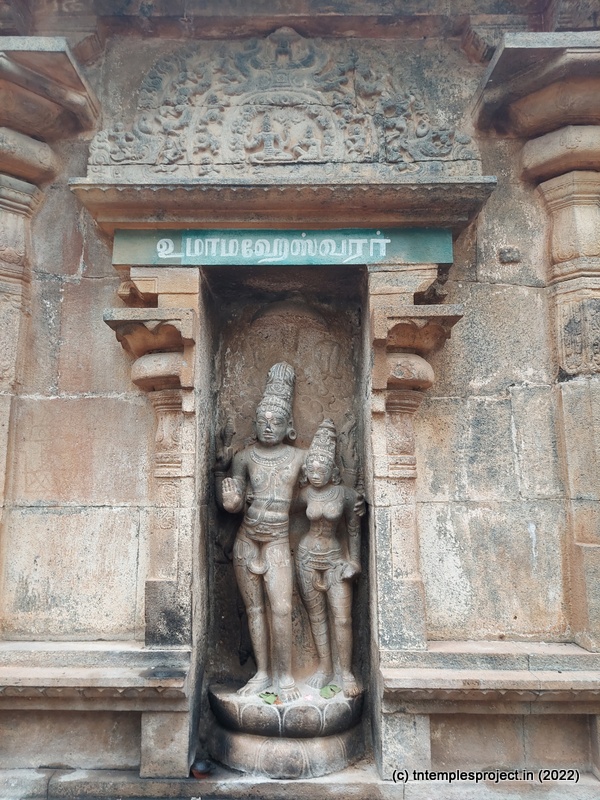
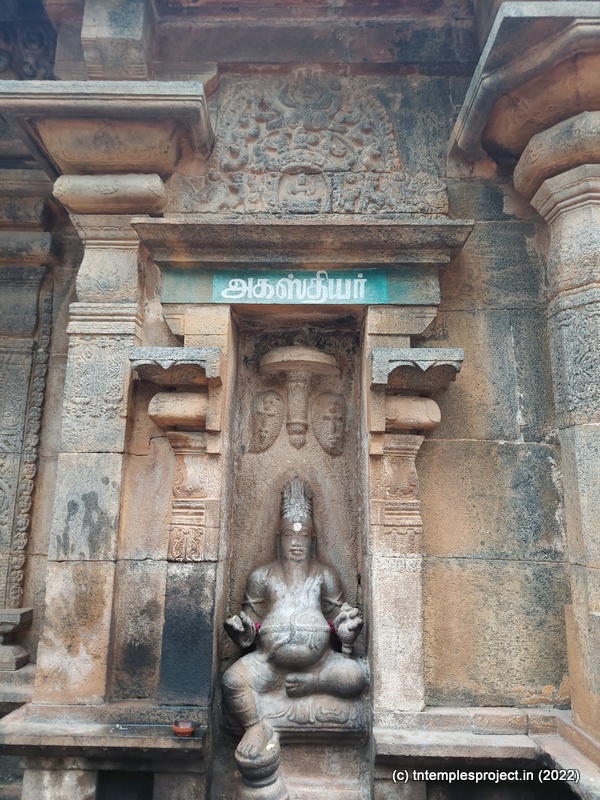
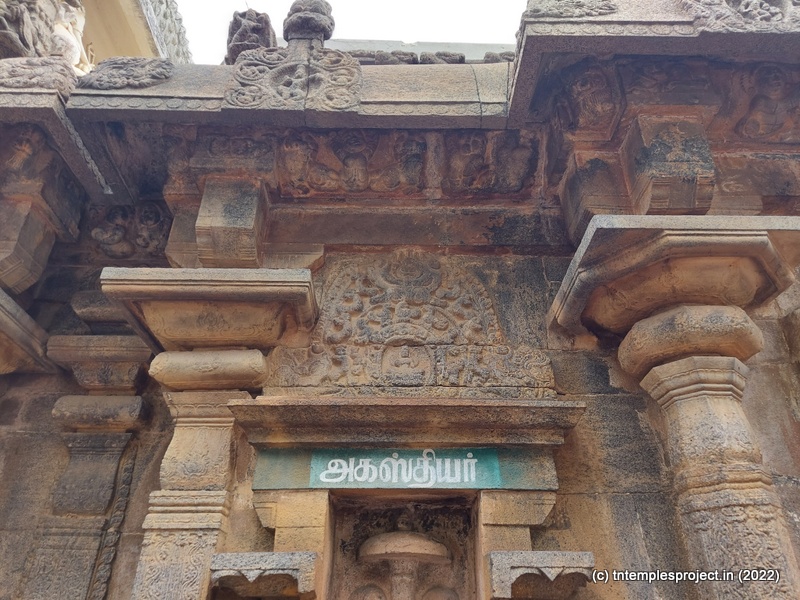
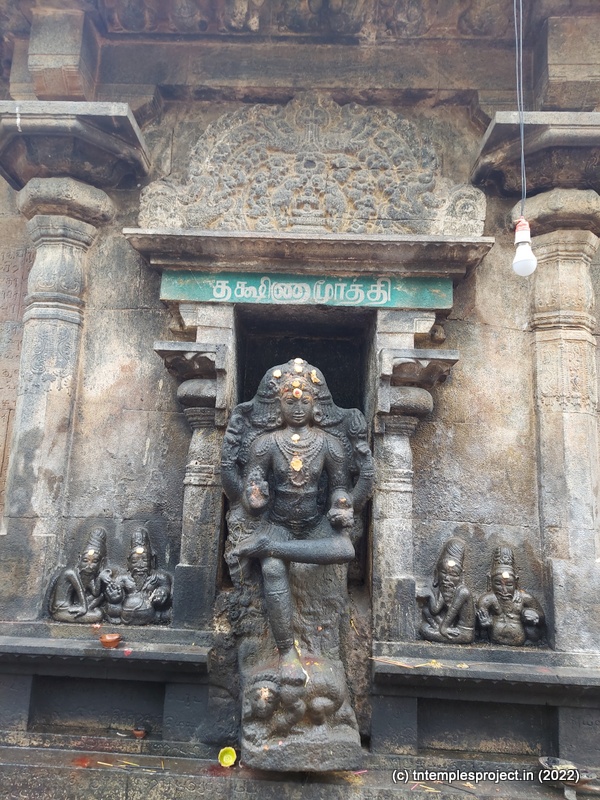
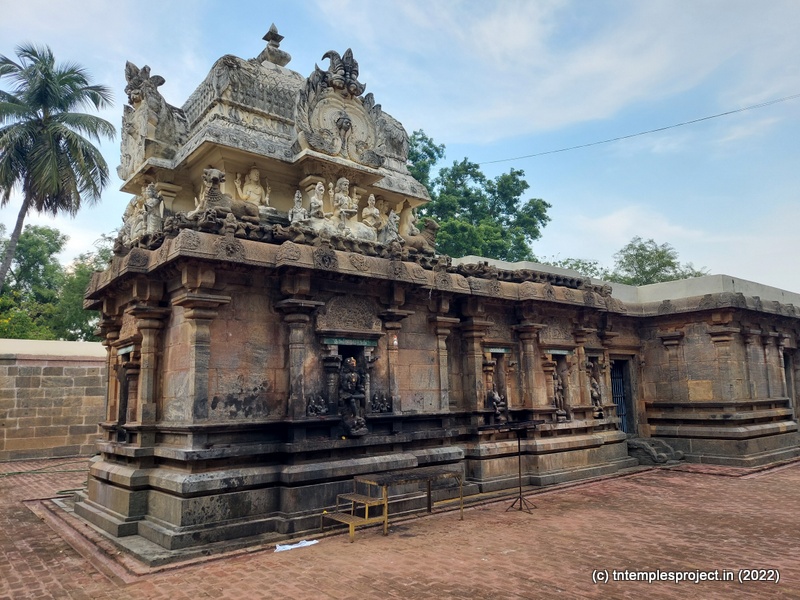
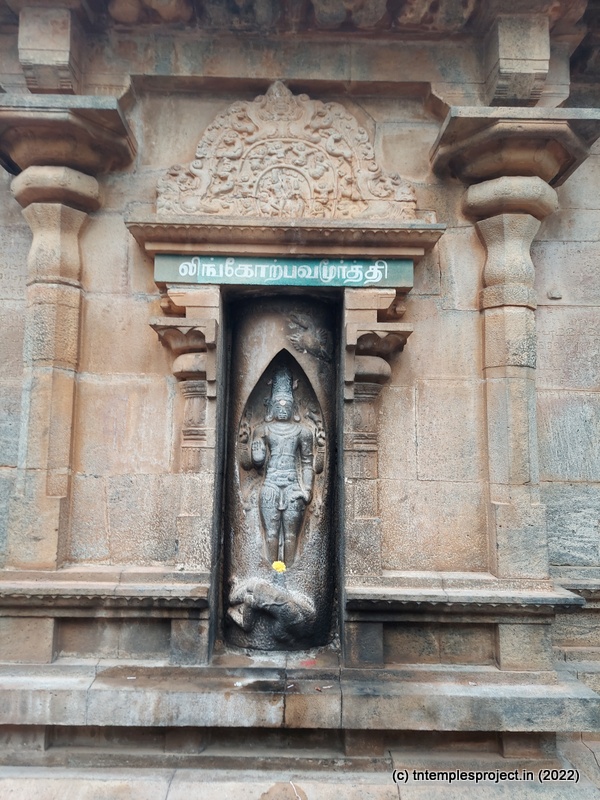
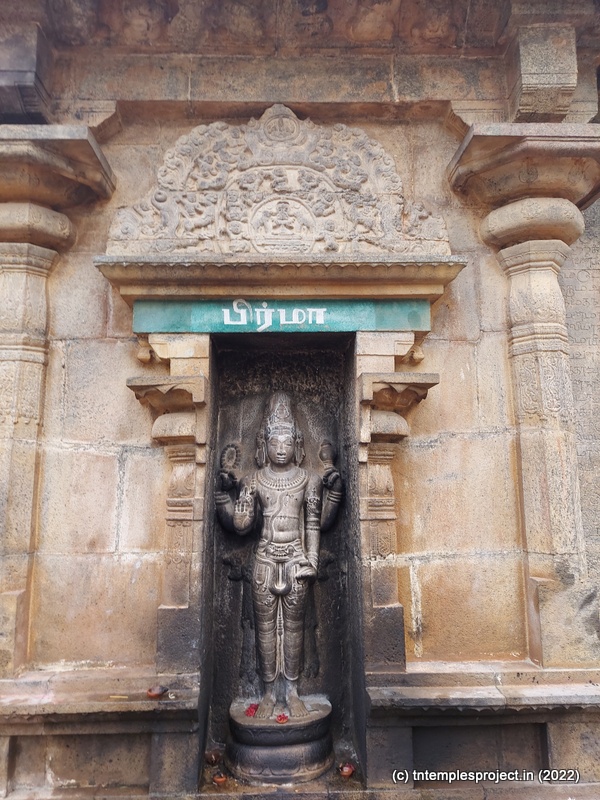
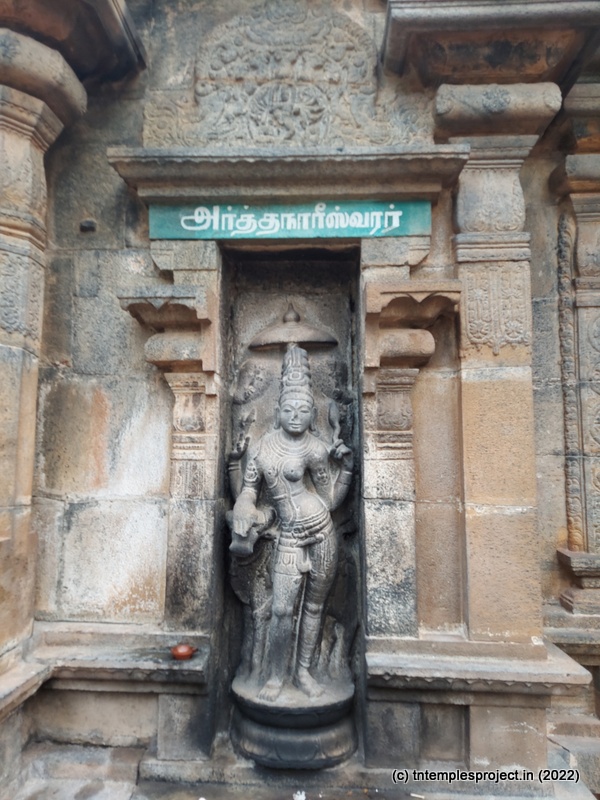
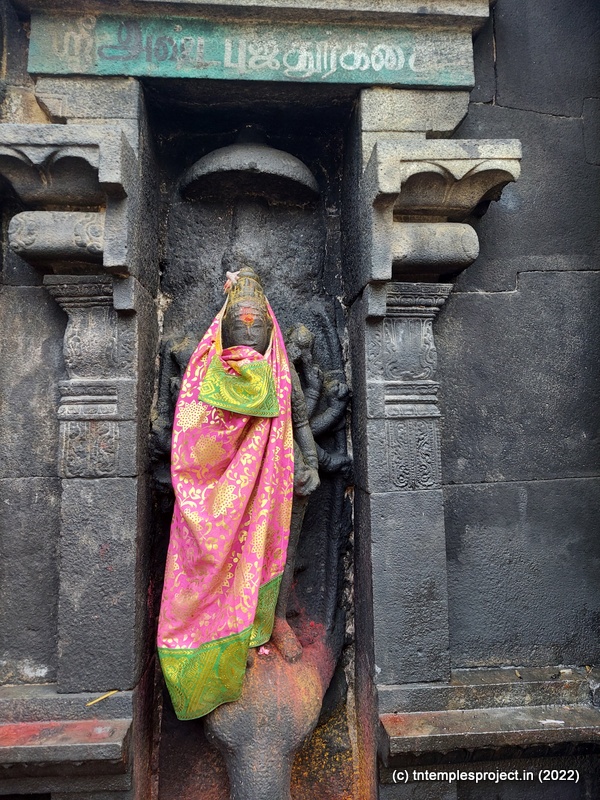
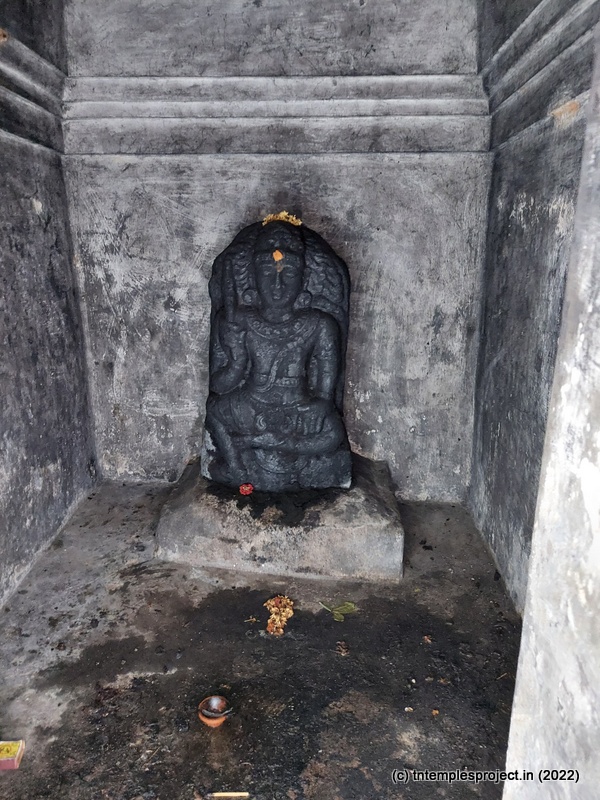
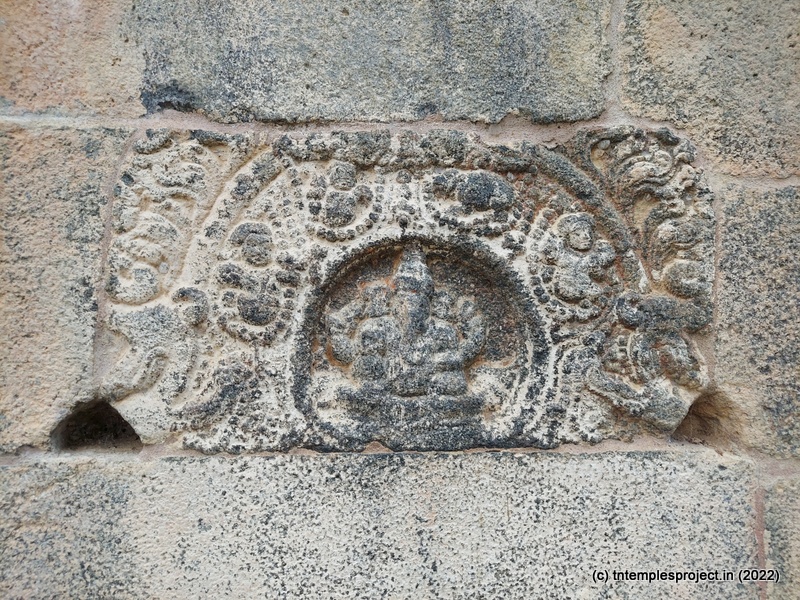
Nine vigrahams adorn the koshtams around the sanctum – Vinayakar, Uma Maheswarar, Agastyar, Dakshinamurti, Lingodhbhavar, Brahma, Ardhanareeswarar, and Ashta Bhuja Durgai are beautifully sculpted, while the ninth is an unidentifiable mass of stone. There are also several inscriptions on the outer walls of the garbhagriham.
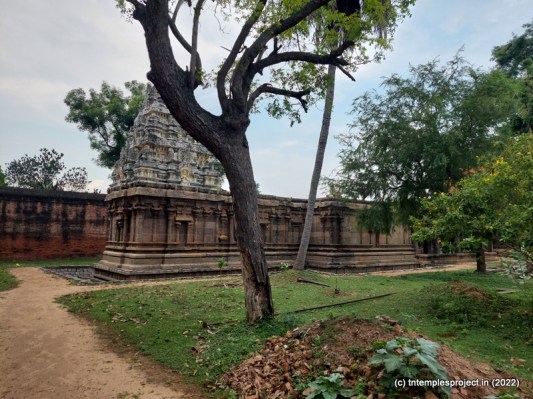
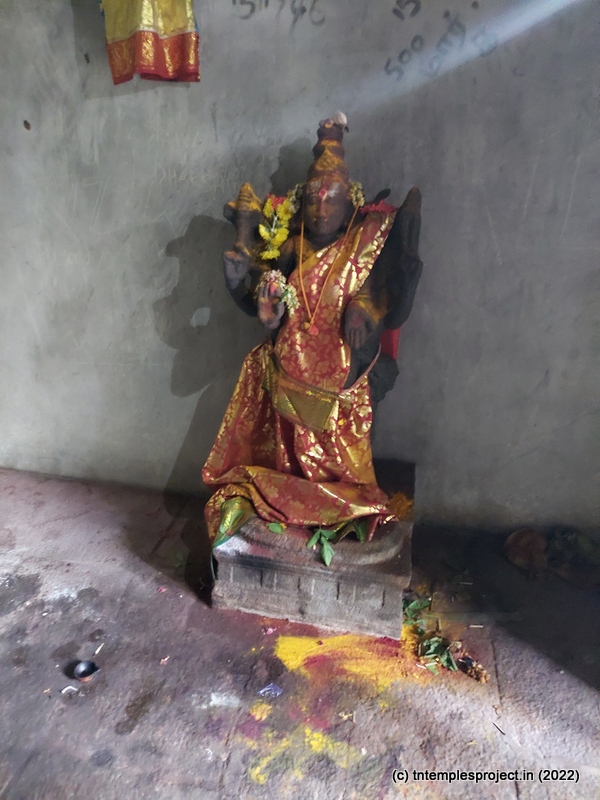
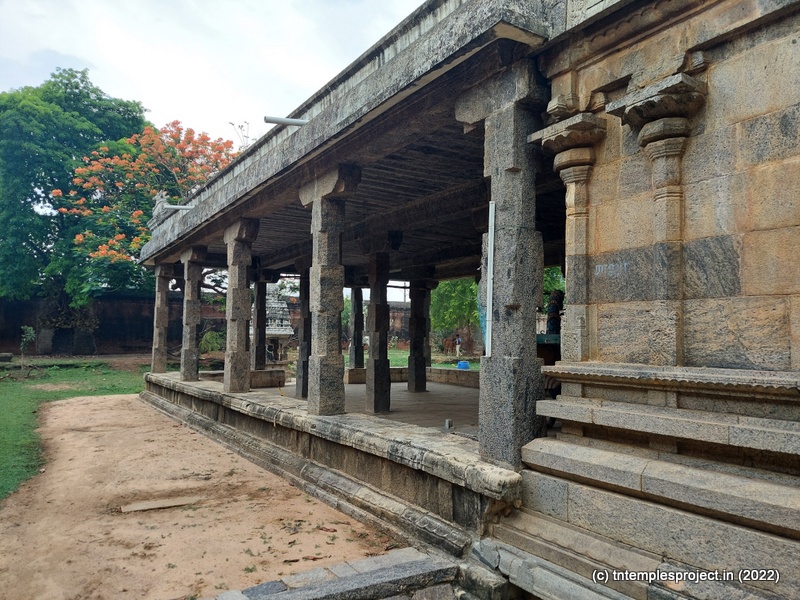
The Amman shrine, also facing east (and therefore representing Siva and Parvati’s kalyana kolam) is simple and elegant, and features a 16-pillared mandapam. Opposite the Amman shrine is a Nagalinga tree, worshipping which (or even simply standing under which) is said to generate vibrations in one’s body, which can cure all illnesses.
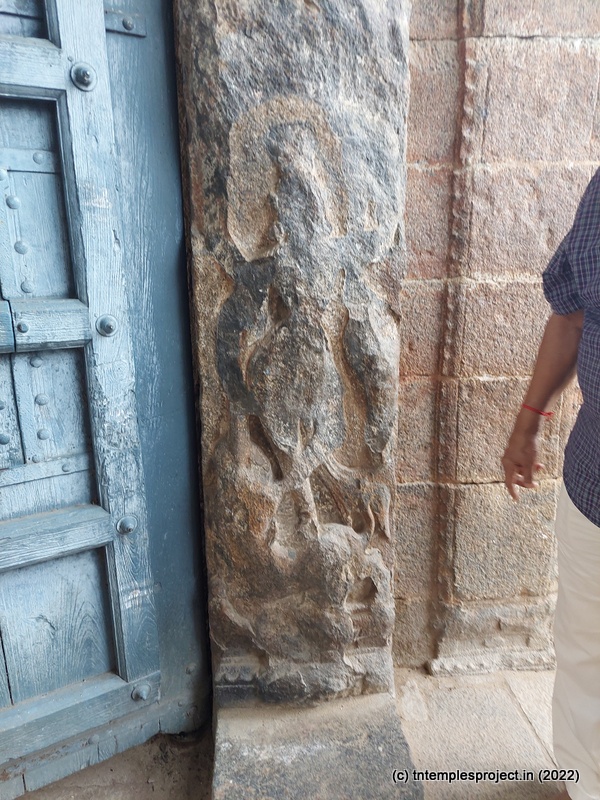
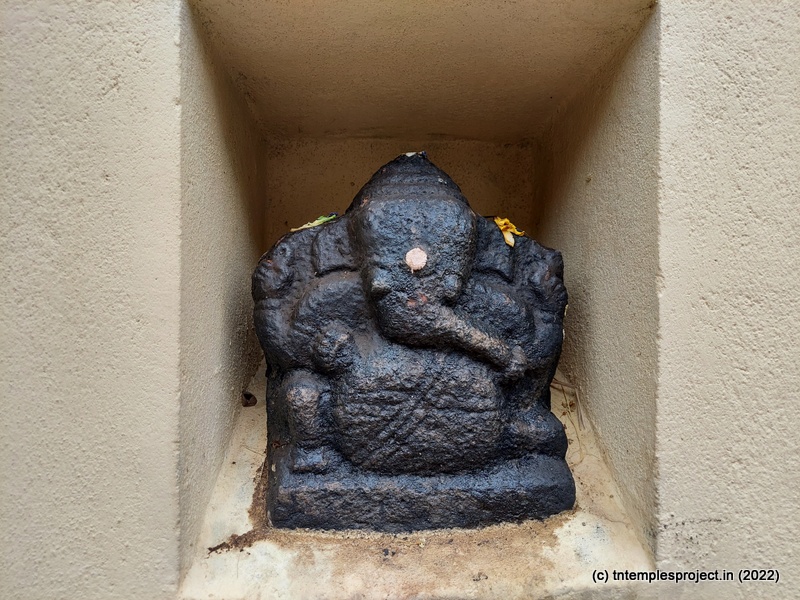
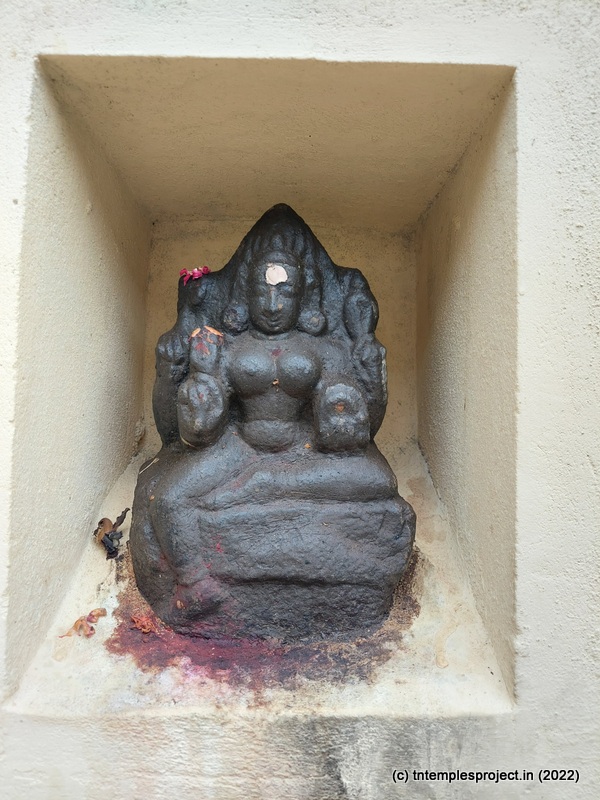
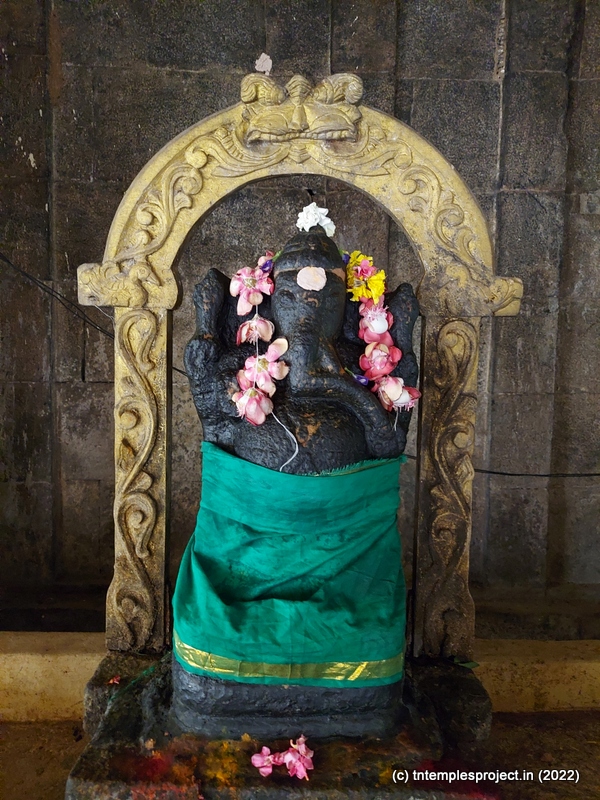
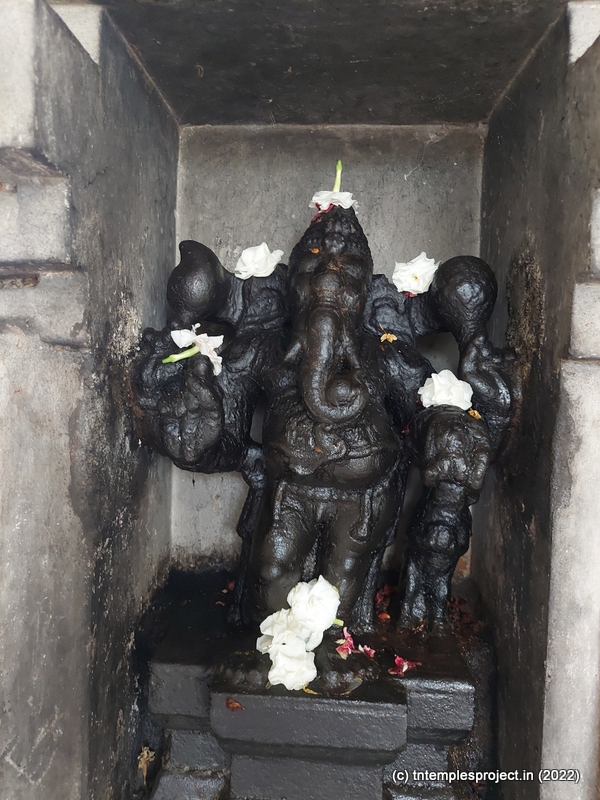
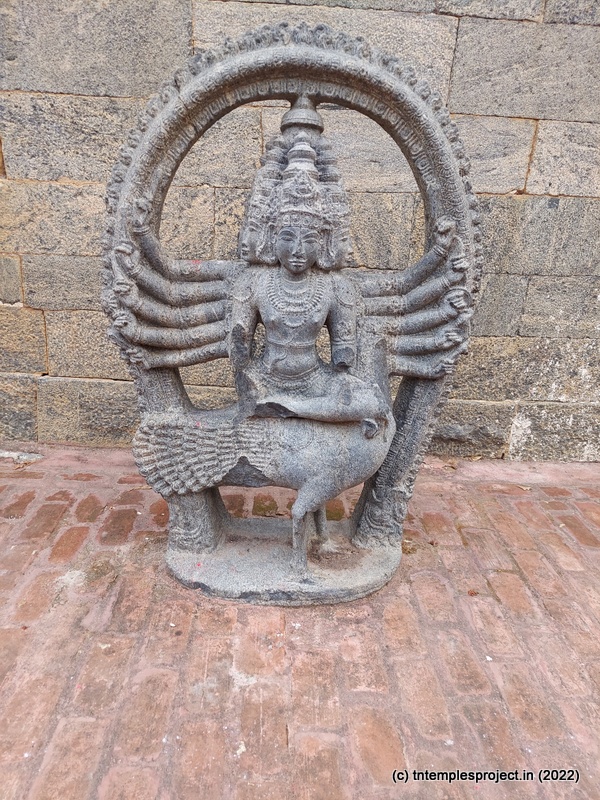
There is a Murugan shrine to the rear of the garbhagriham, in the outer prakaram. Arunagirinathar has sung about this Murugan in his Tiruppugazh. The entrance to the Murugan shrine is – like in the case of Siva temples – flanked by Vinayakar and Murugan in very interesting and unusual depictions. Vinayakar is depicted holding a mango and a jackfruit in His hands. Murugan is depicted with flowing, unkempt hair, with no spear, wearing ornaments of the time, and His peacock has turned to look at Him!
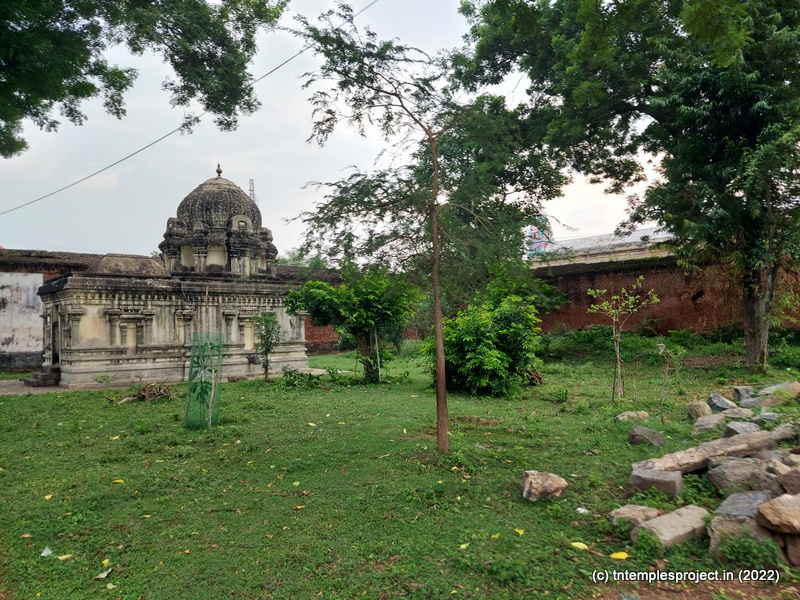
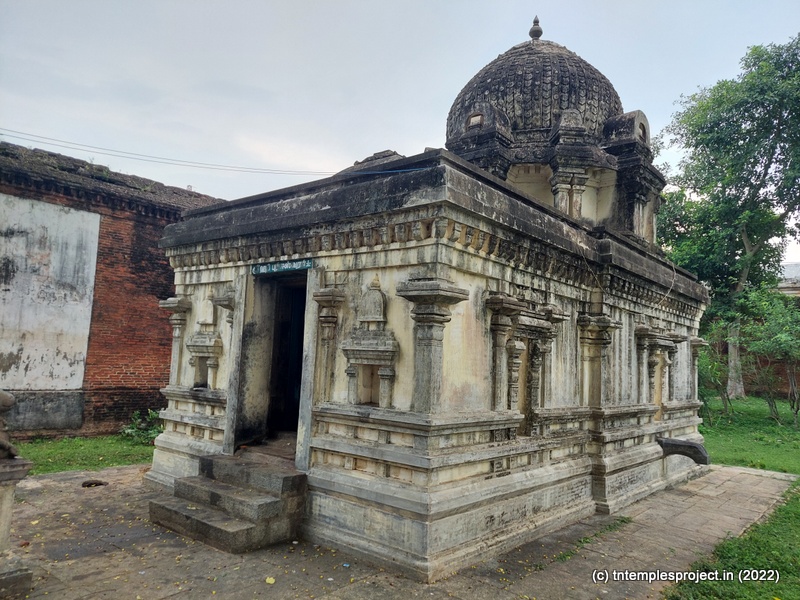
In the southwest corner of the temple premises is a separate shrine for Lord Siva as Hari Pureeswarar, presumably connected with the sthala puranam of the Bhuvaraha Perumal temple.
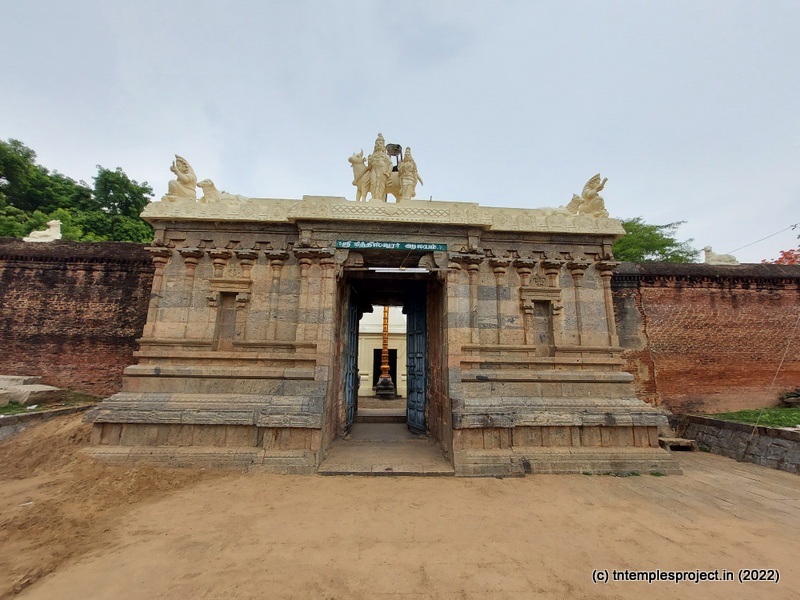
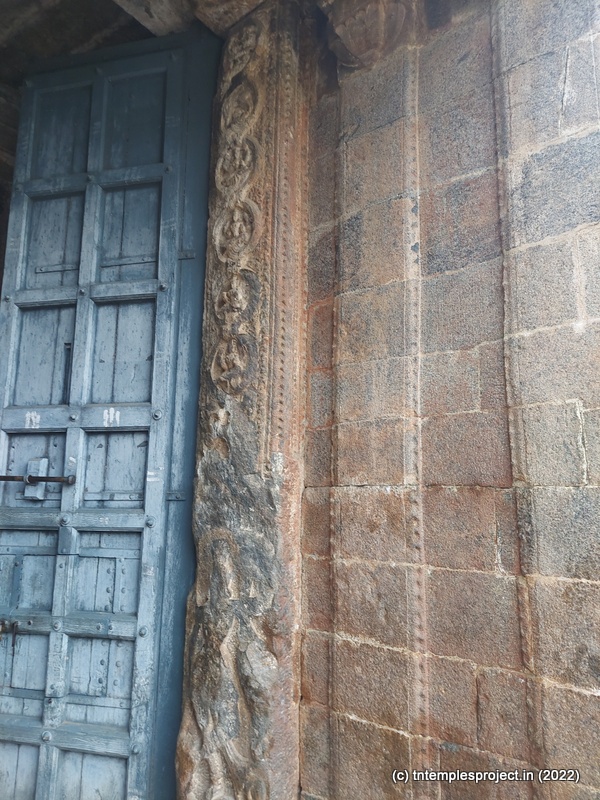
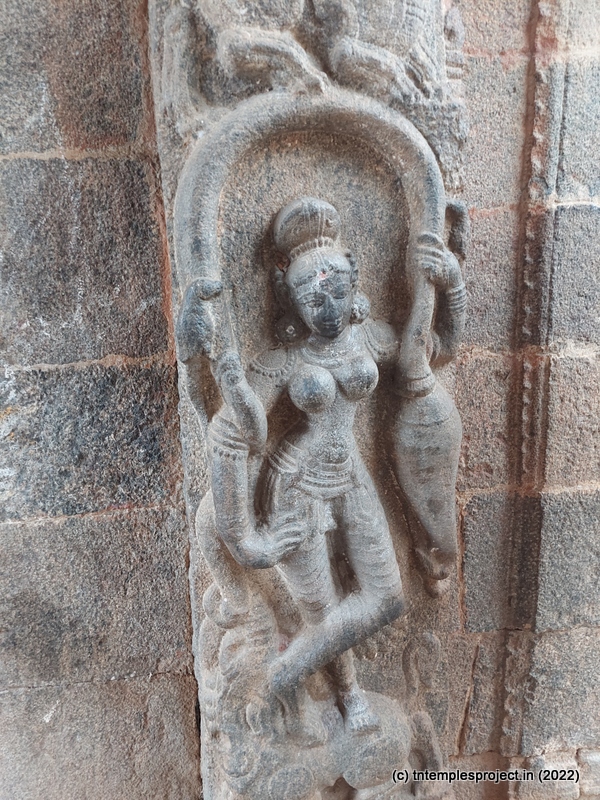
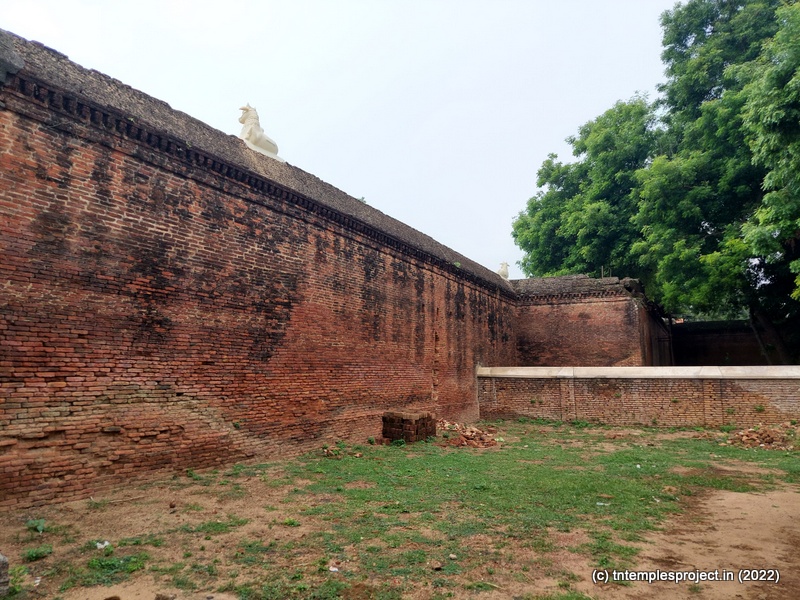
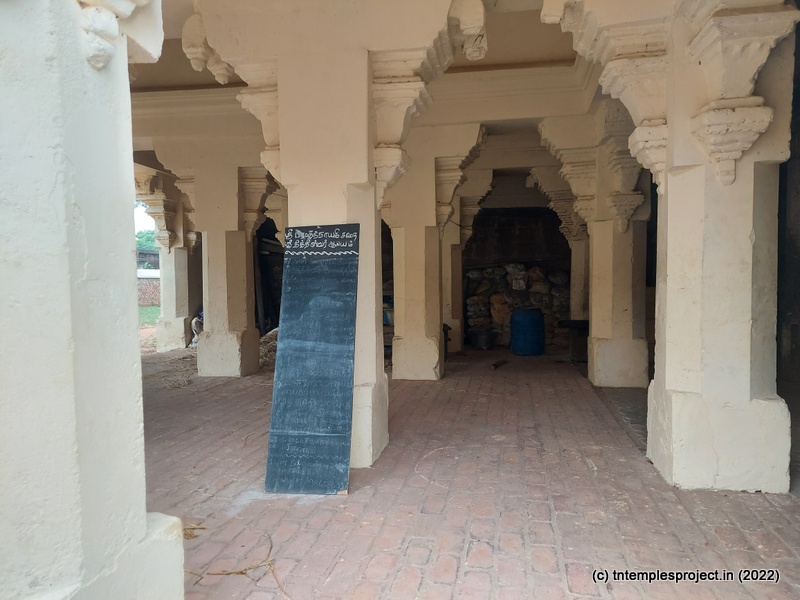
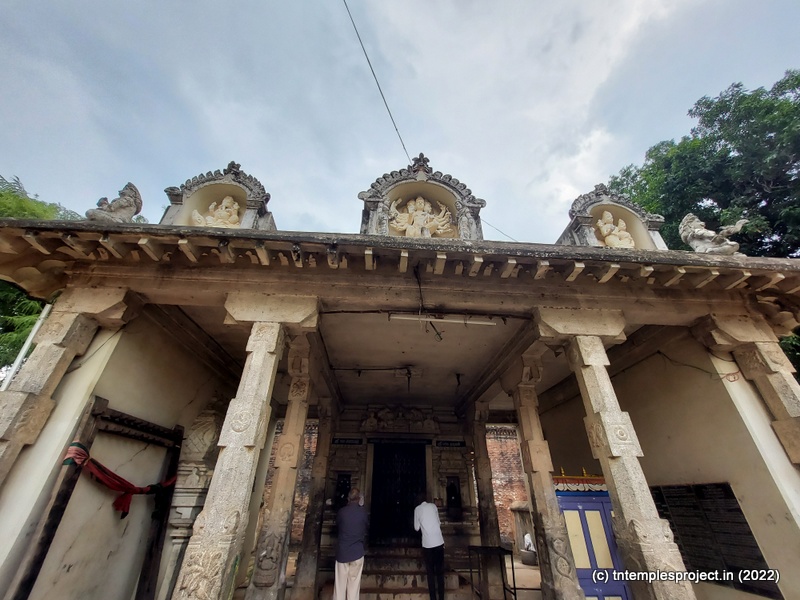
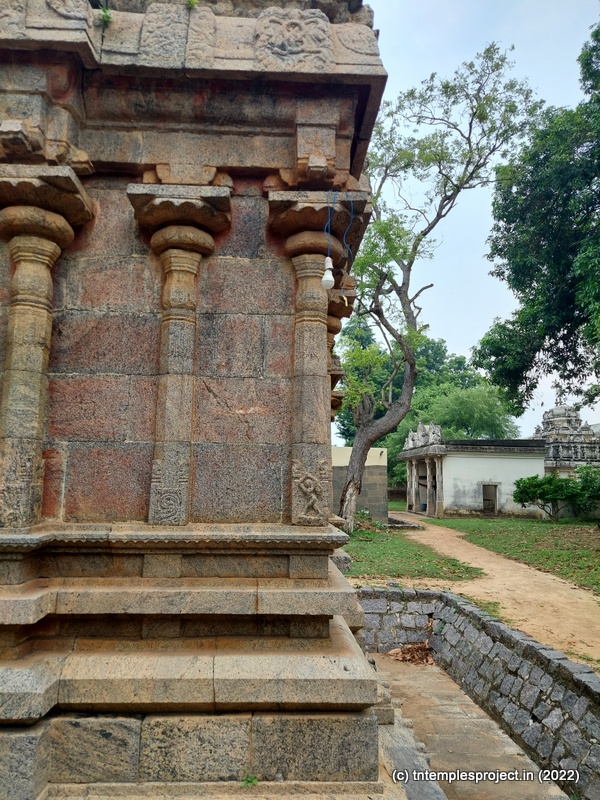
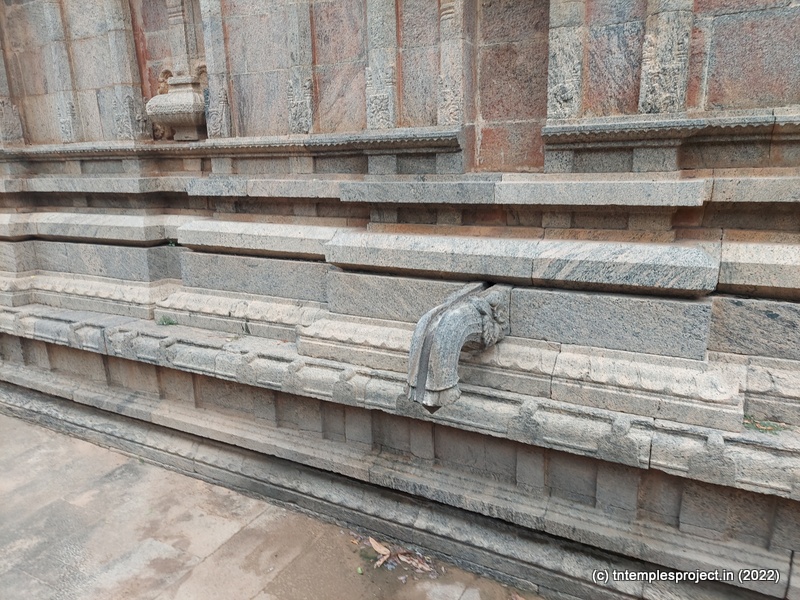
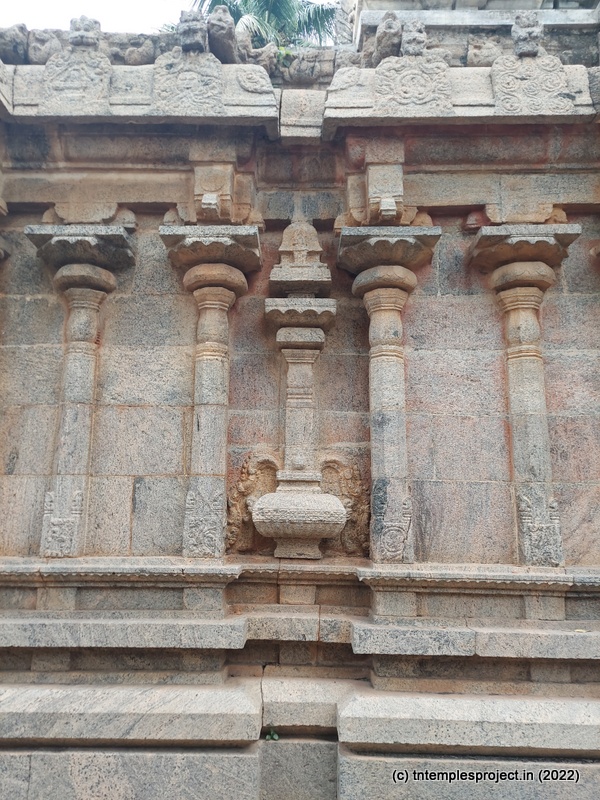
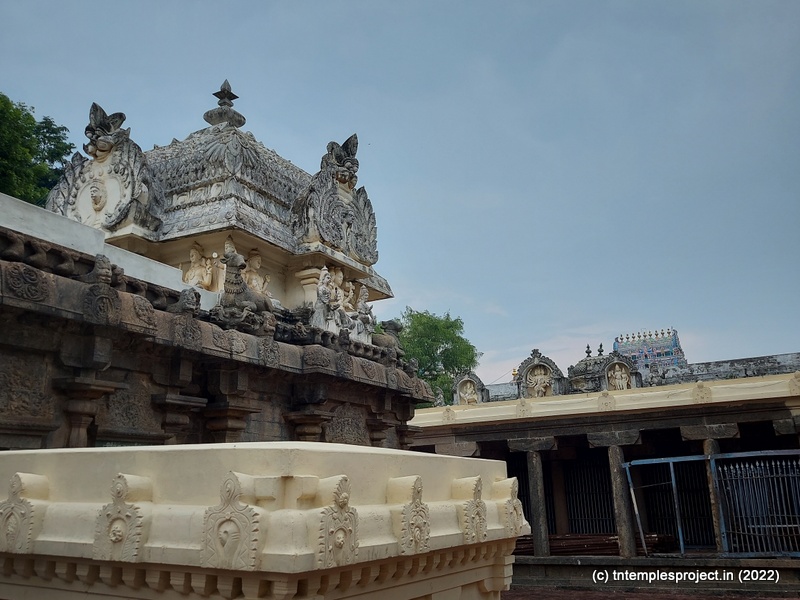
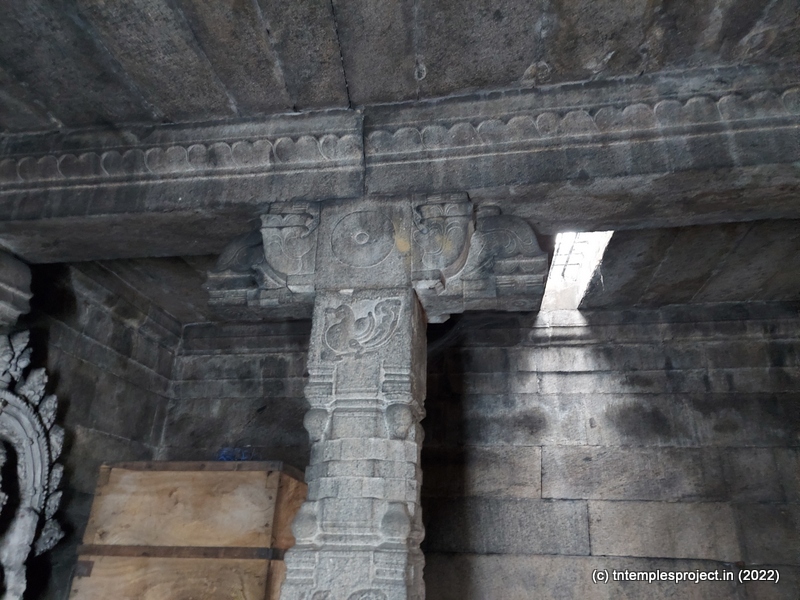
The temple’s architecture features cylindrical and classic Chola style pillars, reflecting intricate craftsmanship. The gopuram at the entrance is flat today, but was perhaps in much better shape several centuries ago before it was brought down. These various elements reveal the influence of different architectural styles, indicating the temple’s evolution through the ages.
Other information for your visit
Contact
Gallery
 TN Temples Project