Basic information about the temple
| Moolavar: | Airavateswarar | Ambal / Thayar: | Abhirami |
| Deity: | Siva | Historical name: | |
| Vriksham: | Vilvam | Teertham: | Chandra, Yama, Agani, Agastiya, Brahma, Kasyapa, Gowthama and Sesha Teertham |
| Agamam: | Age (years): | Timing: | 7 to 11.30 & 5 to 8 | Parikaram: |
| Temple group: | Vaippu sthalam | – | |
| Sung by: | Temple set: | ||
| Navagraham: | Nakshatram: | ||
| City / town: | Maruthuvakudi | District: | Thanjavur |
| Maps from (click): | Current location | Kumbakonam (14 km) | Mayiladuthurai (24 km) |
| Tiruvarur (37 km) | Thanjavur (56 km) |
Location
Sthala puranam and temple information
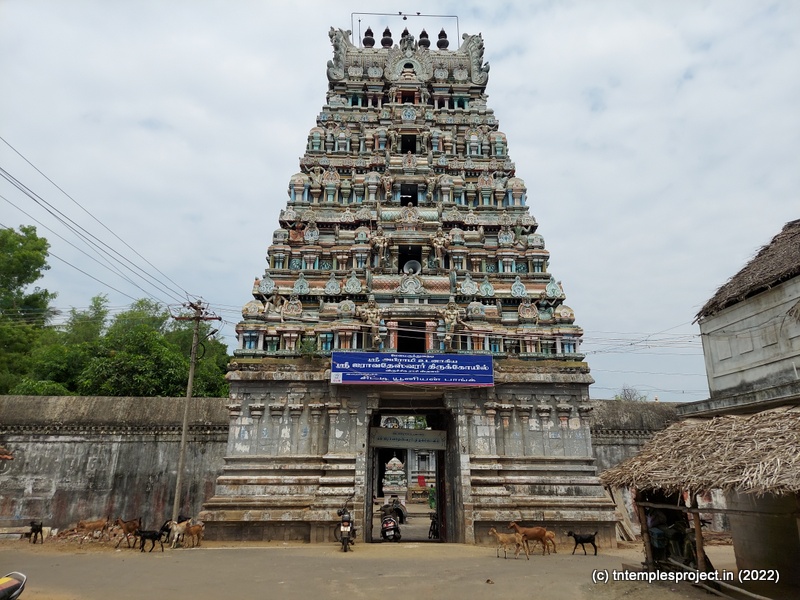
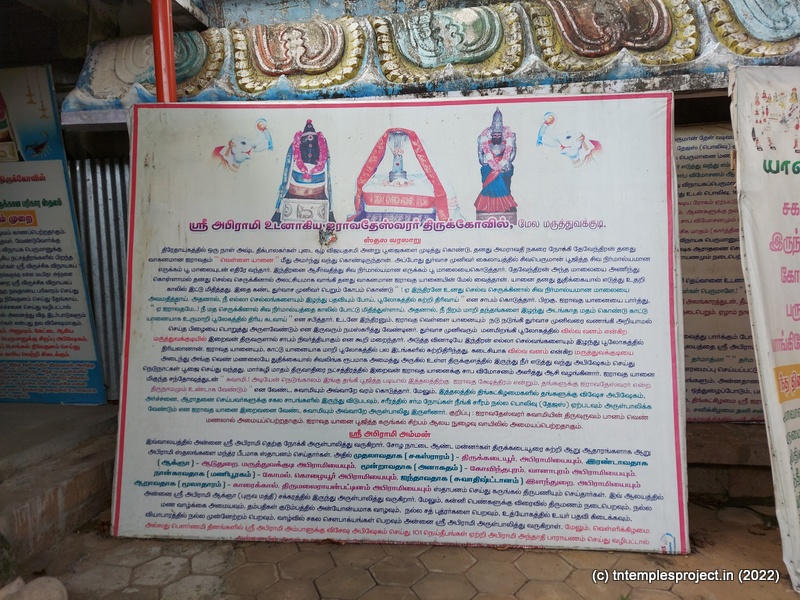
The town of Maruthavakudi, also known as Mel Maruthuvakudi, is located just south of Aduthurai near Kumbakonam, on the banks of the Veeracholan river. This temple is a Tevaram Vaippu Sthalam, and finds mention in one of Appar’s tiruthandagams.
There are several sthala puranams associated with this temple. The main one – which gives the moolavar deity his name – relates to Indra’s elephant Airavatam. Sage Durvasa, known for his short temper, presented Indra with a garland of celestial flowers given by Brahma. Indra, intoxicated by his power, placed the garland on Airavata, who then discarded it disrespectfully. Enraged, Durvasa cursed both Indra and Airavata, causing Indra to lose his kingdom and Airavata to turn black. Seeking redemption, Indra and Airavata prayed at various Siva temples, and was blessed by the Lord here. Hence, the moolavar is named Airavateswarar.
Maruthuvakudi’s etymology is not related to medicine (Tamil for medicine being மருத்துவம்). Instead, it comes from the tale of Maruthuvasura, a demon who tormented the locals. Lord Siva incarnated here, and overcame Maruthuvasura, bringing peace to the region.
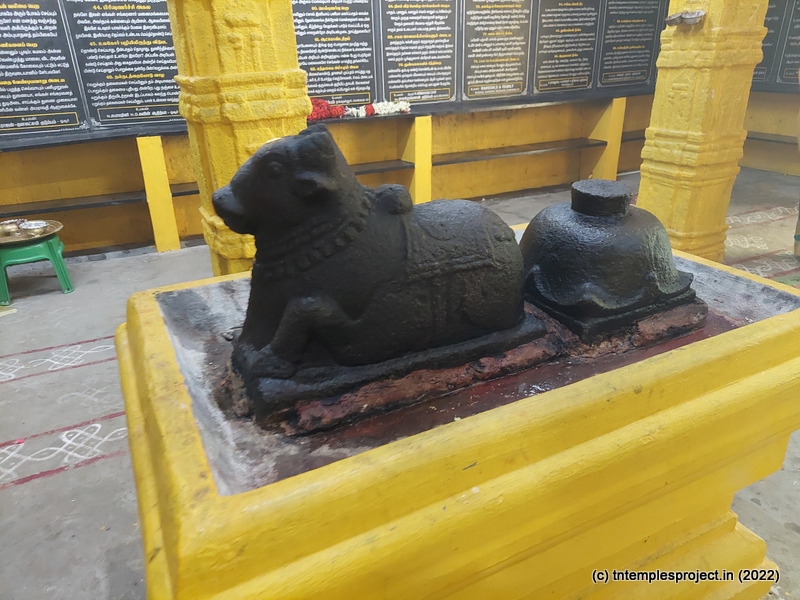
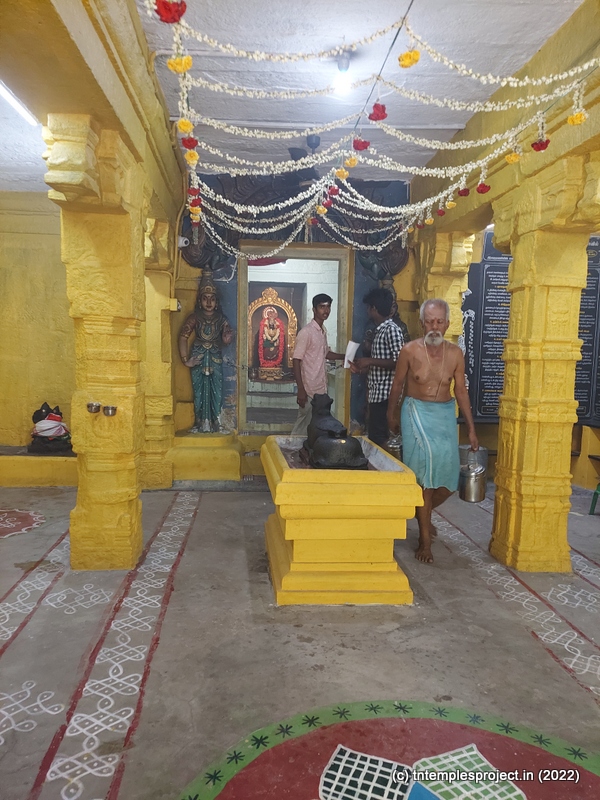
Interestingly, the body of Nandi in front of the moolavar appears to have several pock-marks. There are said to be from the various arrows of Maruthuvasura that were aimed at Siva, but Nandi came in the way to protect his lord! This Nandi is named Baana Nandi (baanam referring to the arrows of Maruthuvasura), and his positioning is also slightly off-centre from the linear axis of the temple.
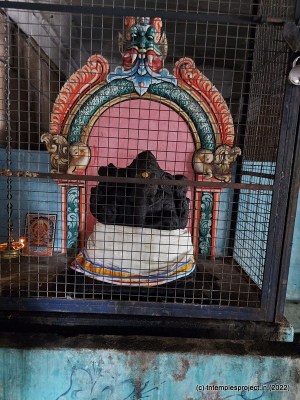
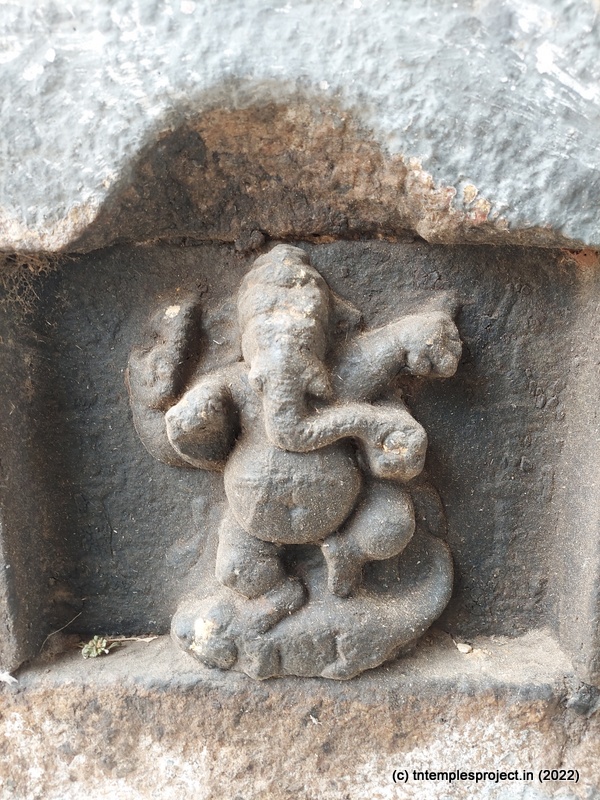
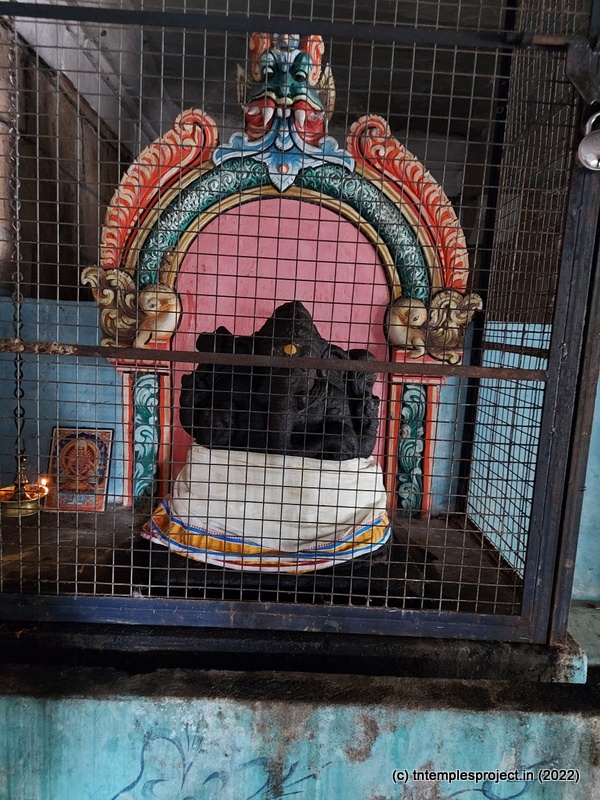
Chandran lost his lustre due to a curse by Lord Siva, for having participated in Daksha’s yagam. Seeking relief, he came here and worshipped the Vinayakar here by digging a tank (which is the temple’s tank today, and goes by the name of Chandra Teertham). A pleased Vinayakar blessed Chandran and told him to worship Lord Siva of this temple for ultimate relief. Chandran did so, and was relieved of his curse. The Vinayakar that Chandran worshipped (located in the south-west part of the prakaram) is called Vrischika Vinayakar, as his trunk is shaped like the body of a scorpion (vrischikam). Hence, worshipping at this temple is said to be highly beneficial for those born under the Vrischika rasi, and is also a parikara sthalam.
Amongst others who have worshipped here are Lord Krishna (to secure his marriage to Rukmini), Vishnu’s serpent Adiseshan (who was then granted the power and strength to hold up the entire creation), and sage Agastyar who visited here as part of his pilgrimage in the south.
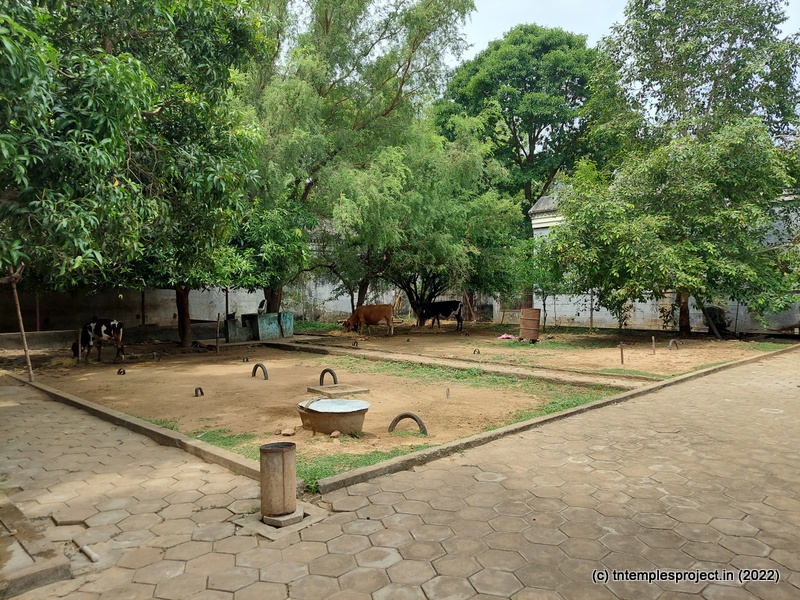
There is also an interesting story of how the temple’s garden came to be managed. A devout brahmin had gained immense powers through his unwavering devotion to the Lord, but became arrogant and began to demand donations from everyone. However, receiving these donations also meant absorbing the donors’ sins, eventually turning the his body black due to the accumulated sins. Seeking redemption, he performed penance for 12 years, standing amidst fire. Pleased with his dedication, Lord Siva restored the man to his original form. Despite this divine intervention, the Brahmin soon reverted to his old ways, causing distress once more. Indra, the king of gods, complained to the Lord about the Brahmin’s misconduct. In response, the Lord dispatched Aghoramurthy to apprehend the Brahmin. Brought before the Lord, the Brahmin realized his mistakes and begged for mercy. The compassionate Lord pardoned him and appointed him as the caretaker of the Nandavanam to help transform his mindset.
This temple is one of the seven revered temples forming the Tiruneelakudi sapta sthanam, including:
- Neelakanteswarar, Tiruneelakudi
- Sundareswarar, Elanthurai
- Nageswarar, Tirunageswaram
- Kampahareswarar, Tribhuvanam
- Mahalingeswarar, Tiruvidaimaruthur
- Somanathar, Poundarikapuram (Enathimangalam)
- Airavateswarar, Maruthuvakudi
These temples are interconnected through their unique sthala puranam. Lord Shiva granted sage Markandeyar eternal life at Tiruneelakudi. In devotion, the sage visited six other temples nearby, thus binding them into a sacred group known as the sapta sthanam. Each year, during the Chithirai festival (April-May), the idols of the sage, accompanied by Shiva and Parvati, are taken in a grand procession to these six temples before returning to Tiruneelakudi.
An intriguing aspect of the temple is its association with Abhirami Amman. Sage Markandeyar, associated with the Abhirami Amritakadeswarar temple in Tirukadaiyur, requested that Abhirami Amman take the same form at five other temples –
- Maruthuvakudi Airavateswarar temple
- Govindapuram (Vanapuram / Banapuram) Banapureeswar temple
- TR Pattinam Raja Chozheeswarar temple
- Elanthurai Sundareswarar temple
- Kuzhaiyur Agasteeswarar temple
Amman at these temples is named Abhirami, and it is also believed that one can worship Abhirami Amman of Tirukadaiyur at any of these 6 temples. These six temples are said to represent six of the seven chakras of the body, with inscriptions referring to the sage’s worship of these chakras (Muladhara, Swadishthana, Manipuraka, Anahata, Vishuddha and Ajna chakra) at these sites.
The structural temple here is estimated to belong to the late 10th century Chola period, aided by the sponsorship of the Chola queen mother Sembian Madevi. However, given that this temple is sung about by Appar, it should have existed in some form, in the 7th century, and so must be even older than that.
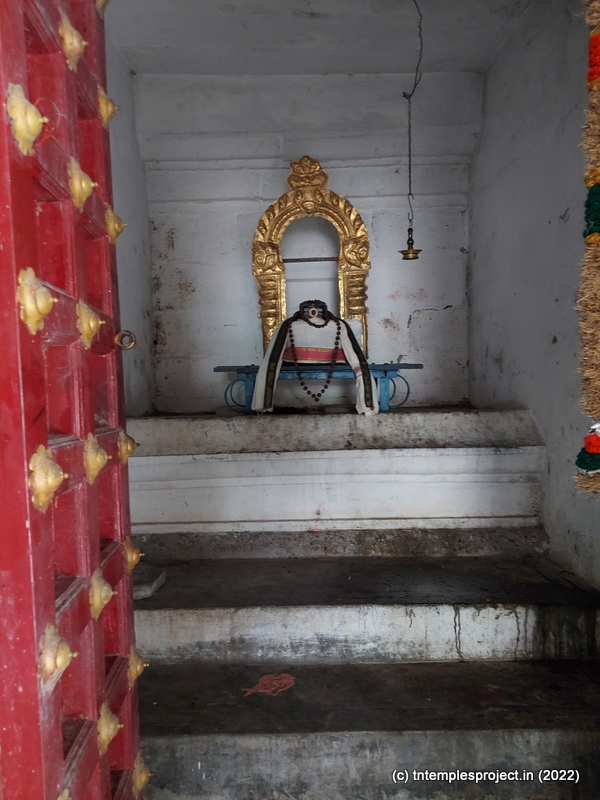
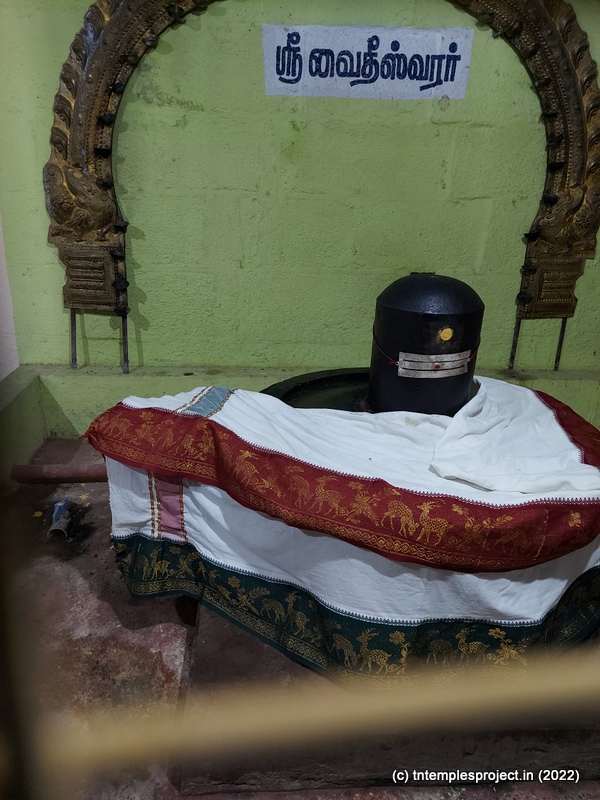
Unlike the typical stone lingams found in most Siva temples, the lingam at this temple is made of white clay, and is believed to be swayambumurthy / self-manifested.
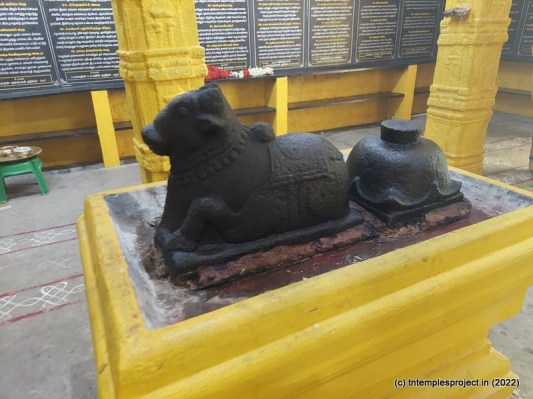
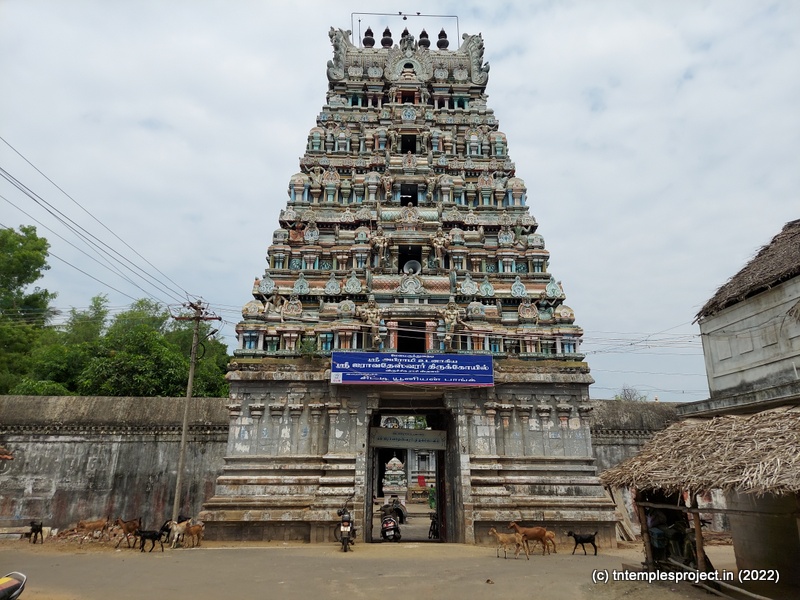
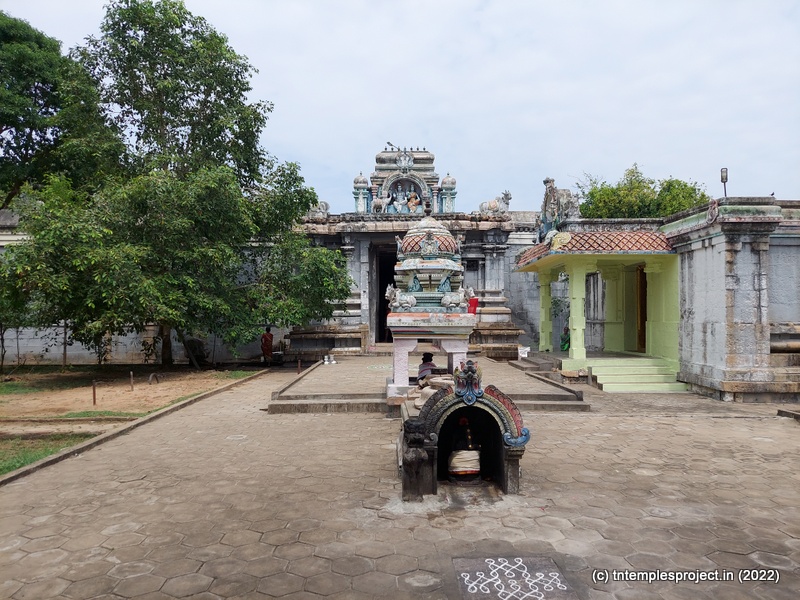
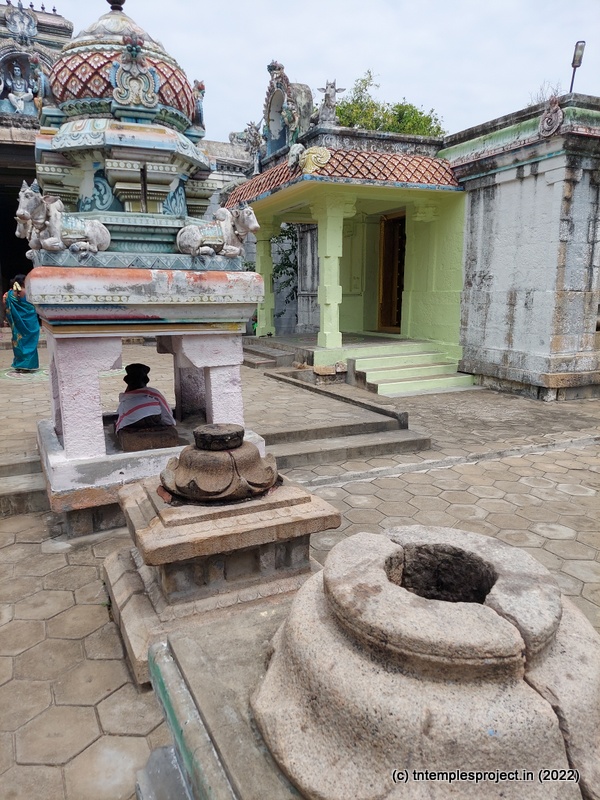
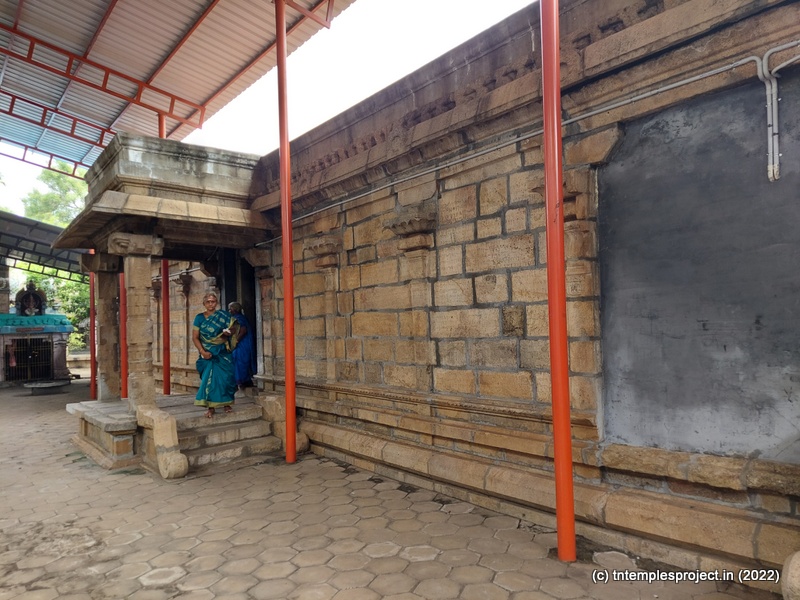
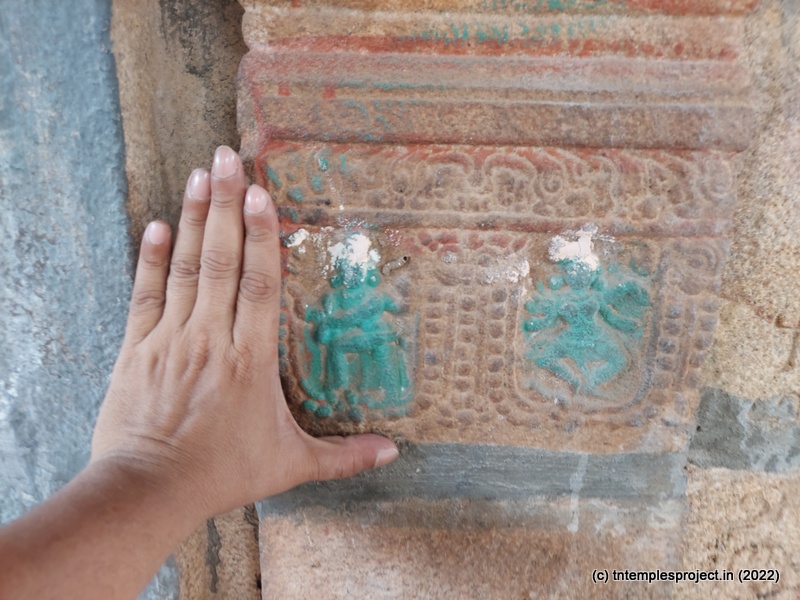
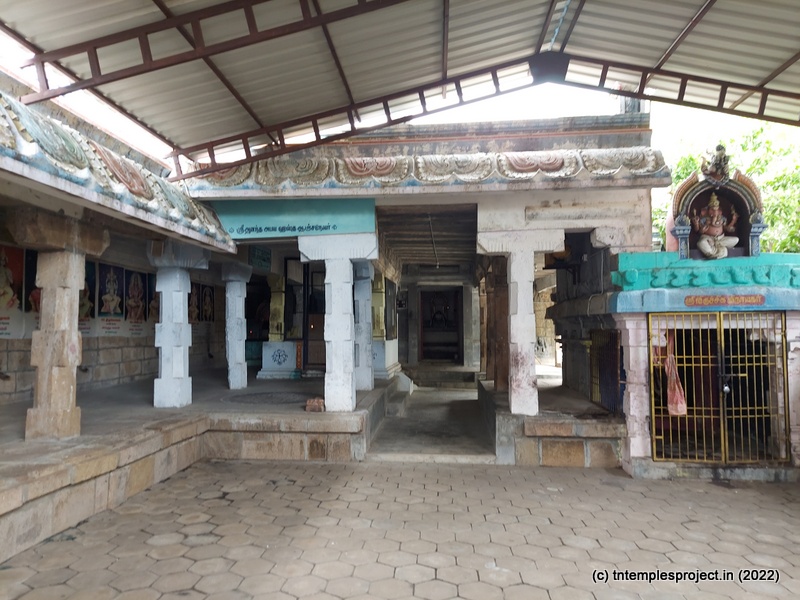
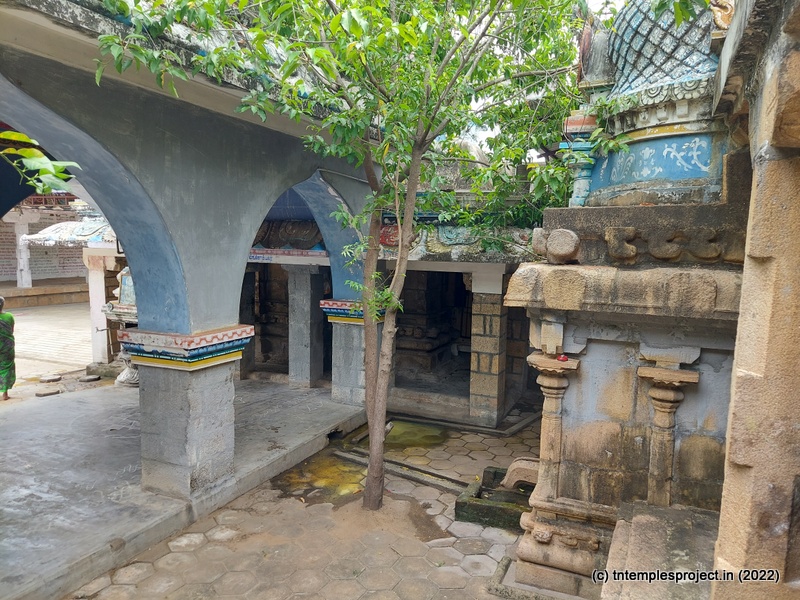
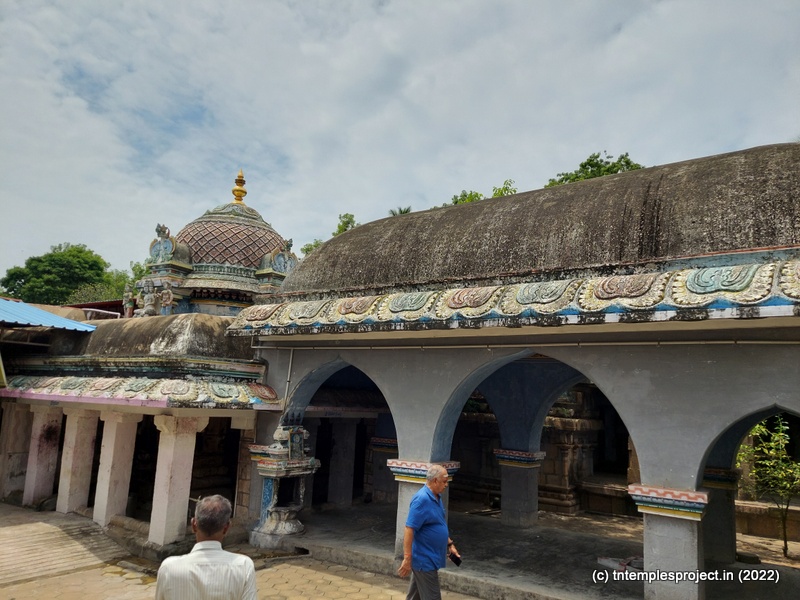
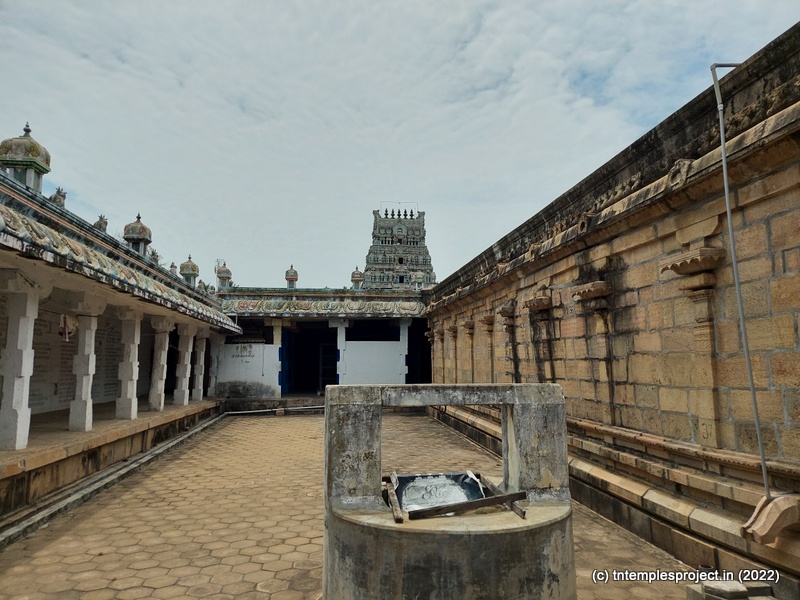
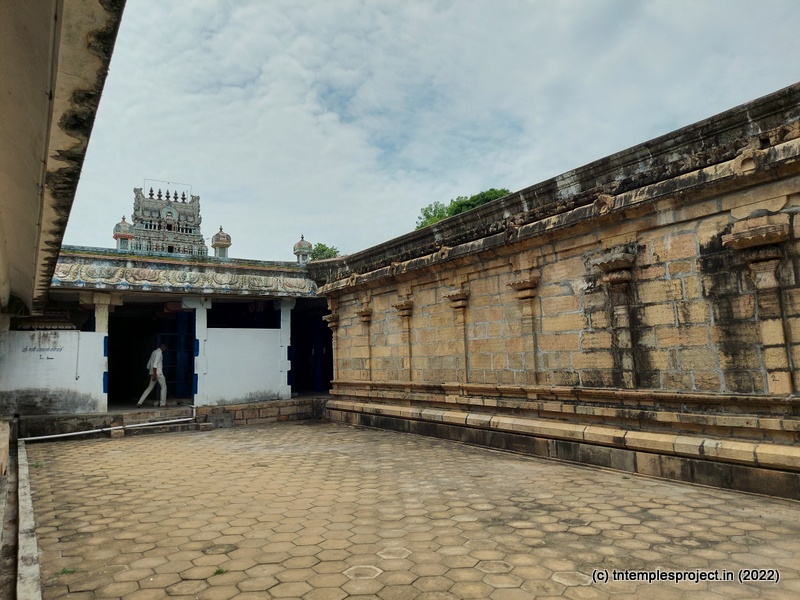
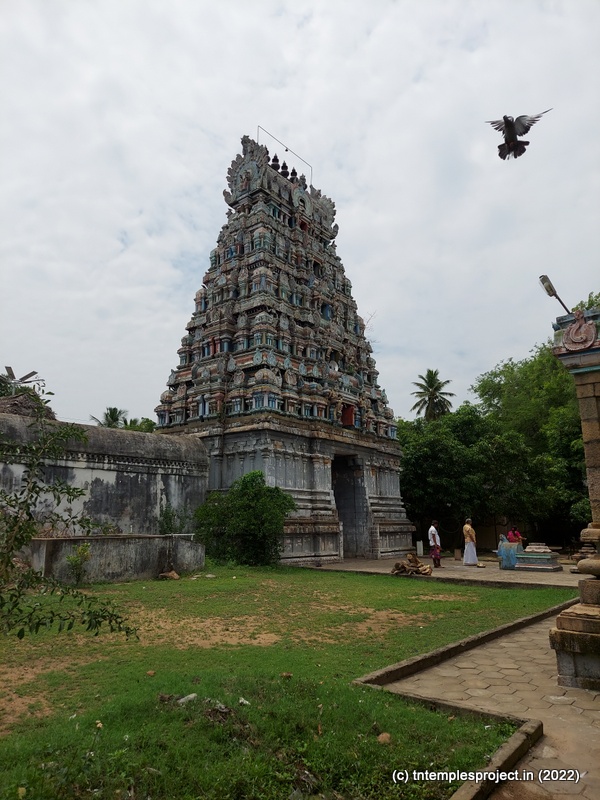
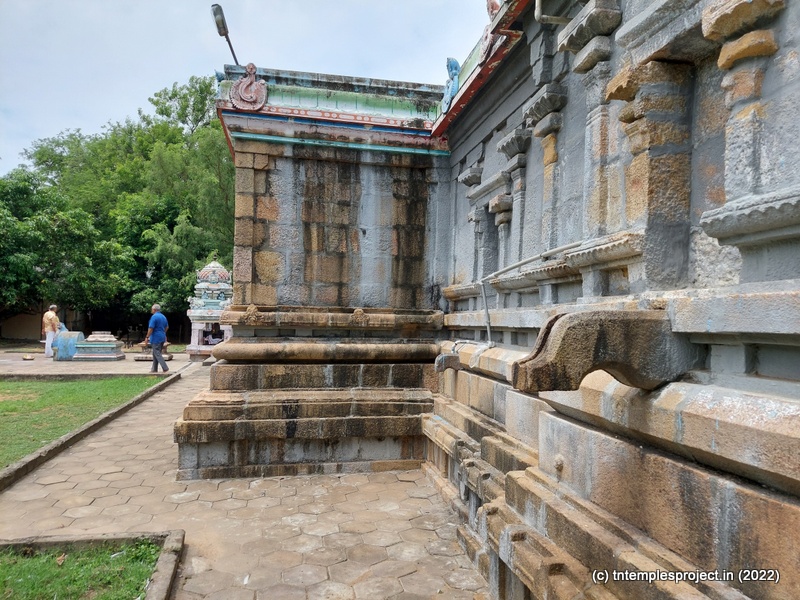
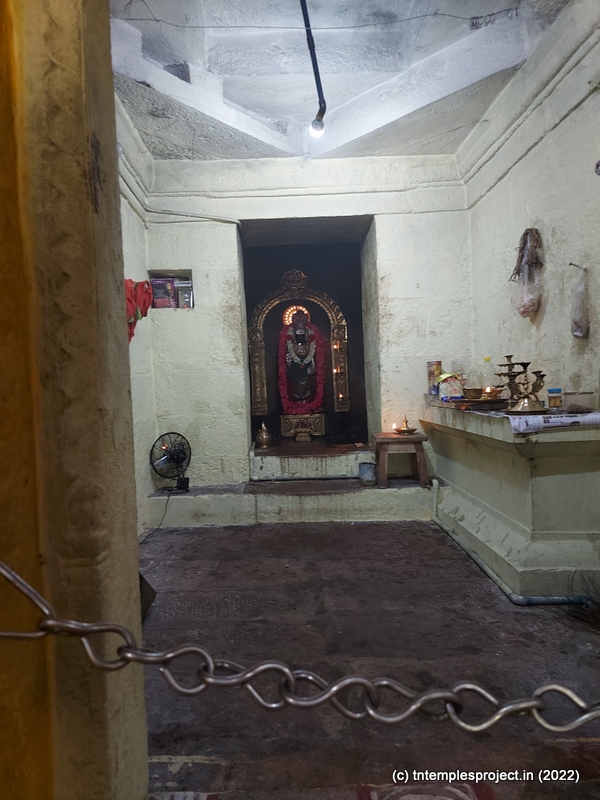
From the very entrance and the gopuram, the temple premises is replete with various elements of architecture, including sculptures, pillar carvings and bas relief images. As we enter the gopuram, the absence of a dhwajasthambham is very prominent. Instead there is a Vinayakar, bali peetham and Nandi. A flat arch sits on top of the entrance to the maha mandapam. To the immediate right – outside the maha mandapam – is the smallish sized Amman shrine.
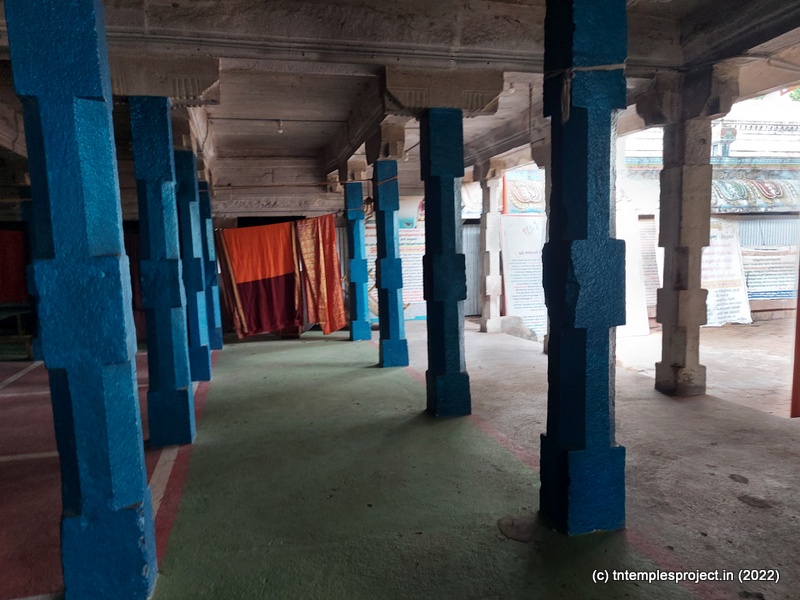
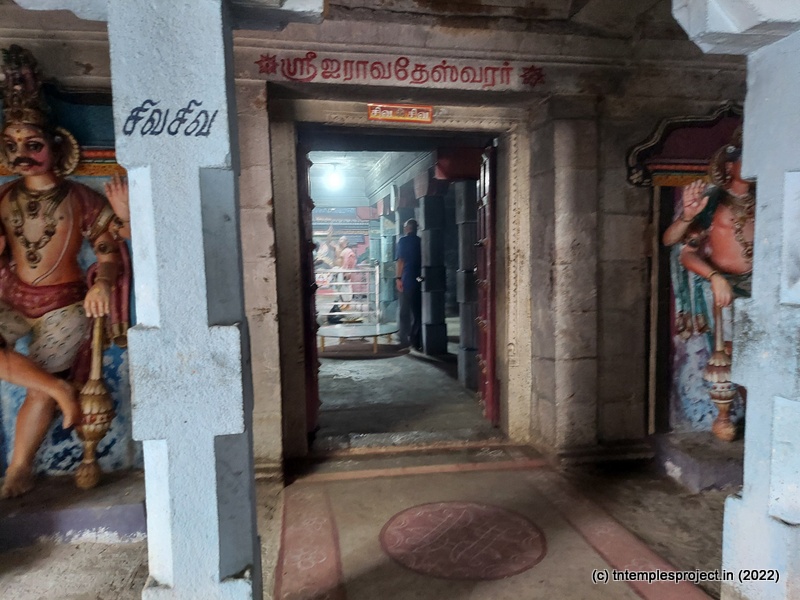
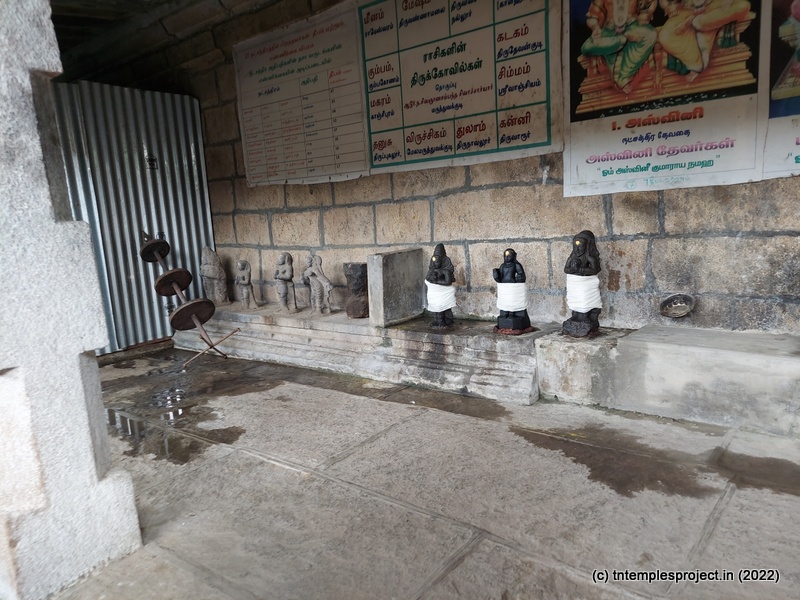
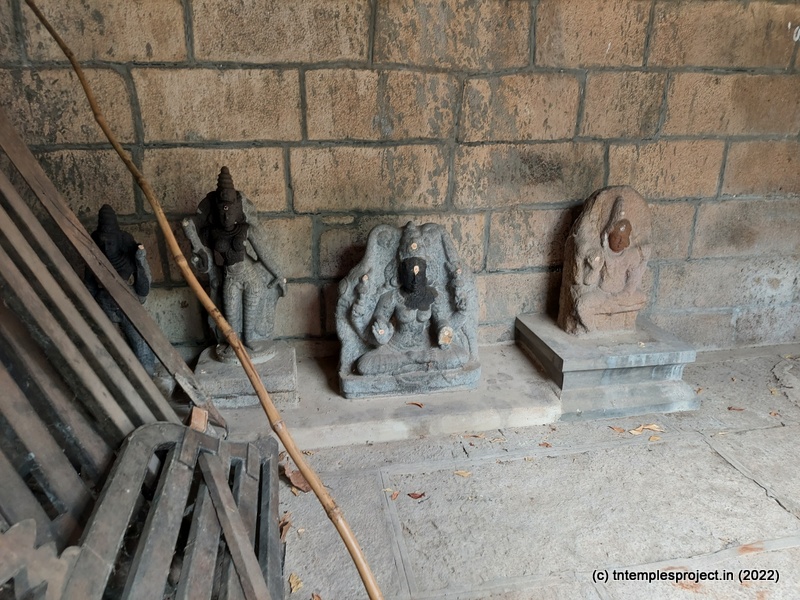
Inside the maha mandapam is a large multi-pillared hall, which has a long corridor leading to the ardha mandapam and garbhagriham. The walls of the passage are lined with paintings depicting the sthala puranam here, various valorous deeds of Lord Siva, etc. In the prakaram, on the southern wall, are the vigrahams of the Tevaram nalvar, nagar, and other deities.
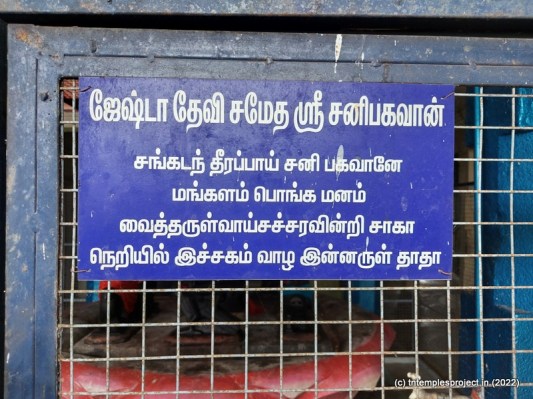
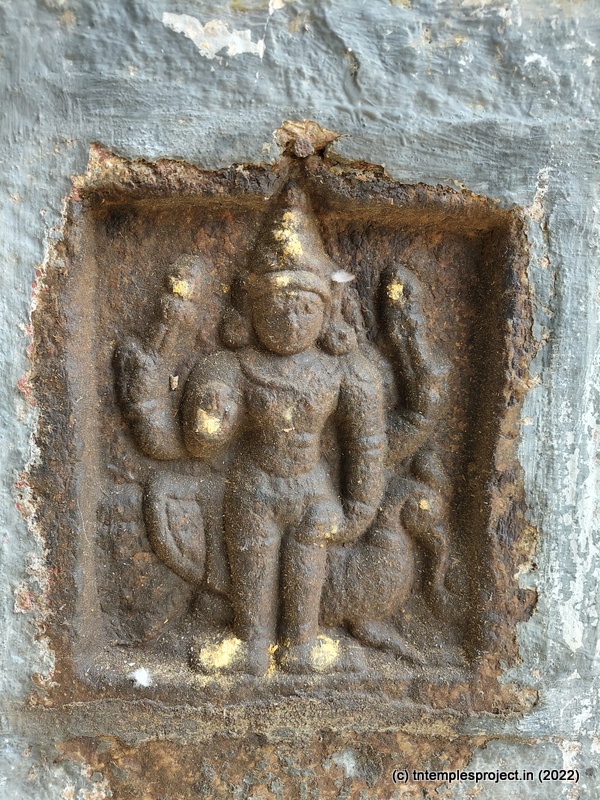
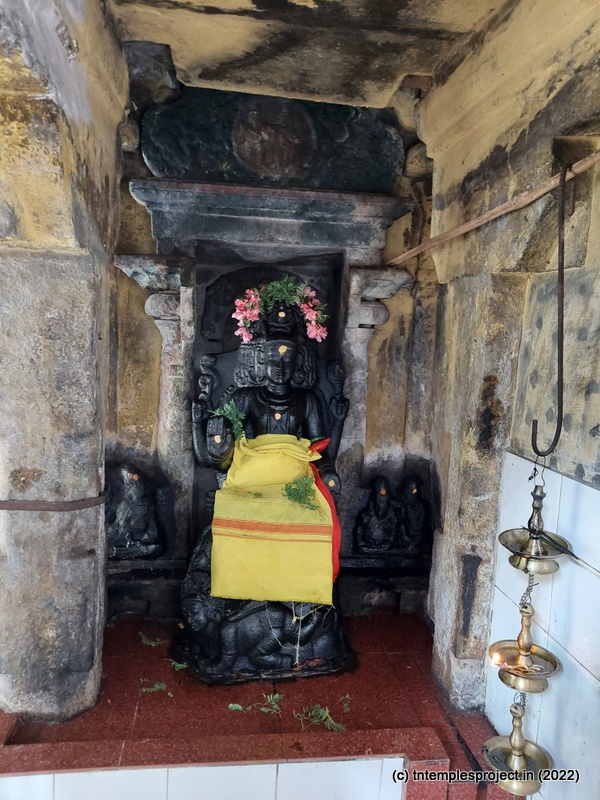
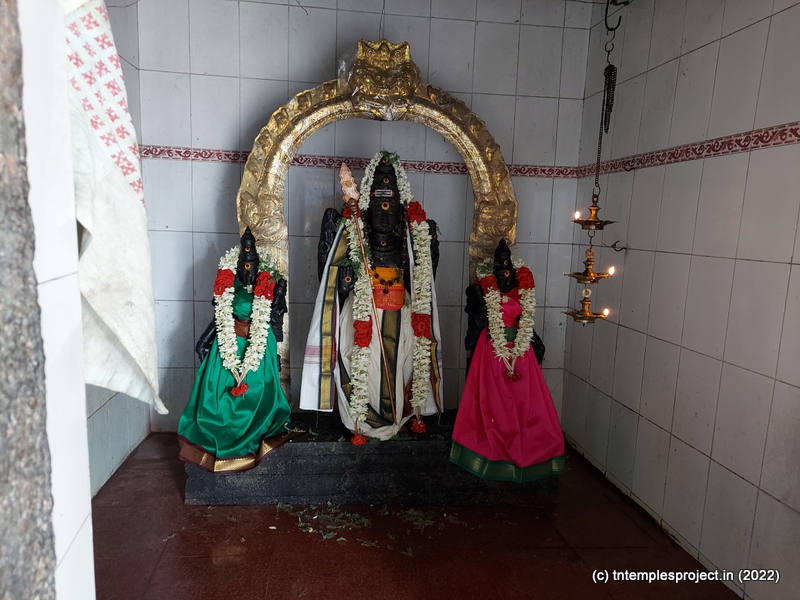
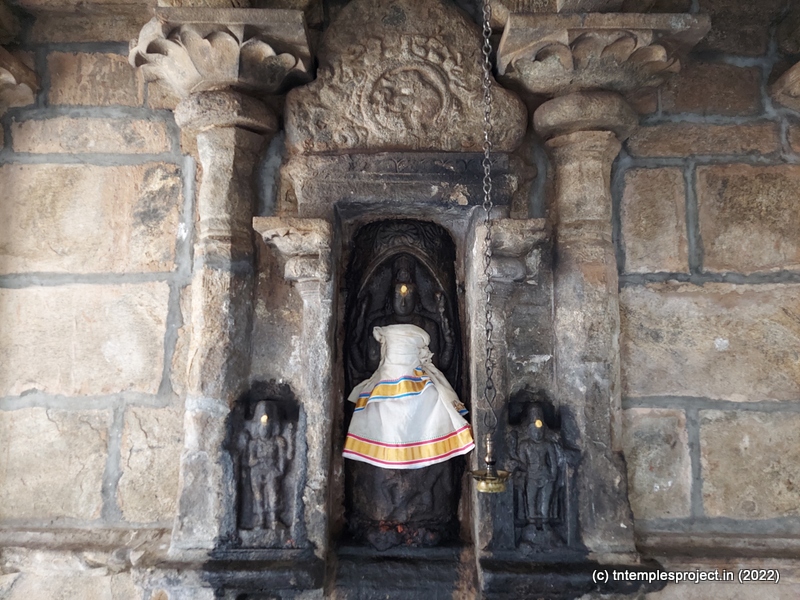
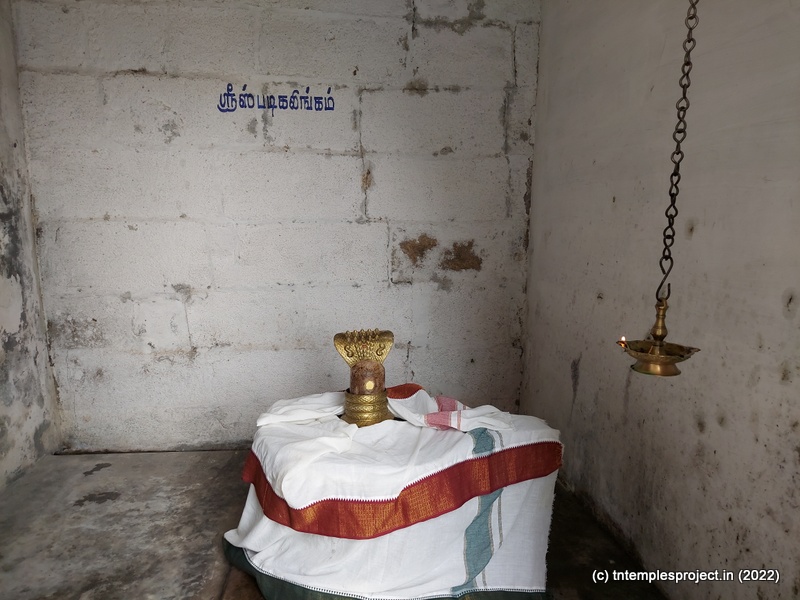
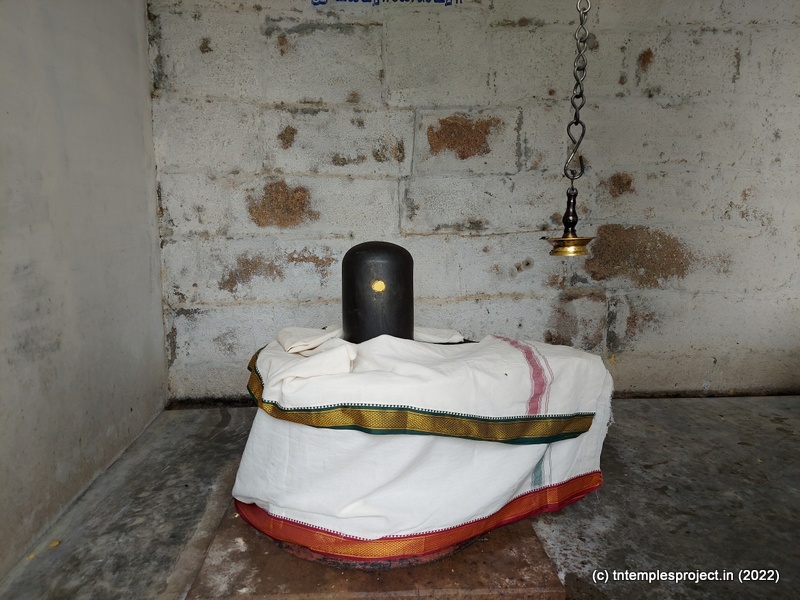
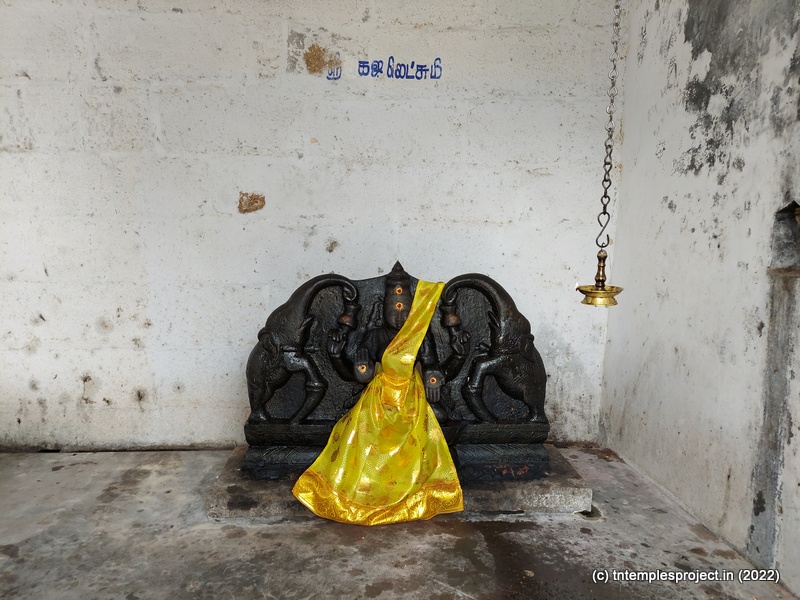
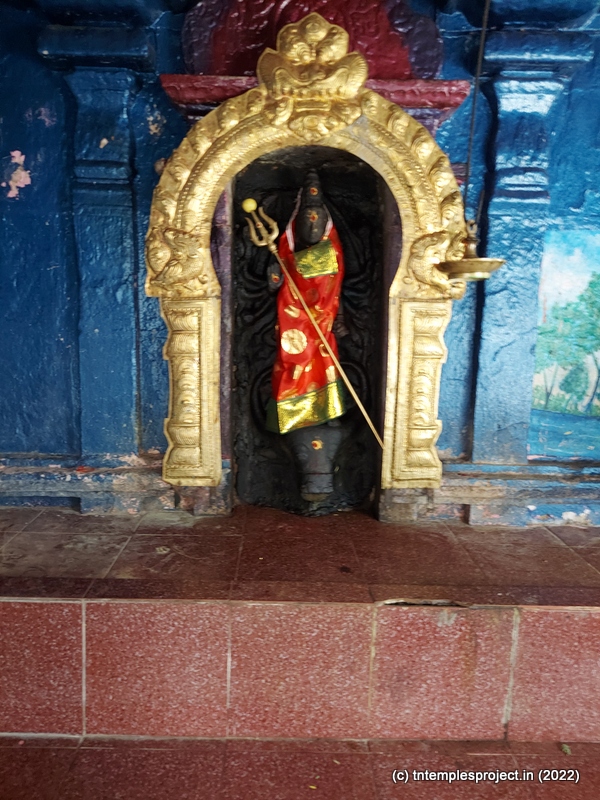
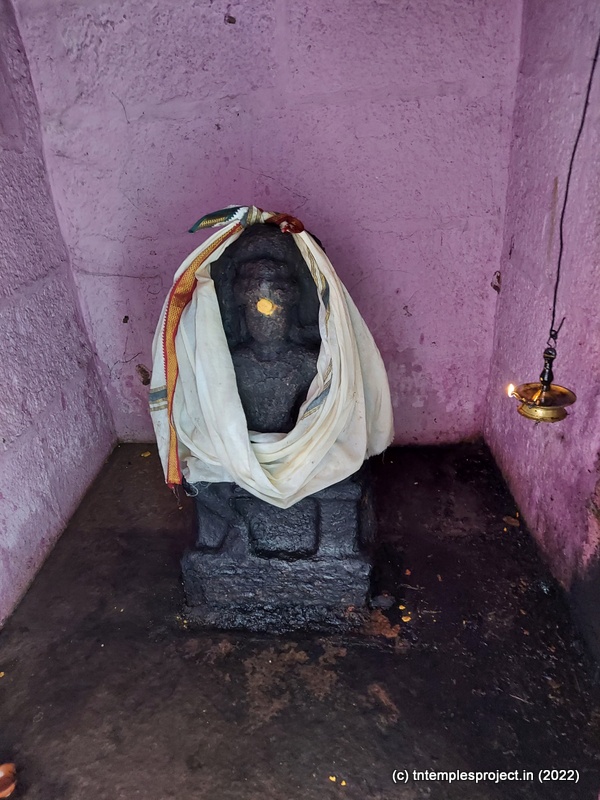
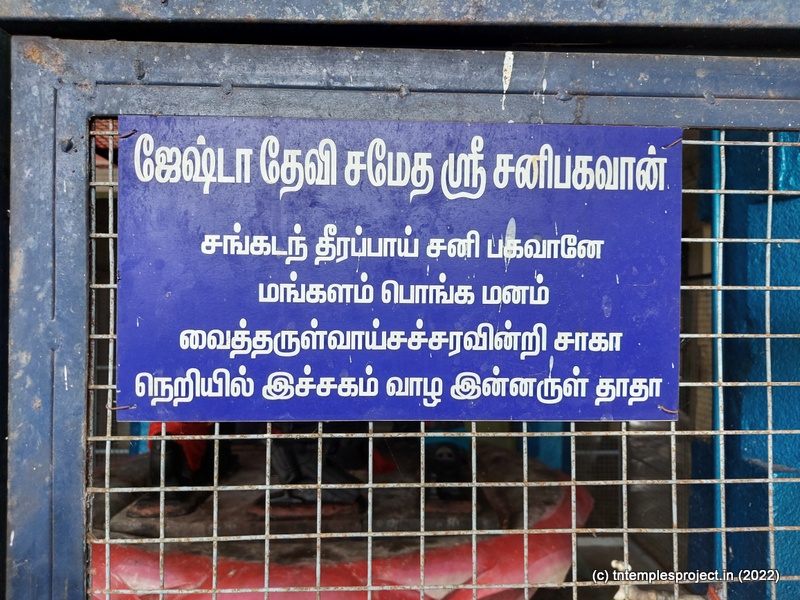
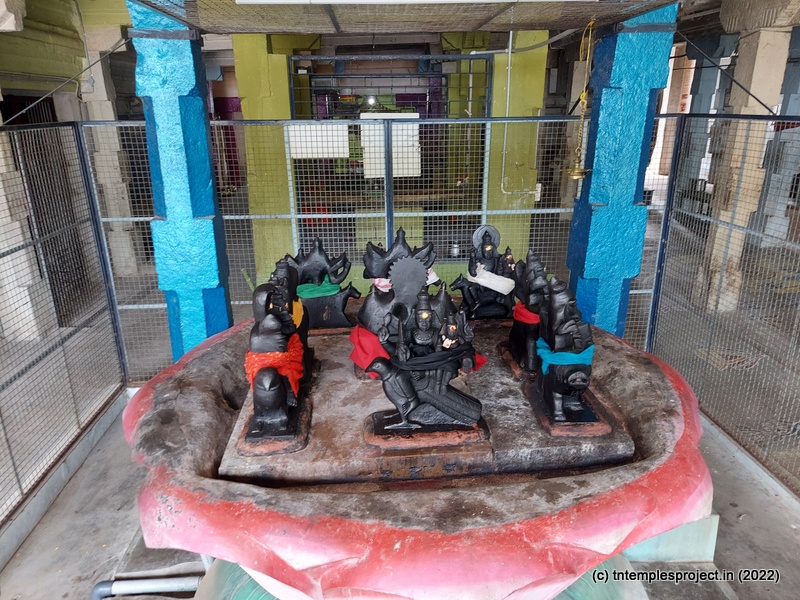
In the koshtams are Dakshinamurti, Lingodhbhavar, Brahma and Durga. In the prakaram are Vrischka Vinayakar, another kanni moolai Vinayakar, Murugan with his consorts Valli and Deivanai, Gajalakshmi, various other lingams (including Kasi Viswanathar and a sphatika lingam), and Chandikeswarar. The sthala vriksham is also housed in an enclosure in the north-west corner. There are separate shrines for Sani, and the navagraham, as well as for Jyeshta devi. The Amman shrine outside has a separate Nandi for Her, which may be a later period Pandya influence.
Other information for your visit
Contact
Sivagnana Sambandam gurukkal: 9443588424
Gallery
 TN Temples Project