Basic information about the temple
| Moolavar: | Lakshmi Narasimhar | Ambal / Thayar: | – |
| Deity: | Perumal | Historical name: | |
| Vriksham: | Teertham: | ||
| Agamam: | Age (years): | Timing: | – to – & – to – | Parikaram: |
| Temple group: | – | ||
| Sung by: | Temple set: | ||
| Navagraham: | Nakshatram: | ||
| City / town: | Srimushnam | District: | Cuddalore |
| Maps from (click): | Current location | Mayiladuthurai (52 km) | Ariyalur (58 km) |
| Kumbakonam (62 km) | Cuddalore (67 km) |
Location
Sthala puranam and temple information
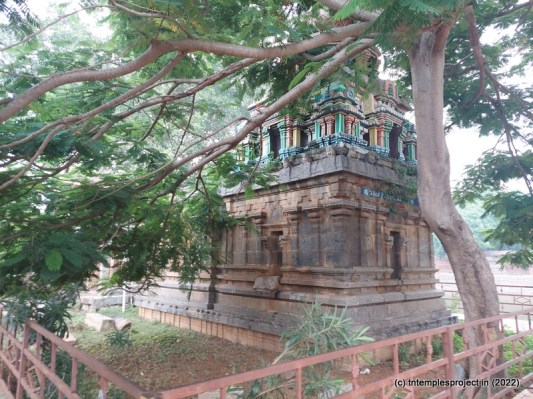
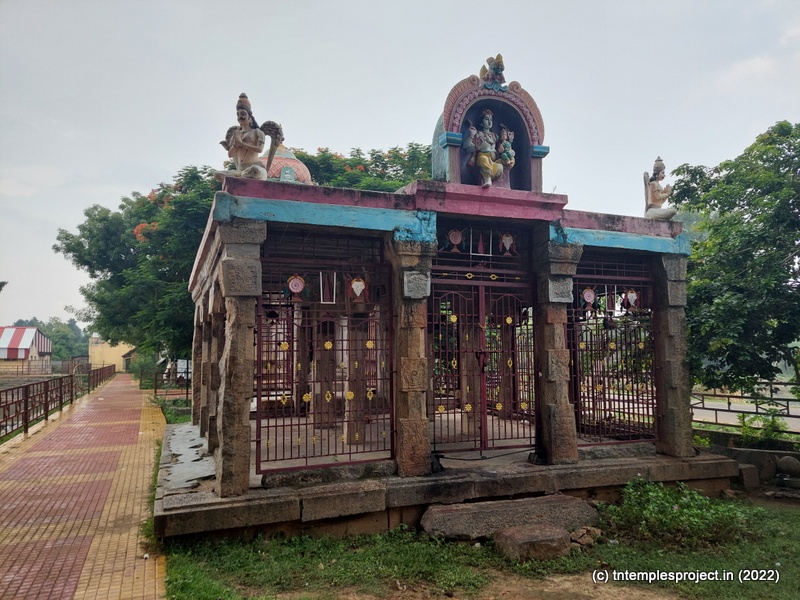
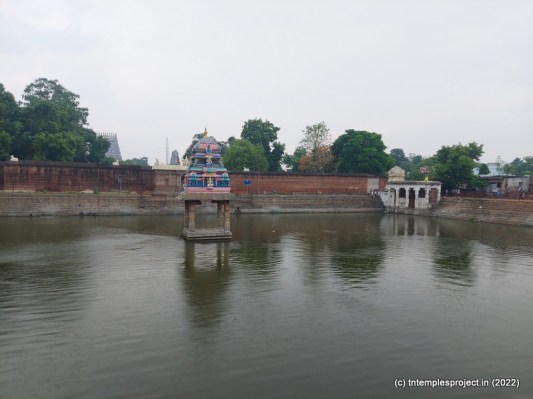
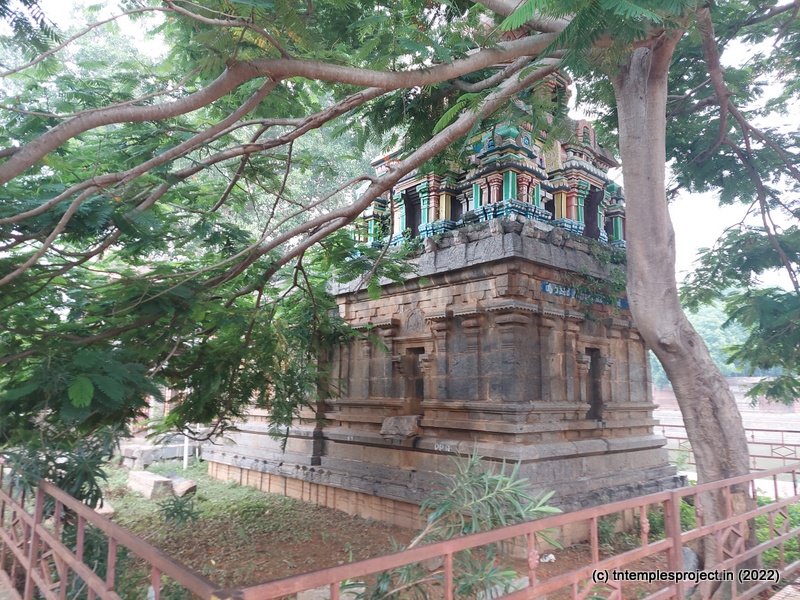
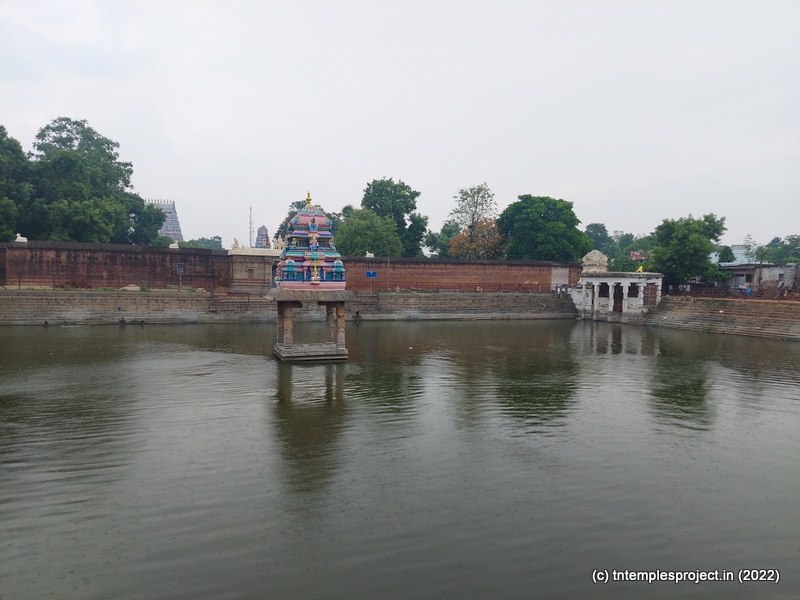
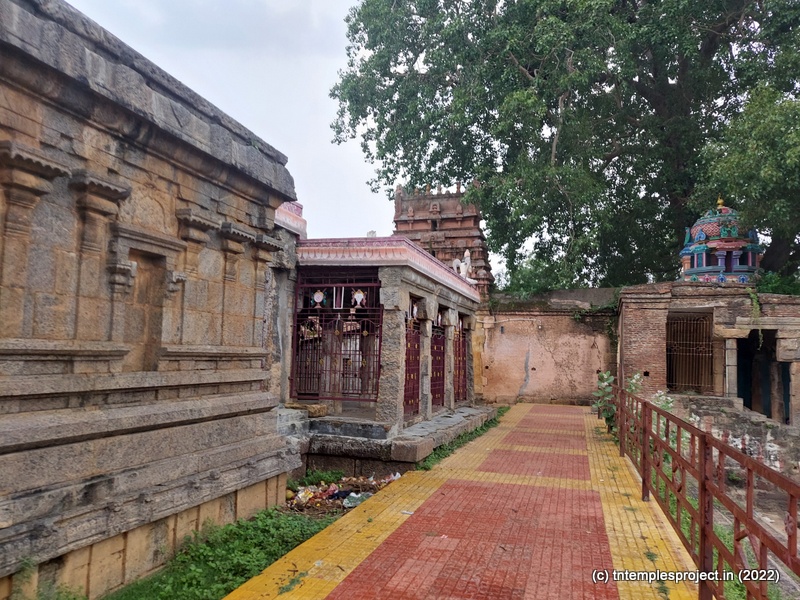
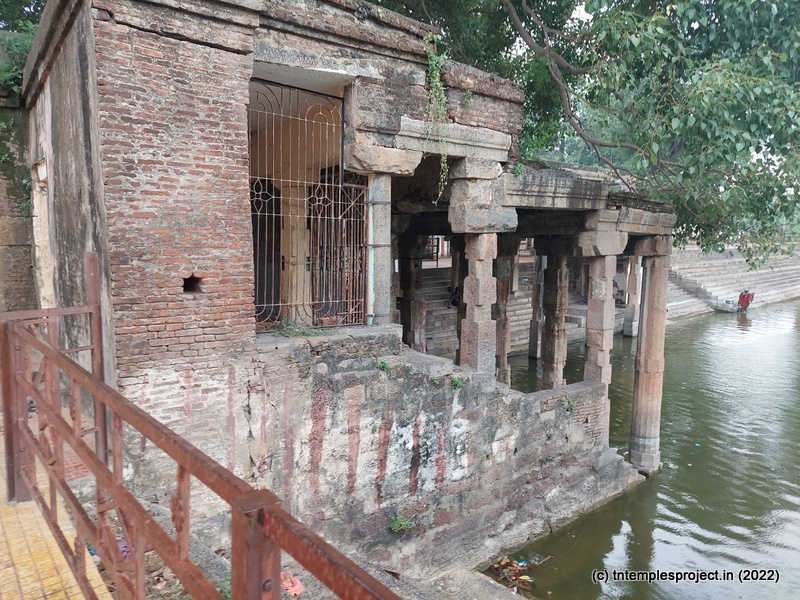
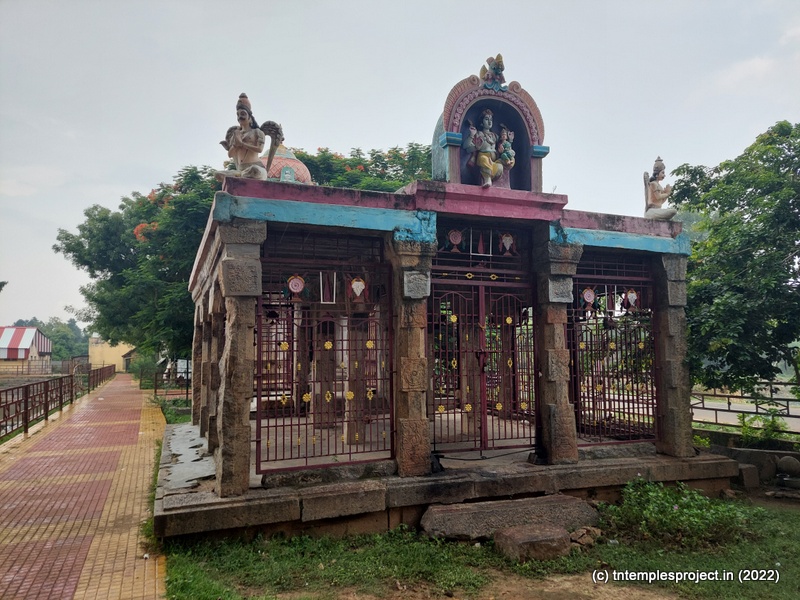
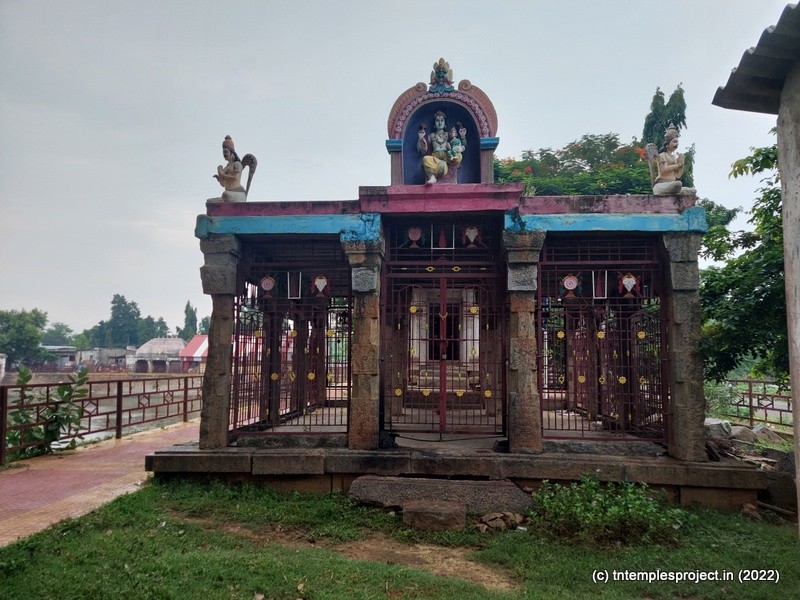
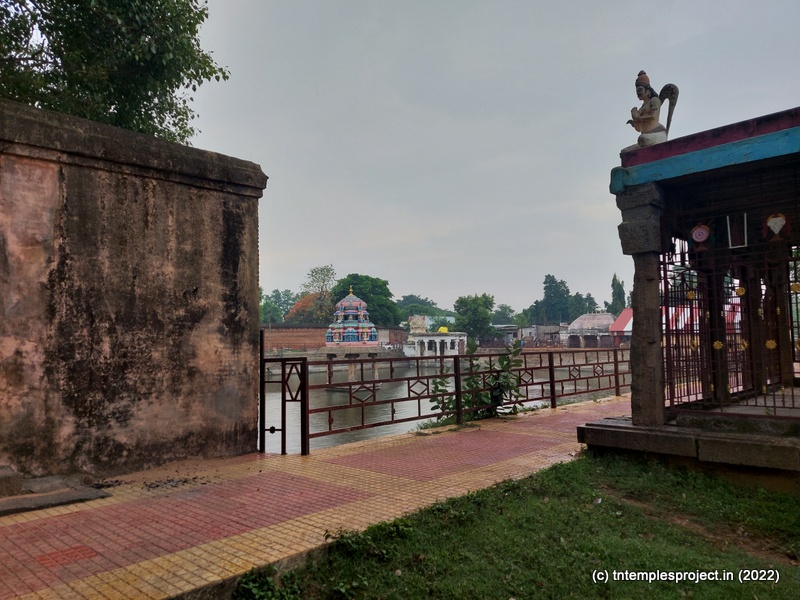
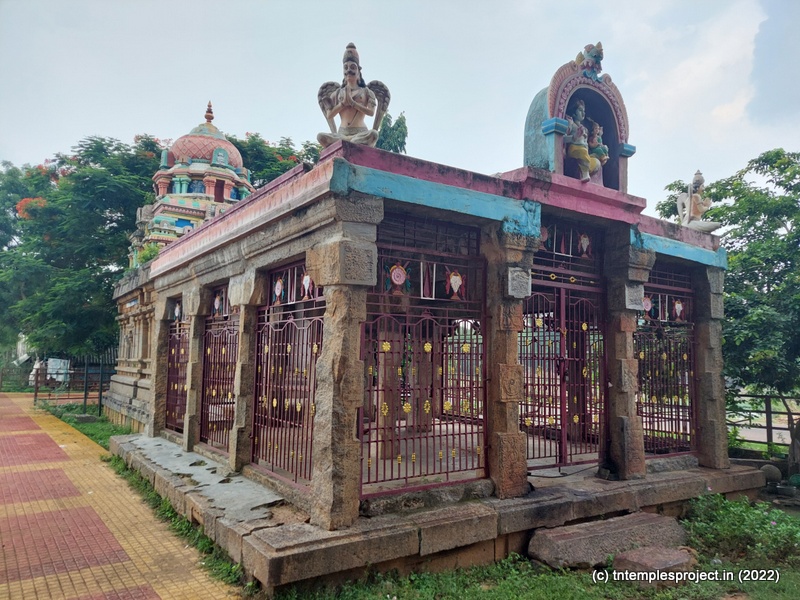
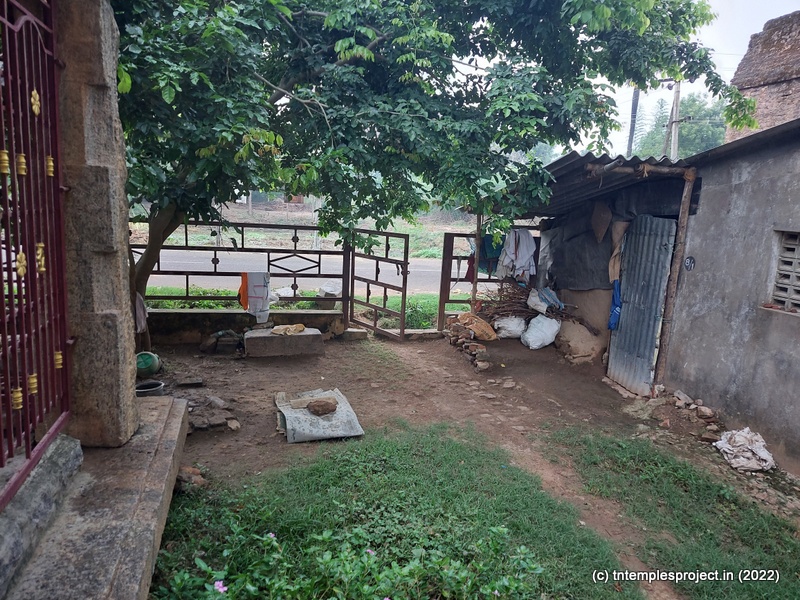
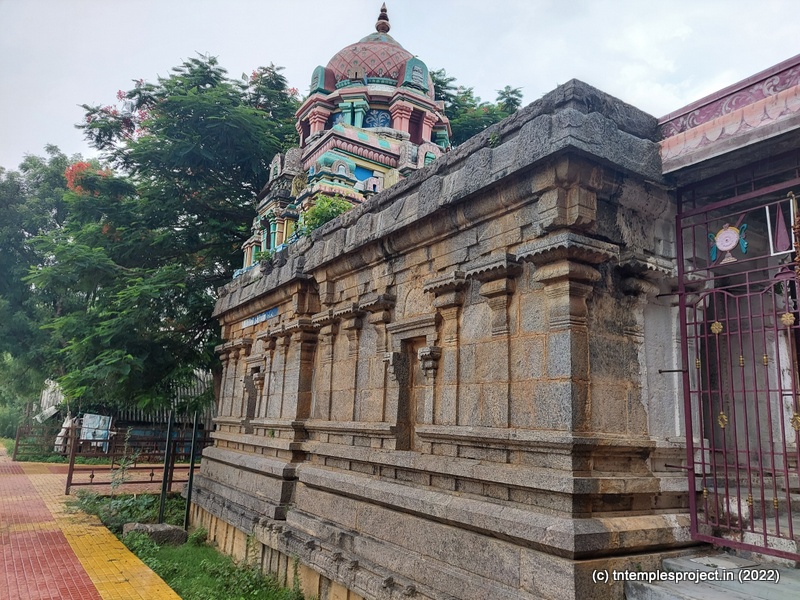
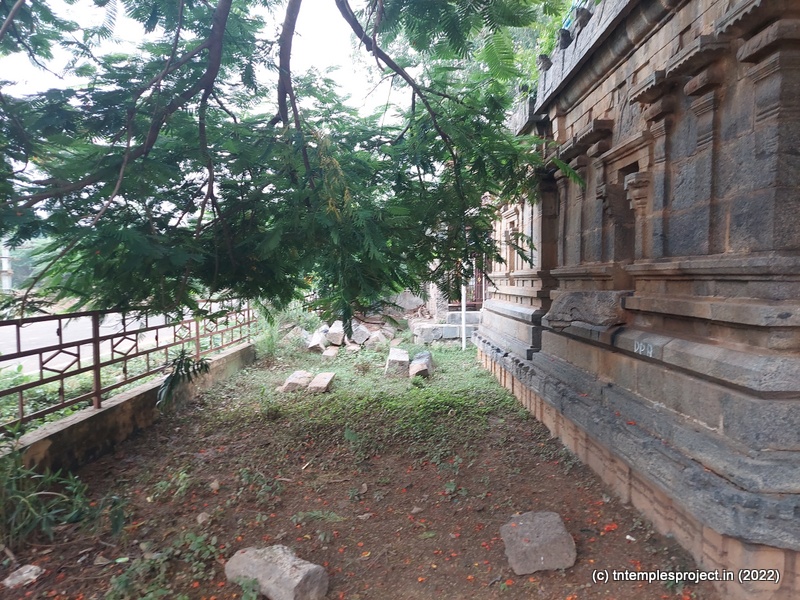
In the heart of the tranquil town of Srimushnam in the Cuddalore district, stands the barely noticed, and even less visited, ancient Lakshmi Narasimhar temple. Located at the south-east corner of the banks of the Nitya Pushkarini (the Teertham of the Bhuvaraha Perumal temple), this shrine is sheltered by the overarching branches of the towering Ashwatha tree.
One of the Dasavataram is the Varaha Avataram, in which Lord Vishnu in the form of a boar (and hence the Bhuvaraha Perumal next door) fought and defeated the asura Hiranyaksha. The sthala puranam here is that after achieving victory, the Lord – in the form of Varaha – came out and shook his body – as a result, the sweat from the body formed the Nitya Pushkarini, while hairs that fell off the body became darbha grass. Then, various other items offered during worship, emanated from Varaha’s body – and for this reason, the Bhuvaraha Perumal is also called Yagna Varaha. The Lord also shed tears of joy, having saved Bhulokam. Teardrops from His left eye became the Tulasi plant, and those from the right eye brought forth the Ashwatha tree. The Lord then blessed the tree, that it would be worshipped as Vishnu Himself, and that He would dwell in the tree for ever, imparting the Vedas to the celestials. So, the deity of this temple is also called Ashwatha Narayana Perumal.
Vishnu also referred to the Ashwatha tree as Vriksha Raja, symbolizing its regal stature as the ‘king of trees’. The Tamil word for king is “arasu”, and this is said to be the reason for this tree’s name in Tamil – Arasa Maram.
Srimushnam is uniquely blessed, as it is believed that Lord Vishnu resides here in three distinct forms – the Ashwatha tree, the Nitya Pushkarini, and Bhuvaraha Perumal in the main temple.
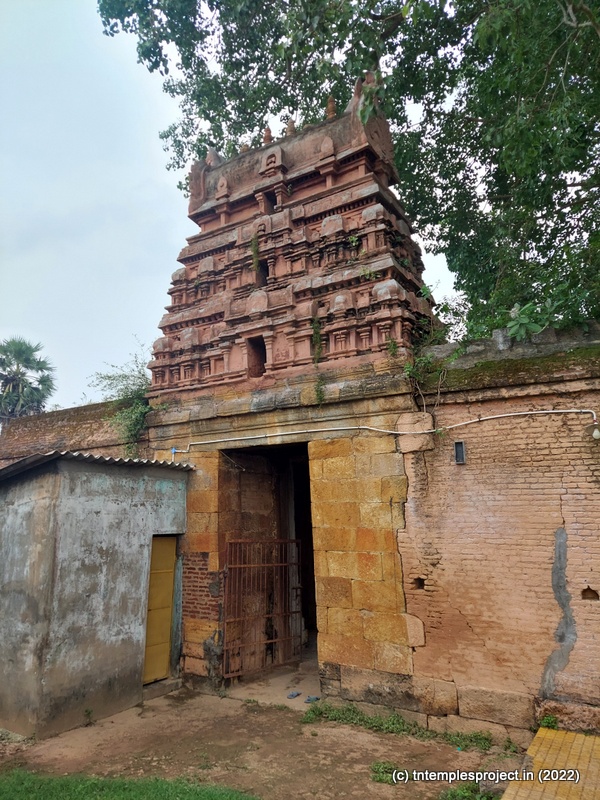
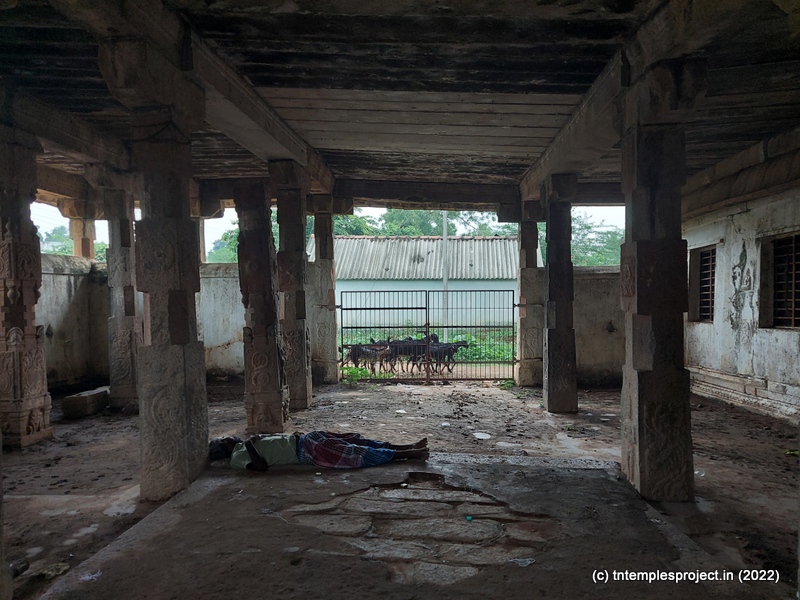
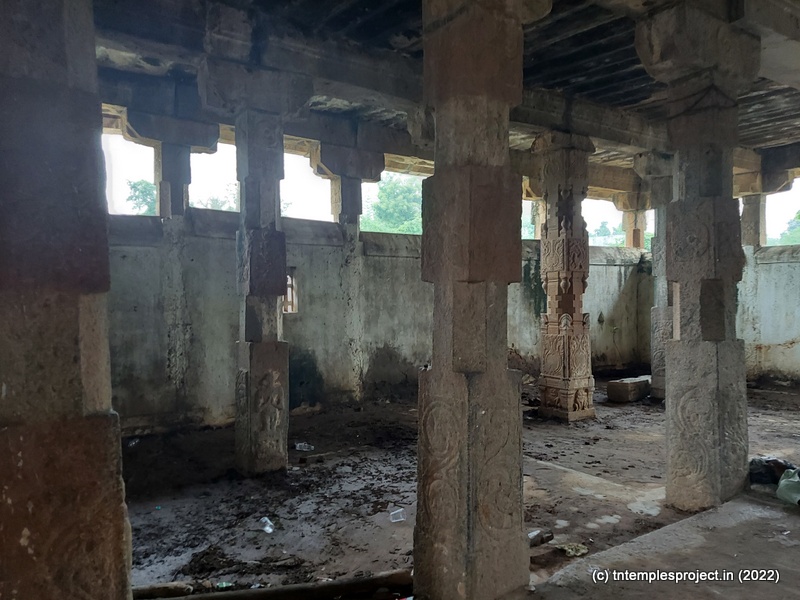
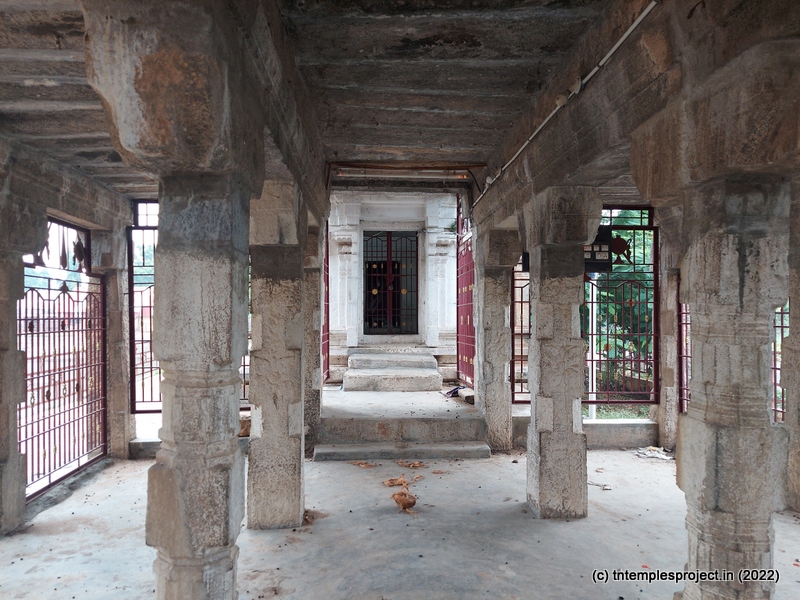
The temple is relatively simple, with just a single garbhagriham, outside which the trunk of the Ashwatha tree is present. The tree itself is within the temple complex, that is to say, the structural temple encloses the tree as well as the garbhagriham.
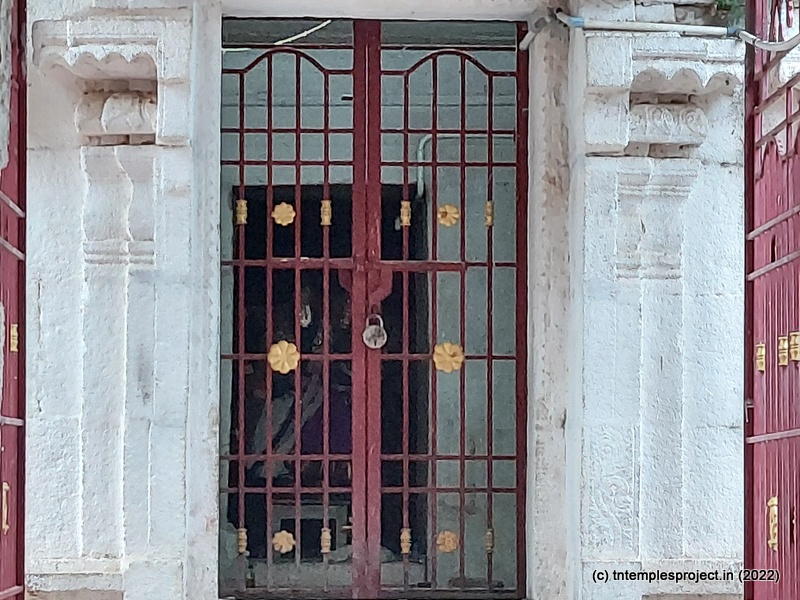
In the garbhagriham are Lakshmi Narasimhar and Bhuvaraha Swami, representing two forms of Vishnu’s Dasavataram – Narasimha and Varaha – the ones who vanquished the brothers Hiranyakashipu and Hiranyakshan. On the left are also vigrahams of Anjaneyar, Garuda and Madhvacharya.
There are varying accounts as to the age of the temple, ranging from 500 to 1000 years. Perhaps the real answer is unknown, or perhaps the temple is timeless. However, temple’s history is traceable to about 500 years ago, from the time when a single Madhva Vaishnavite clan has been responsible for the daily pujas at this temple. A member of that clan continues to perform the temple services till today.
According to custom, this temple must be visited first before visiting either the Nitheeswarar temple or the Bhuvaraha Perumal temple.
Devotees worship here and pray to get married, for childbirth, and also to be protected from the negative effects of Rahu and Ketu dosham. The sacred waters of the pushkarini are also considered to be a cure-all for diseases.
Other information for your visit
Contact
Gallery
 TN Temples Project