Basic information about the temple
| Moolavar: | Visaleswarar | Ambal / Thayar: | – |
| Deity: | Siva | Historical name: | |
| Vriksham: | Teertham: | ||
| Agamam: | Age (years): | Timing: | – to – & – to – | Parikaram: |
| Temple group: | – | ||
| Sung by: | Temple set: | ||
| Navagraham: | Nakshatram: | ||
| City / town: | Tirumanamangalam | District: | Tiruvarur |
| Maps from (click): | Current location | Kumbakonam (17 km) | Tiruvarur (30 km) |
| Thanjavur (37 km) | Mayiladuthurai (47 km) |
Location
Sthala puranam and temple information
The Abatsahayeswarar temple at Alangudi, also known as the Guru Bhagavan temple, is a significant religious site among the Kumbakonam Navagraham temples in India. Originally, the temple complex consisted of eight additional temples situated in the cardinal and sub-cardinal directions, serving as associated or parivara temples to the main one. However, only six of these temples remain today, namely:
Visaleswarar temple at Tirumanamangalam (north)
Abhimukheeswarar temple at Poonairuppu (east)
Agneeswarar temple at Poonairuppu (south-east)
Yamaneswarar temple at Narikkudi (south)
Nirutheeswarar temple at Pulavar Natham (south-west)
Varuneswarar temple at Poonthottam (west)
The last four temples derive their names from the guardian deities associated with their respective directions, namely Agni (fire), Yama (death), Nirutti (destruction), and Varuna (water). These six temples have suffered from varying degrees of decay and lack proper maintenance. To compound the problem, the existence of these temples is hardly known to most people, and as a result, they receive a far lower number of devotees compared to the main Alangudi temple.
The sthala puranam, or the mythological significance, of the Abatsahayeswarar temple is a part of the Alangudi temple’s sthala puranam. According to legend, Dakshayani (also known as Sati), the consort of Lord Siva, visited her father Daksha’s yagam (sacrificial ritual) against Lord Siva’s wishes. As penance for her actions, she worshipped at Alangudi and prayed to be reunited with Lord Siva in her next life. It is believed that their divine marriage took place at this temple, which is why the place is called Tirumanamangalam (Tirumanam meaning wedding, in Tamil).
This Visaleswarar temple, together with the five remaining parivara temples mentioned earlier, plays a significant role in the annual brahmotsavam festival of the Abatsahayeswarar temple. During this festival, a re-enactment of the divine marriage between Lord Siva and Parvati takes place at the Tirumanamangalam temple every year.
Due to its association with marriage, the Abatsahayeswarar temple is considered a prarthana sthalam (a place of prayer) for those seeking to get married or facing delays in their marriage. Devotees visit the temple with the hope of seeking divine blessings and intervention in their marital matters.
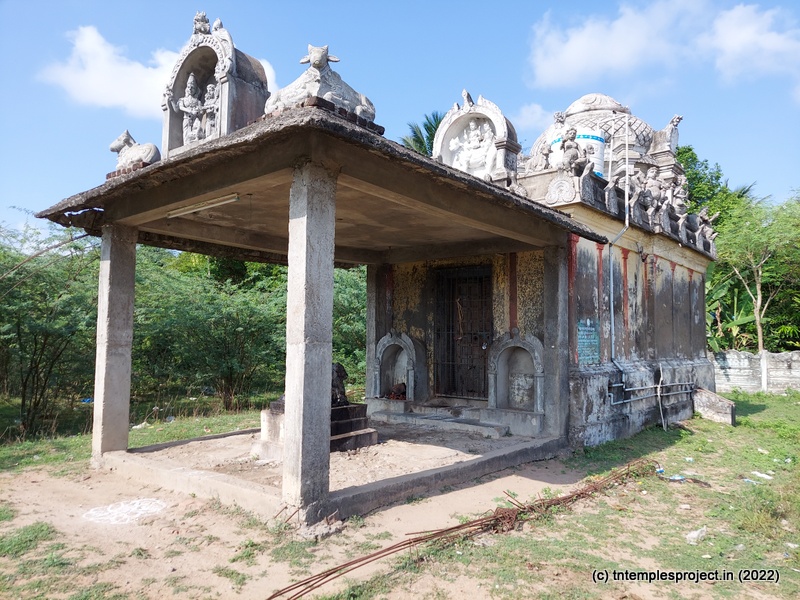
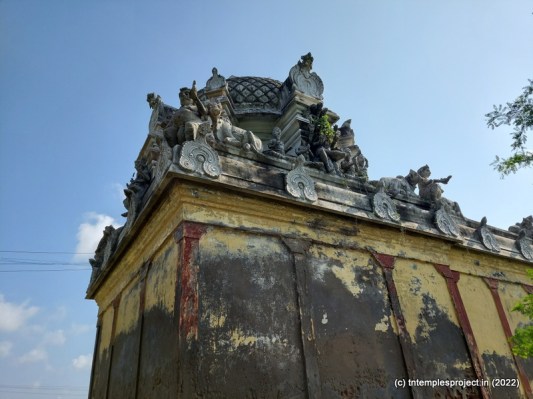
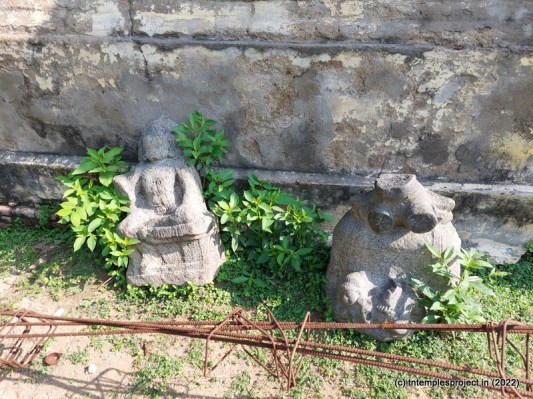
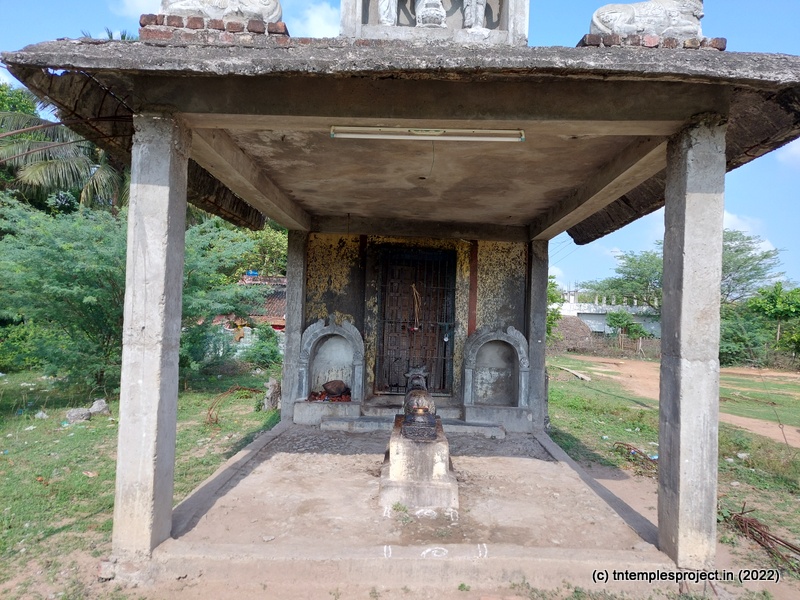
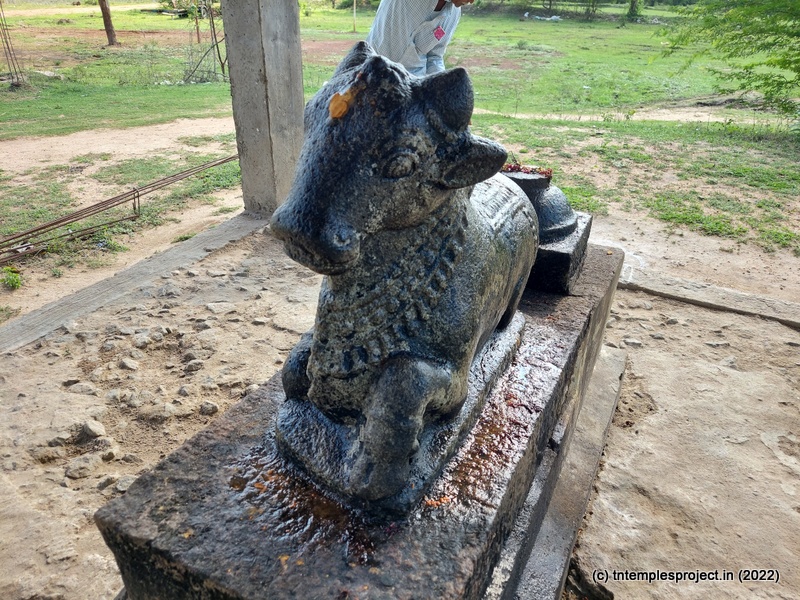
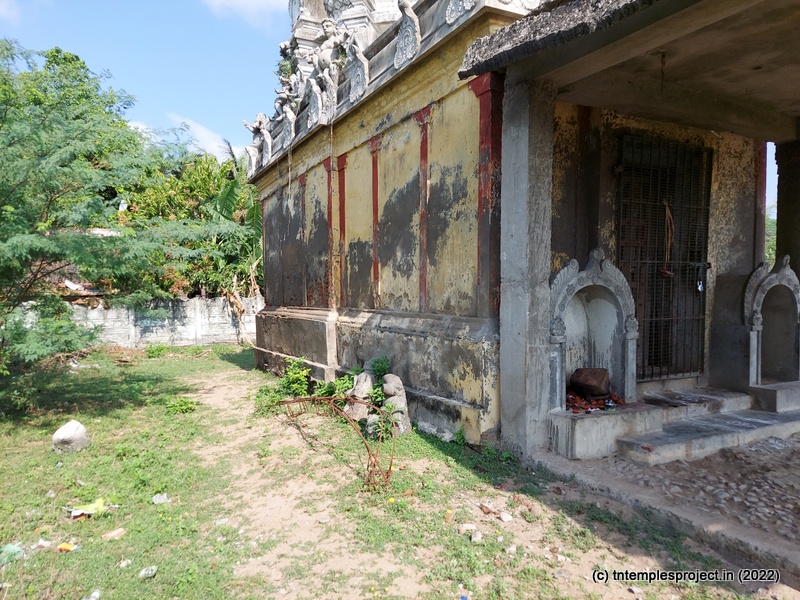
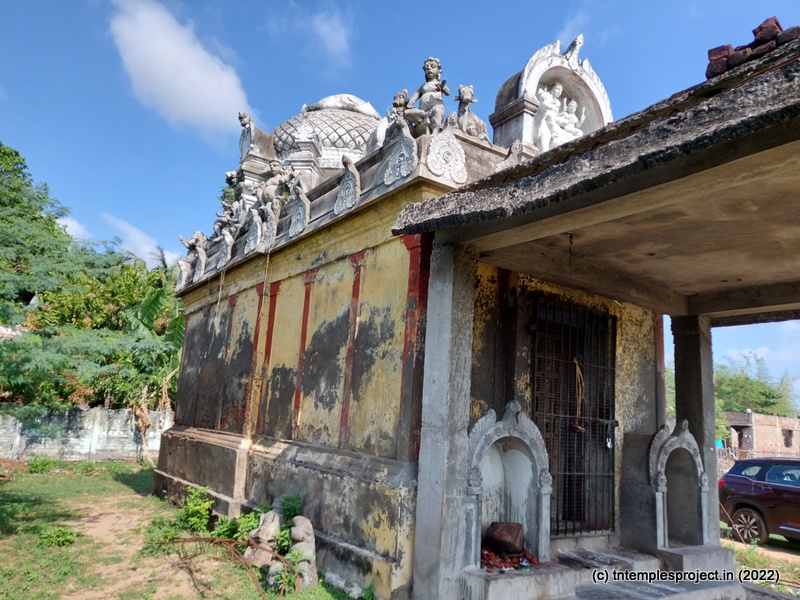
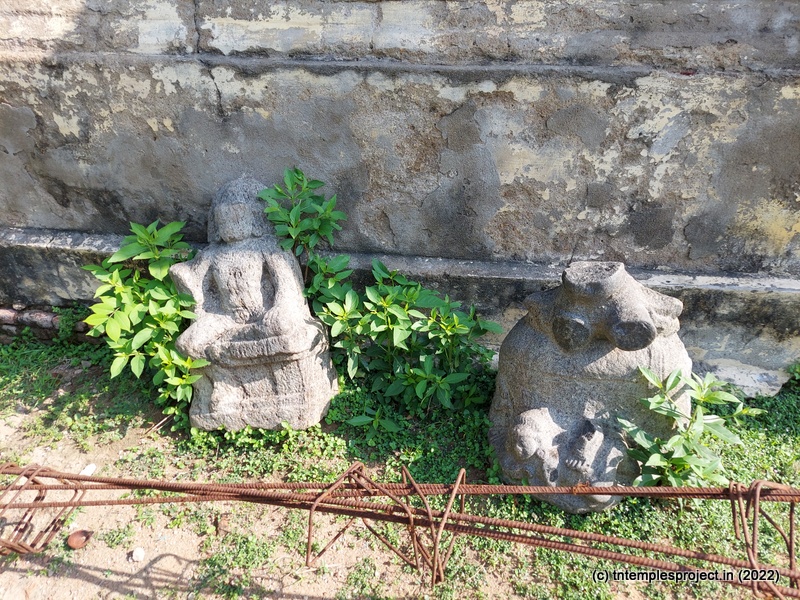
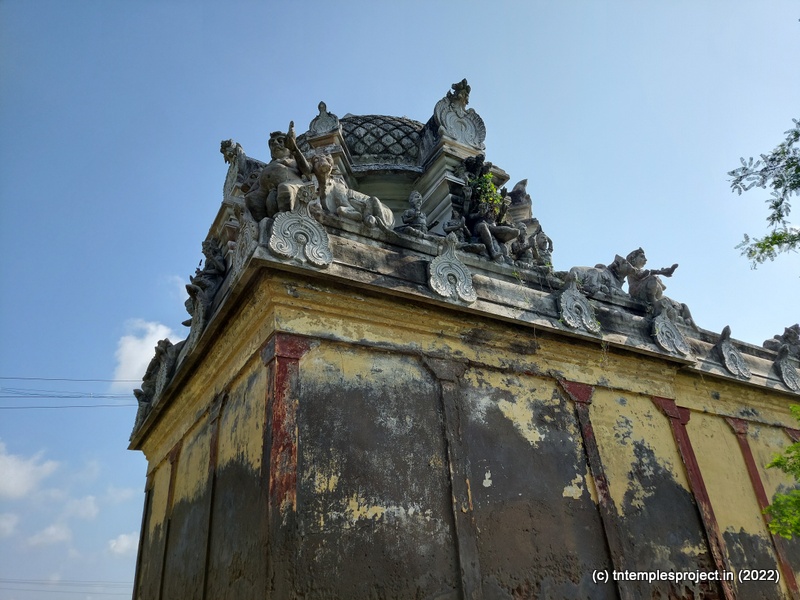
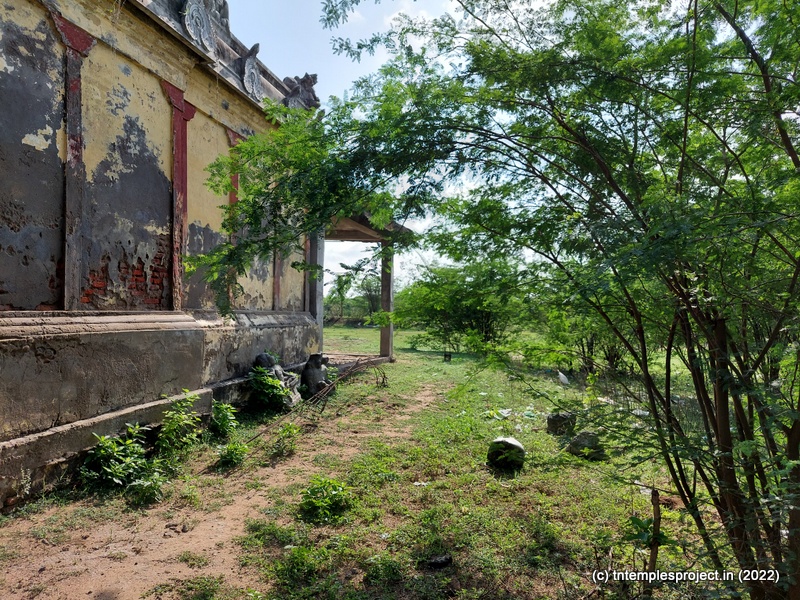
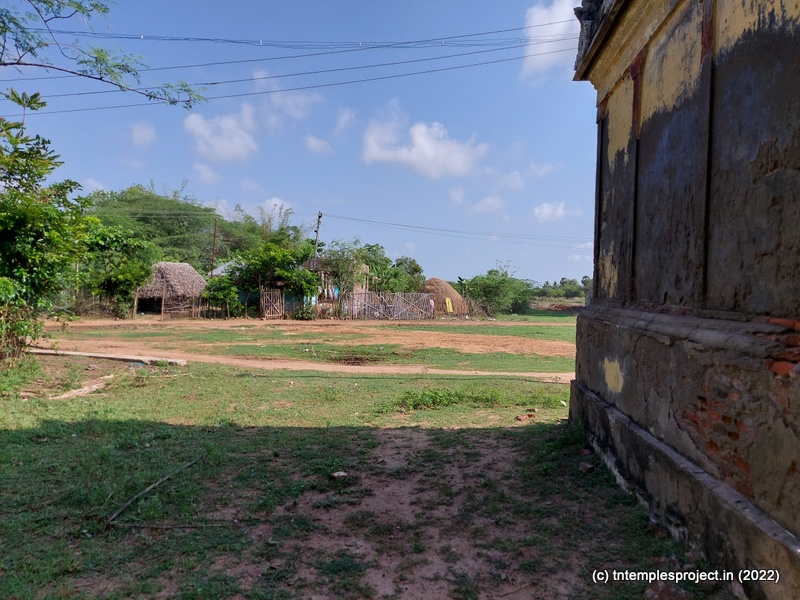
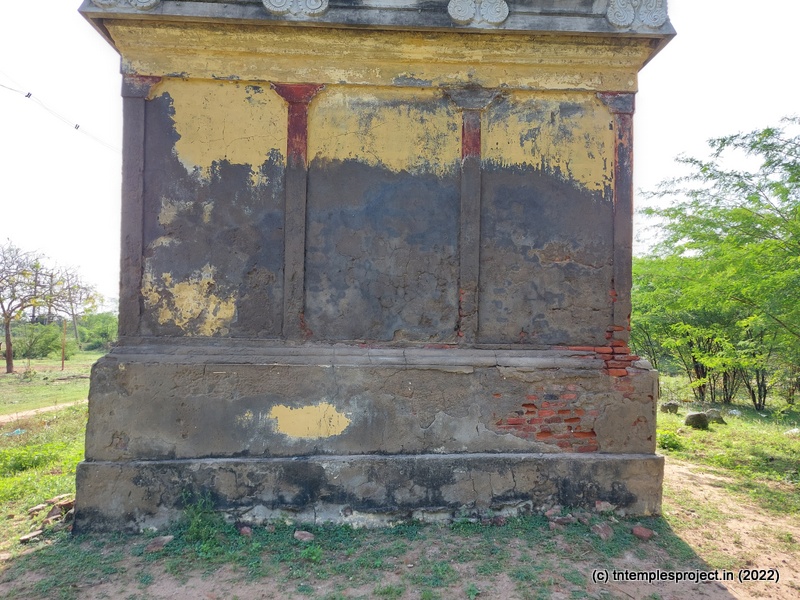
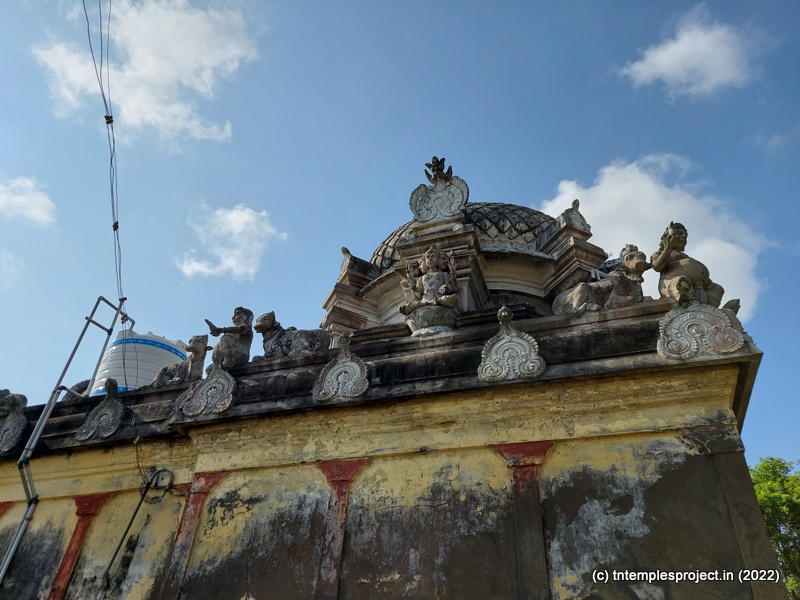
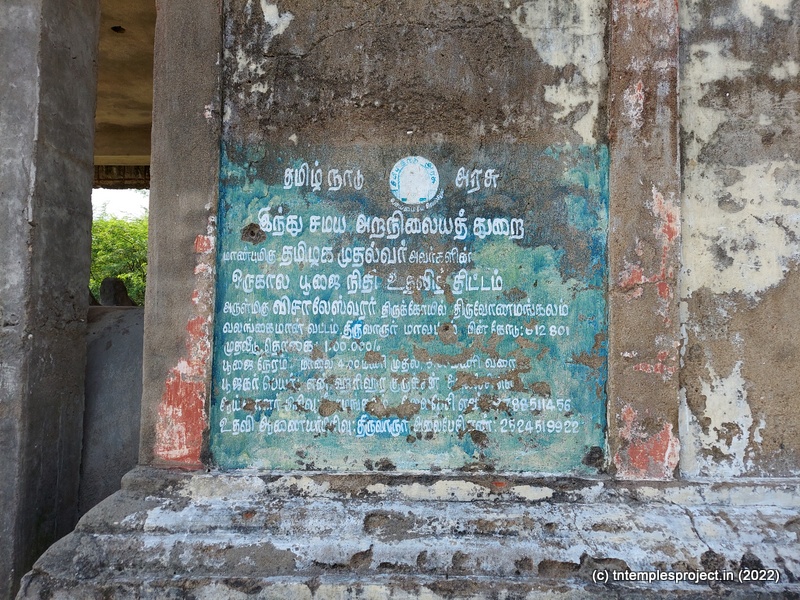
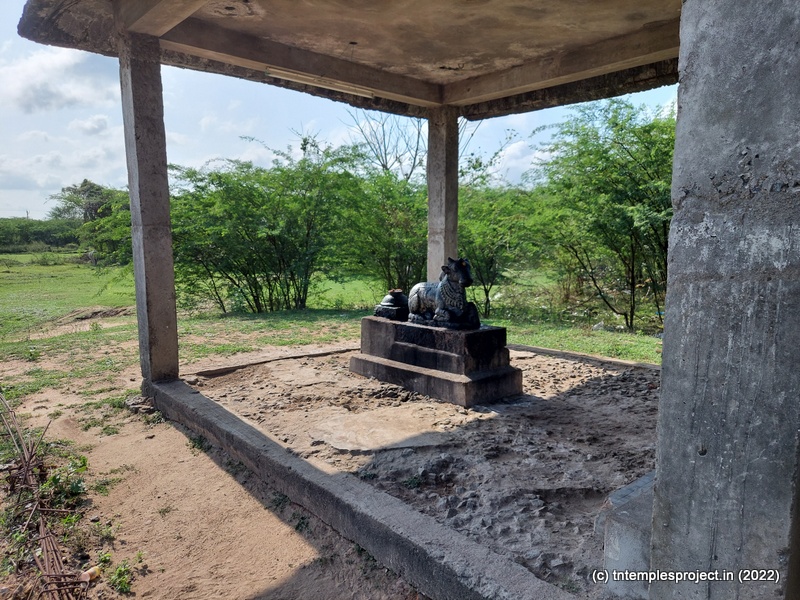
The temple lies in shambles today, with the entire temple constituted by a single shrine – the garbhagriham – with a Nandi outside. Beside the outer walls of the shrine one can see old murtis that have been discarded. The original temple here is likely to have been quite large, going by the size of the temple tank located to the immediate south of the temple / shrine.
Other information for your visit
There are no specific opening times, but we are informed that usually a priest comes in at least once a day, early in the morning; and on some days, he comes over twice.
Contact
Gallery
 TN Temples Project