Moolavar: Sundareswarar
Ambal / Thayar: Meenakshi
Location: Tirunallur
District: Thanjavur
Timings: – to – & – to –
Age: years old
Teertham:
Vriksham:
Agamam:
Temple groups: Pazhaiyarai Pancha Krosha Sthalam, , ,
Parikaram:
Distances and maps:
Kumbakonam (9 km), Mayiladuthurai (37 km), Ariyalur (43 km), Thanjavur (46 km)
Directions from your current location (ensure GPS is turned on)
While Kumbakonam may be regarded as the temple city of the Thanjavur district, with innumerable temples – virtually one in every street – the outskirts of Kumbakonam are actually rather densely filled with temples, far more than most cities and towns.
On the way from Kumbakonam to Jayamkondam, via the suburb of Koranattu Karuppur, on the western side are villages like Kadichambadi, Tirupurambayam, Alamankurichi and Eragaram, all of which are replete with temples. Similarly, on the eastern side of the road, are Koranattu Karuppur, Tiruvisanallur, Tirunallur and Kallur.
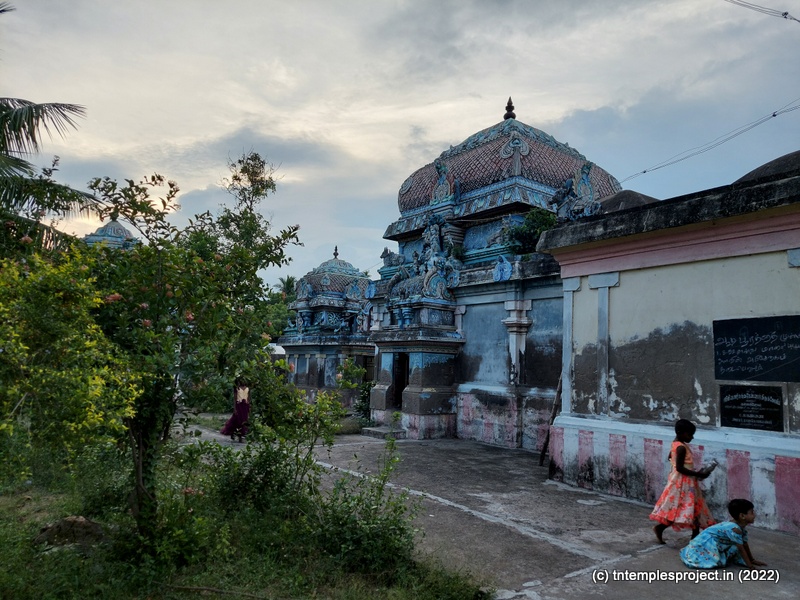
The hamlet of Tirunallur, or Nallur (not to be confused with the Tirunallur to the southwest of Kumbakonam), located south of the Manniyaru river, is home to the amazing Meenakshi Sundareswarar temple as well as the small but quaint and beautiful Varadaraja Perumal temple. These two temples are located virtually at opposite ends of the east-west street, which therefore must have been an Agraharam back in the day (and perhaps still is, although there are virtually no obvious signs of it today).
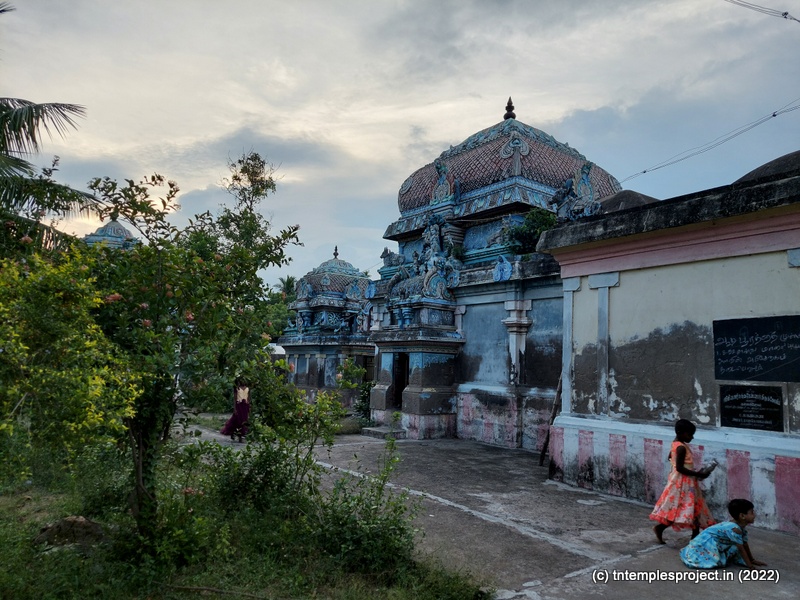
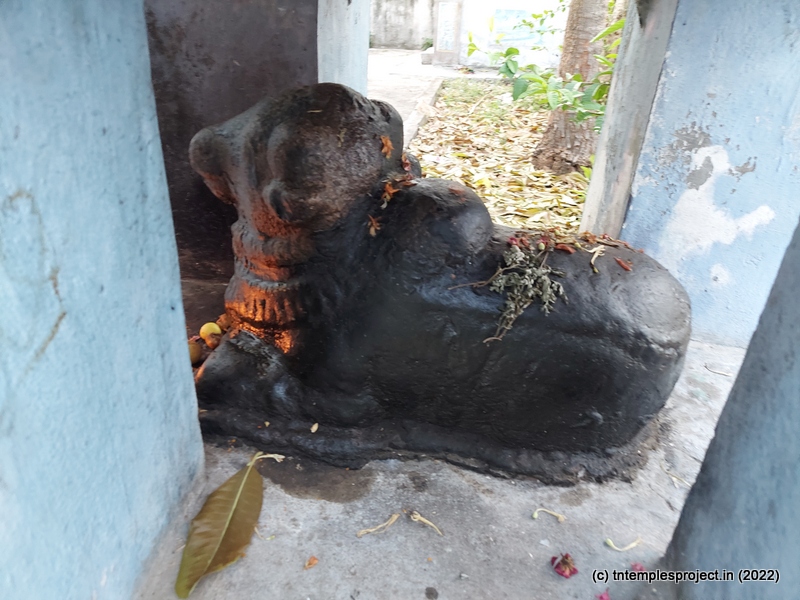
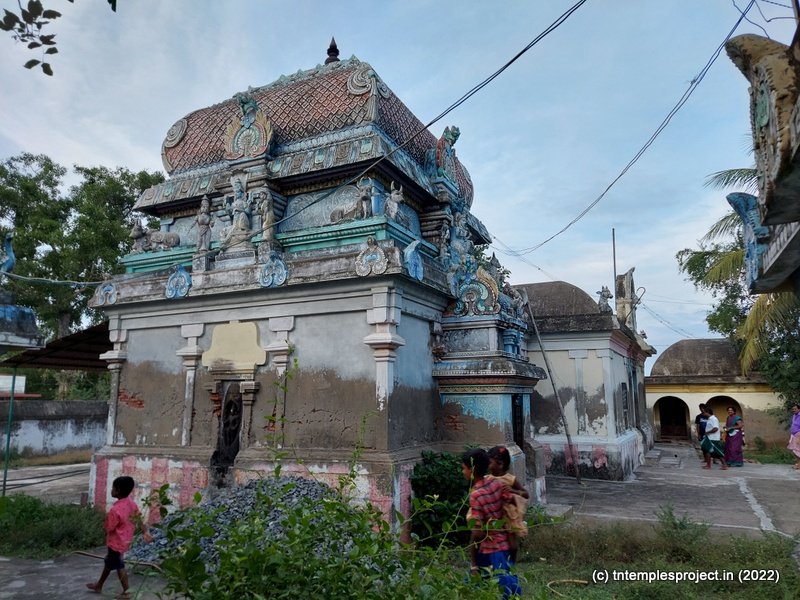
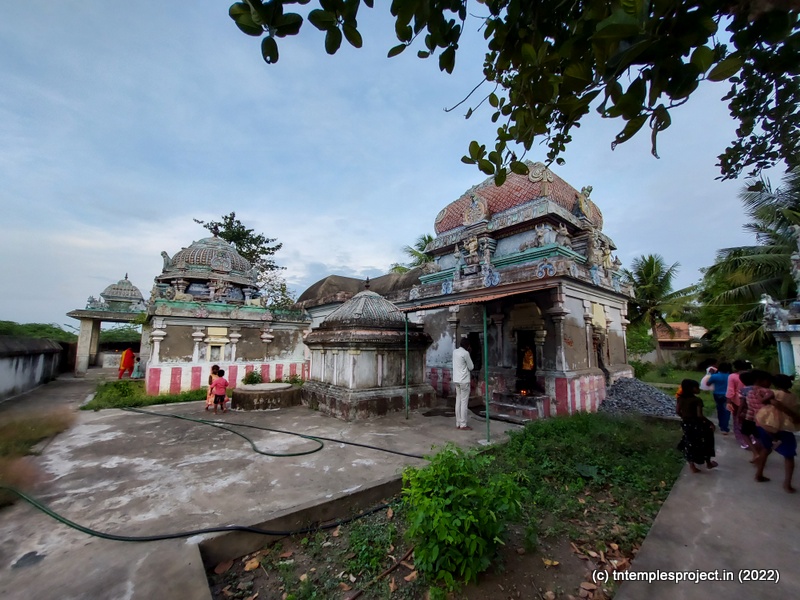
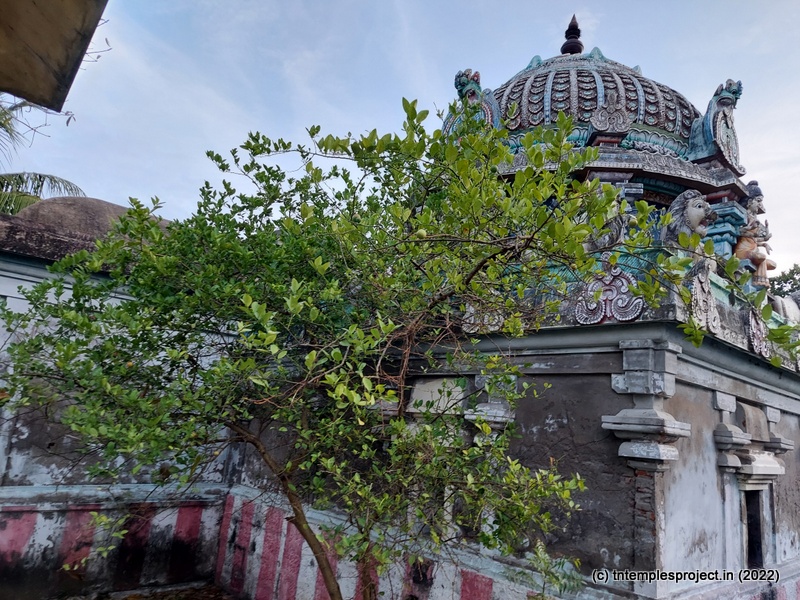
There is no recorded sthala puranam for this temple. However, there are various indicators that point to the age of this temple, including its overall area, the pradosha Nandi, the the design of the vimanam over the garbhagriham. The architecture here is also exceptional. Based on these, it is estimated that this temple is likely from the later Chola period, and therefore about 1000 years old, from the time of Kulothunga Chola II or Kulothunga Chola III (and hence, the same vintage as the Perumal temple of this village).
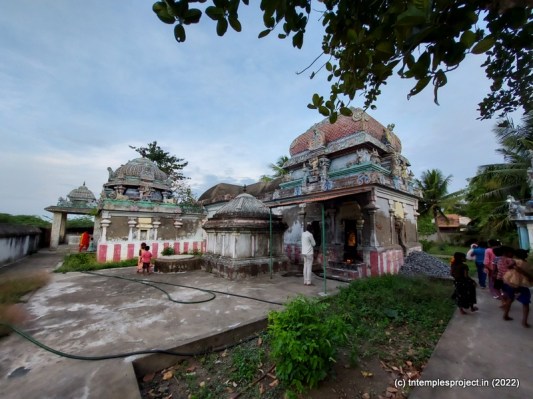
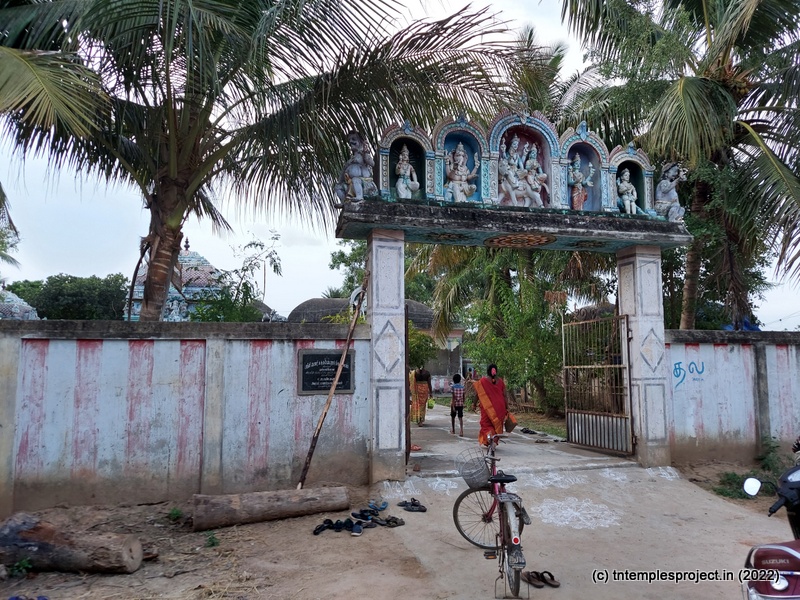
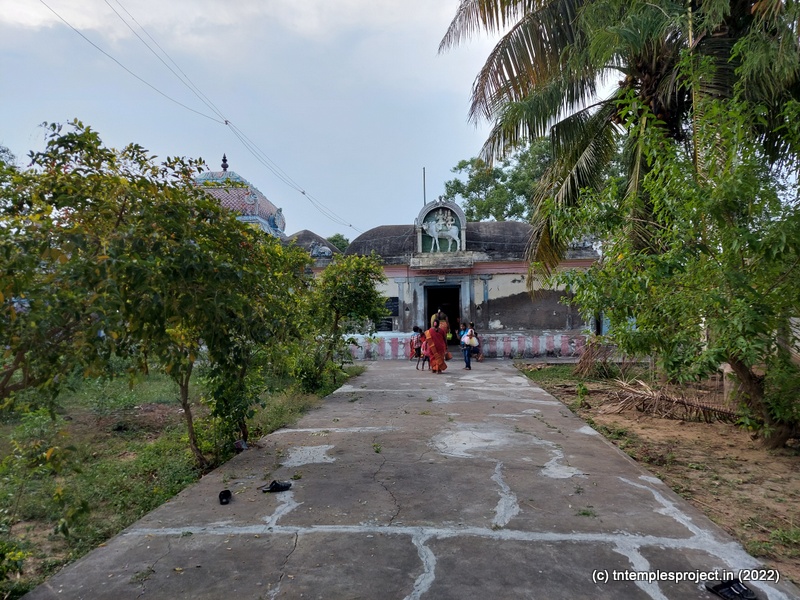
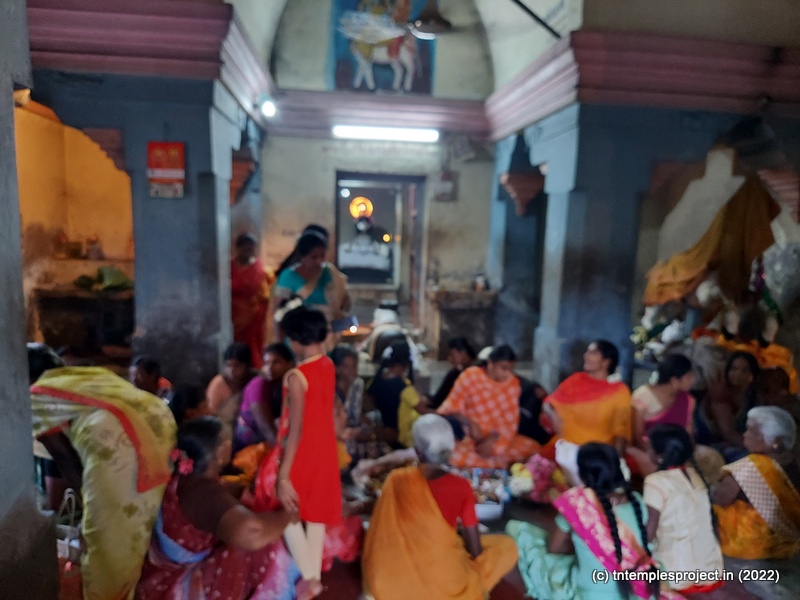
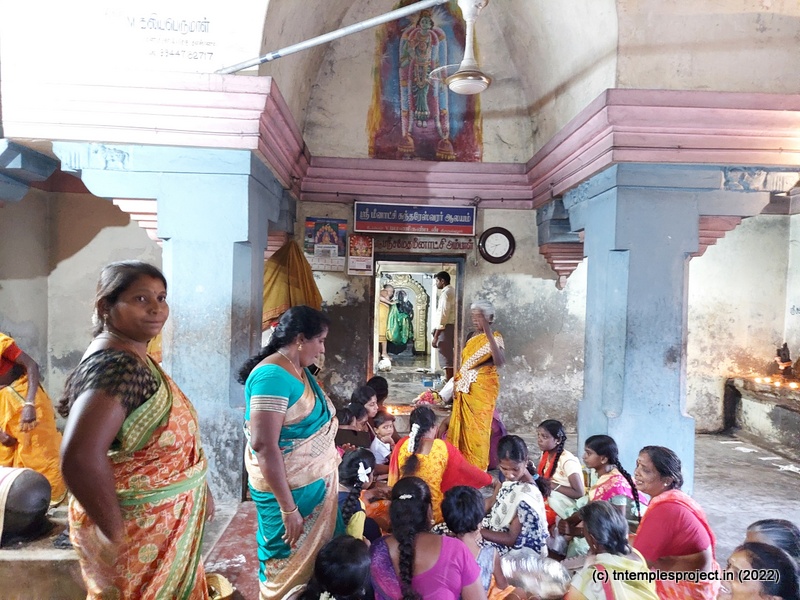
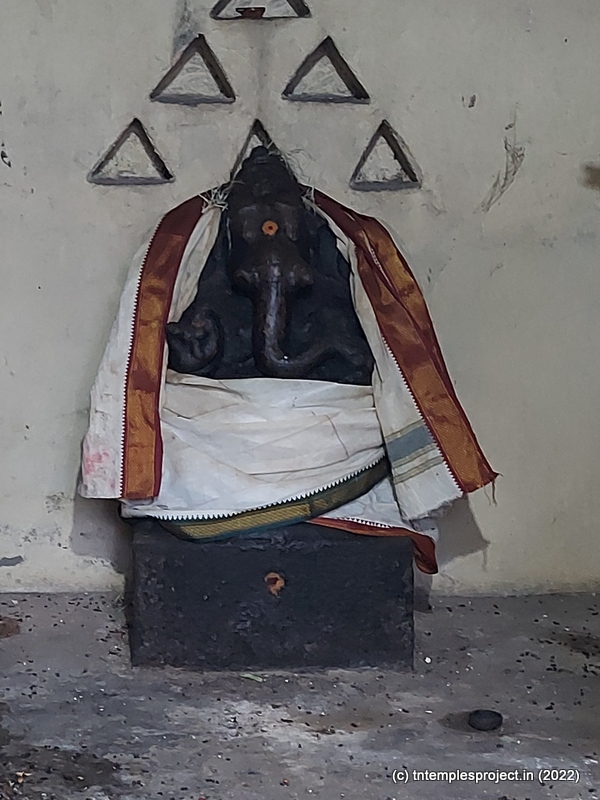
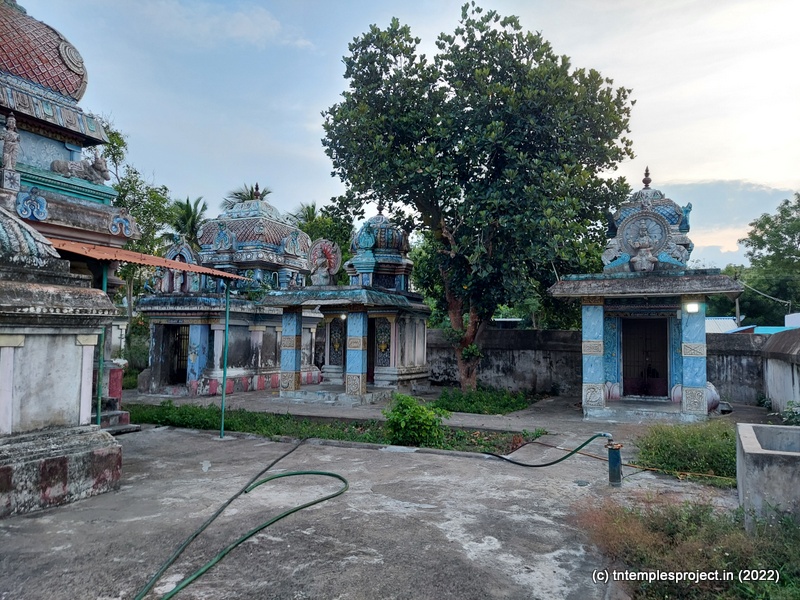
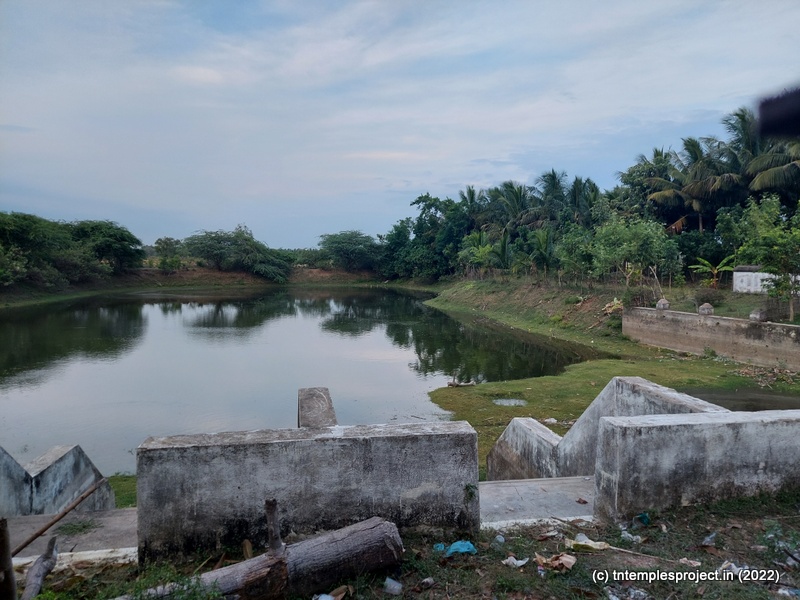
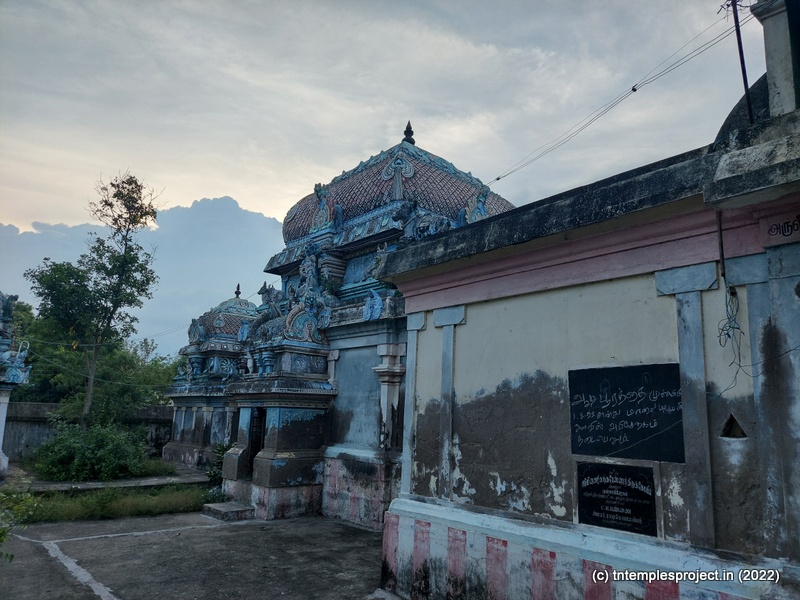
The temple faces east, but the temple tank (which is shared with the Varadaraja Perumal temple down the street) is located on the east, and so the main entrance to the temple is from the south. A pathway leads to the maha mandapam, which houses the garbhagriham and the Amman shrine. Vinayakar sits guard outside the garbhagriham.
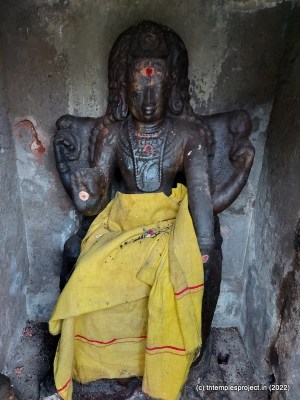
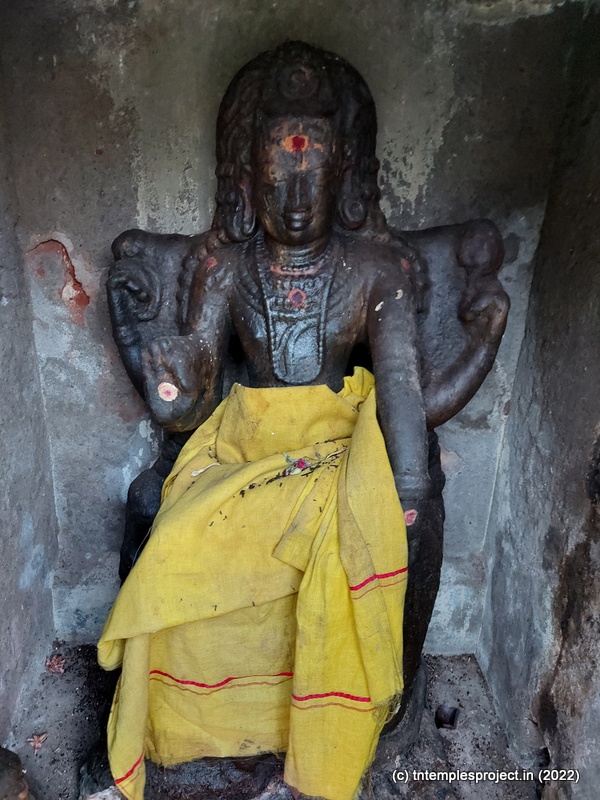
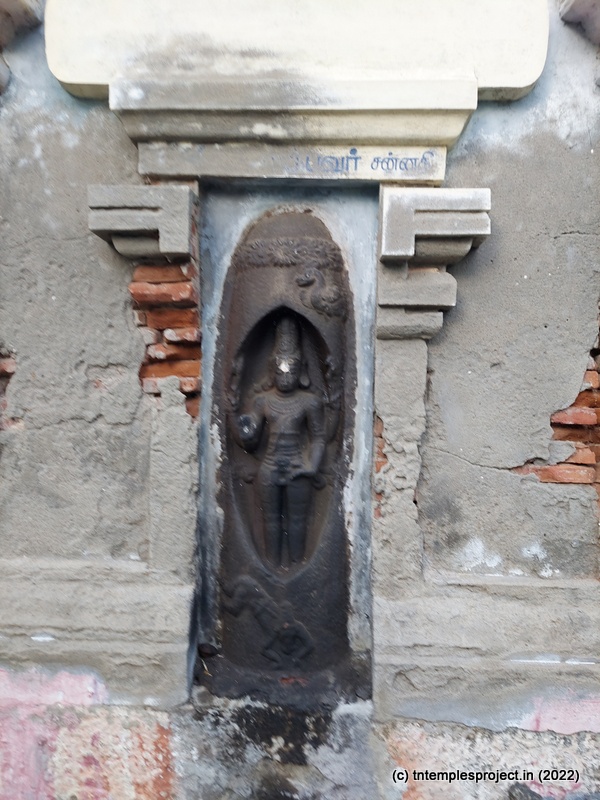
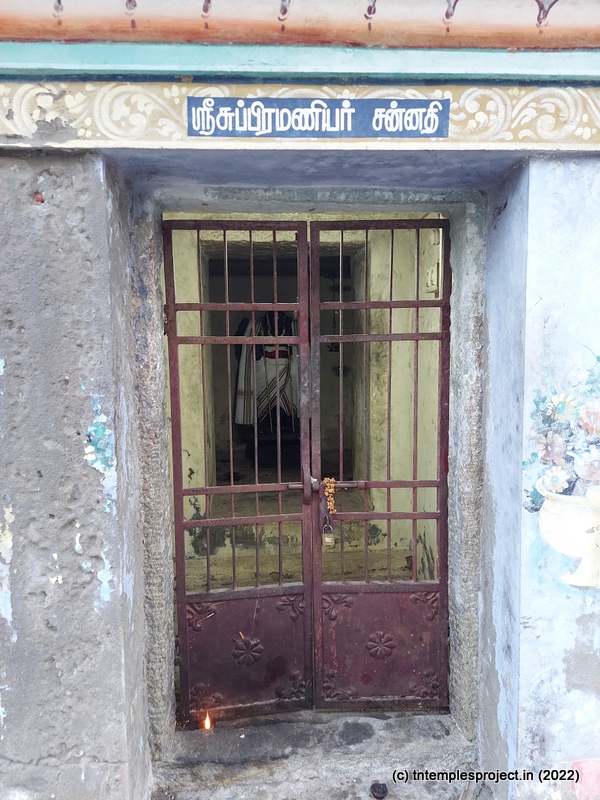
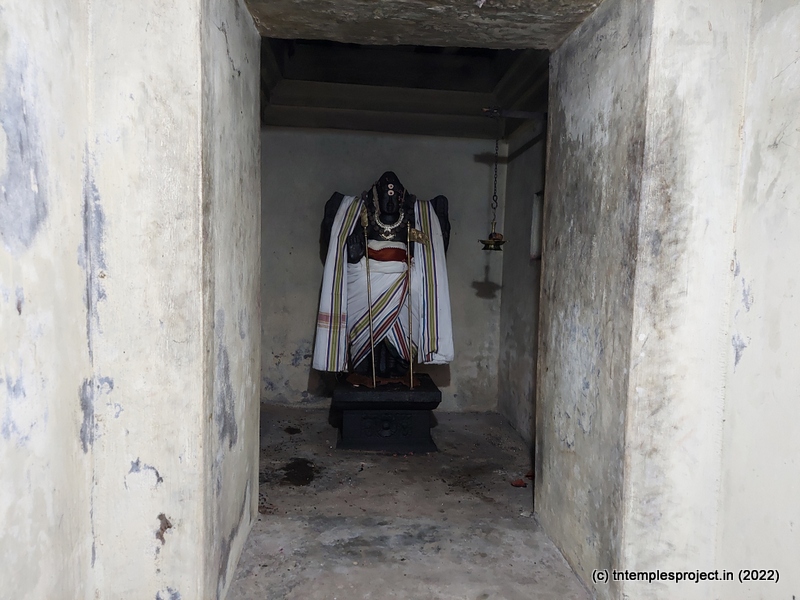
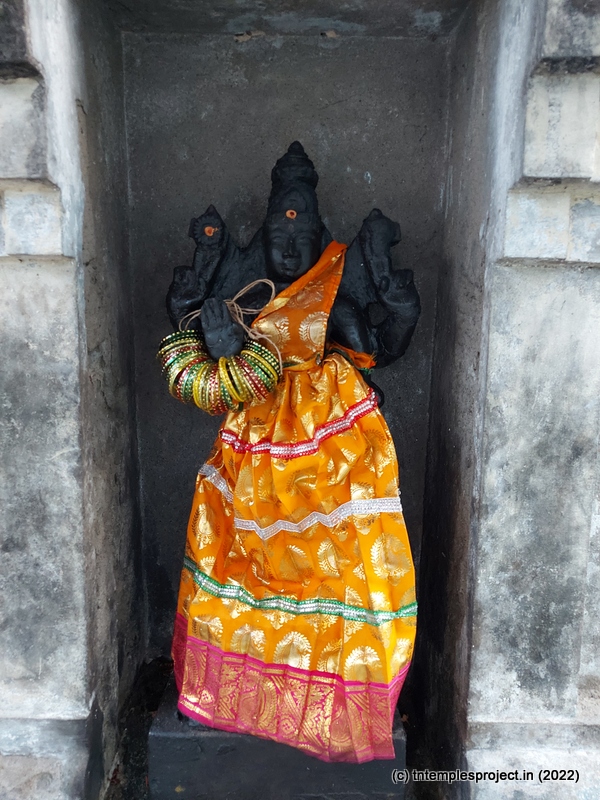
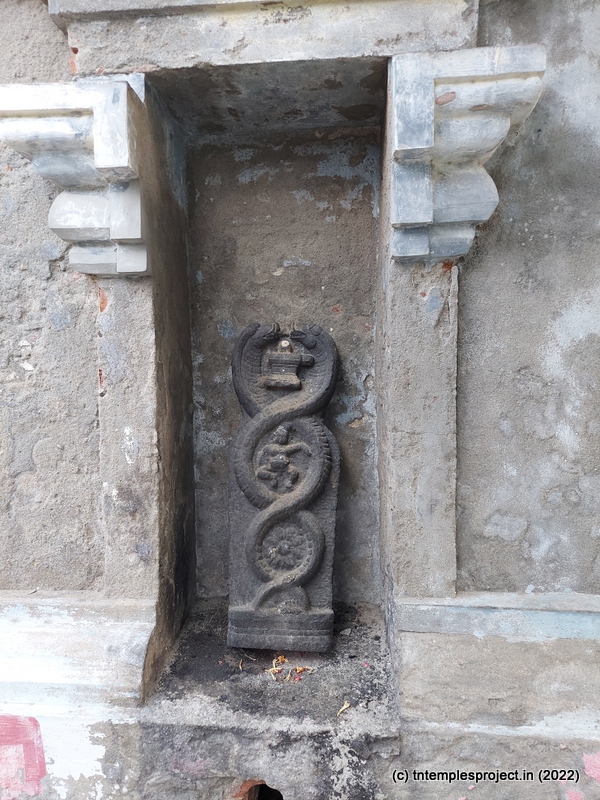
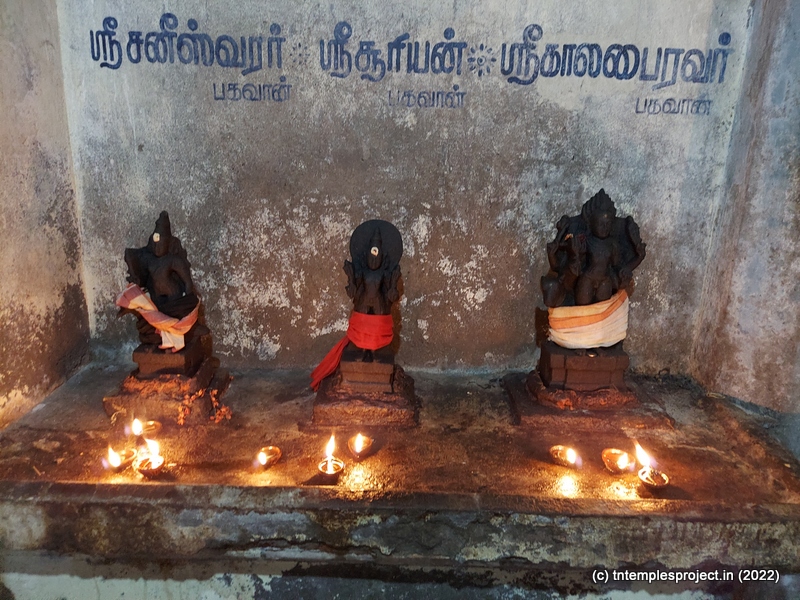
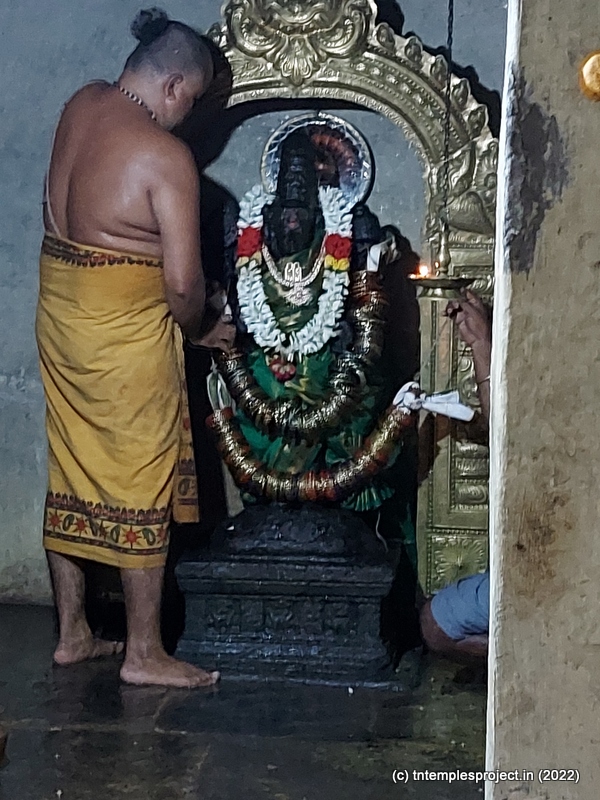
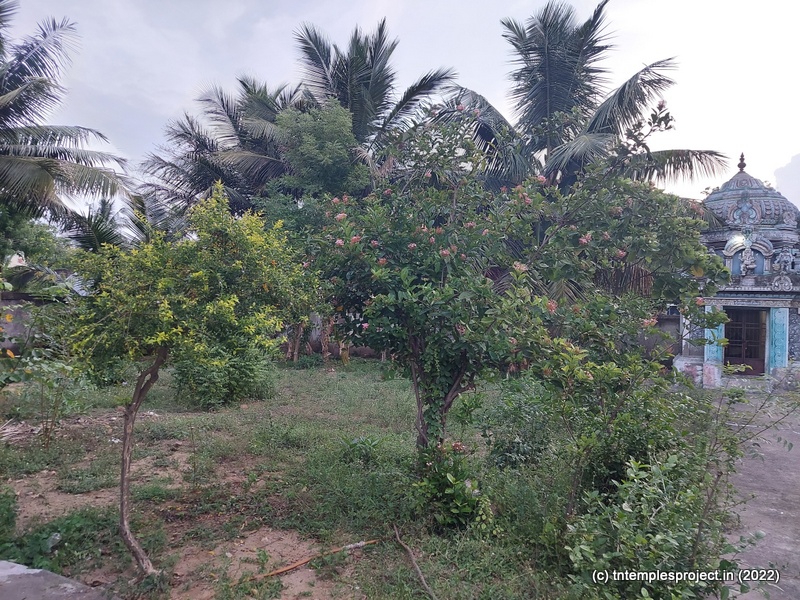
In the koshtams are Dakshinamurti, Lingodhbhavar, and Durga (interestingly, Durga is placed in a koshtam even before the Brahma koshtam, and She is named Karkka Devi; there is no Brahma in the koshtam here). In the prakaram are Vinayakar, Murugan (without his consorts), Gajalakshmi, and Chandikeswarar. There is s separate navagraham shrine. In the northeastern part of the maha mandapam are Sani, Suryan and Bhairavar. The entire temple sits in the middle of a relatively well maintained nandavanam / garden, which provides a pleasing atmosphere for worship and contemplation.
 TN Temples Project