Basic information about the temple
| Moolavar: | Skandanathar | Ambal / Thayar: | – |
| Deity: | Siva | Historical name: | |
| Vriksham: | Teertham: | ||
| Agamam: | Age (years): | Timing: | – to – & – to – | Parikaram: |
| Temple group: | Vaippu sthalam | – | |
| Sung by: | Temple set: | ||
| Navagraham: | Nakshatram: | ||
| City / town: | Eragaram | District: | Thanjavur |
| Maps from (click): | Current location | Kumbakonam (7 km) | Mayiladuthurai (40 km) |
| Thanjavur (41 km) | Ariyalur (43 km) |
Location
Sthala puranam and temple information
The temple at Eragaram, believed to be over 2000 years old, holds a rich history deeply intertwined with Tamil culture and religious significance. Initially known as “Er” or “Eragam,” references to this site date back to the third century, mainly Sangam literature such as Tirumurugattruppadai by Nakkeerar and Elango Adigal’s Silappathikaram.
Soorapadman, an asura, performed various austerities and obtained a boon from Siva, which made him very powerful. As a result, he took over all three worlds and began ill-treating everyone including the Devas, Rishis and Celestials, who went to Siva and begged him to save them. A boon once given cannot be taken back, and so Siva created six powerful sparks out of his third eye, which were carried by the six Krittikas, and became Kartikeya (Murugan). Lord Siva instructed Murugan Siva to go protect the sages, and also gave him a weapon, instructing him to set up a temple at the place it landed on earth. It is said that this is the place – Eragaram – is where the weapon fell. It is said that Murugan set up a temple for His parents here, and went to nearby Swamimalai to live there.
A variant of the above is that after vanquishing Soorapadman at Tiruchendur, and on his return to Swamimalai, Murugan was felicitated by the devas here who crowned him in gold. This is how Murugan is represented in his vigraham form here.
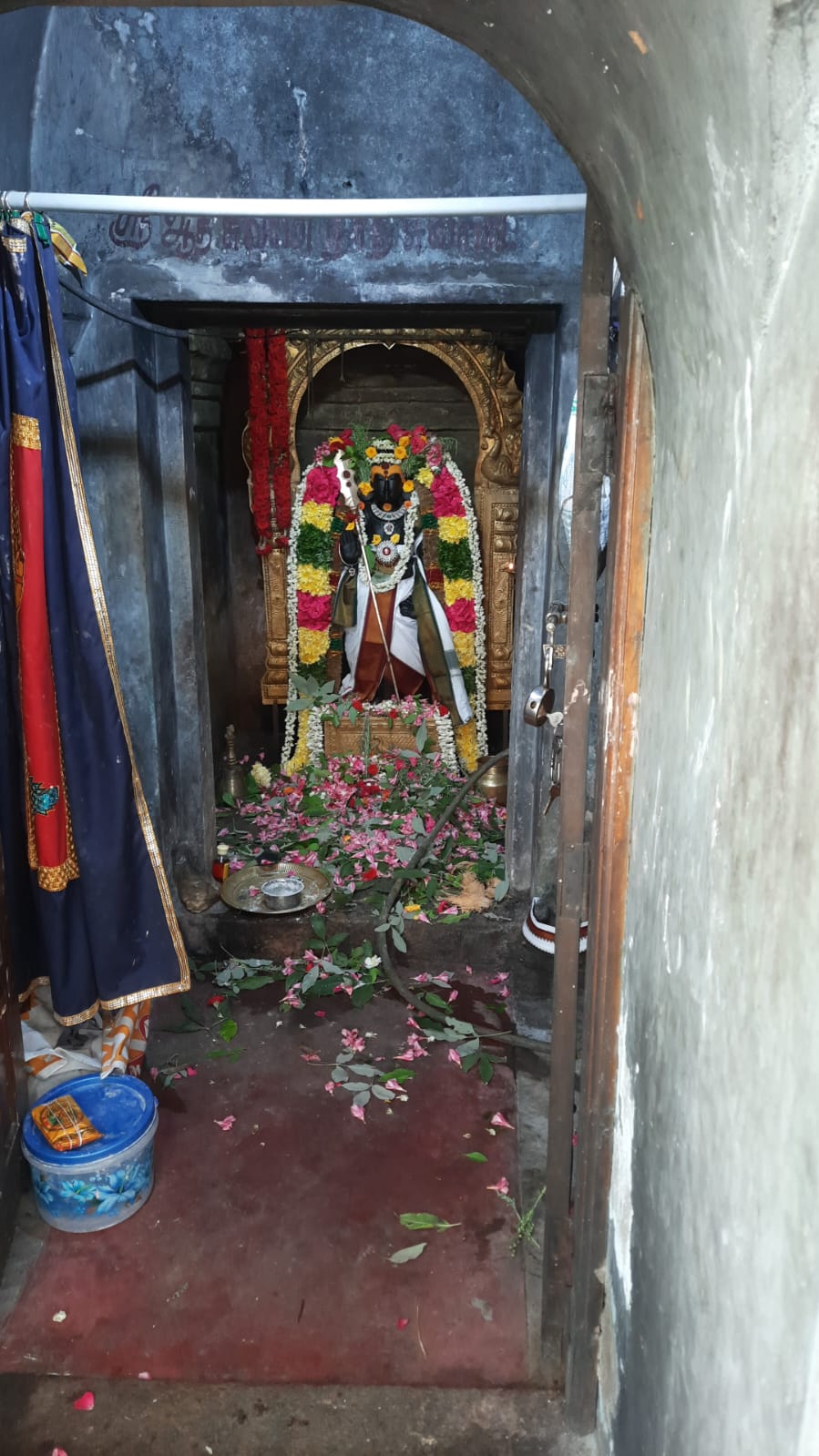
Yet another sthala puranam says, that Murugan came to live here after taking office to Lord Siva’s chastisement of Murugan for the way the latter treated Brahma. He installed a lingam here, naming the deity Skanda Parameswarar, and continued to worship Lord Siva. Despite being a Siva temple, locals refer to this temple as the Murugan temple – such is the close association between the two deities, here.
Arunagirinathar likely visited Eragaram during his pilgrimages, as evidenced by his compositions. Despite its dilapidated state, Eragaram’s significance is echoed in its association with the Swamimalai temple nearby. In fact, some believe that this temple at Eragaram is the original temple to which Lord Siva made his pilgrimage from Tiruvaiyaru, to be initiated (upadesam) into the meaning of the Pranava mantram by Murugan. Later, Lord Siva also called Parvati over from nearby Umaiyalpuram, to Eragaram, and passed on the upadesam to Her, and so She is called Sankara Nayaki at this temple.
Inscriptions and songs from various historical periods further underscore the temple’s significance as a Tevaram Vaippu Sthalam, appearing in one of Appar’s pathigams.
The etymology of the name Eragaram is also rather fascinating. Er referred to the village here, and agaram to that part of the village where brahmins resided. Therefore, Eragaram was the brahmin area of the village of Er. Literature also refers to this place by other names, such as Tiruveragam, Eraavaram, Eraaharam, etc. In the inscriptions here from the 12th century CE, the place is referred to as Mummudi Chola Mangalam. Also, because of the importance given to Murugan here, the place is also often referred to as Kumarapuram both in inscriptions and in literature.
Despite its ancient roots, the temple faced neglect and decline from the 14th century onwards due to various invasions and cultural shifts. There are undocumented stories about the destruction of this village, along with some neighbouring areas, during the Islamic forces’ invasion led by Malik Kafur in the 14th century, compounded by continued obscurity through the British rule.
This temple, and perhaps much of this village, remained unknown to the public until the middle of the 20th century, evading even scholars like Sadasiva Pandaaraththaar and Dr. U Ve Swaminathan Iyer, who had researched threadbare, the temples in the region. However, the rediscovery of Eragaram’s historical importance, derived from stone inscriptions dating back to the 12th century which attest to the temple’s past glory, indicate strong patronage by Chola rulers. The temple itself is said to have been built in that time, by the ruling Chola king, Vikrama Chola.
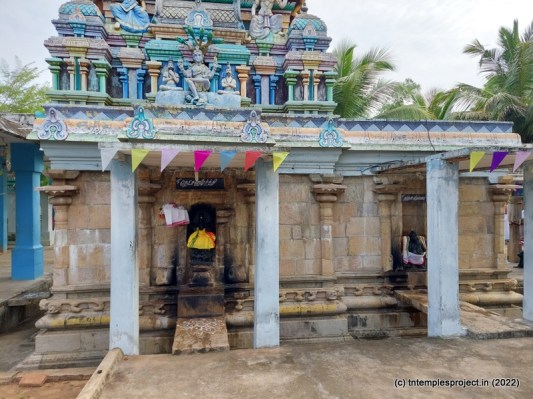
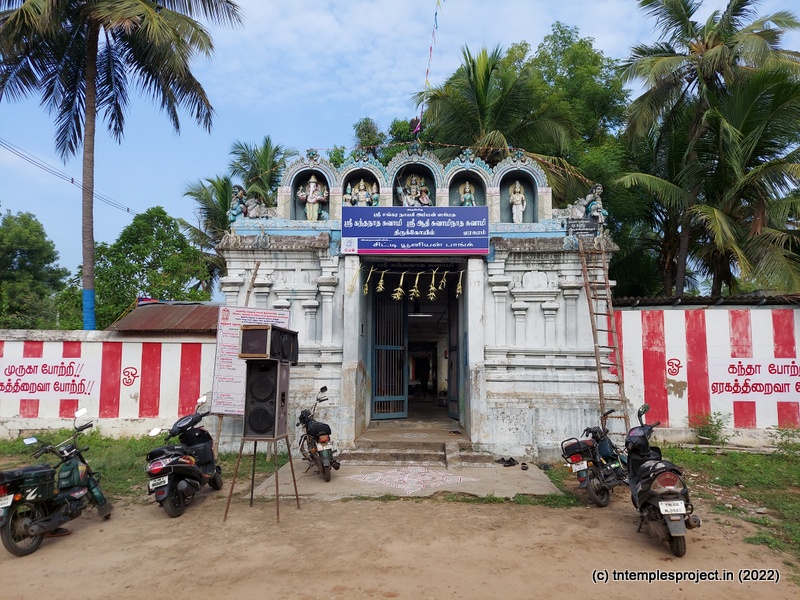
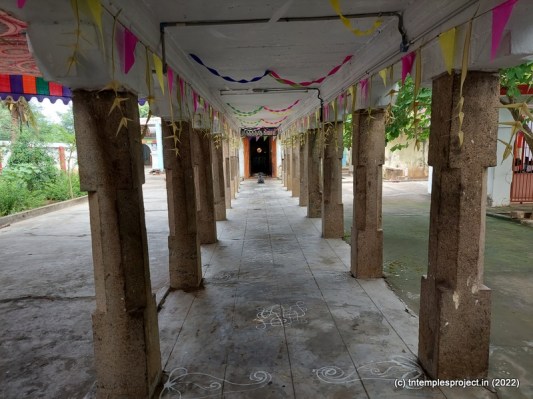
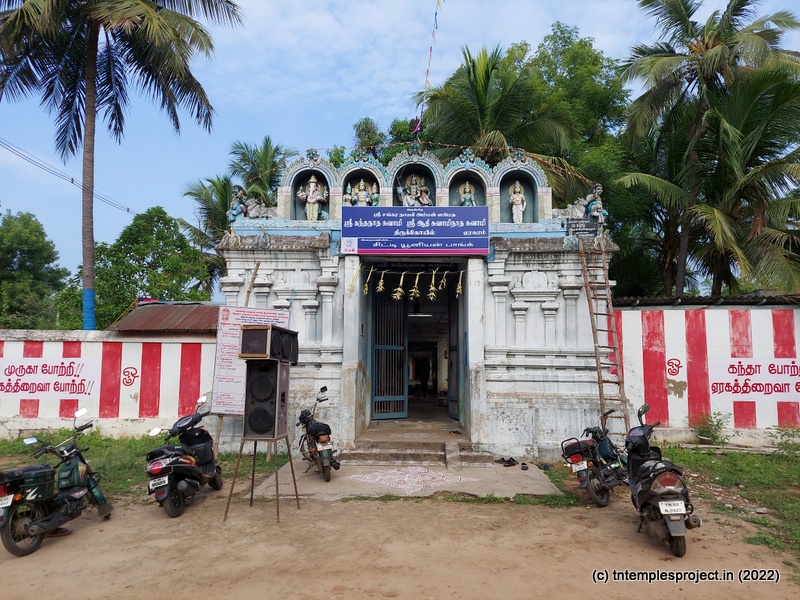
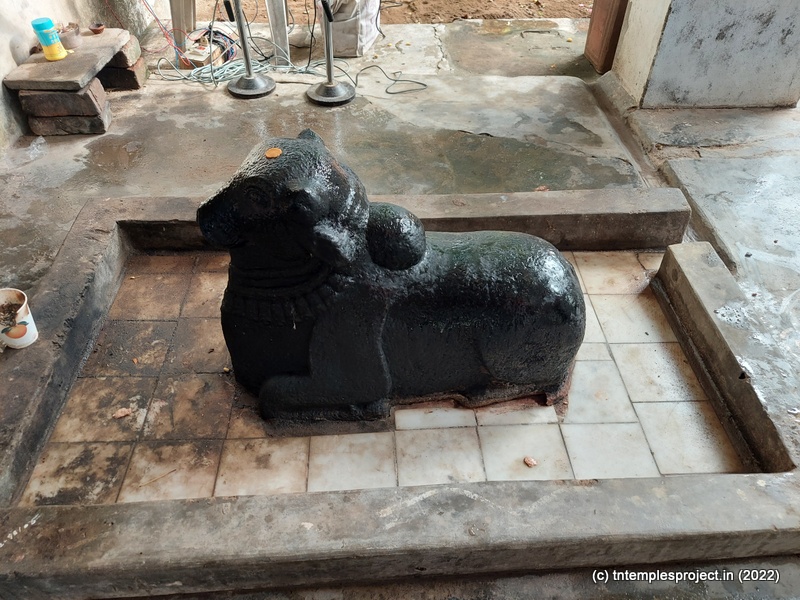
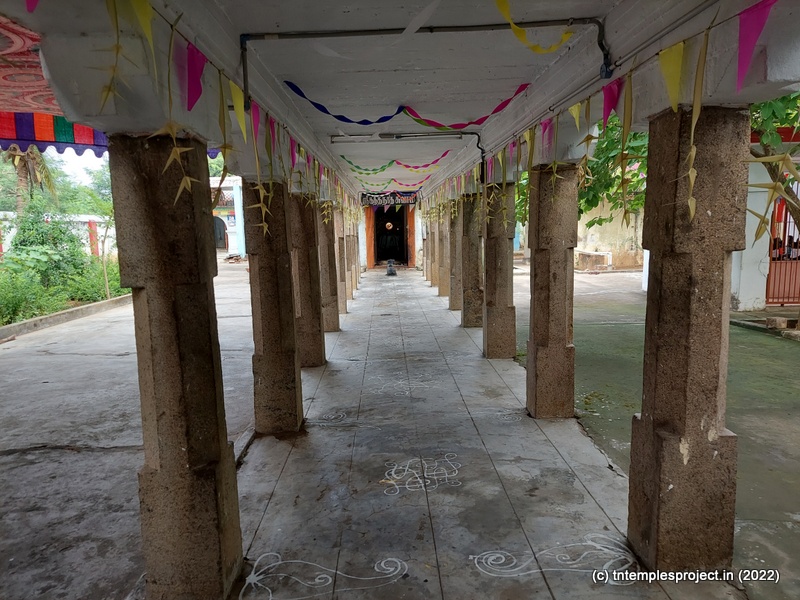
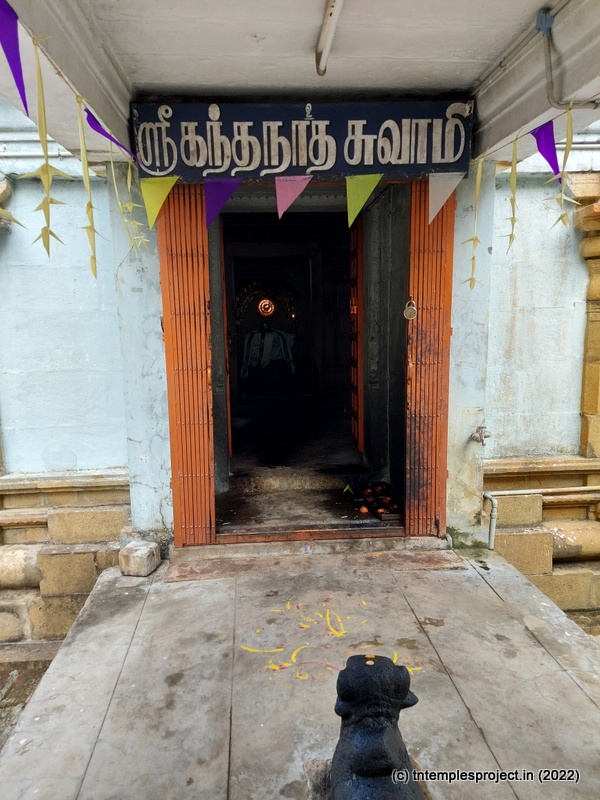
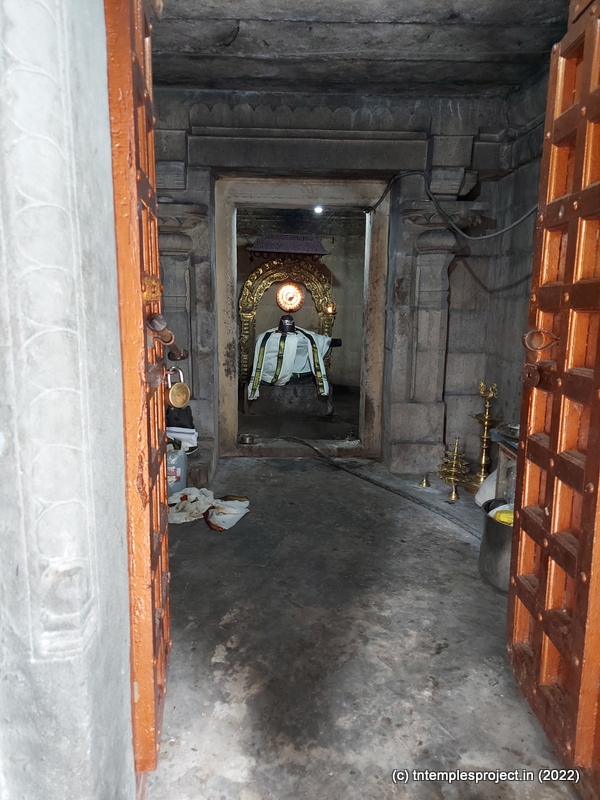
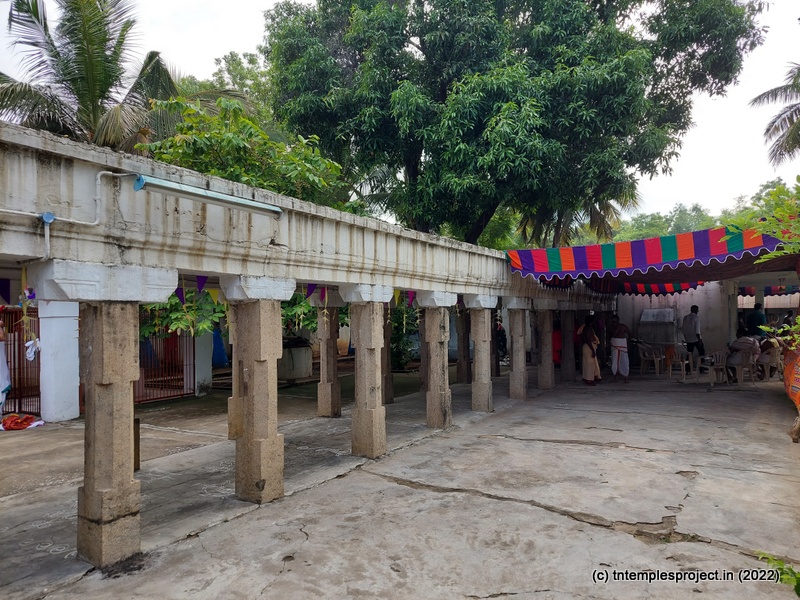
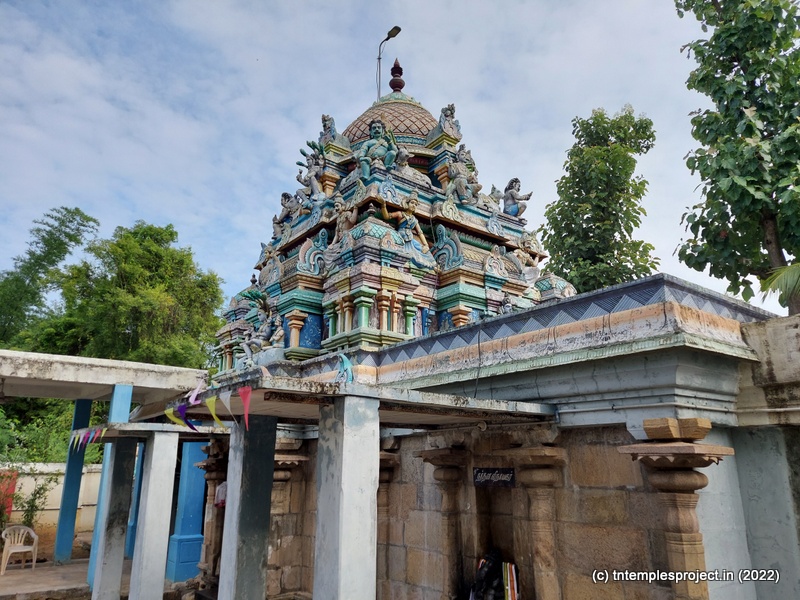
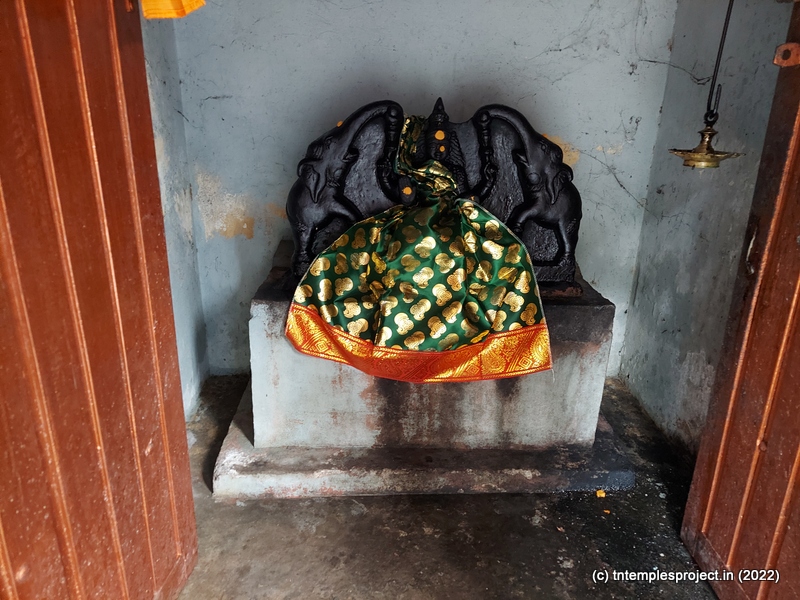
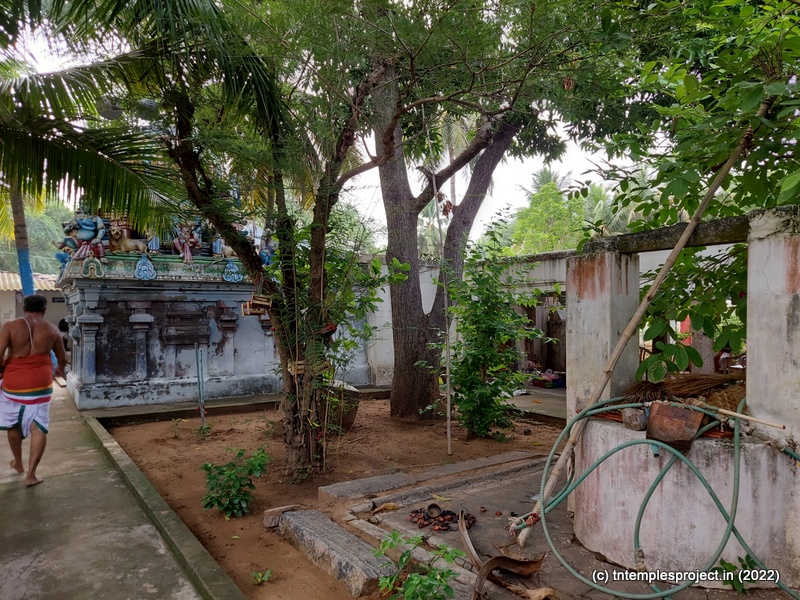
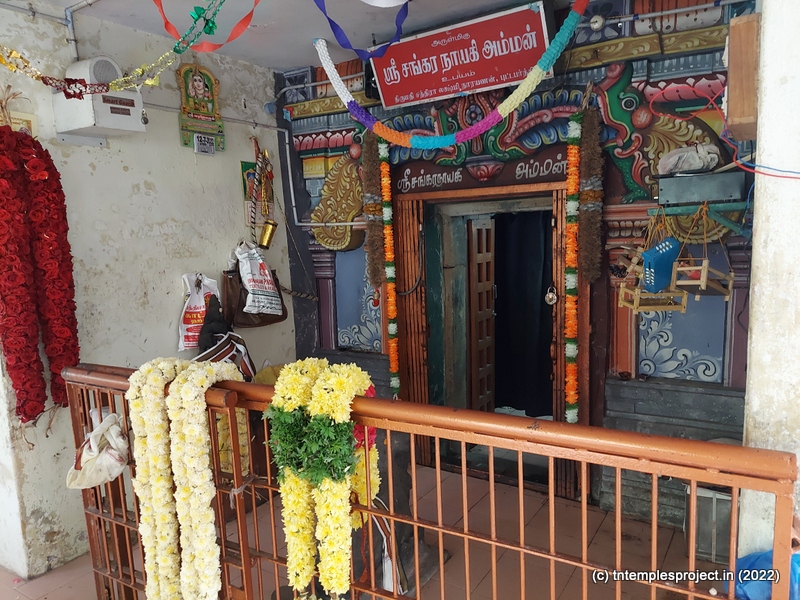
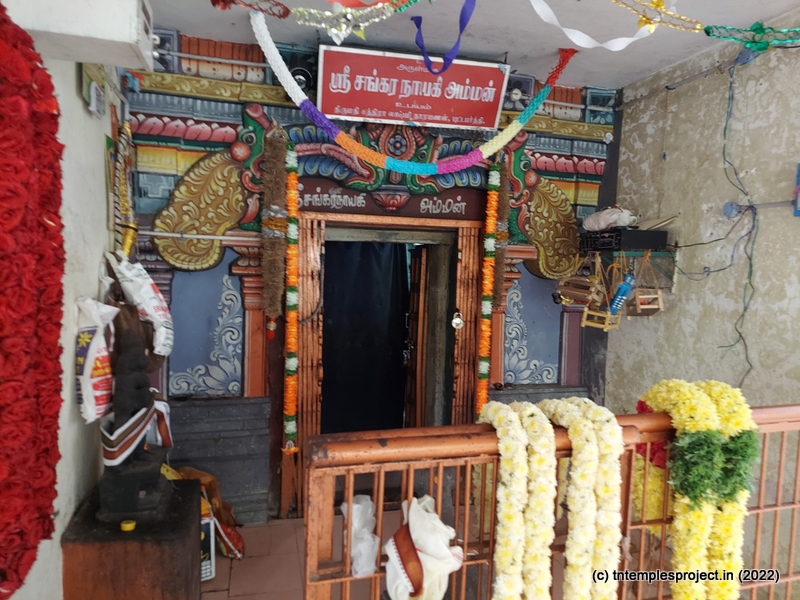
The temple lacks a proper gopuram, and instead has a flat welcome arch, with stucco images of Siva and Parvati on the Rishabham, Murugan with his consorts Valli and Deivanai, Vinayakar and a standalone Murugan vigraham in niches. Almost immediately on the right, is the south-facing Amman shrine. A long pillared passageway leads directly to the east-facing garbhagriham housing Skandanathar. The ancience of the temple is clearly evident from the Nandi here.
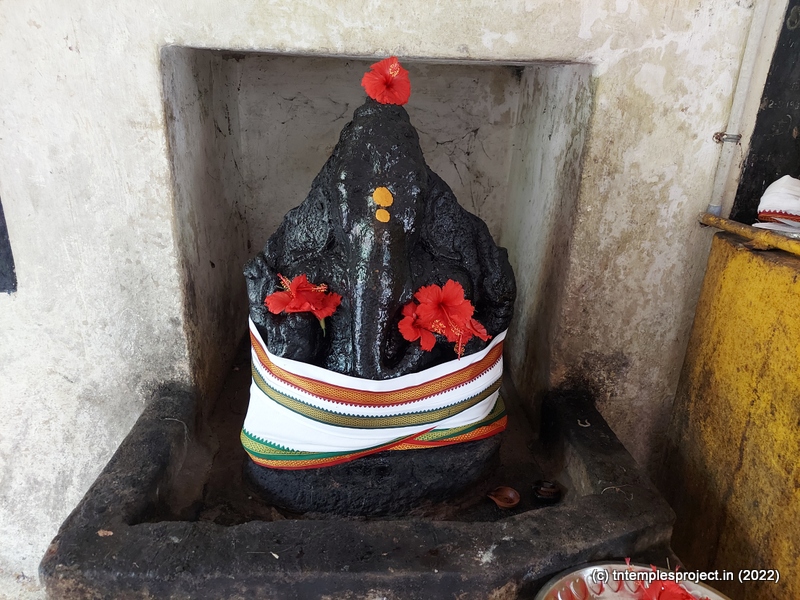
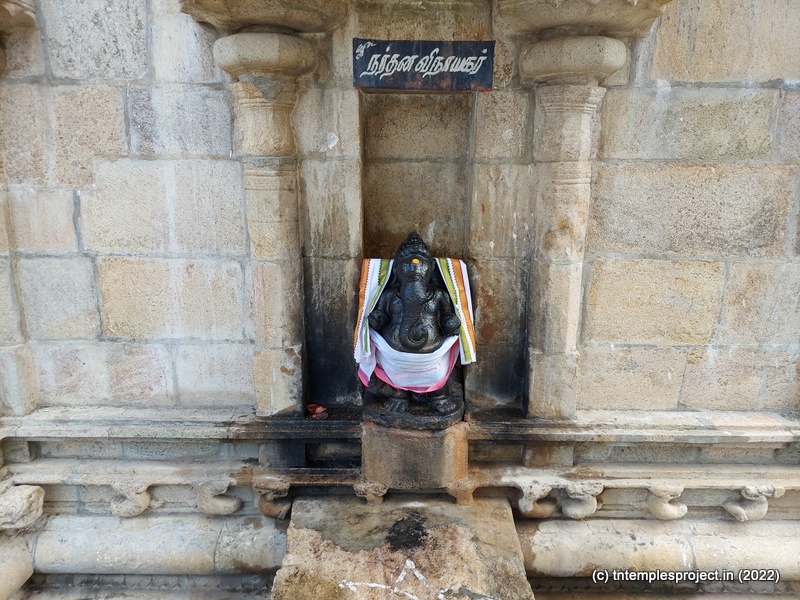
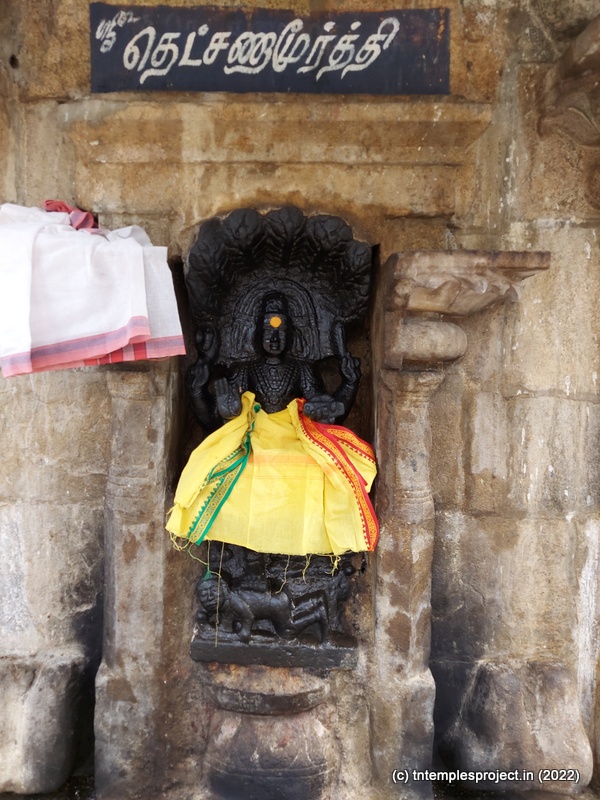
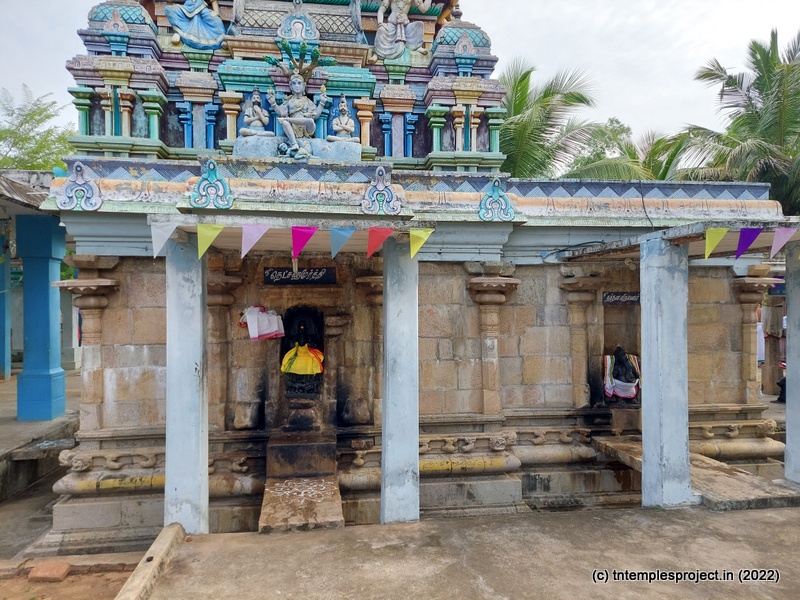
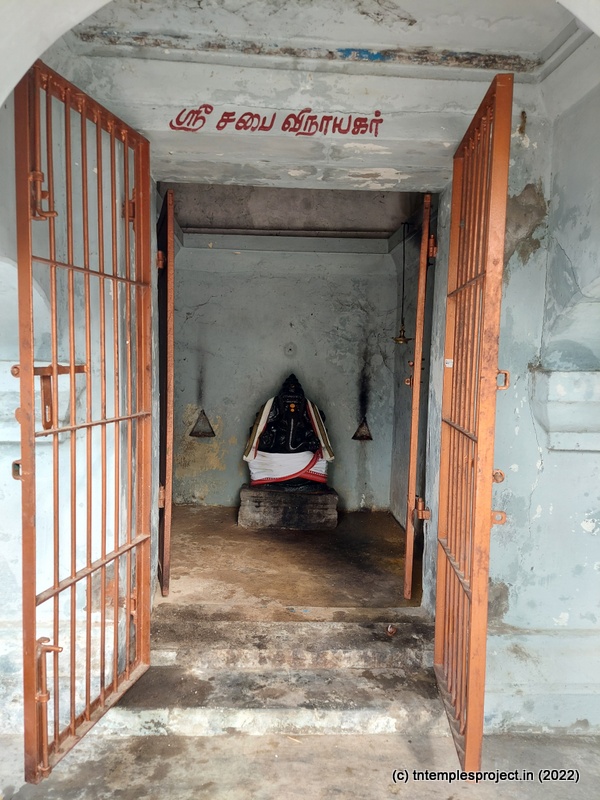
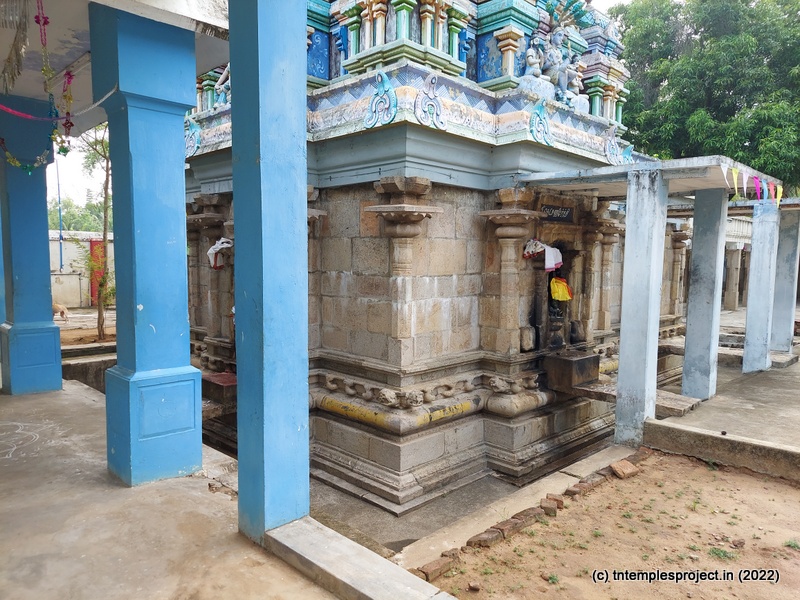
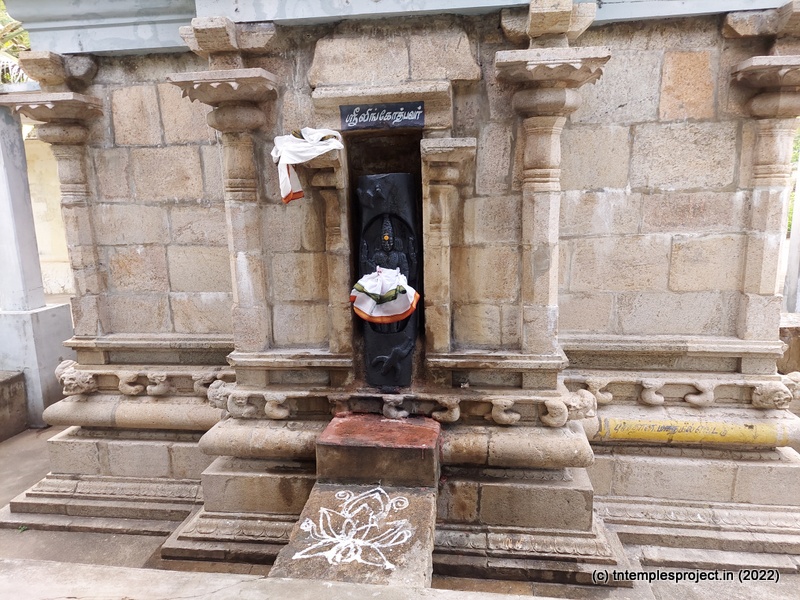
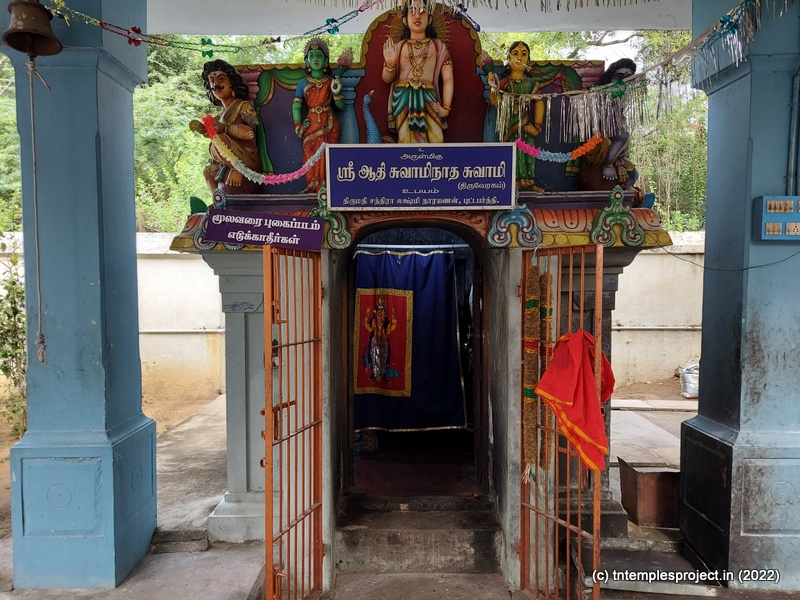
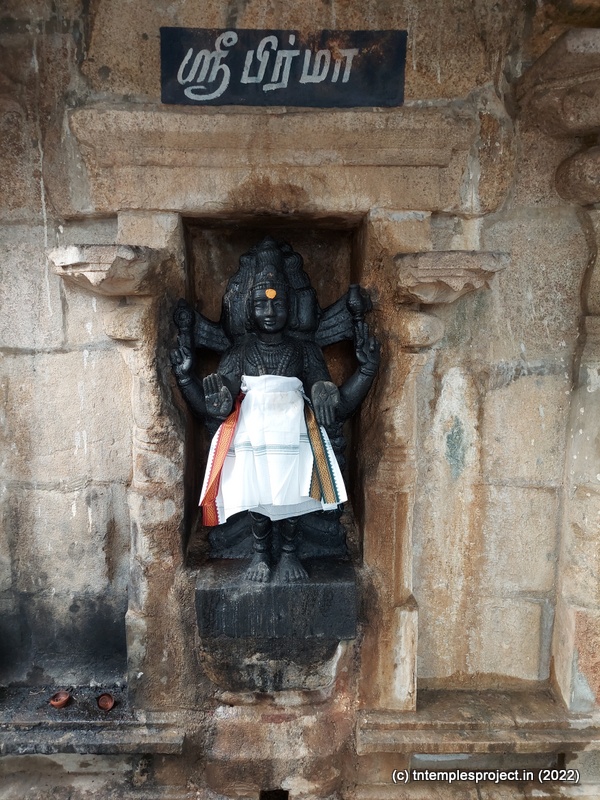
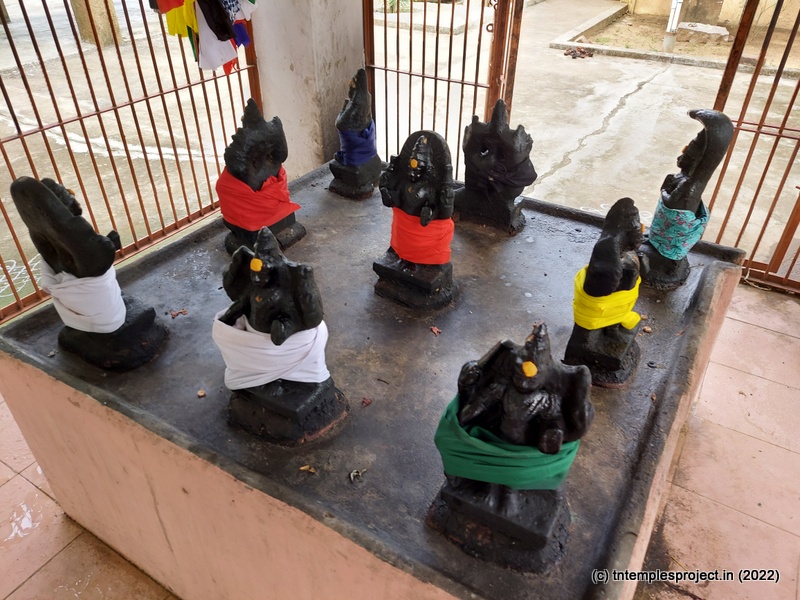
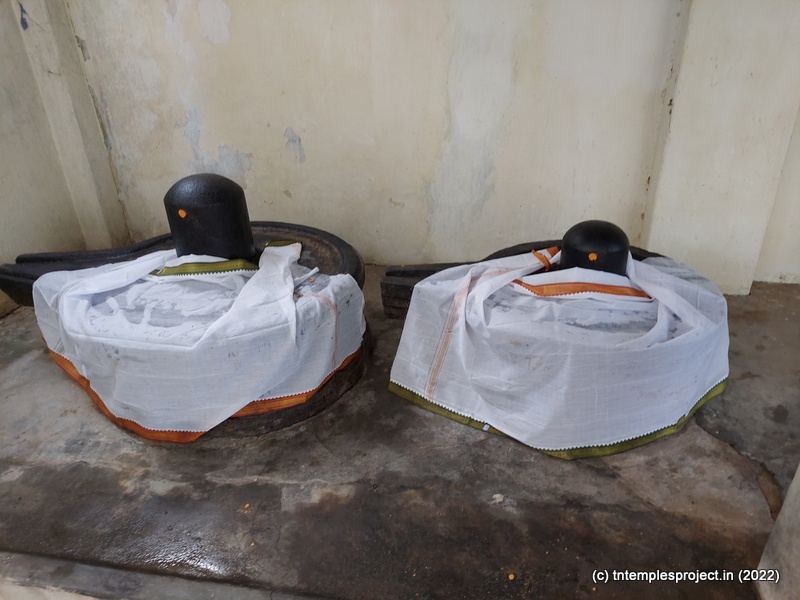
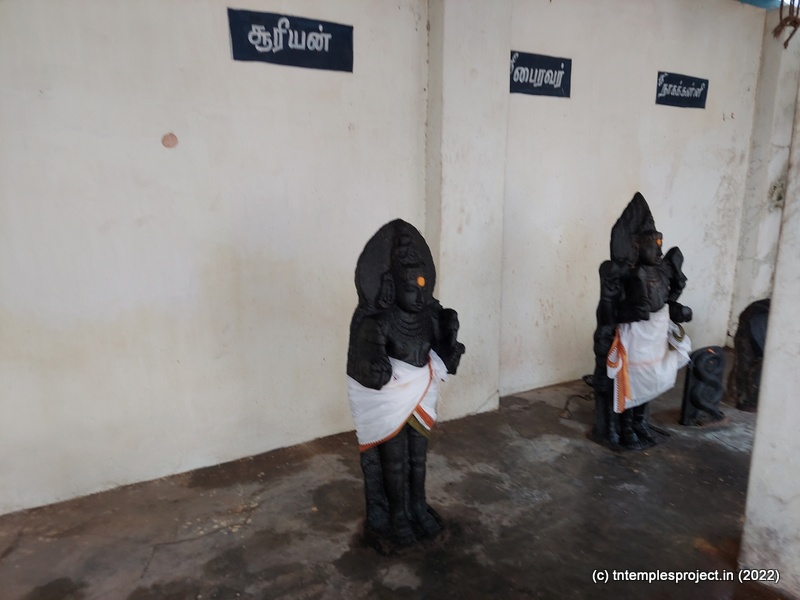
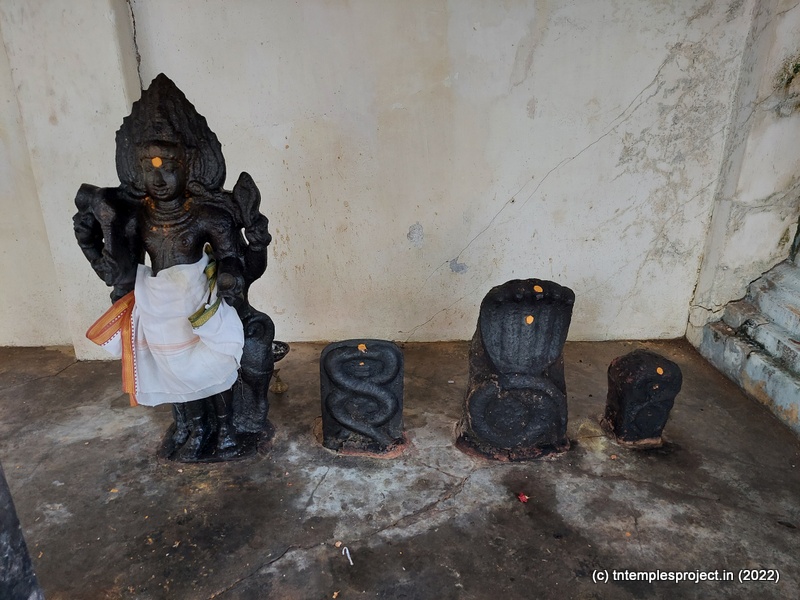
In the koshtams are Nardhana Vinayakar, Dakshinamurti, Lingodhbhavar, Brahma and Durga, while the prakaram has shrines for Vinayakar, Murugan as Adi Swaminatha Swami (referencing the upadesam that was given here), Gajalakshmi, and Chandikeswarar. There is a separate navagraham shrine as well. On the eastern side is a mandapam housing other lingams, Suryan, Chandran and Bhairavar.
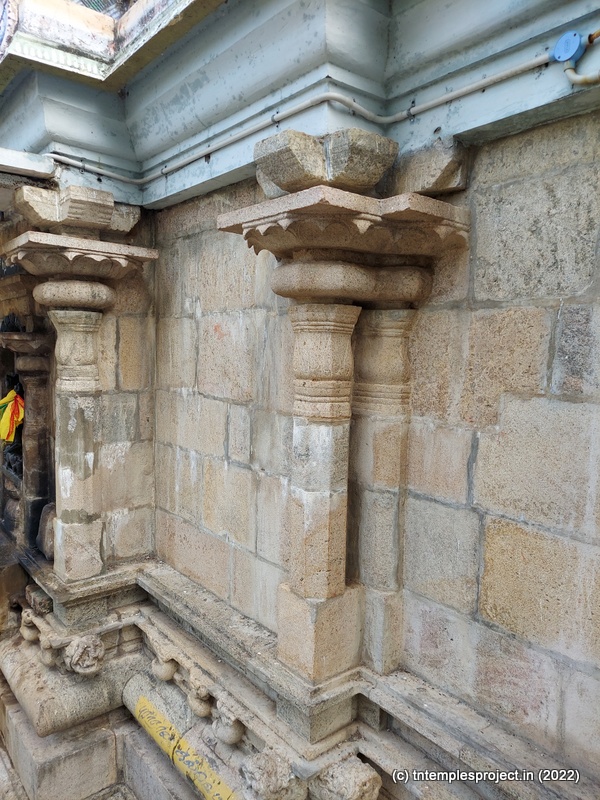
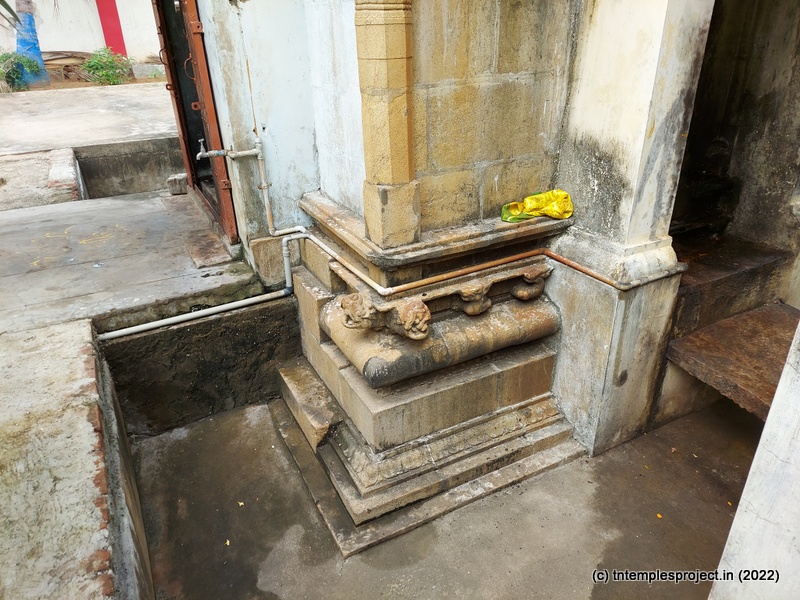
Much of the temple’s structure today is at an elevated level, as is evident when one comes around the prakaram – there is a moat-type of structure between the structure housing the ardha mandapam, maha mandapam and garbhagriham, and the outer prakaram. The late Chola period architecture is also clear in the workmanship on the pillars and walls.
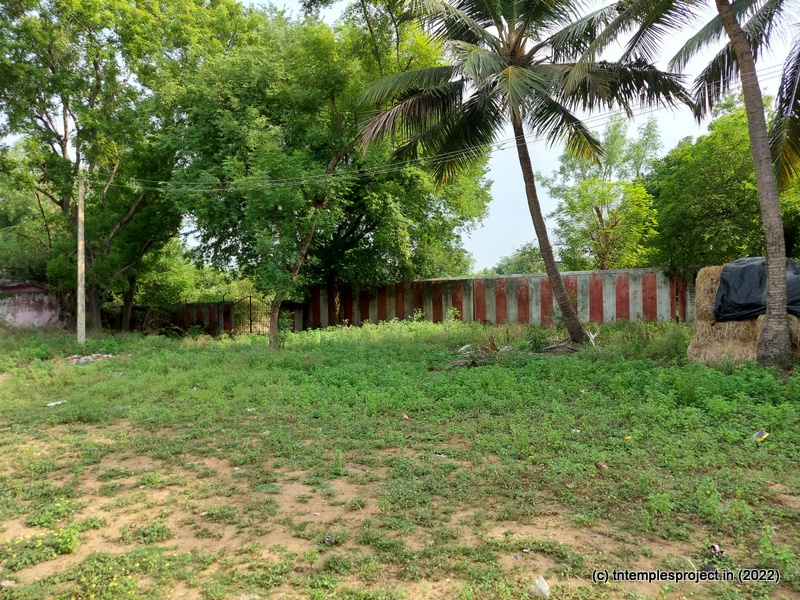
The temple tank is located on the north-eastern part of the main temple complex, and going by its size, it is clear that the temple itself would have earlier been vast in area. The temple’s structure, once boasting four prakarams, now stands in a diminished state, with encroached land and neglected infrastructure. Even today, it is believed that many vigrahams are buried in the areas around the temple tank.
However, its historical and religious importance remains intact, with the various legends adding to its mystique. The enduring belief in the temple’s power to bless devotees with marriage and children reflects the enduring faith and devotion it inspires. And so, despite its tumultuous past, Eragaram stands as a testament to Tamil heritage and religious tradition, welcoming pilgrims and scholars alike to unravel its mysteries and honour its ancient legacy.
Other information for your visit
Contact
Gallery



 TN Temples Project