Basic information about the temple
| Moolavar: | Chandrasekharar | Ambal / Thayar: | – |
| Deity: | Siva | Historical name: | |
| Vriksham: | Teertham: | ||
| Agamam: | Age (years): | Timing: | – to – & – to – | Parikaram: |
| Temple group: | – | ||
| Sung by: | Temple set: | ||
| Navagraham: | Nakshatram: | ||
| City / town: | Chandrasekharapuram | District: | Thanjavur |
| Maps from (click): | Current location | Kumbakonam (9 km) | Thanjavur (35 km) |
| Tiruvarur (39 km) | Mayiladuthurai (45 km) |
Location
Sthala puranam and temple information
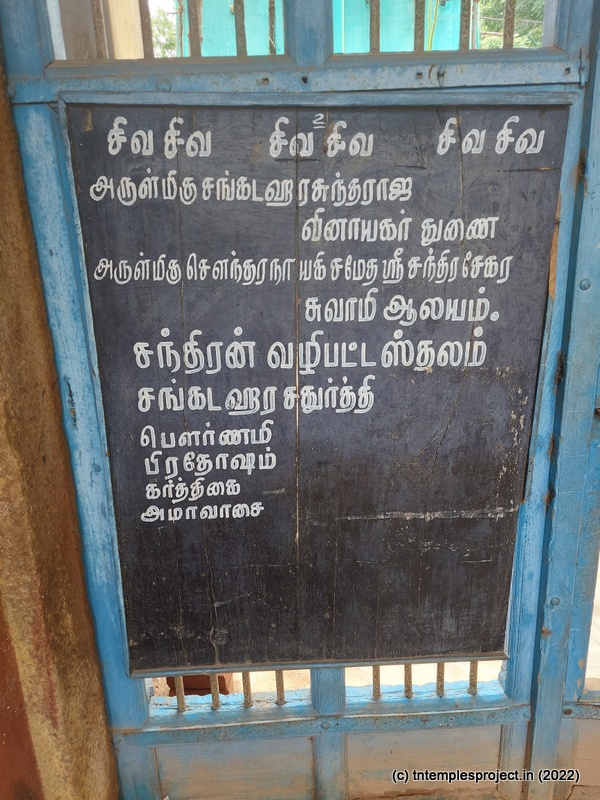
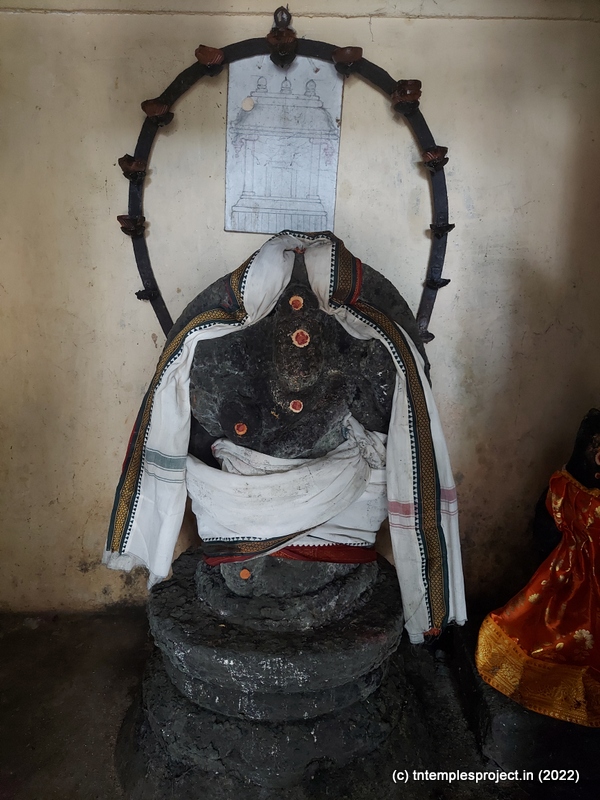
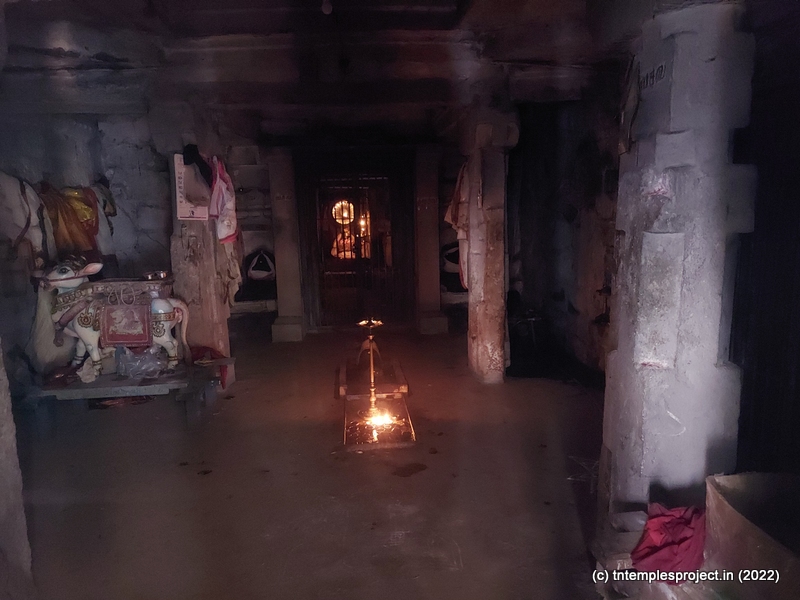
The tiny hamlet of Chandrasekharapuram, located between Govandakudi and Valangaiman, boasts of four important temples for Siva as Agasteeswarar and Chandrasekharar, Perumal as Navaneeta Krishnan, and Kamakshi Amman. The Chandrasekharar temple, situated in the middle of the village, is also how the village gets its name. The village is located on the southern banks of the Kudamurutti river.
Previously, the place was called Mandaravanam, as this place used to be full of hibiscus (mandarai) plants, which in turn were said to have been the ones that came out of the churning of the ocean, which is featured in the Kurma Avataram (forming part of Vishnu’s Dasavataram).
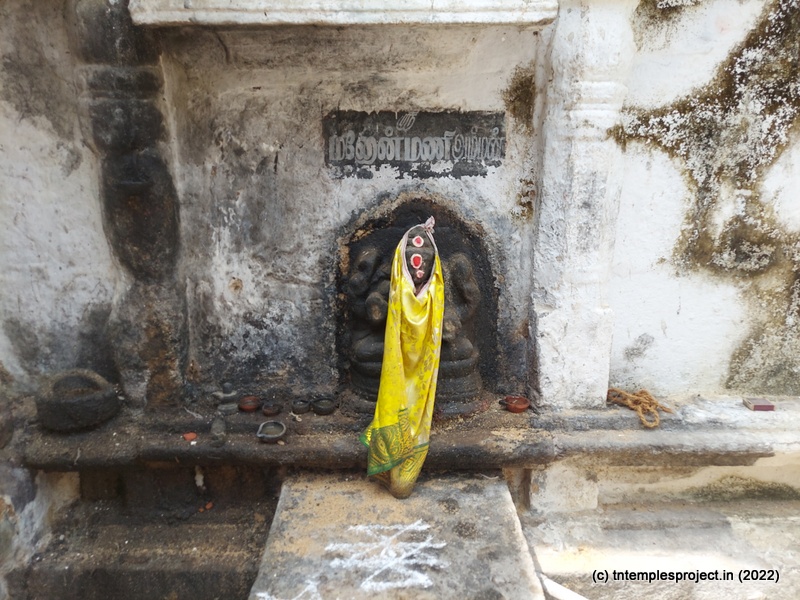
Chandran is said to have committed three offences – insulting Vinayakar, taking Daksha’s side during the Daksha yagam, and favouring two of his 27 wives (Rohini and Krittika) despite his promise to Daksha to treat them all equally. Therefore, he was cursed by Vinayakar, Lord Siva and Daksha for these offences, which resulted in Chandran losing his knowledge of 64 arts, his handsomeness, and his position amongst the celestials. To atone for these, Chandran sought direction from Siva, who directed him to worship the Lord at 64 Siva temples, in order to regain what he had lost. Chandran did all of these with full devotion, and arrived here as the 64th temple in the pilgrimage. Pleased with Chandran’s devotion, Lord Siva took the crescent aspect of Chandran and placed it on His own head. Manonmani Amman and Shoolini Durga here gave Chandran peace of mind and mental strength. There is also a shrine for Kamakshi Amman in the northern part of the temple.
Devotees who have Chandra dosham in their horoscopes worship here for relief from the dosham. There is also a belief that worshipping here rids one of the fear of Yama, or death. Because of the association with Chandran regaining lost powers, this is also a prarthana sthalam for those seeking higher positions, promotions, etc. In particular, worshipping Lord Siva here on Sunday, Monday, Tuesday and Friday, is said to be additionally special.
Because of the importance to Chandran here, unlike in other Siva temples where worship starts with Suryan, here it starts with Chandran.
Rohini – one of Chandran’s wives – is believed to visit four temples every day even today. These four are the Pandava Dootha Perumal temple in Kanchipuram, Meenakshi Amman temple in Madurai, Someswarar temple in Manamadurai, and this temple. Chandran and Rohini together are also believed to have worshipped at Thazahamangai, Tiruvakkarai, Pazhaiyarai and at this temple here in Chandrasekharapuram.
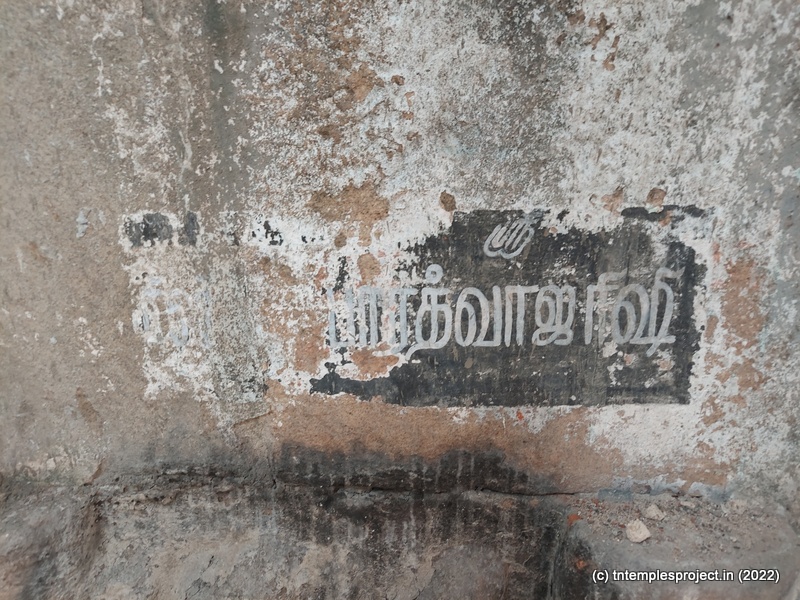
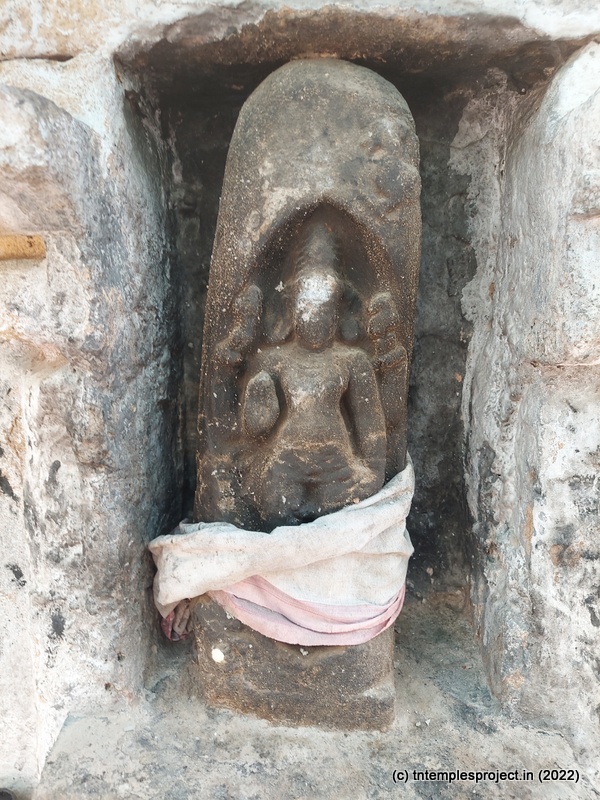
It is also believed that various siddhars, as well as the seven celestial rishis – the Sapta rishis – have worshipped here. There is also a shrine here for the Sapta rishis.
The original structural temple is from the later Chola period, as said to be recorded in the inscriptions in the temple.
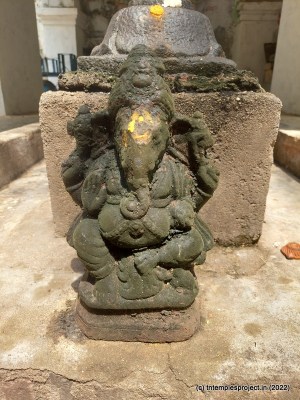
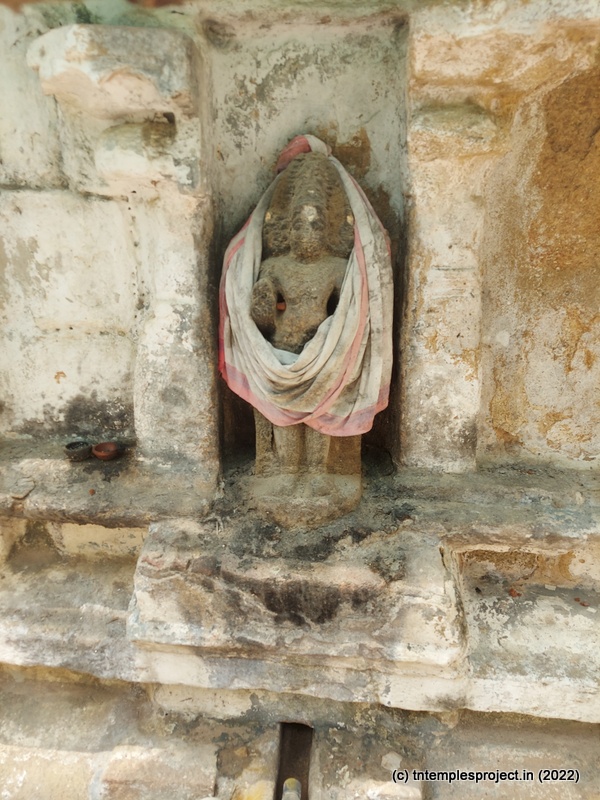
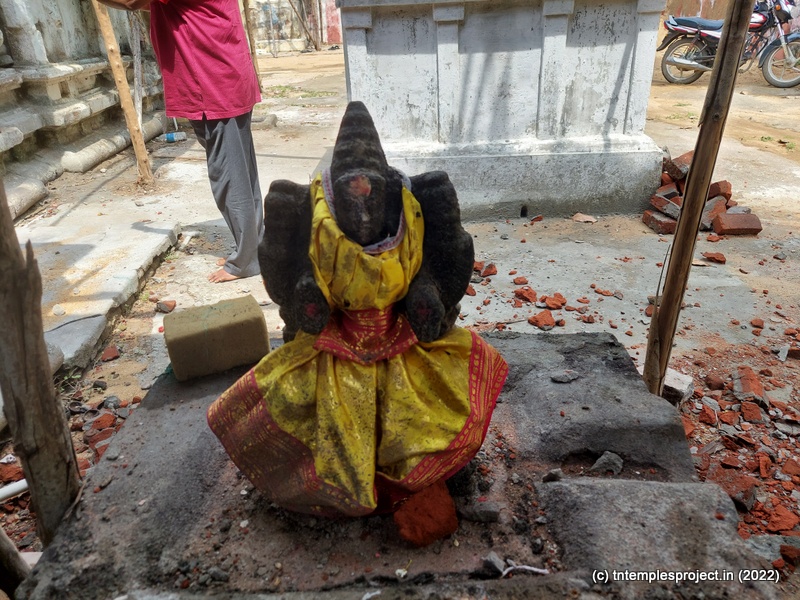
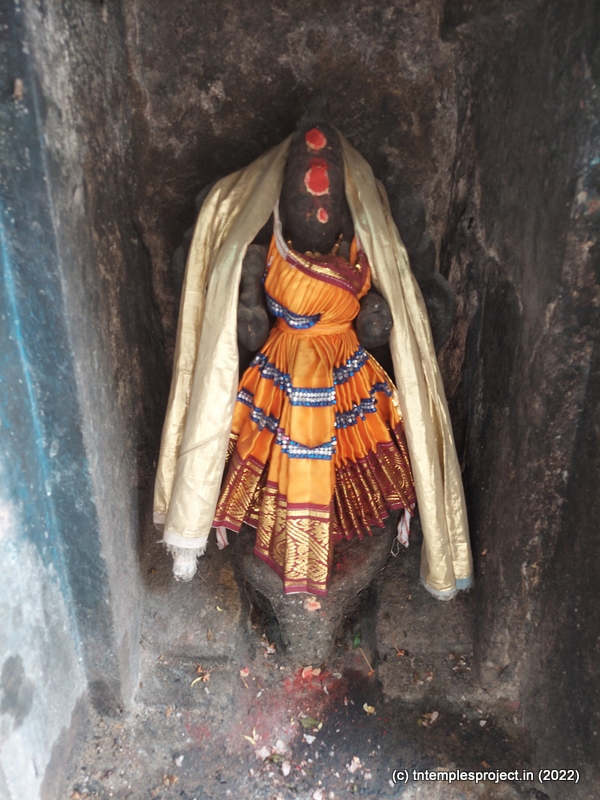
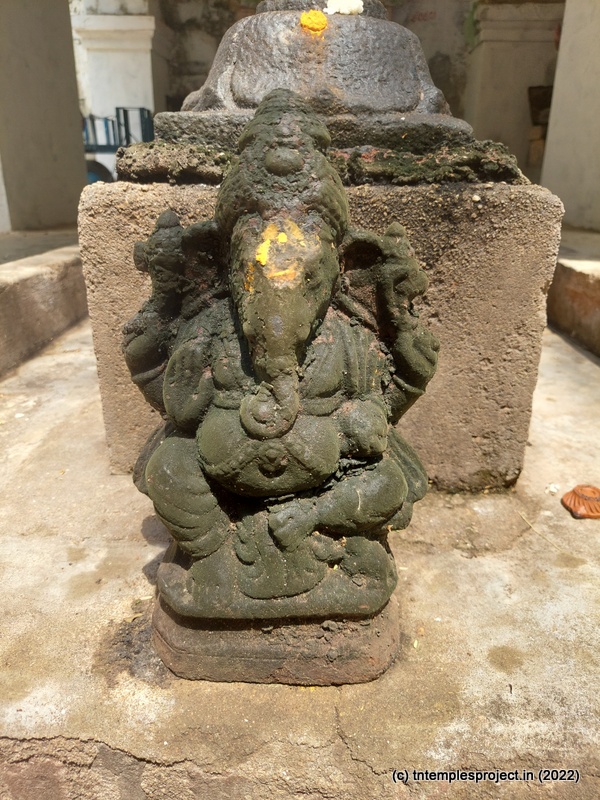
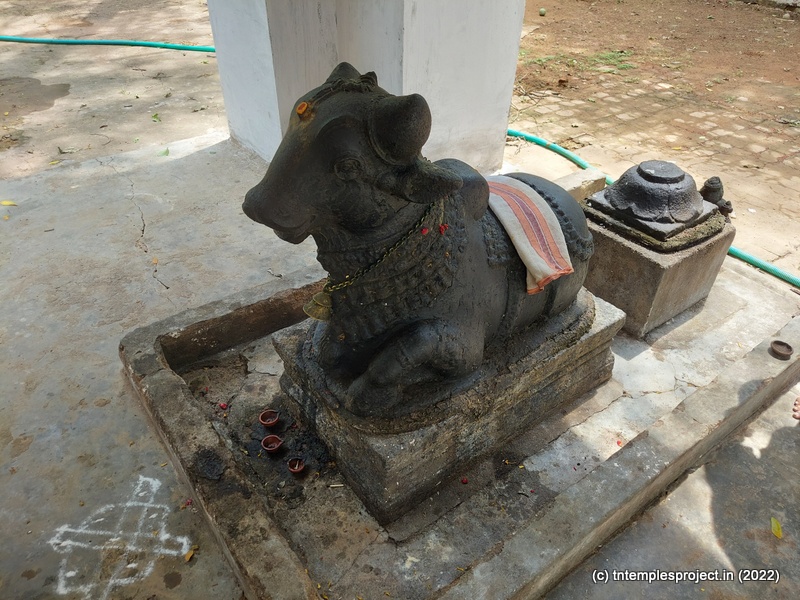
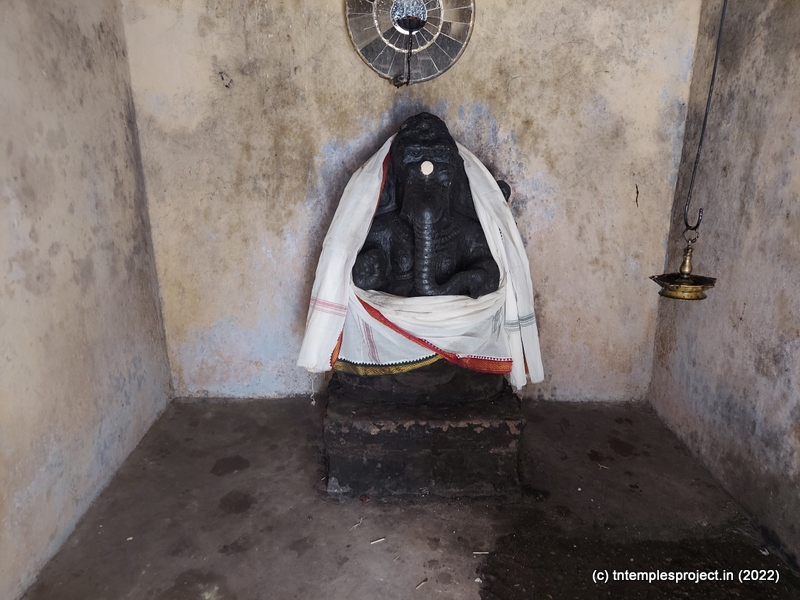
In the koshtam are Vinayakar, Dakshinamurti, Vishnu, Brahma and Ashtabhuja Durga. In the prakaram are the Sapta rishis, Vinayakar, Murugan, Manonmani Amman, Chandikeswarar, Bhairavar, Sani, and Adhikara Nandi.
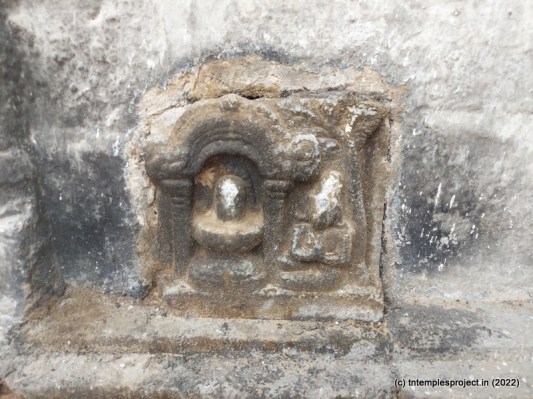
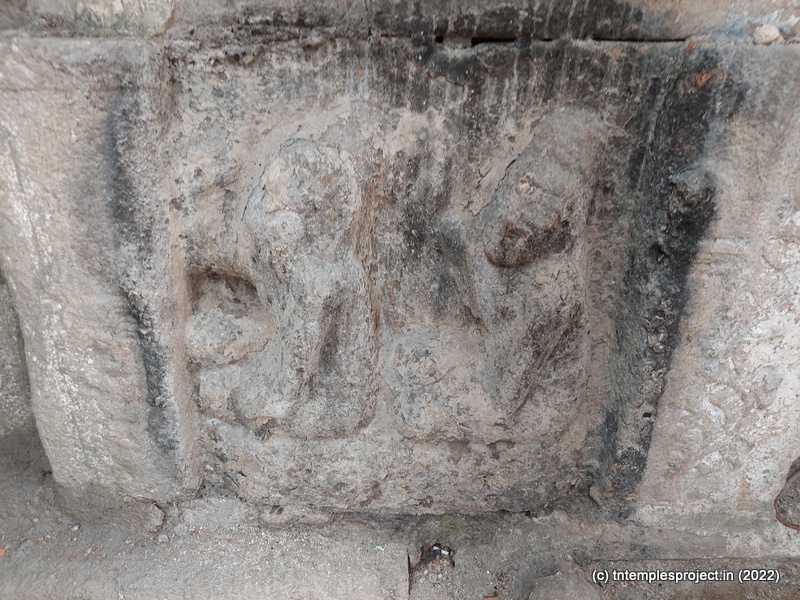
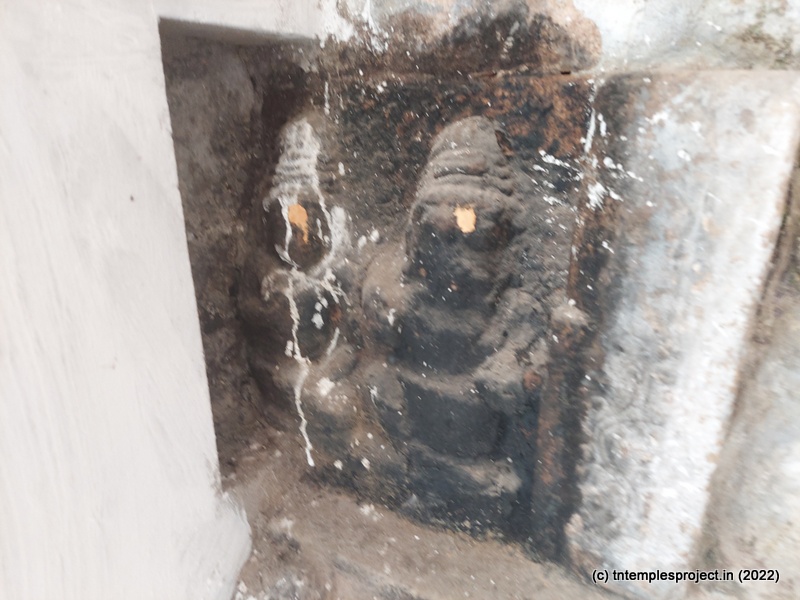
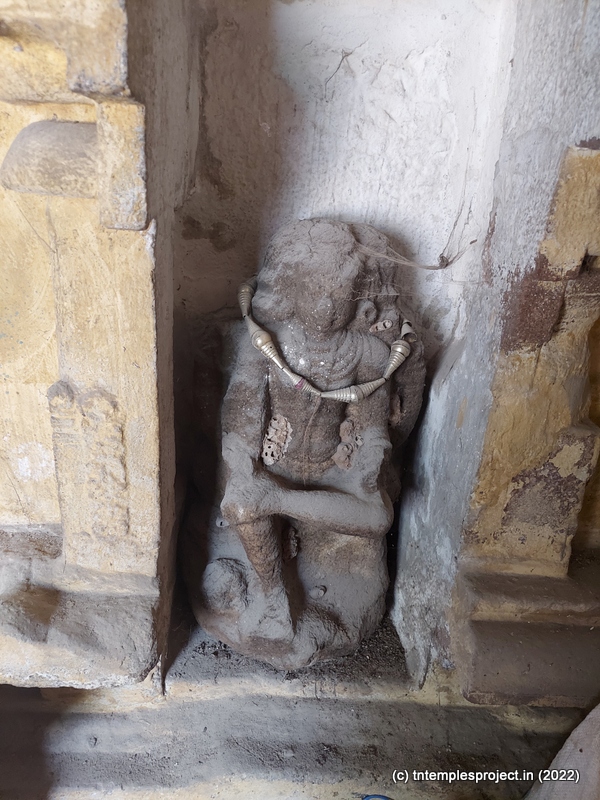
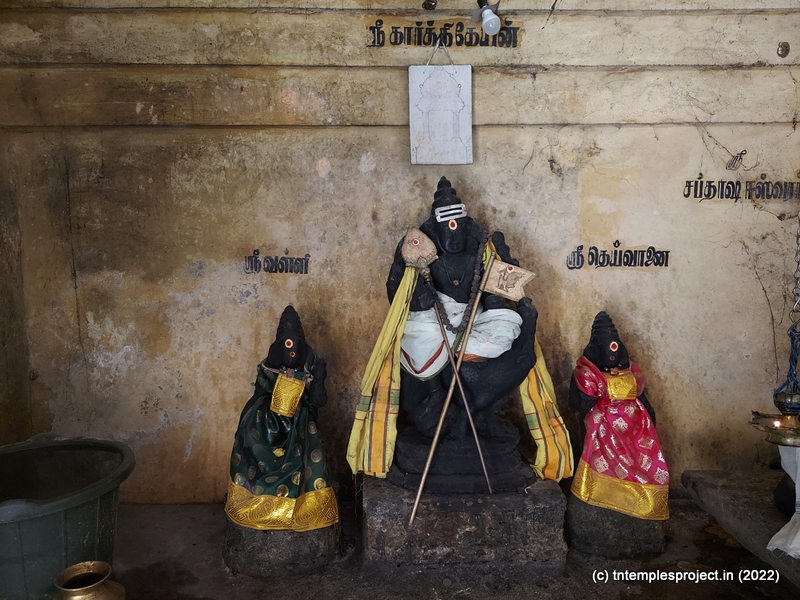
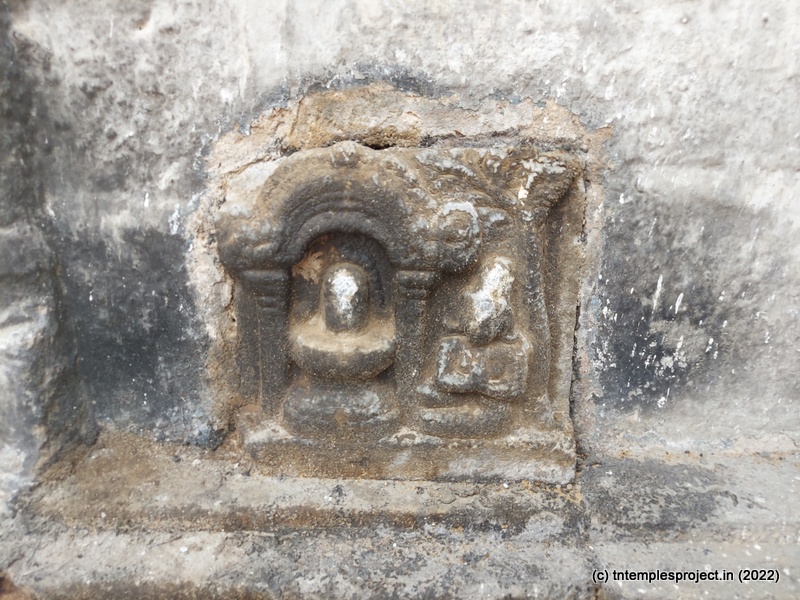
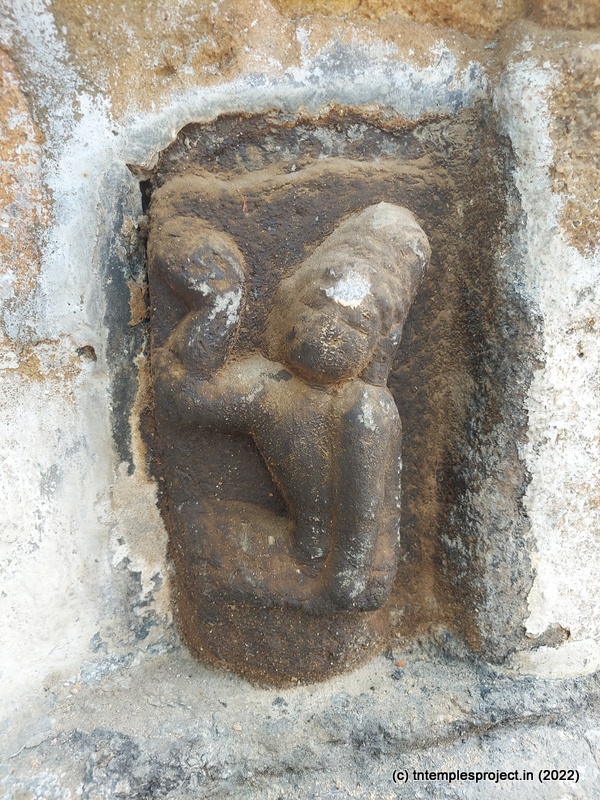
The iconography here is varied and very interesting. To begin with, Chandran is depicted with his consorts Rohini and Kritika, on the wall of the maha mandapam. Amman’s manifestasion here as Manonmani, meaning the mind beyond the mind, is quite unusual and a rare depiction. Worshipping to Her here is said to bestow devotees with peace of mind and pointedness of direction. Ashtabhuja Durga is also present in this temple in the koshtam. Murugan is depicted as giving upadesam to devotees, holding a bunch of palm leaves in one hand. Interestingly, the Natarajar vigraham here is made of stone and not metal, as is the case in most (if not virtually all) Siva temples.
Other information for your visit
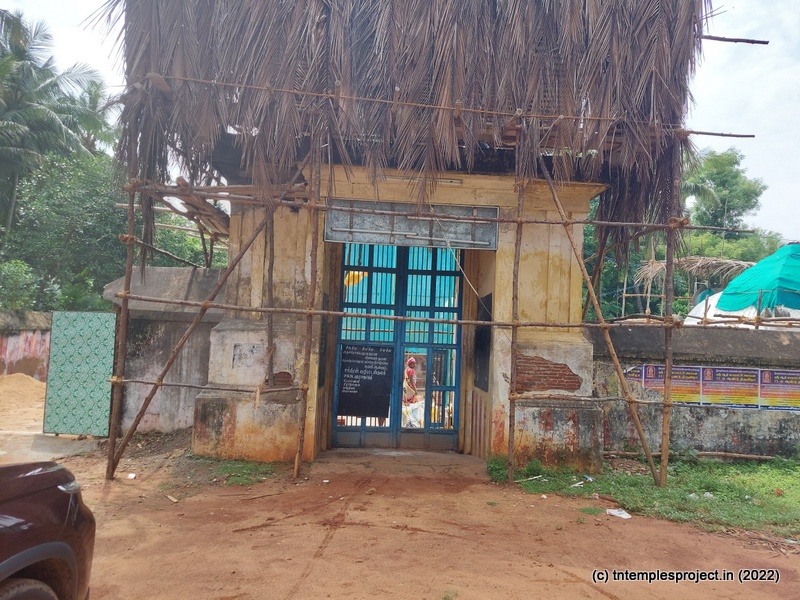
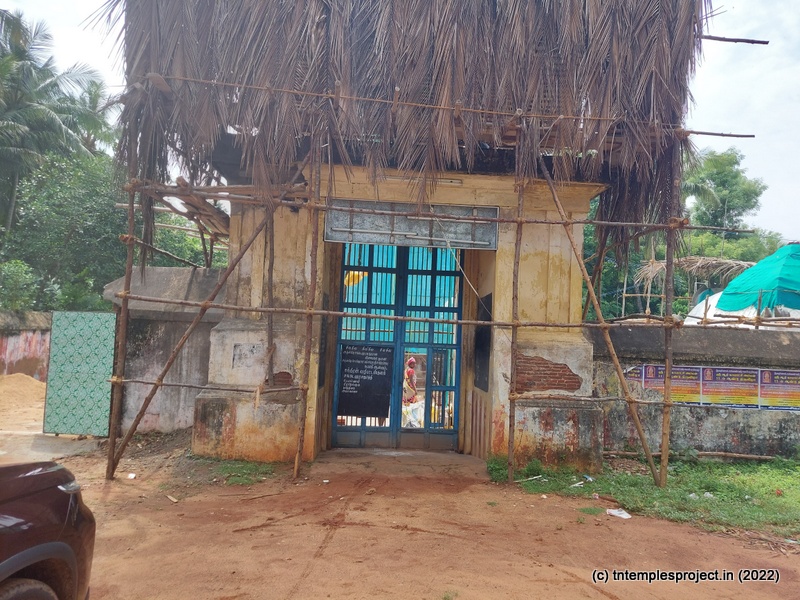
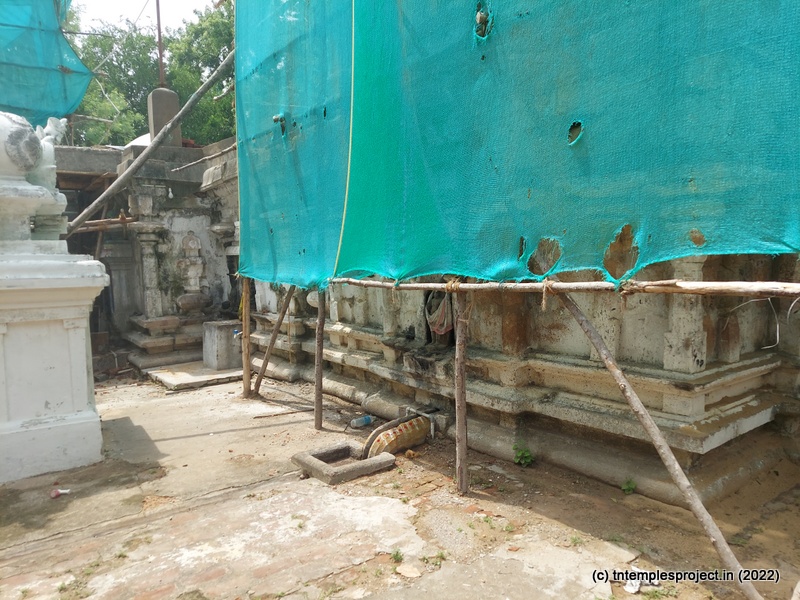
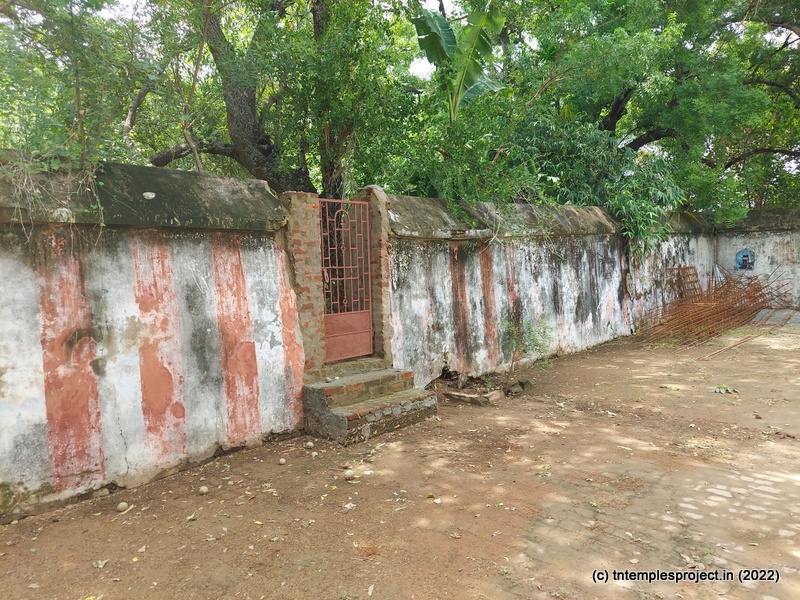
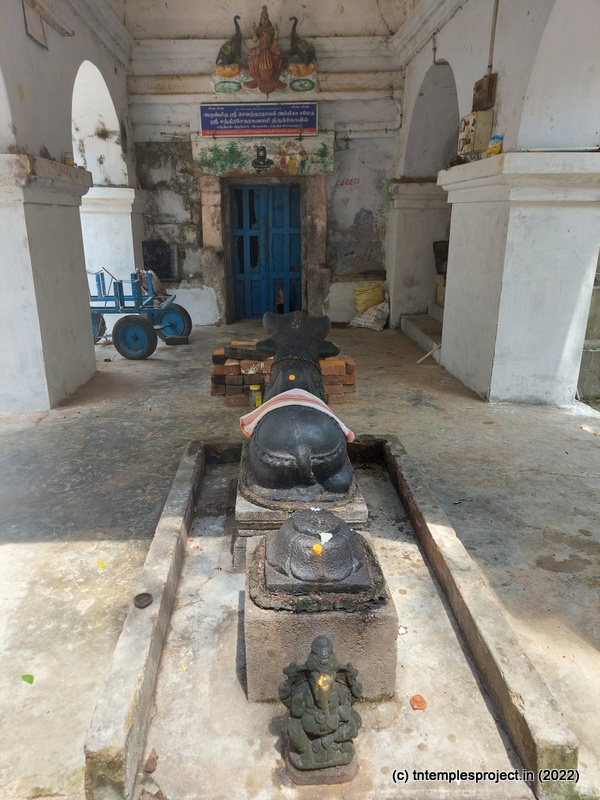
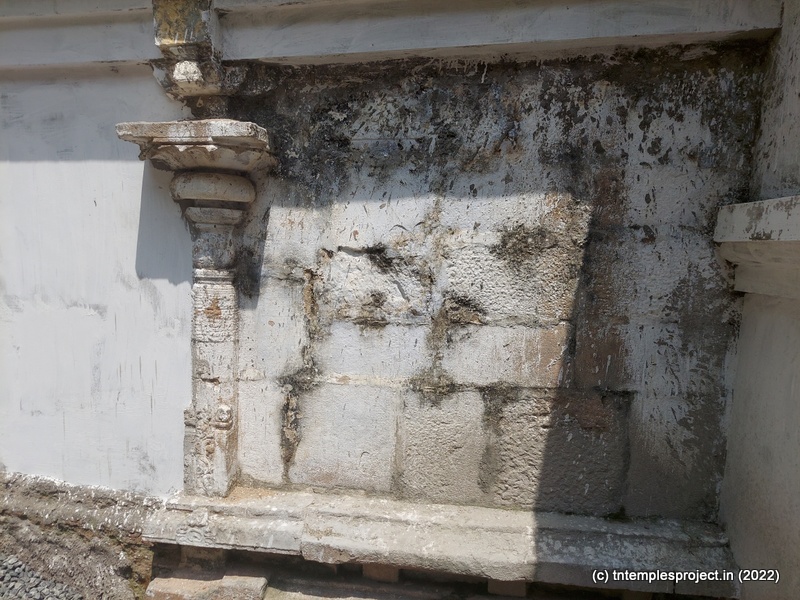
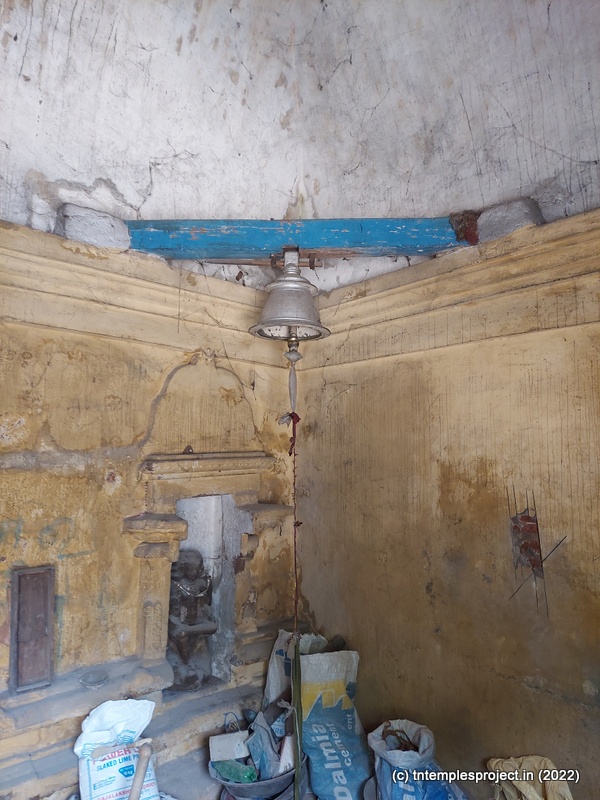
We visited this temple when it was undergoing renovation, and hopefully will visit again in the future. In the meantime, if any reader has more recent pictures to share, please get in touch with us.
Contact
Gallery
 TN Temples Project