Basic information about the temple
| Moolavar: | Agasteeswarar | Ambal / Thayar: | – |
| Deity: | Siva | Historical name: | |
| Vriksham: | Teertham: | ||
| Agamam: | Age (years): | Timing: | – to – & – to – | Parikaram: |
| Temple group: | – | ||
| Sung by: | Temple set: | ||
| Navagraham: | Nakshatram: | ||
| City / town: | Chandrasekarapuram | District: | Thanjavur |
| Maps from (click): | Current location | Kumbakonam (9 km) | Thanjavur (34 km) |
| Tiruvarur (39 km) | Mayiladuthurai (45 km) |
Location
Sthala puranam and temple information
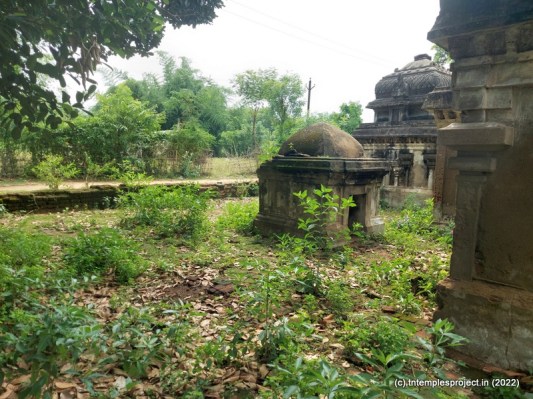
The tiny hamlet of Chandrasekharapuram, located between Govandakudi and Valangaiman, boasts of four important temples for Siva as Agasteeswarar and Chandrasekharar, Perumal as Navaneeta Krishnan, and Kamakshi Amman. The Chandrasekharar temple, situated in the middle of the village, is also how the village gets its name. The village is located on the southern banks of the Kudamurutti river.
At the time of celestial wedding of Siva and Parvati, all the devas and rishis assembled at Kailasam, tilting the earth off balance. So, Lord Siva asked Sage Agastyar to head south, so that the balance of the world could be maintained. The sage traversed the land and reached Tamilakam, and followed the paths of rivers.
The puranams mention 163 places where Agastyar either installed a lingam, or worshipped Lord Siva in the form of an existing lingam. As a result of the connection with the sage, the deity at these temples is typically named Agasteeswarar. (Of course, not all Agasteeswarar temples may be associated with Sage Agastyar’s visit.) One of these places, located on the southern bank of the Kudamurutti river – a tributary of the Kaveri river – is this temple for Lord Siva as Agasteeswarar.
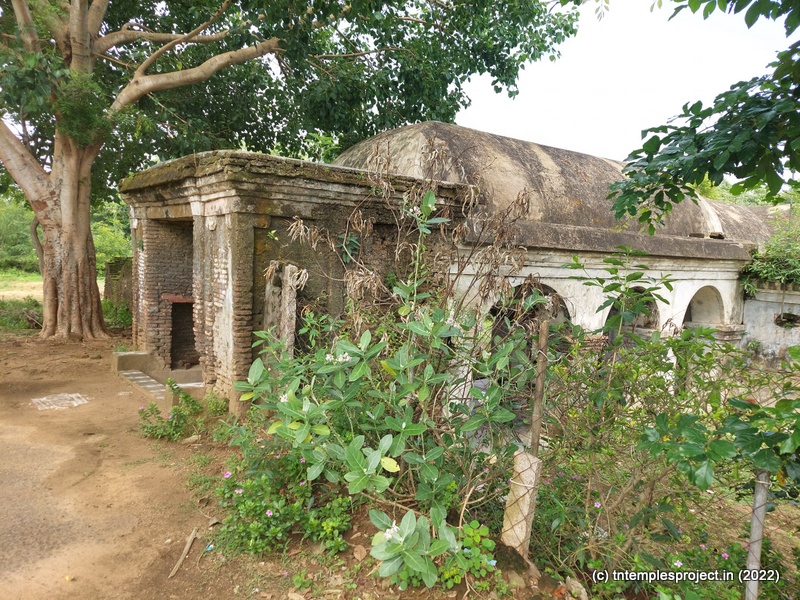
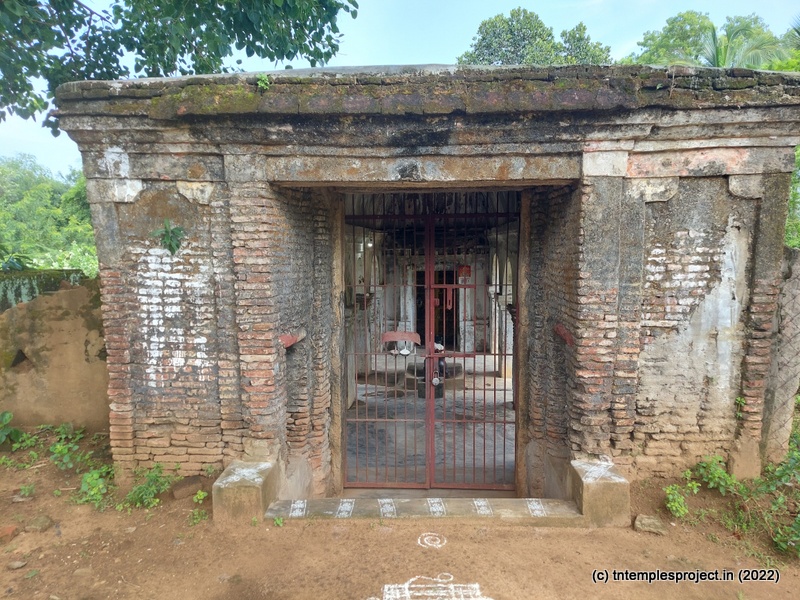
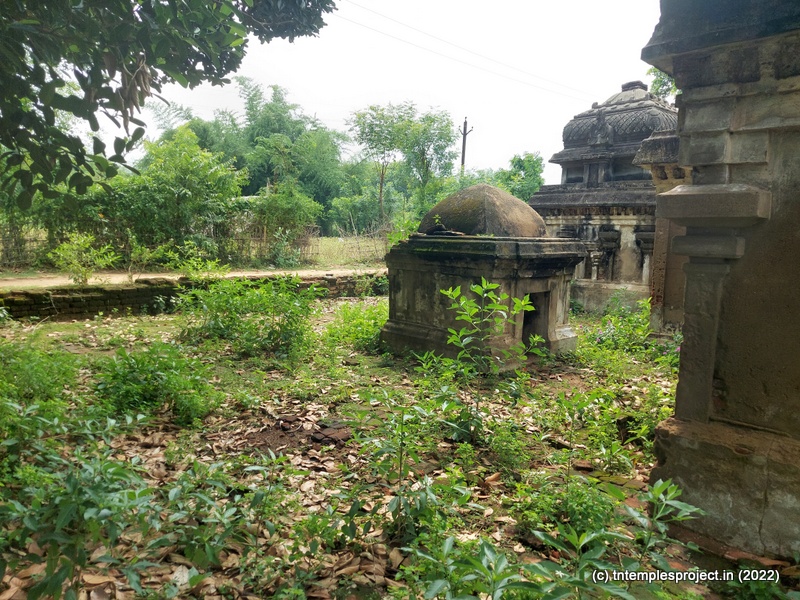
The temple faces east, but the poor maintenance here means one has to find a way in the from the northern side.
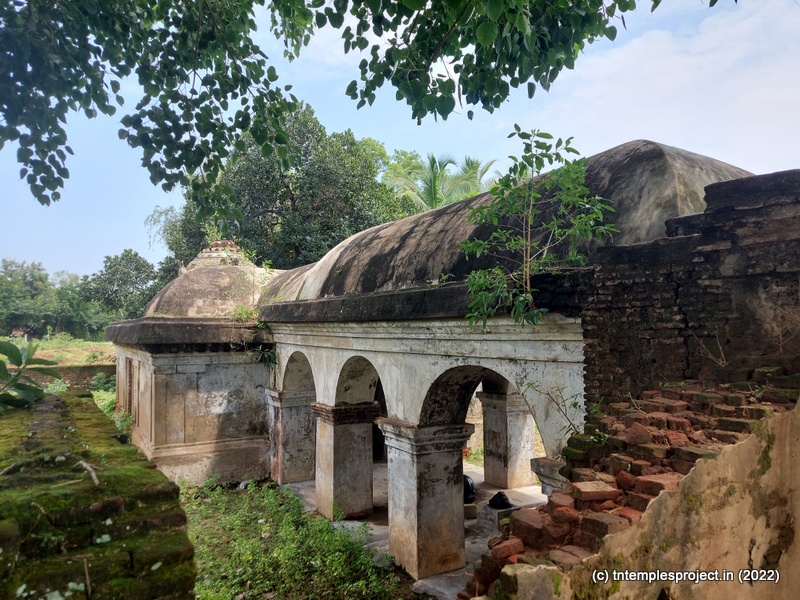
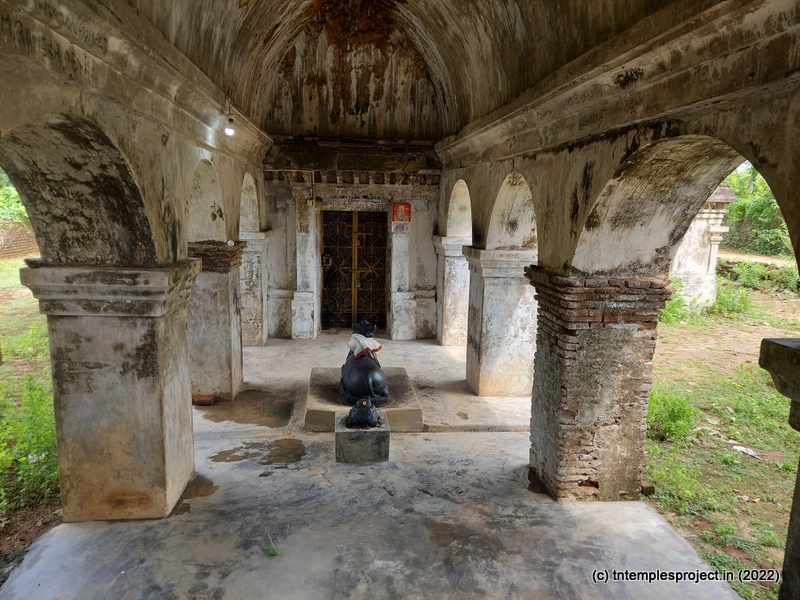
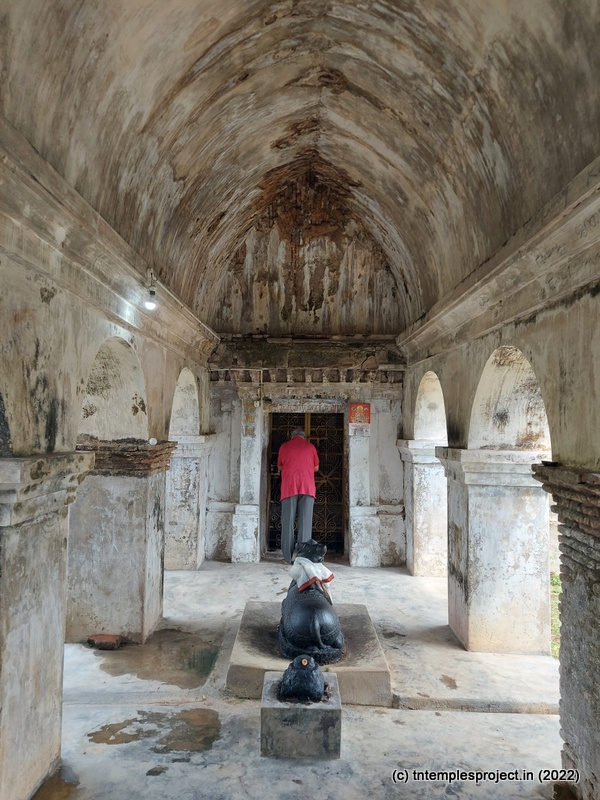
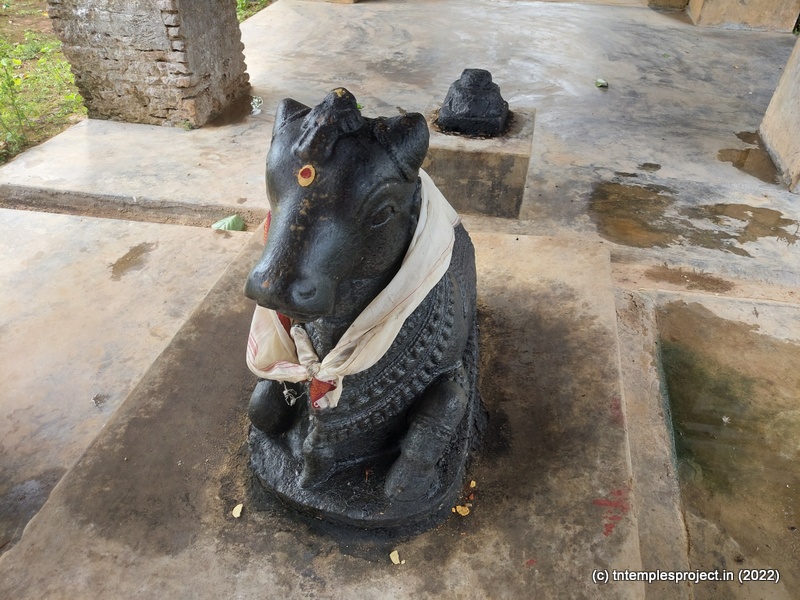
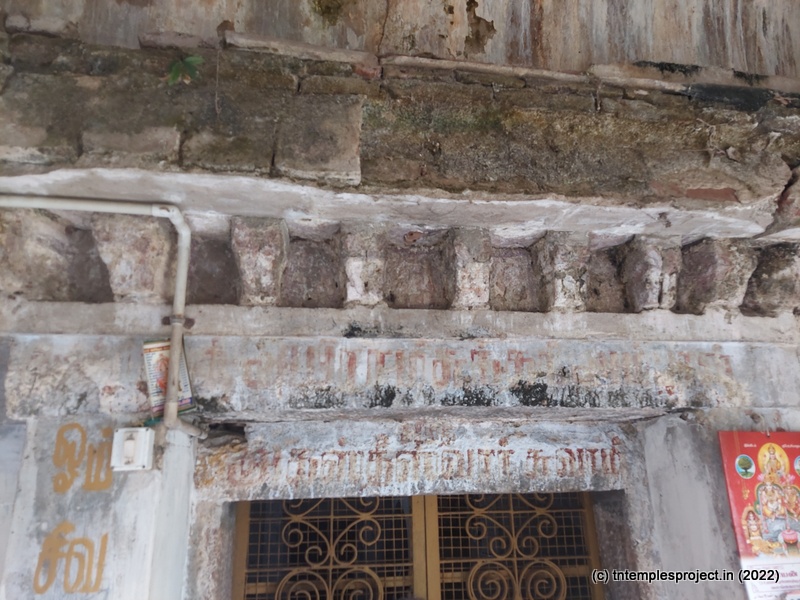
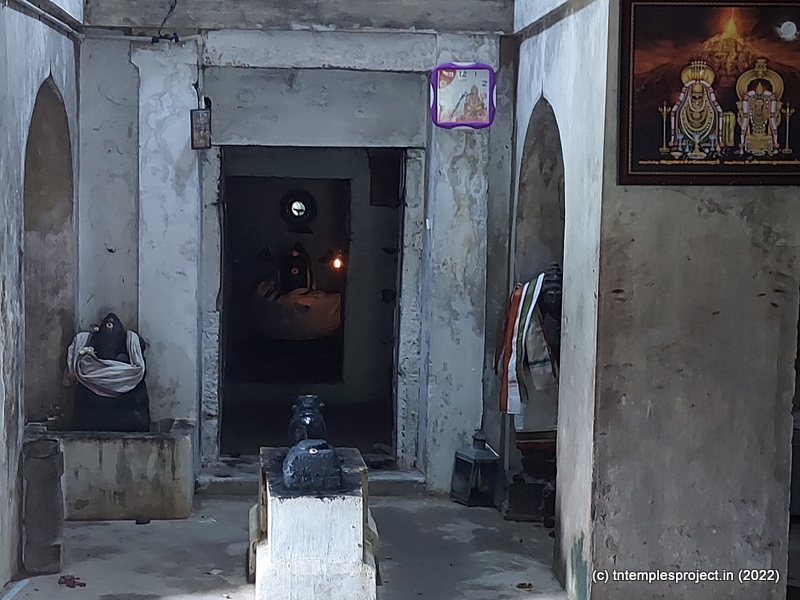
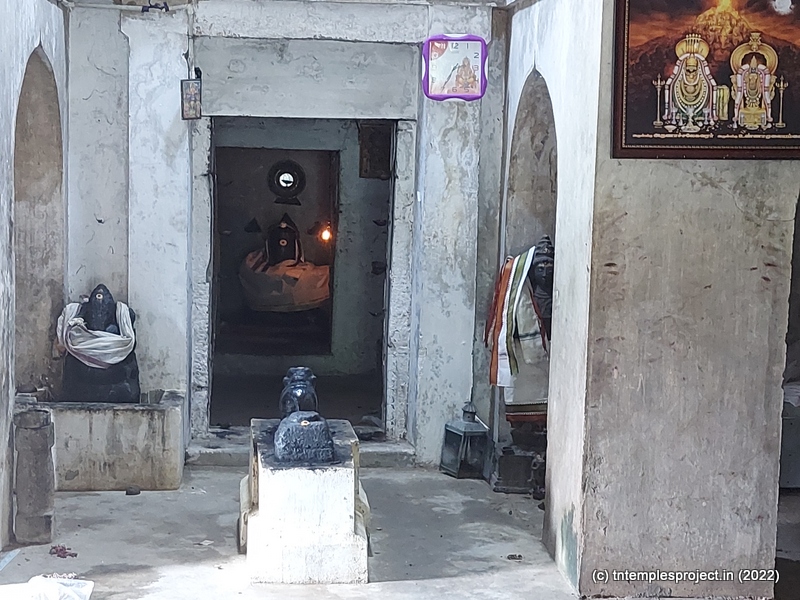
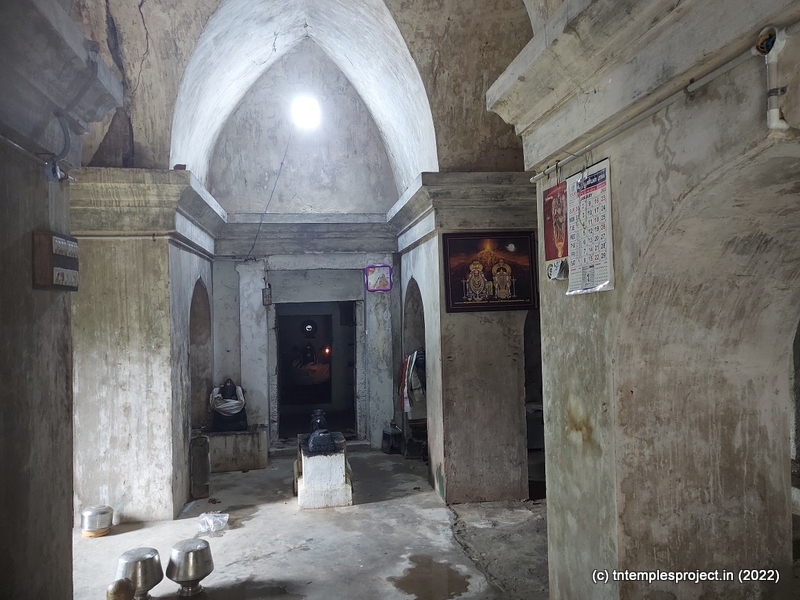
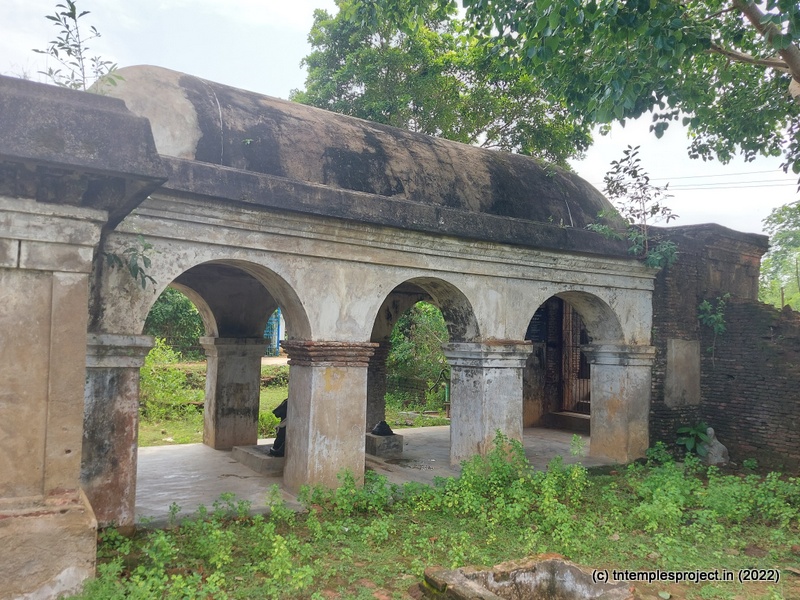
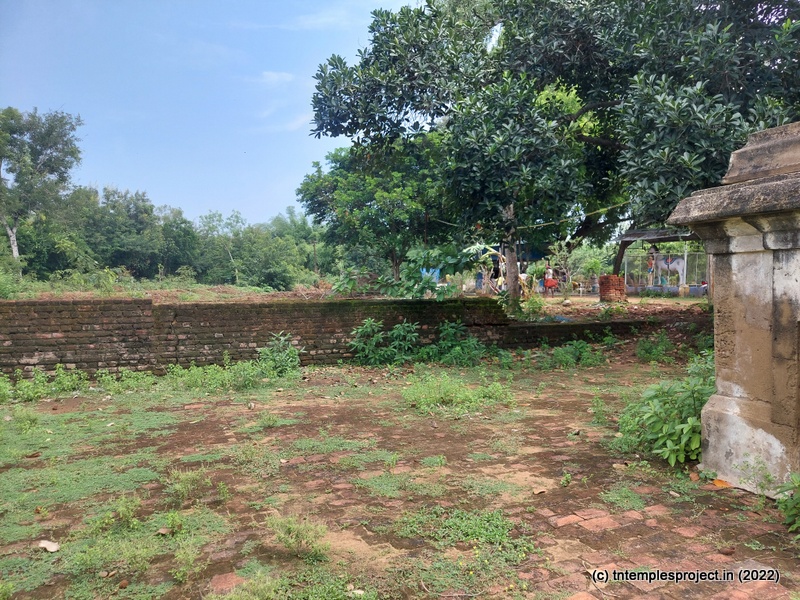
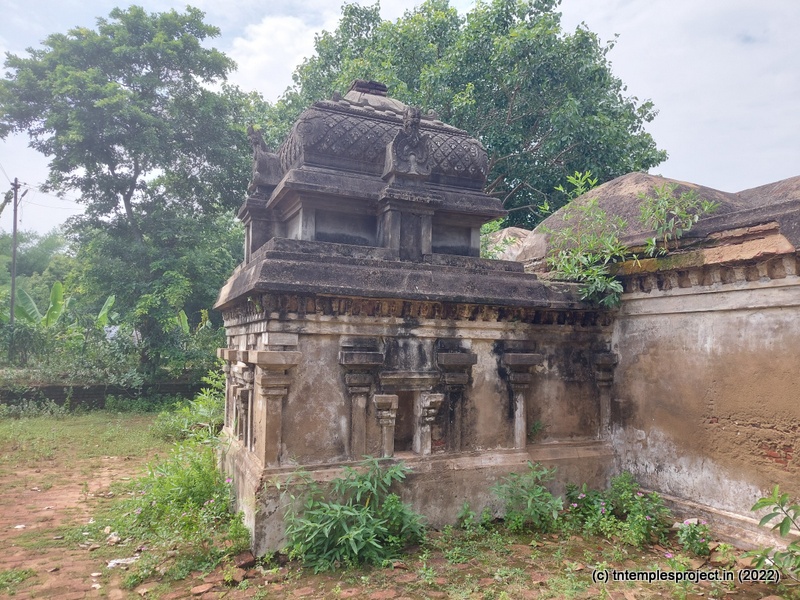
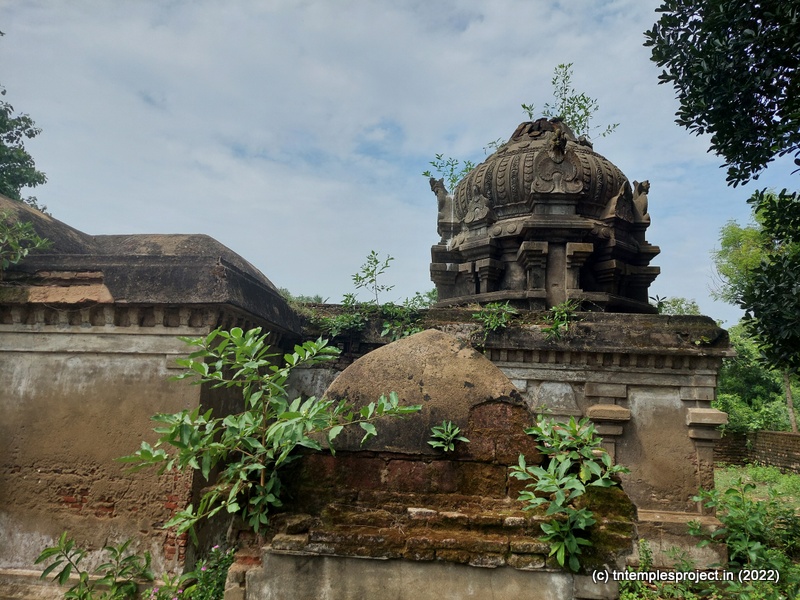
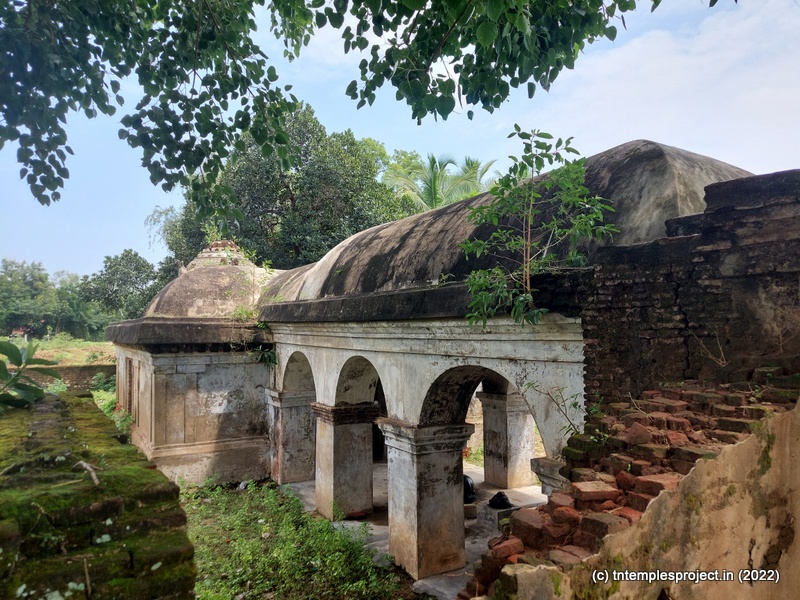
The broken compound walls tell the story of neglect. The temple does not have a gopuram, but has an entrance arch. Perhaps in the days of yore, this may have been a proper gopuram. A long, covered vavvaal nethi mandapam leads to the ardha mandapam, and also houses a bali peetham and Nandi. Inside the ardha mandapam are the east-facing garbhagriham with Vinayakar and Murugan flanking the entrance, as well as a separate Nandi in front of the moolavar; and a south facing Amman shrine.
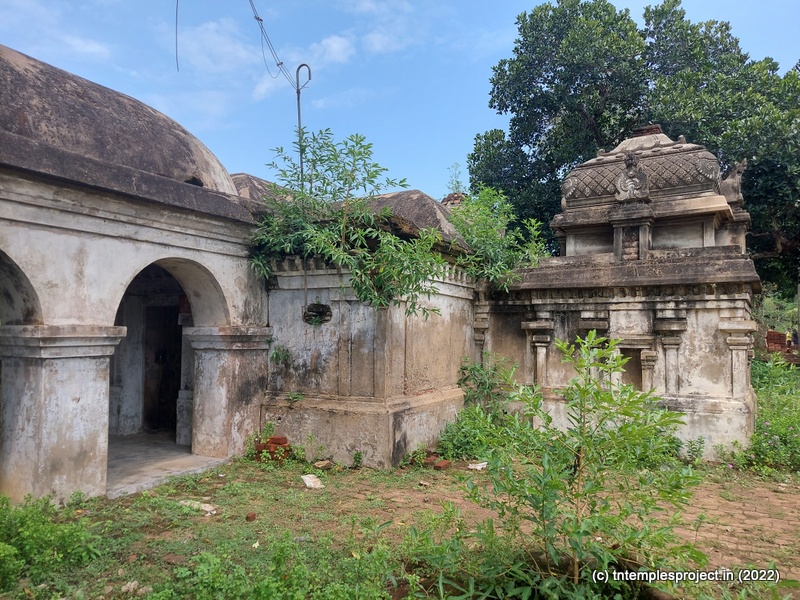
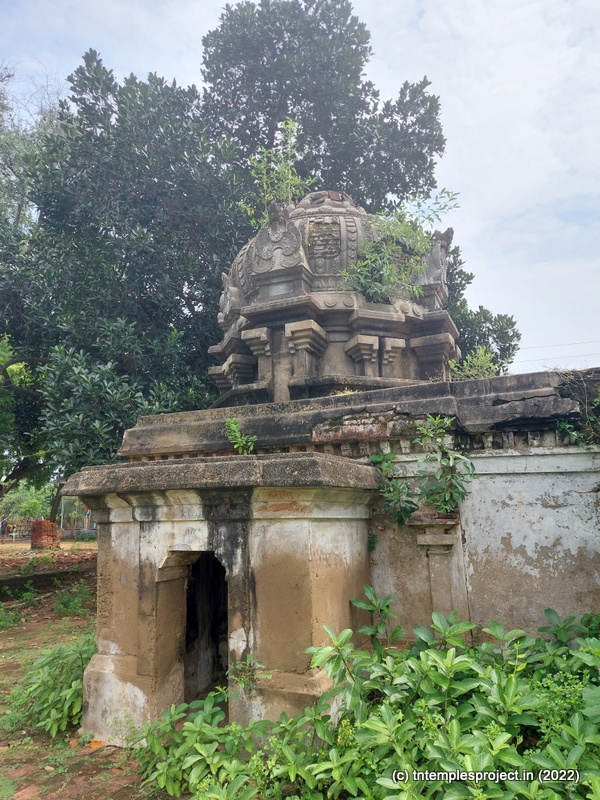
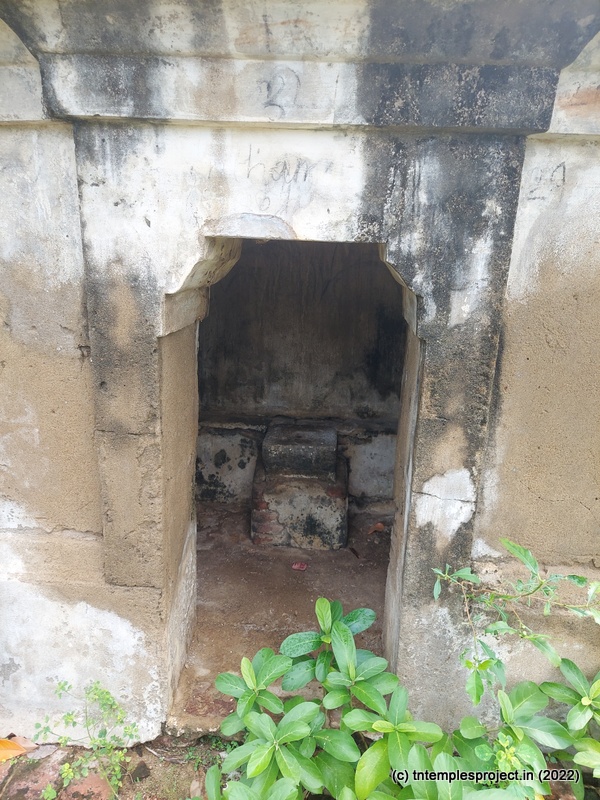
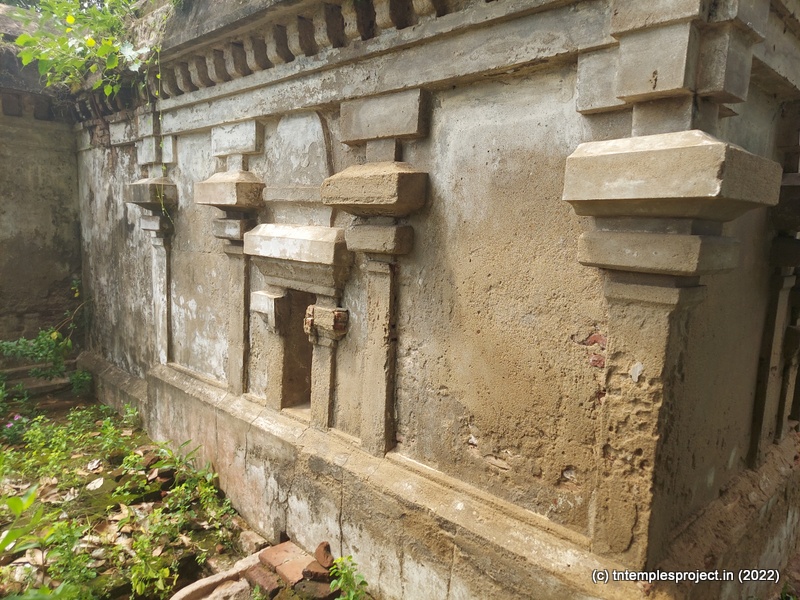
Arches on both sides of the passage lead to the prakaram, from where the neglected status of the temple is even more clearly visible. There are no shrines for parivara deities in the prakaram, as are all the koshtams (including the Dakshinamurti shrine, which is more often than not, untouched). The outer walls of the garbhagriham and Amman shrine also show signs of reword in the late 20th century.
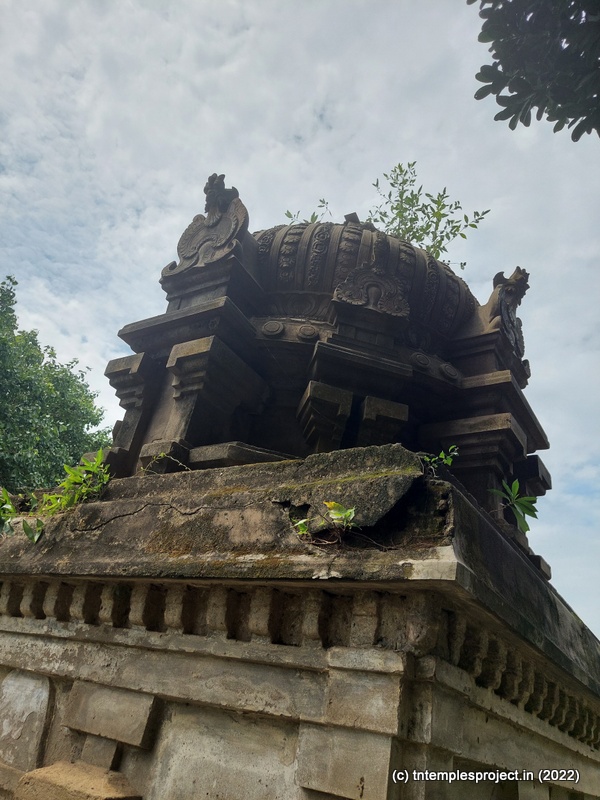
The architecture here is from the Thanjavur Nayaks period, although the original temple may have been Chola as well.
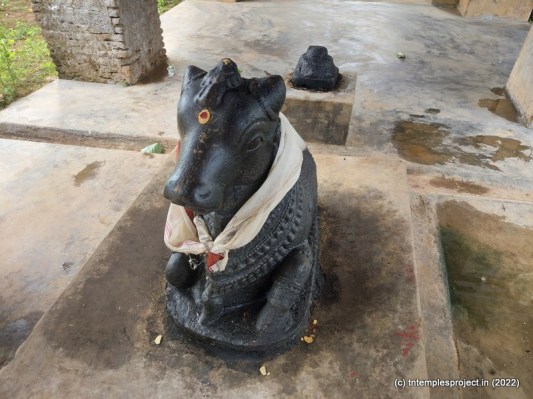
Despite the obvious lack of maintenance of the temple as a whole, the place is in active worship, as one can see from the pictures of Nandi.
The temple is undergoing extensive renovations, with trees being cleared and construction of halls and corridors underway. It houses the Nayakar Hall, Kumbha Mandapam, Mukha Mandapam, and Artha Mandapam. However, unlike today, there are no statues in these mandapams, which needs to be rectified.
Other information for your visit
Contact
Gallery

 TN Temples Project