Basic information about the temple
| Moolavar: | Nagalingeswarar | Ambal / Thayar: | Periya Nayaki |
| Deity: | Siva | Historical name: | |
| Vriksham: | Teertham: | ||
| Agamam: | Age (years): | Timing: | – to – & – to – | Parikaram: |
| Temple group: | – | ||
| Sung by: | Temple set: | ||
| Navagraham: | Nakshatram: | ||
| City / town: | Nagampandal | District: | Cuddalore |
| Maps from (click): | Current location | Ariyalur (55 km) | Mayiladuthurai (56 km) |
| Kumbakonam (63 km) | Cuddalore (70 km) |
Location
Sthala puranam and temple information
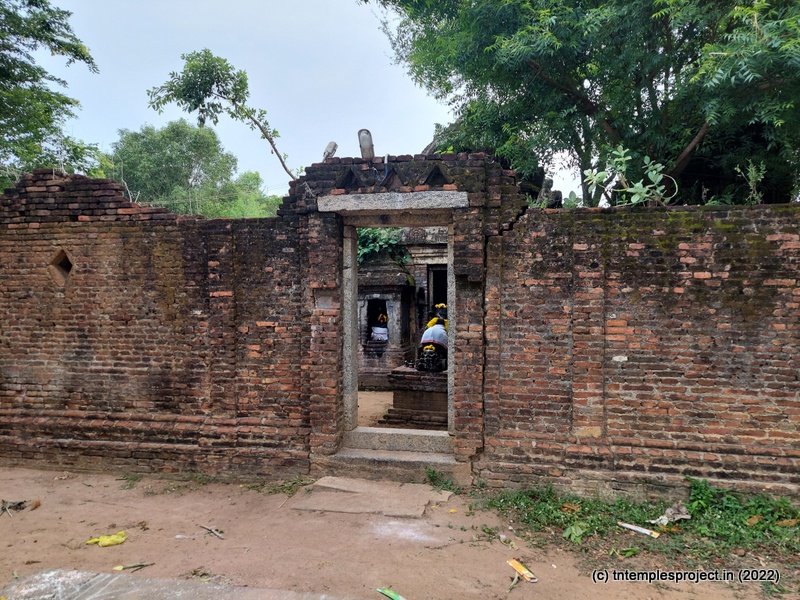
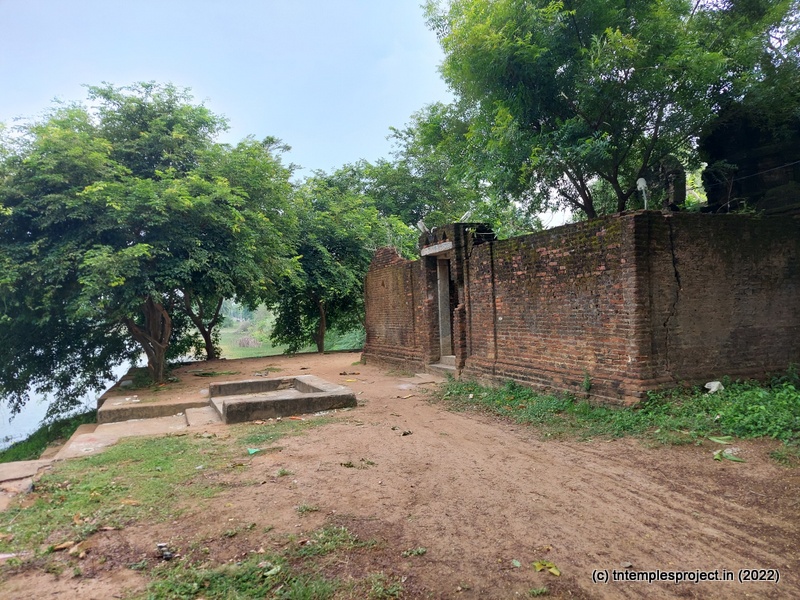
Located on the side of the road (which itself is not a mail road, but an offshoot from the Rajendrapattinam – Srimushnam road), is this relatively abandoned / poorly maintained temple for Lord Siva as Nagalingeswarar.
This village temple is possibly no older than 500 years, and lacks a sthala puranam. But the village it belongs to compensates by providing some possible insights into ancient Tamil culture.
If we take a look at the etymology of places whose names start with “Naga”, we find Nagercoil, Nagambadi, Nagalur, Nagapattinam, Nagore, Nagarkudi, etc. Almost all of these, without exception, are named so because of a legend or temple puranam that Nagas – or snakes – worshipped there. However, this temple is in the village of Nagampandal, referring to a place where Nagas used to reside. Does this refer to snakes?
Sangam literature refers to various clans or tribes, belonging to the Tamil social context of those days. These include names like Uzhavar, Vettuvar, Panar, Ayinar, Maravar, Paratavar, etc. One amongst these is the Naga clan, which perhaps used to trade in or capture snakes (much like certain clans do even today). The epics – specifically Silappatikaram – talk of this clan migrating from the coastal areas of northern Tamilakam, through what used to be Kaveripoompattinam (today’s Poompuhar), modern day Nagapattinam, and reaching Sri Lanka. Some of the places they traversed through were named after them as the original settlers. The Tamil epic Manimekalai also describes the marriage of the Chola king Killivalavan with a Naga princess.
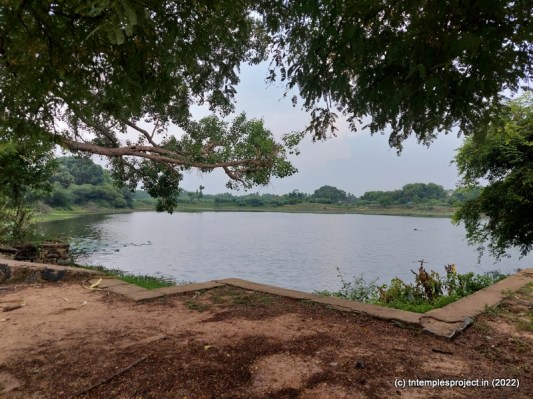
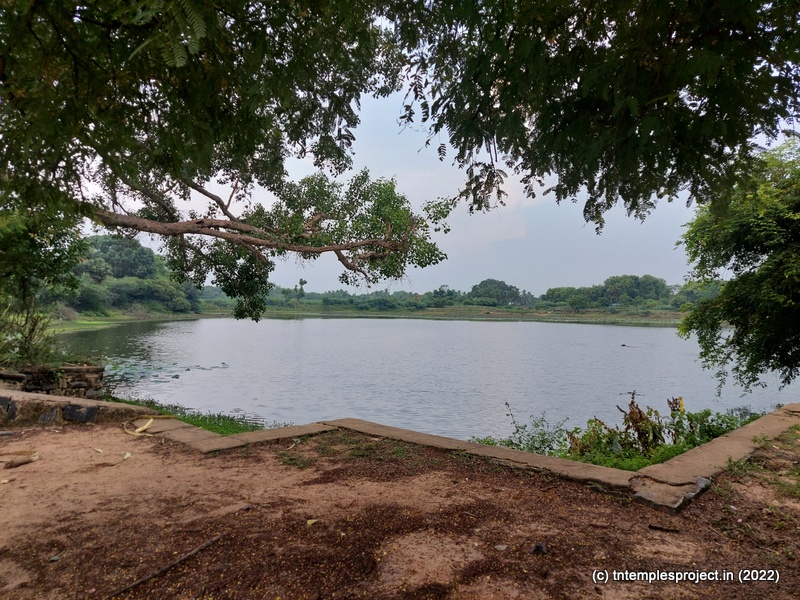
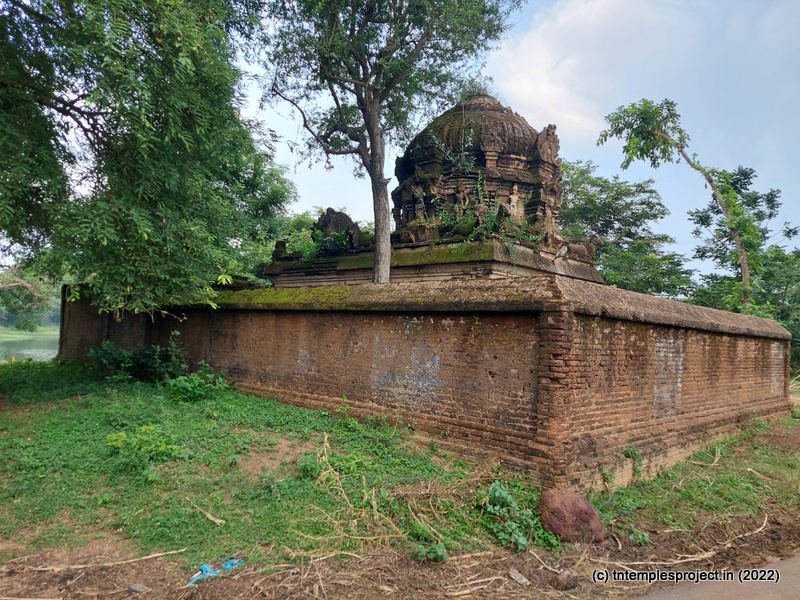
The temple abuts a large pond – which at one time may have been the temple’s Teertham – with steps leading down to it.
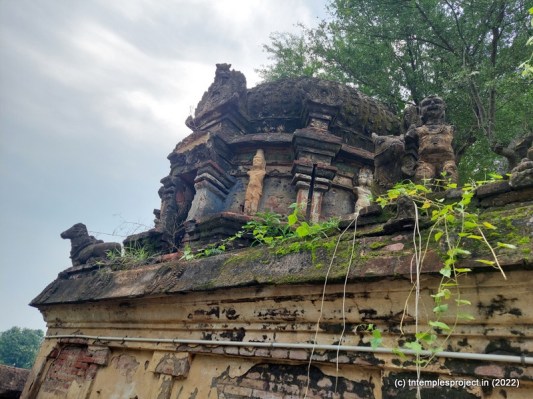
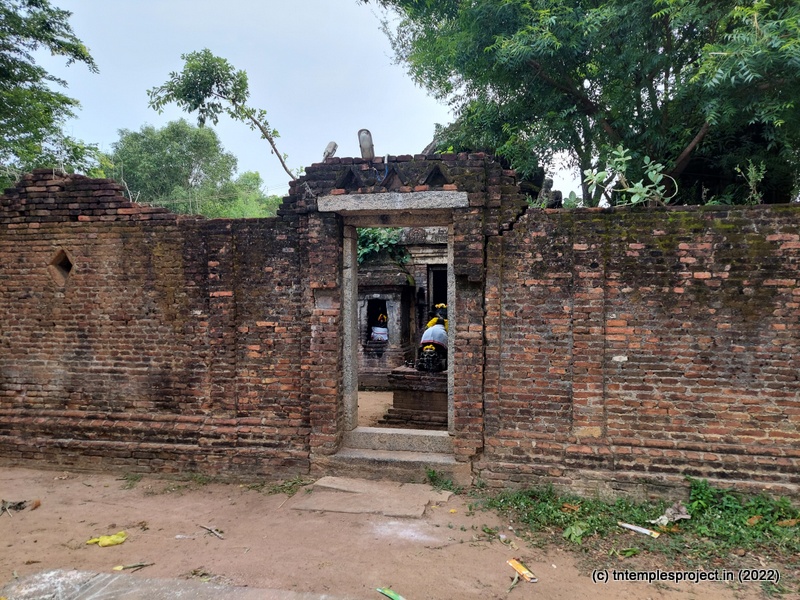
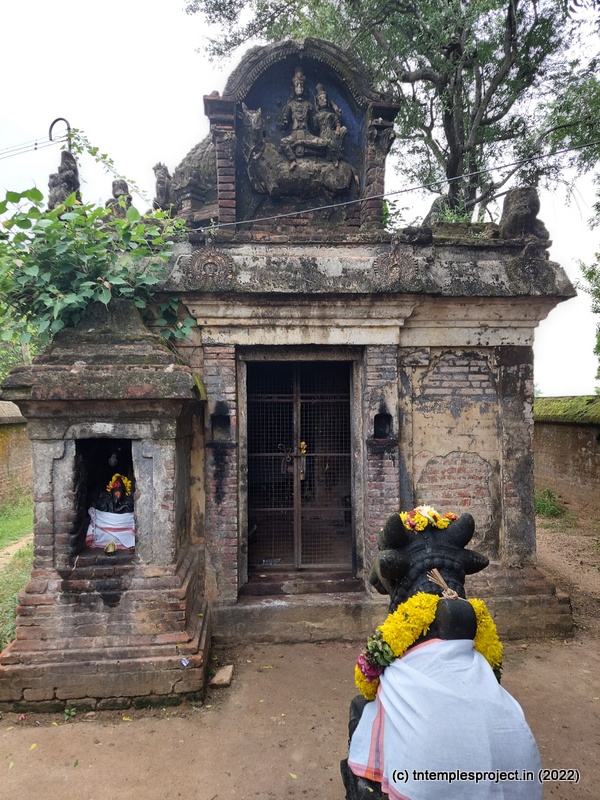
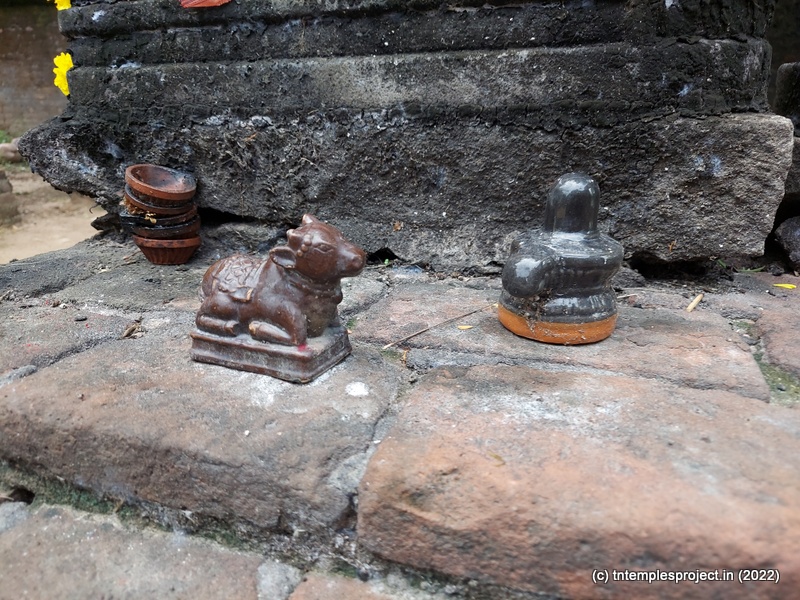
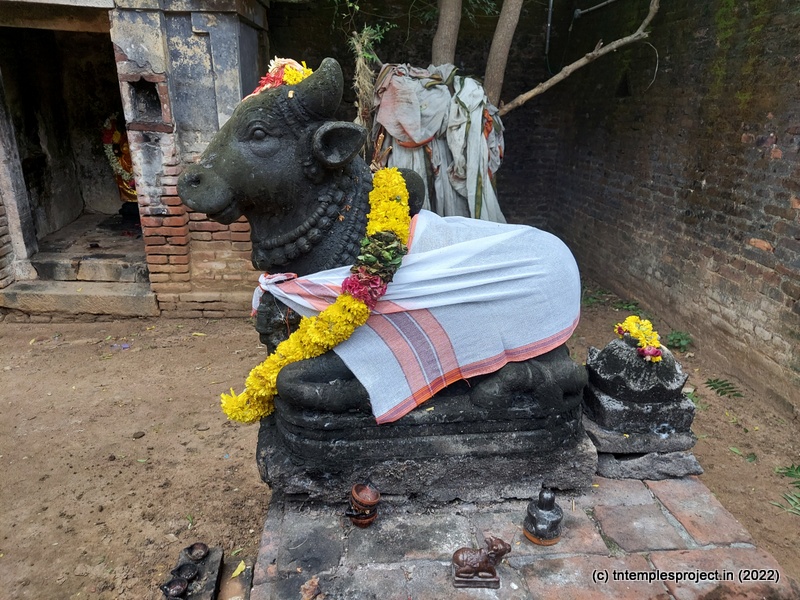
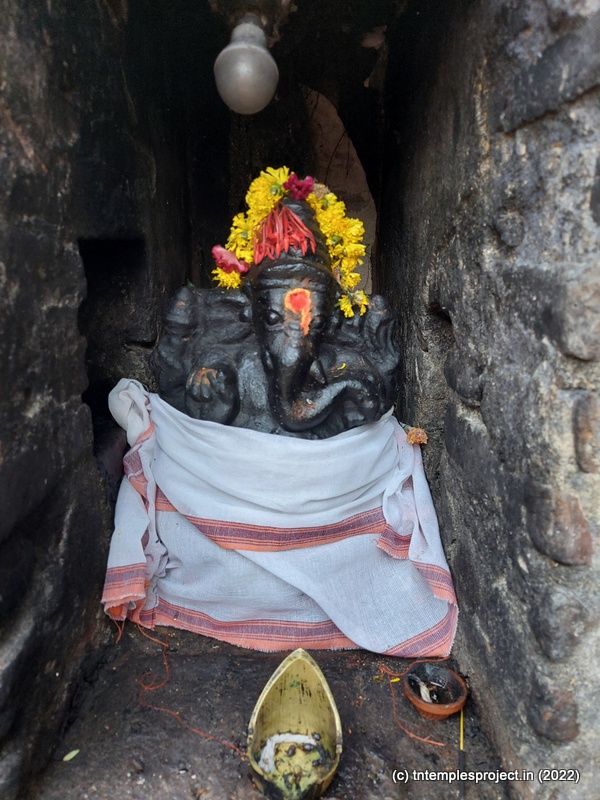
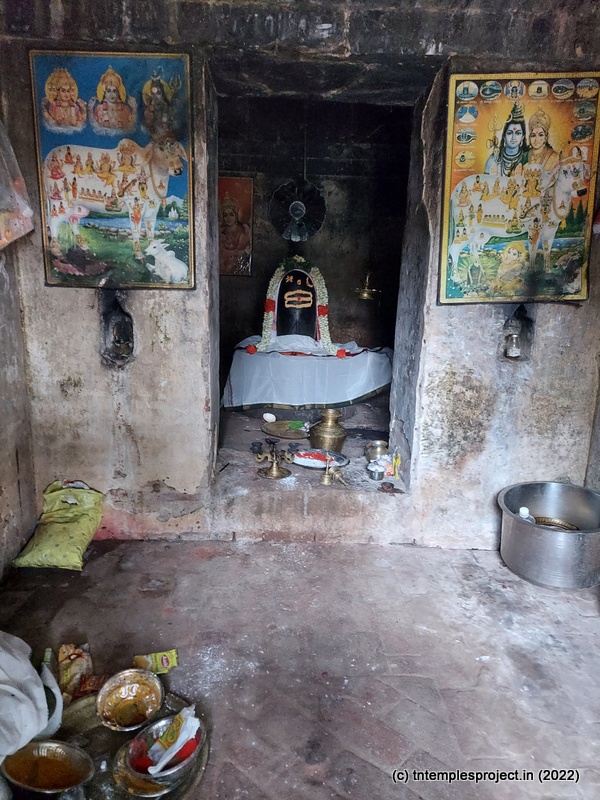
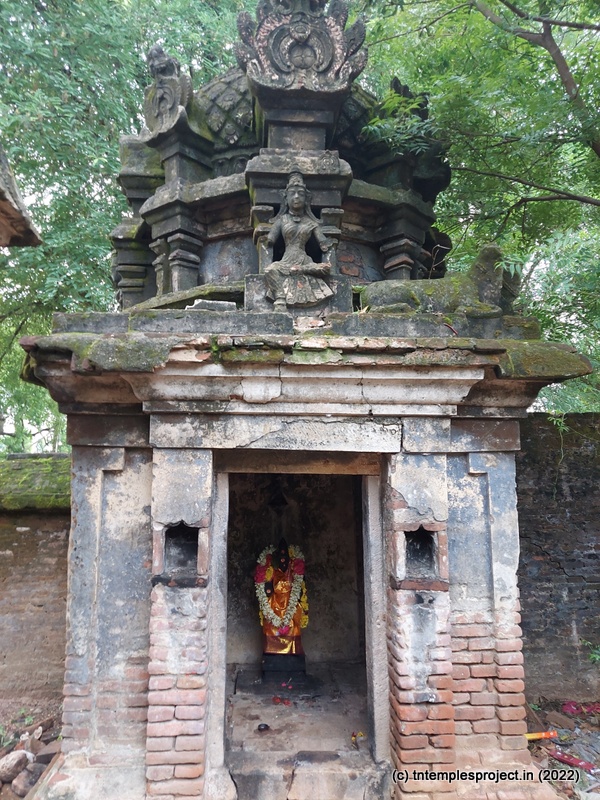
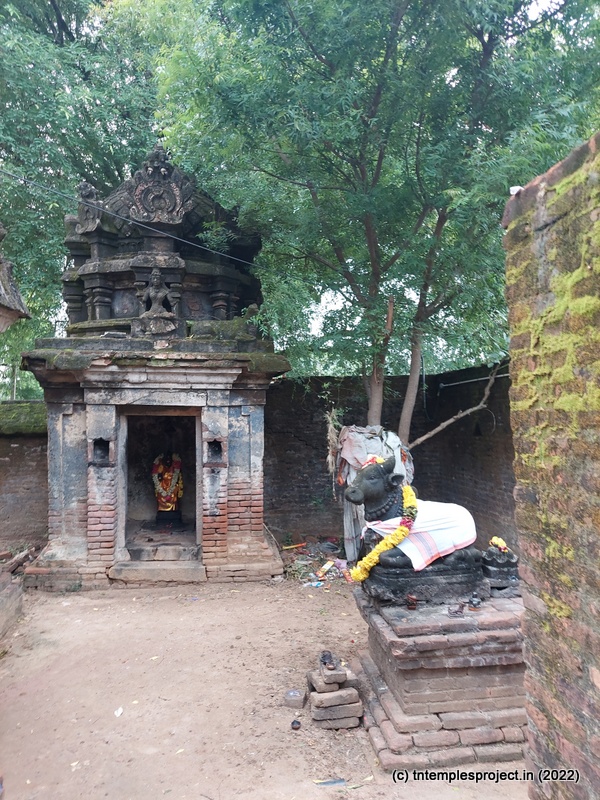
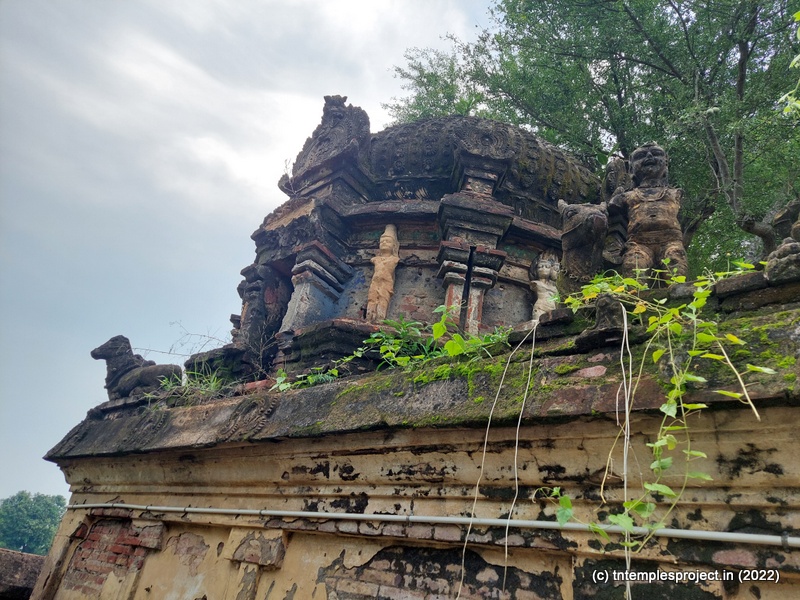
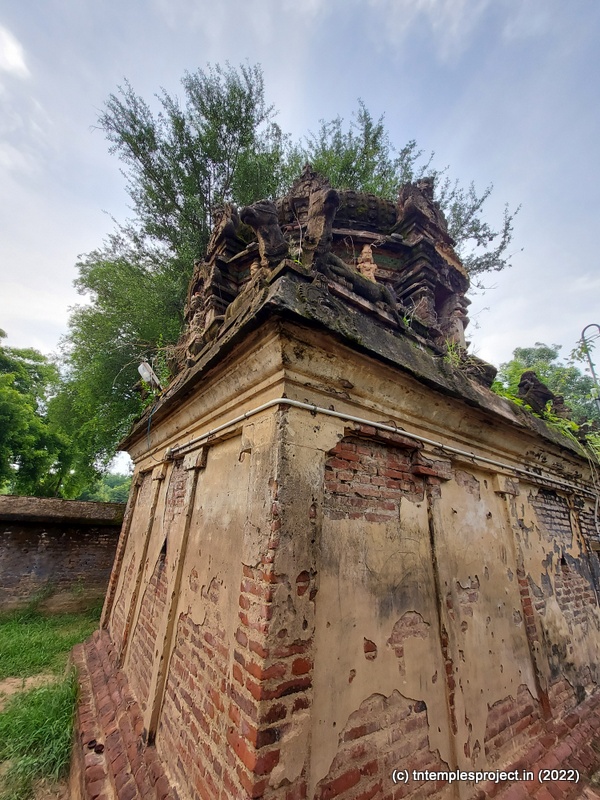
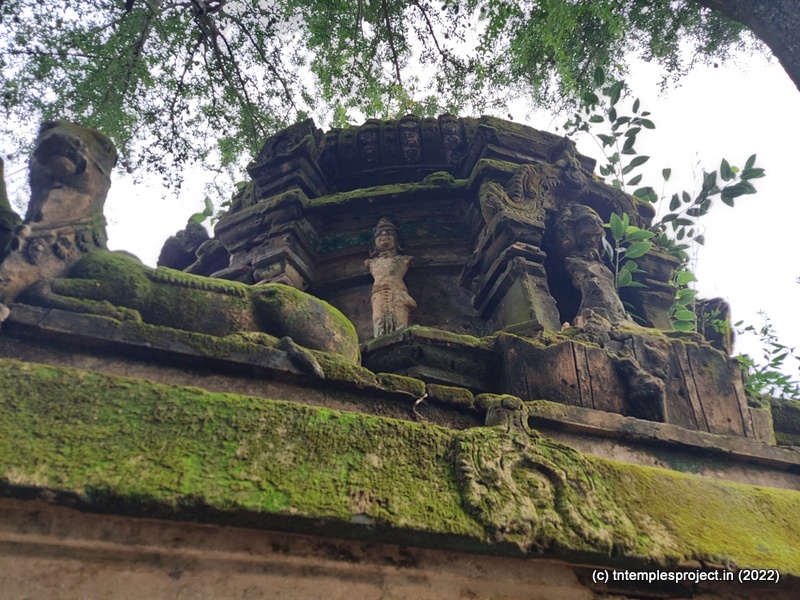
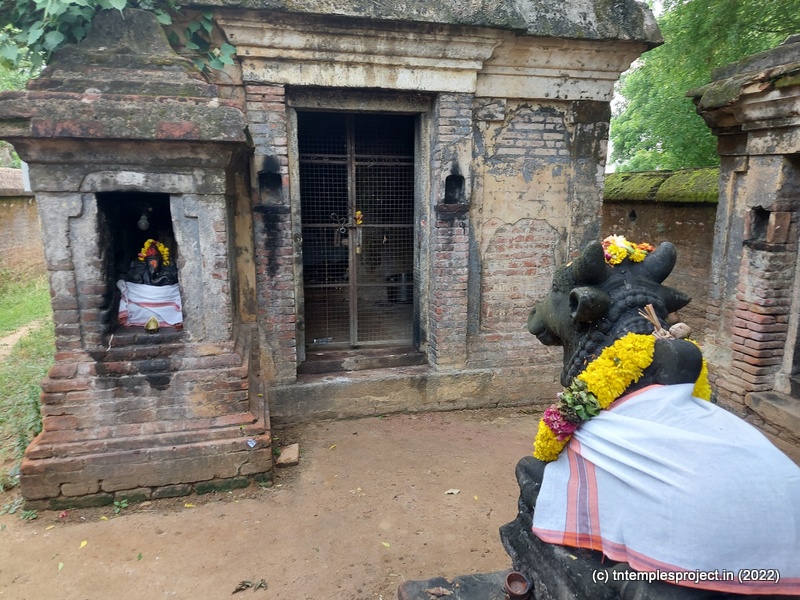
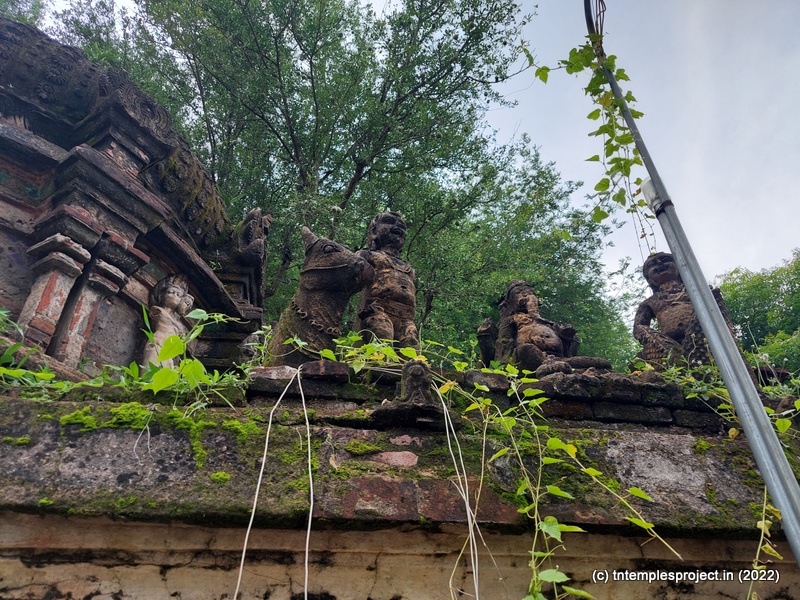
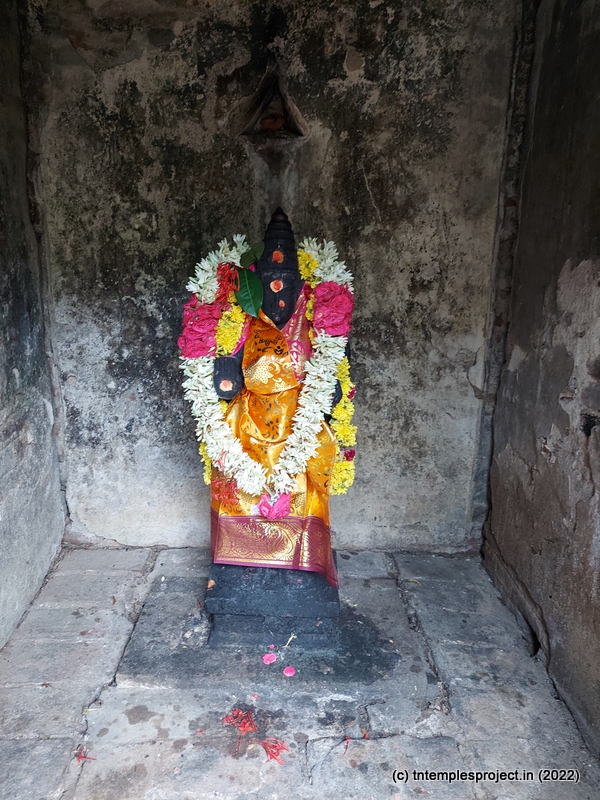
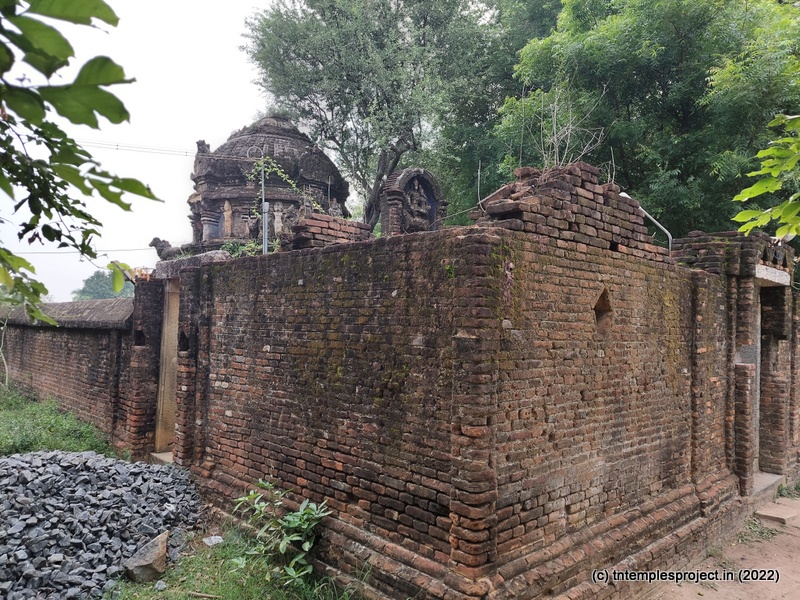
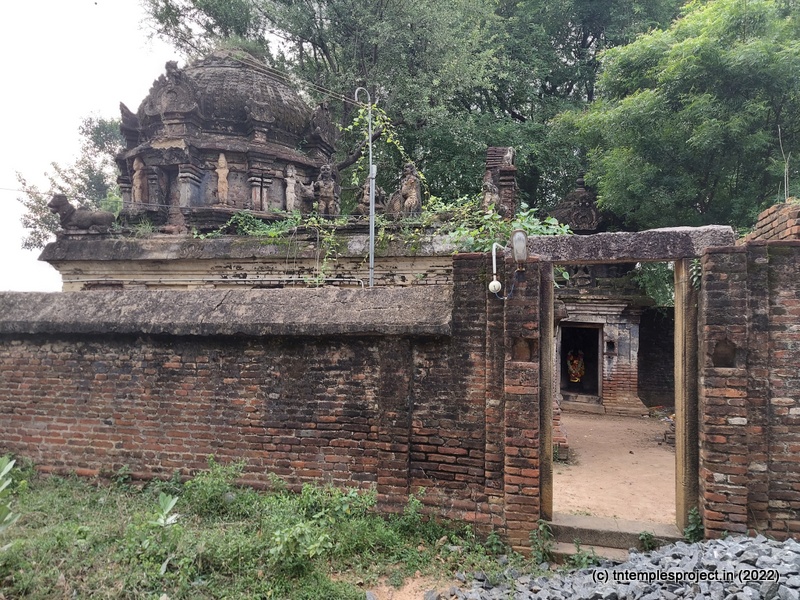
The temple itself is relatively simple, with just a brick wall for whatever protection it can offer. Inside, is a Nandi followed by the ardha mandapam and maha mandapam. The ardha mandapam is flanked by a separate shrine for Vinayakar, and a bas relief of Murugan. On the right, facing south, is a separate Amman shrine. All the structures are made of brick, which doesn’t give much indication of the age of the temple (though in some cases, such brick structures are attributed to the Nayaks). The garbhagriham also features a beautiful circular vimanam with intricate work.
Despite its dilapidated state, the temple is in active worship, though usually this is restricted only to fortnightly pradoshams and other festivals of importance.
Other information for your visit
Contact
One Mr Paramasivam – a resident of the village – lives nearby and has taken on the task of maintaining the temple and raising funds for its renovation, which it desperately requires. He can be contacted at 97916 30685, if anyone wants to contribute to the temple’s upkeep / renovation. He is also eager to meet visitors to the temple.
Gallery
 TN Temples Project