
Arupadai Veedu: The Six Sacred Abodes of Lord Murugan in Tamil Nadu
Discover the spiritual and cultural legacy of the Arupadai Veedu—the Six Abodes of Lord Murugan, celebrated as the holiest pilgrimage circuit for Murugan devotees, exclusively on tntemplesproject.in. These six temples, all located in Tamil Nadu, trace their origins to ancient Tamil Sangam literature, especially Thirumurugatrupadai (by Nakkeerar, 1st century CE) and devotional classics like Thiruppugazh. The phrase Aru-padai veedu translates to “battle camps” or “army bases,” symbolically representing divine stations where Murugan conquered evil, protected devotees, and imparted spiritual wisdom.
The Mythological and Spiritual Significance
Each temple in the Arupadai Veedu circuit is woven into rich legends—from Murugan’s victorious battles over demonic forces to his sacred marriages and teachings. The abodes stand as metaphors for overcoming the six inner enemies (desire, anger, delusion, greed, pride, jealousy), aligning with the core themes of liberation (mukti) in Tamil religious thought.
The Six Abodes: Locations, Legends, and Unique Features
| Temple | Location | Key Legend & Unique Aspect |
| Tiruparankundram | Outskirts of Madurai | Scene of Murugan’s celestial marriage to Deivayanai, built on a hillock, site of rock-cut architecture |
| Swamimalai | Near Kumbakonam | Where Murugan explained the Pranava Mantra (Om) to Lord Shiva, revered as the “teacher” or “guru” |
| Pazhamudircholai (Alagar Koil) | Near Madurai | Only abode where both consorts (Valli & Deivanai) are worshipped; associated with Avvaiyar’s wisdom legend |
| Tiruchendur | Seashore, Thoothukudi | Site of Murugan’s victory over Soorapadman; only seashore temple among the six; venue for grand Kanda Sashti festival |
| Thiruthani | 75km from Chennai | Murugan’s marriage to Valli; situated atop 365 steps (one per day of year), symbolizing ascension and resolution |
| Palani | Hillock near Dindigul | Murugan stays after family feud over divine fruit; presiding deity is Dhandayuthapani, associated with “gnana pazham” |
Though not among the formal six, the Singaravelan shrine at Sikkal is often revered as an unofficial seventh abode by many devotees.
Origins in Literature and History
- Sangam Age Roots: Thirumurugatrupadai, composed in the 1st century CE, gives each abode prominence and reveals their existence in pre-Christian eras—a testament to their ancient sanctity.
- Thiruppugazh & Kanda Puranam: Later devotional works (e.g., Thiruppugazh by Arunagirinathar) deepen the poetic and spiritual connection between these temples and Tamil Shaivite tradition.
Festivals and Rituals
- Kanda Sashti: Grandly celebrated at Tiruchendur with dramatic reenactments of Murugan’s triumph over evil; six-day fasting, processions, and prayers are central elements.
- Vaikasi Visakam: Celebrated in May-June, marking Murugan’s birth; Swamimalai and Palani draw massive crowds.
- Karthigai Deepam: The festival of lights, symbolizing Murugan as divine illumination, is marked most vibrantly at Thiruthani, Palani, and Tiruparankundram.
- Aadi Krithigai: Celebrated especially in Palani, Swamimalai, and Tiruchendur with Kavadi offerings, processions, and acts of devotion.
Pilgrimage Experience and Cultural Impact
- Spiritual Quest: Visiting all six abodes is considered a path to overcoming life’s obstacles and gaining divine protection from inner enemies.
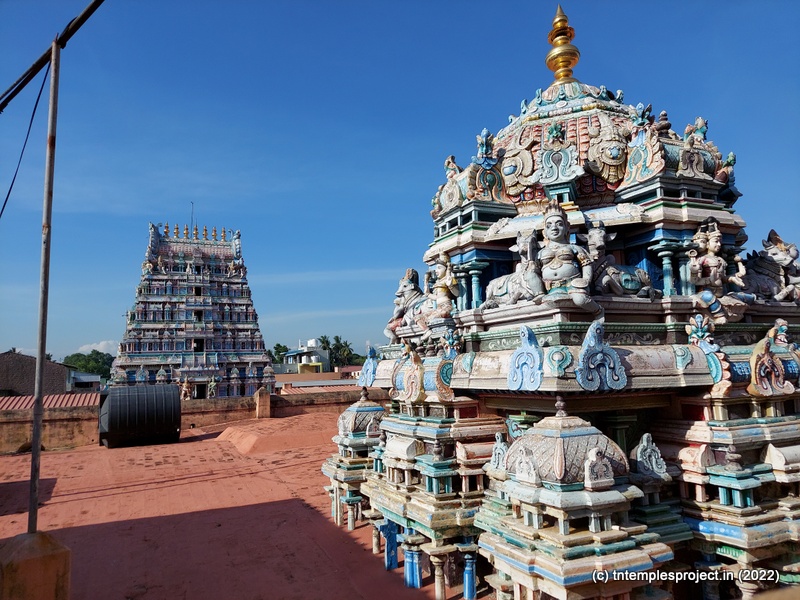
- Cultural Heritage: Temples are renowned for their Dravidian architecture, ancient inscriptions, and vibrant local cuisines—like Palani’s “panchamirtham” or Tiruchendur’s seafood and biryani.
- Community and Tradition: Festivals see mass participation with chariot processions, special abhishekam rituals, music, and devotional offerings, reflecting Tamil Nadu’s living spiritual culture.
Explore More on Arupadai Veedu temples
For an in-depth guide, legends, travel tips, historical context, and posts on each of the Six Abodes of Murugan, visit tntemplesproject.in’s dedicated Arupadai Veedu section.
Enrich your spiritual journey by exploring the revered Arupadai Veedu—where ancient myth, poetic devotion, and vibrant culture converge in a circuit celebrated by devotees for over two thousand years.



 TN Temples Project