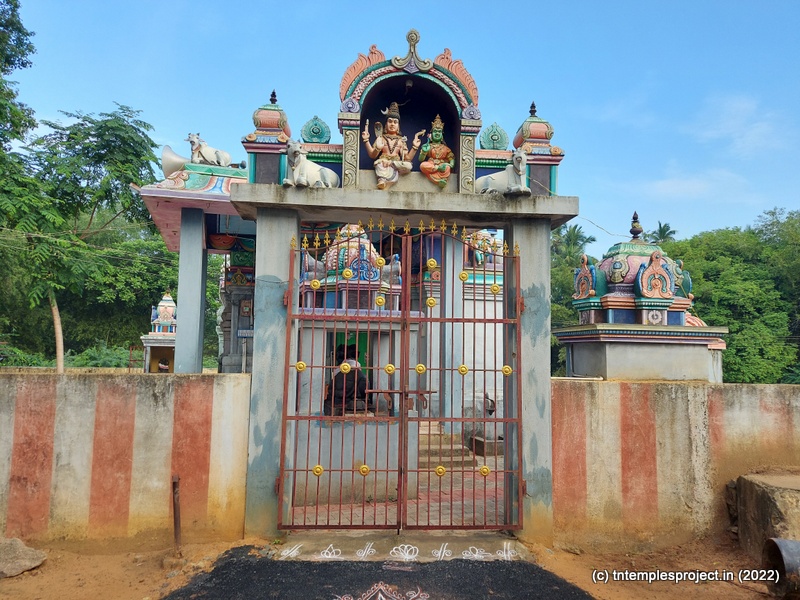
Basic information about the temple
| Moolavar: | Paavaneswarar | Ambal / Thayar: | Akhilandeswari |
| Deity: | Siva | Historical name: | |
| Vriksham: | Teertham: | ||
| Agamam: | Age (years): | Timing: | – to – & – to – | Parikaram: |
| Temple group: | – | ||
| Sung by: | Temple set: | ||
| Navagraham: | Nakshatram: | ||
| City / town: | Ponpethi | District: | Thanjavur |
| Maps from (click): | Current location | Kumbakonam (11 km) | Ariyalur (39 km) |
| Thanjavur (40 km) | Mayiladuthurai (44 km) |
Location
Sthala puranam and temple information
Originally named Ponpettri (பொன்பெற்றி), this small hamlet near Swamimalai has come to be known over time as Ponpethi.
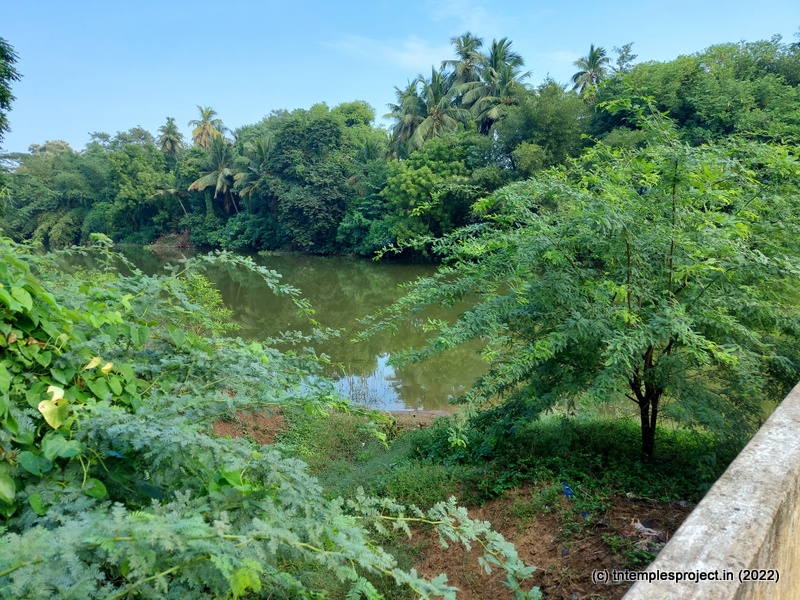
This unassuming temple on the southern bank of the Manniyaru river, is located very close to the Satchinathar temple at Tirupurambiyam (Paadal petra sthalam temple). It is also very close to the pallipadai (mausoleum temple) of Pritivipadhi, the Pandya king, who is featured in Kalki’s magnum opus, Ponniyin Selvan.
This little-known temple is said to be one of the Tevaram Vaippu Sthalam temples. While it has not been possible to identify the pathigam in which this temple has been sung about the place is said to have got its original name – Pon-pettri – after an incident where the Tevaram bhakti saint Sundarar is said to have received (pettru) gold (pon) from Lord Siva, here.
Buddhamitrar was a philosopher and scholar in the time of the Chola king Veera Rajendra (the last son of Rajendra Chola, early and mid 11th century CE), who came down from the Gangetic plains (where he had had commissioned the carvings of Bodhisattvas and the Buddha near Ganges River). After spending several years in the Chola region, he authored the Veera Sozhiyam, a treatise on Tamil grammar. As a reward for his scholarship, the king Veera Rajendra gifted the village of Ponpettri to the scholar.
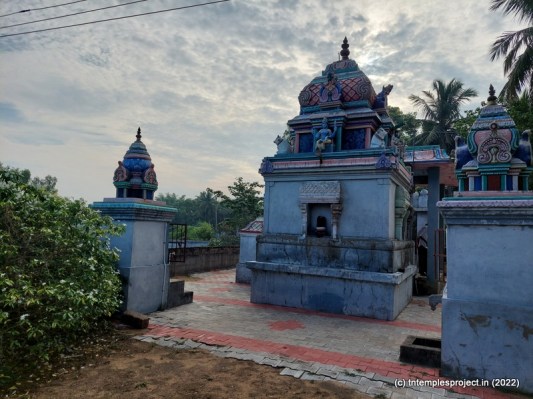
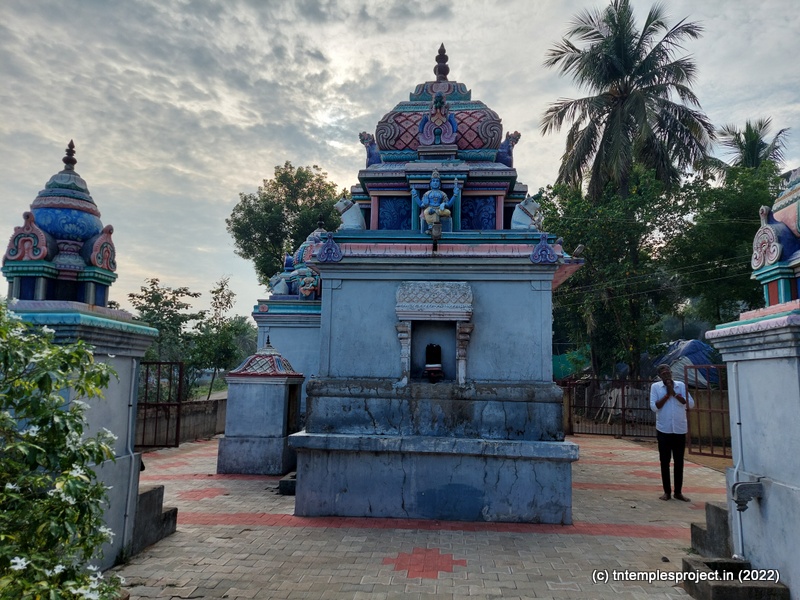
The original temple here is believed to have been washed away during floods, several centuries ago. A much smaller temple was later built in its place, and the temple was also relatively recently renovated, at the time of our visit in July 2022.
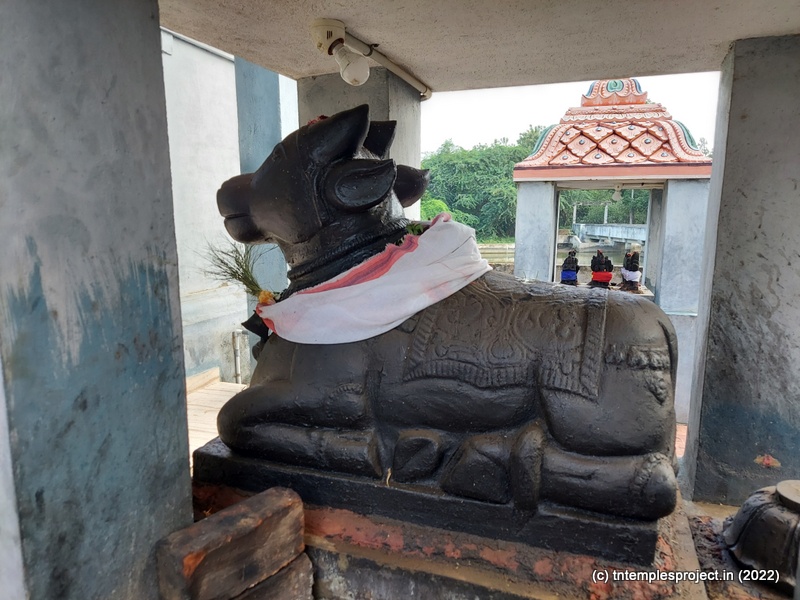
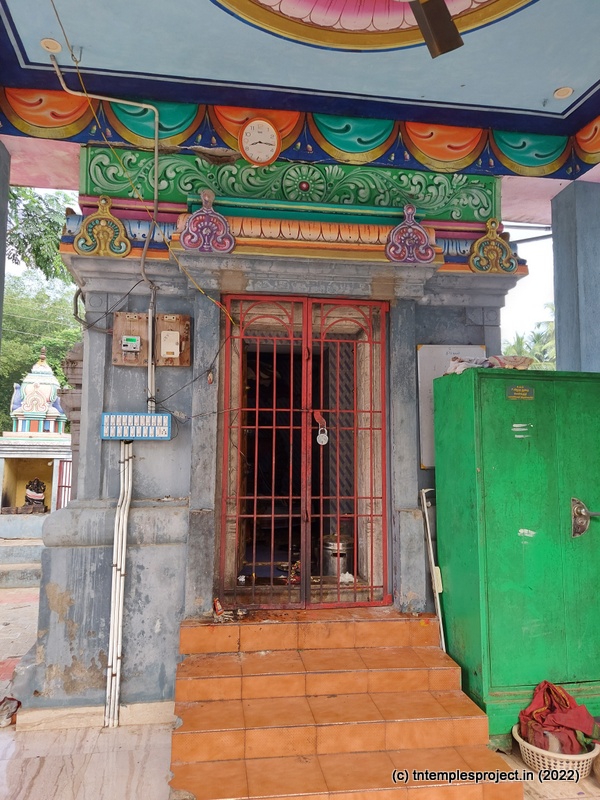
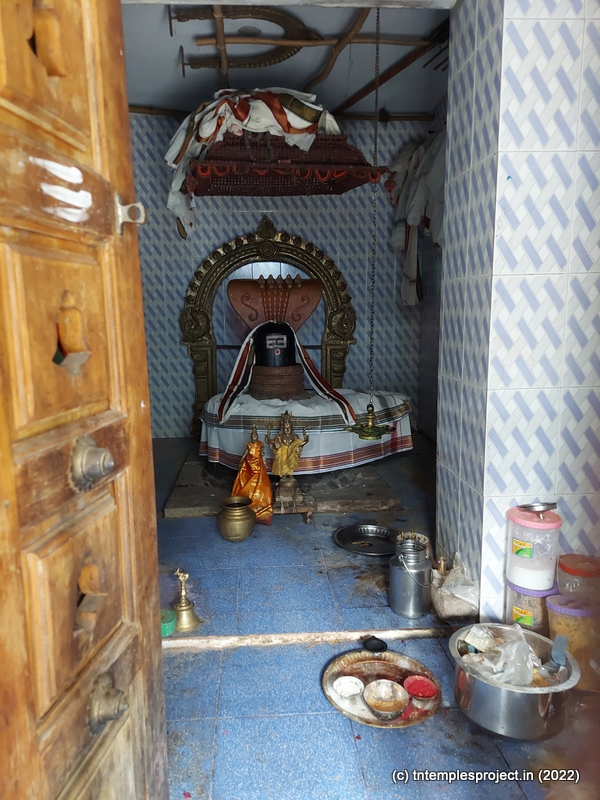
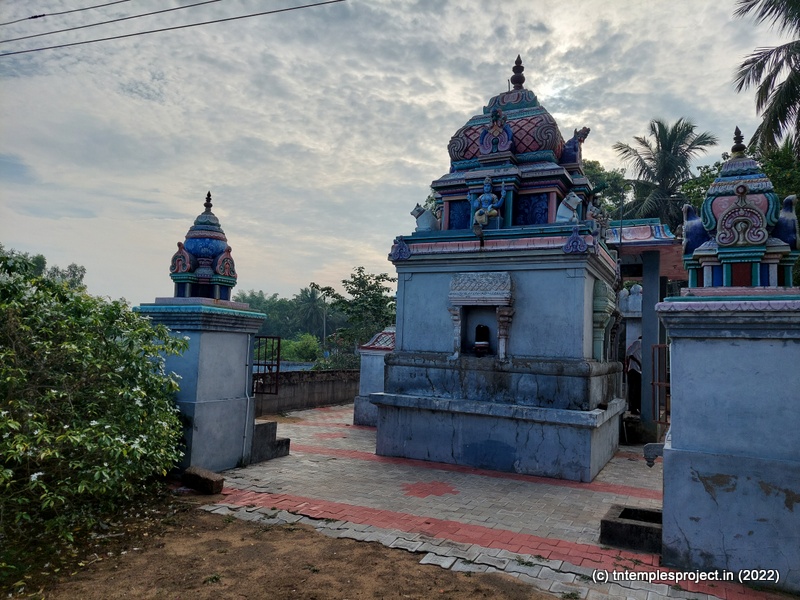
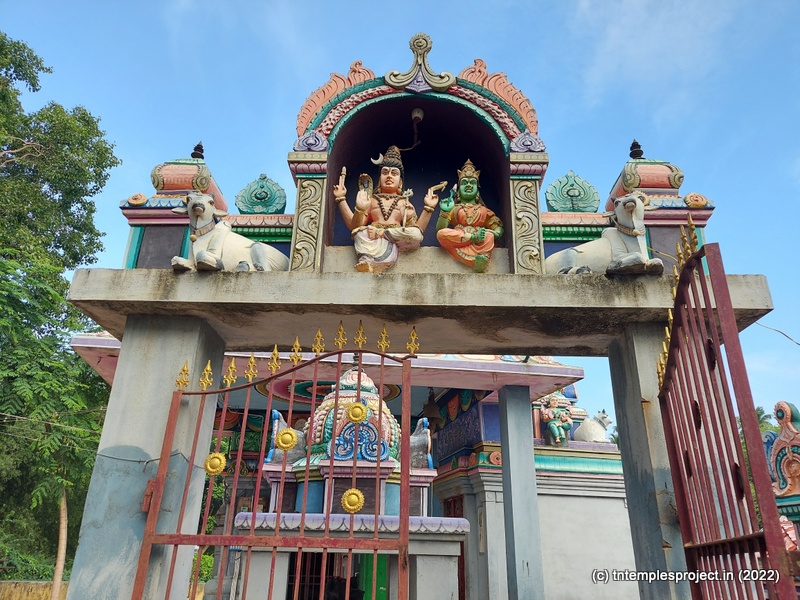
The east-facing temple as it stands today is rather small. As one enters, there is a relatively large Nandi, followed by a mandapam that houses the moolavar garbhagriham and the south-facing Amman shrine. The moolavar is Paavaneswarar, which identifies as the Lord of Vayu, the wind god.
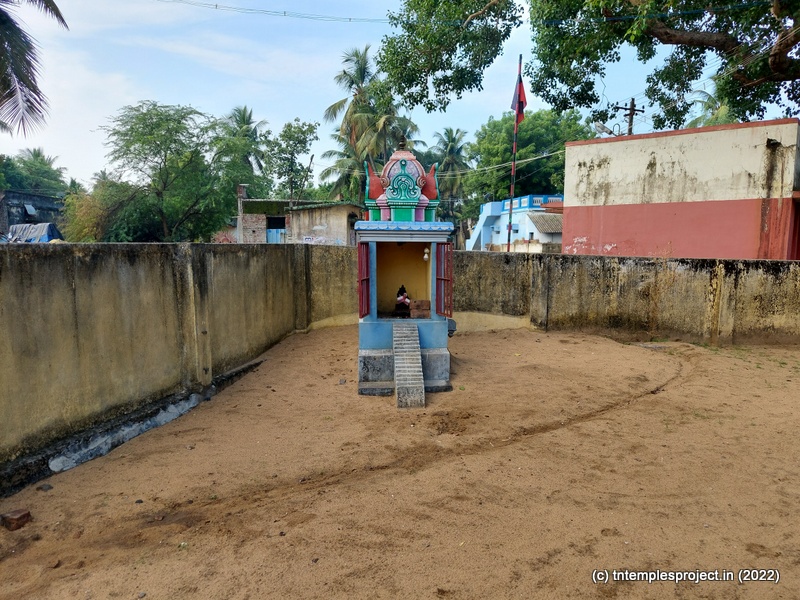
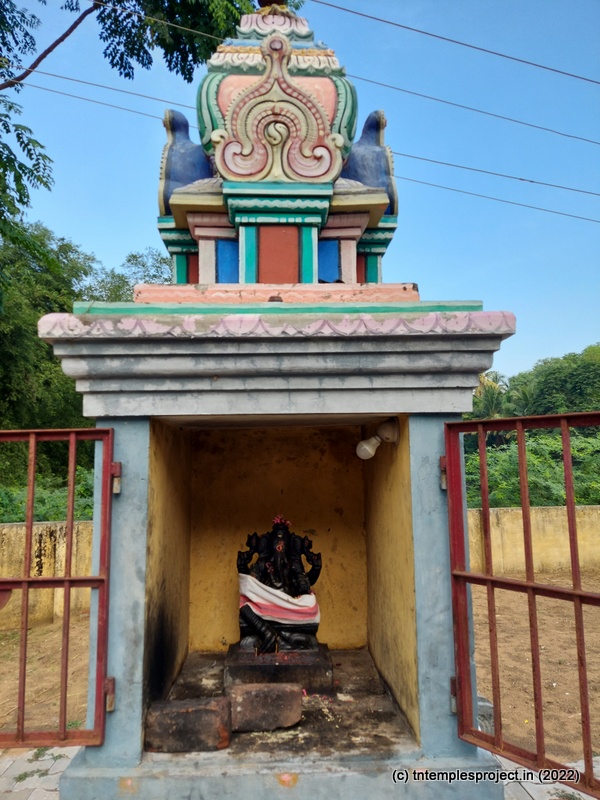
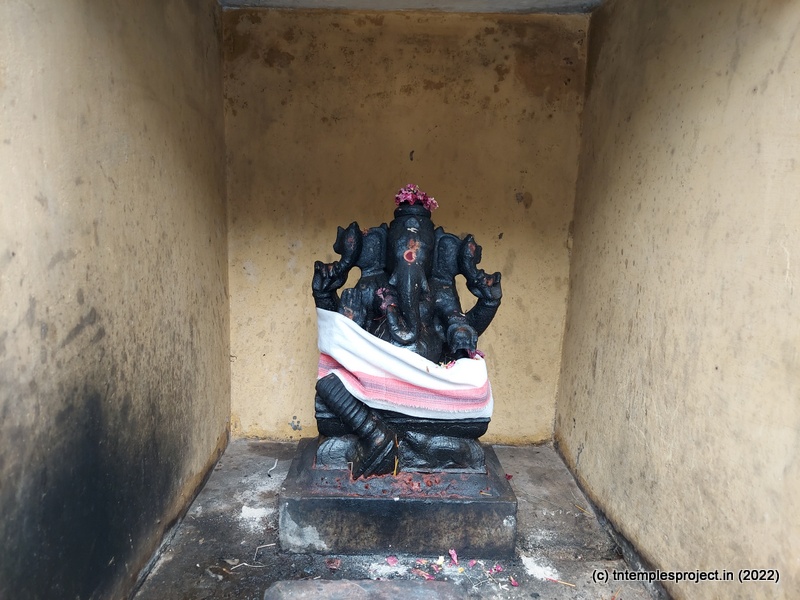
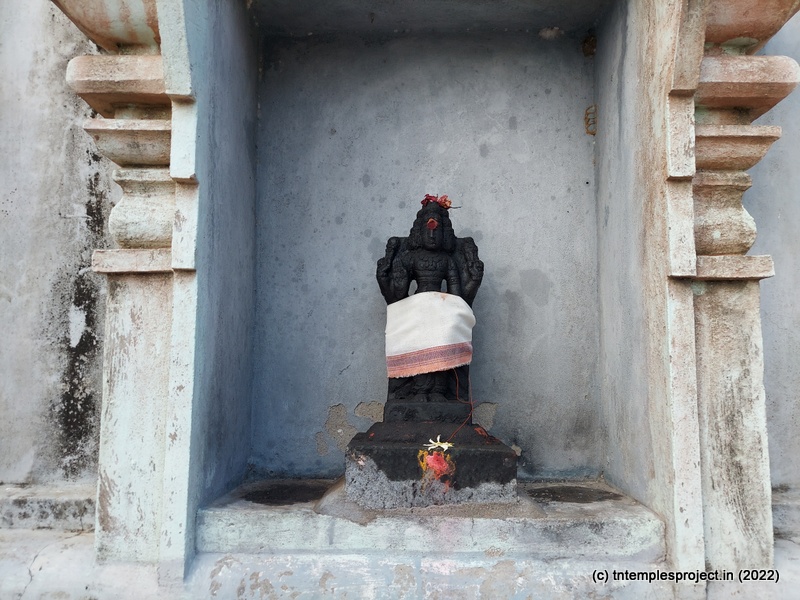
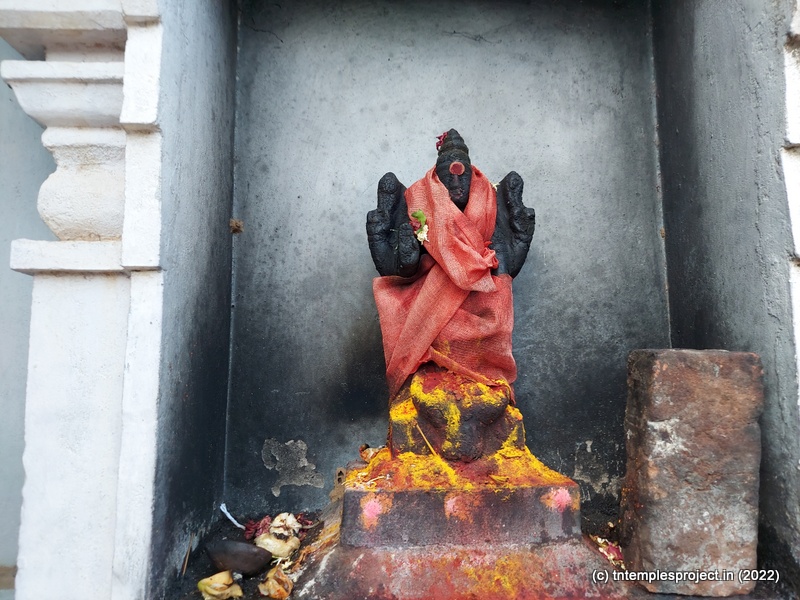
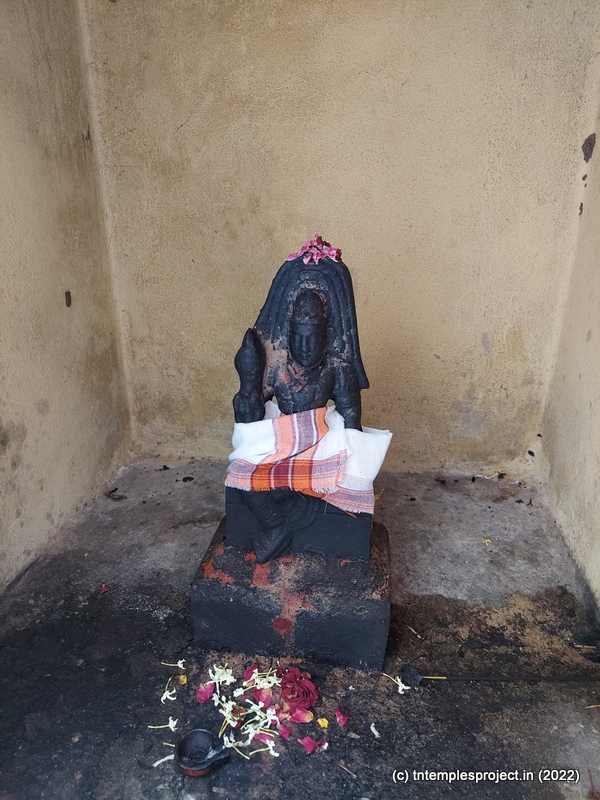
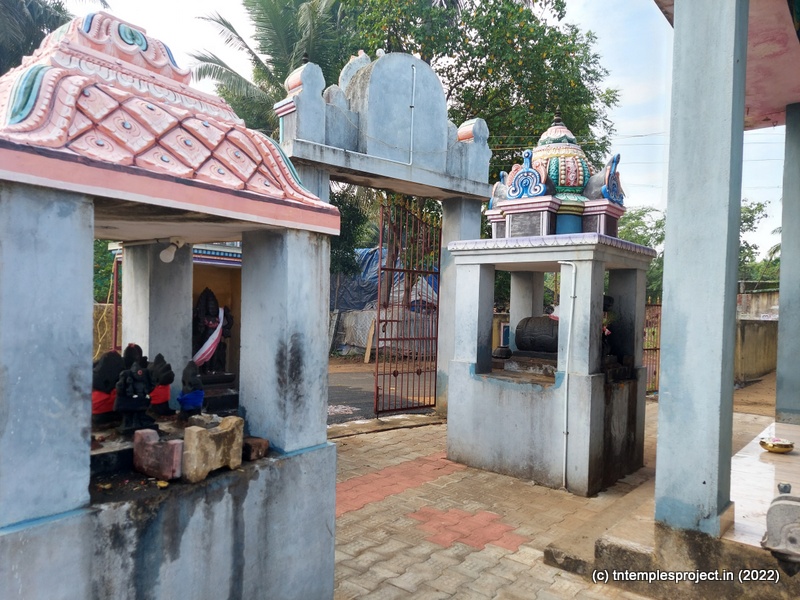
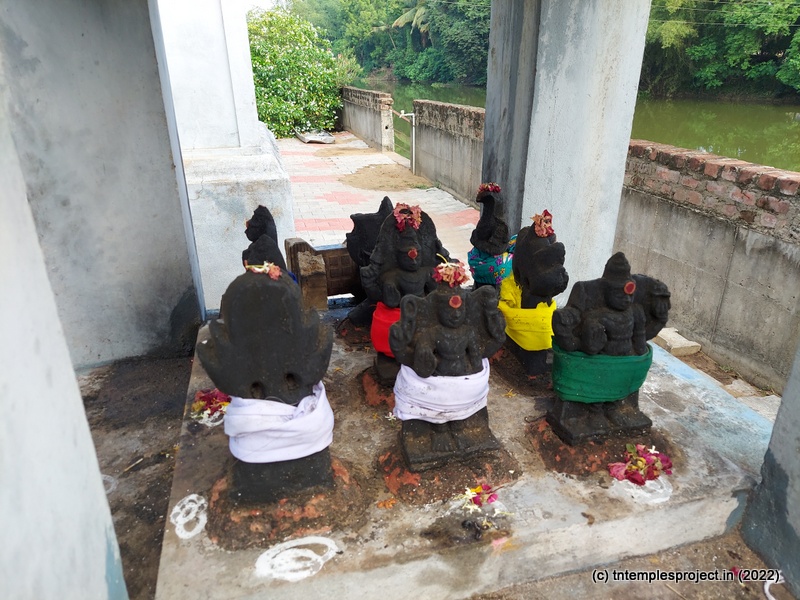
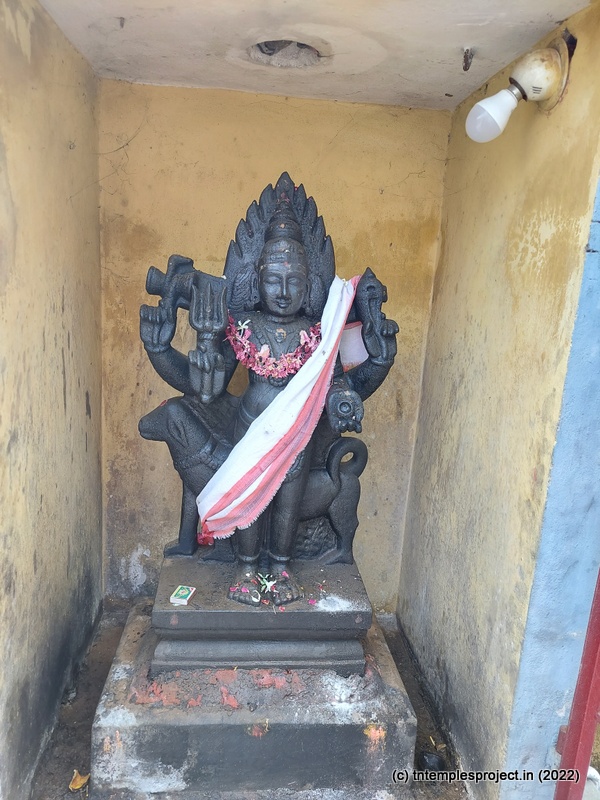
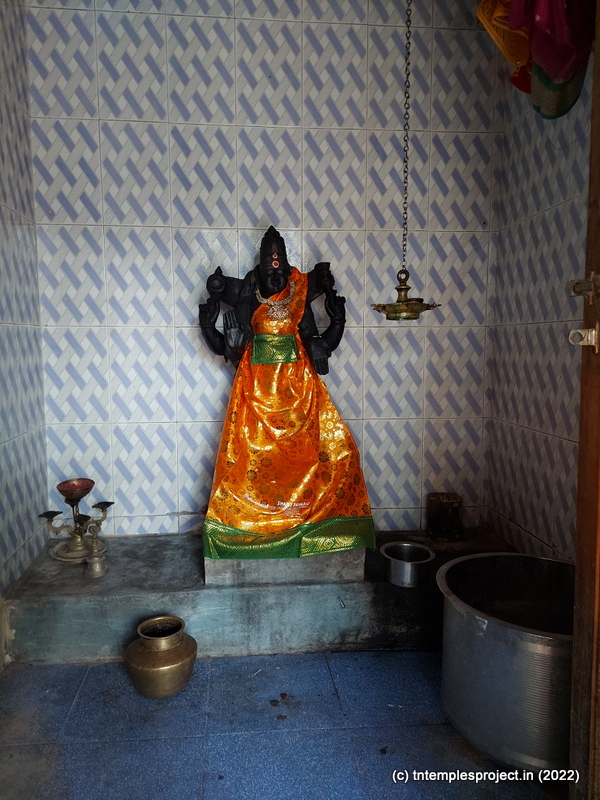
The usual koshtam deities are in place – Nardhana Vinayakar, Dakshinamurti, Lingodhbhavar, Brahma and Durga. In the prakaram are Vinayakar, Murugan with his consorts Valli and Deivanai, Chandikeswarar, and a separate Navagraham shrine. There is also a shrine for Bhairavar, and in the southern part of the temple premises there is a small shrine for Ayyappan.
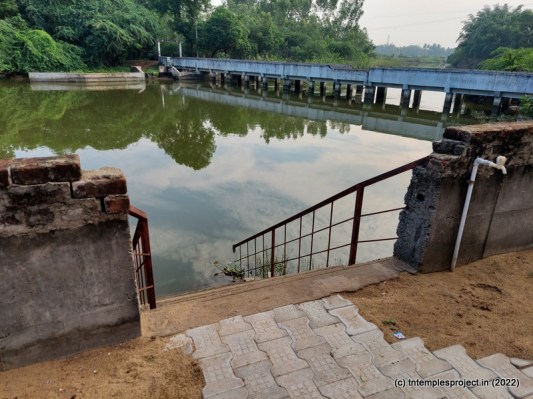
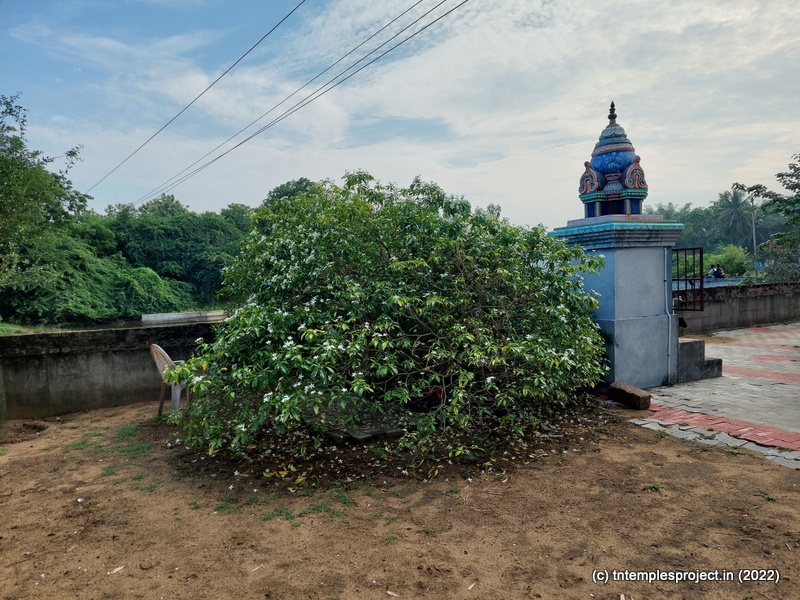
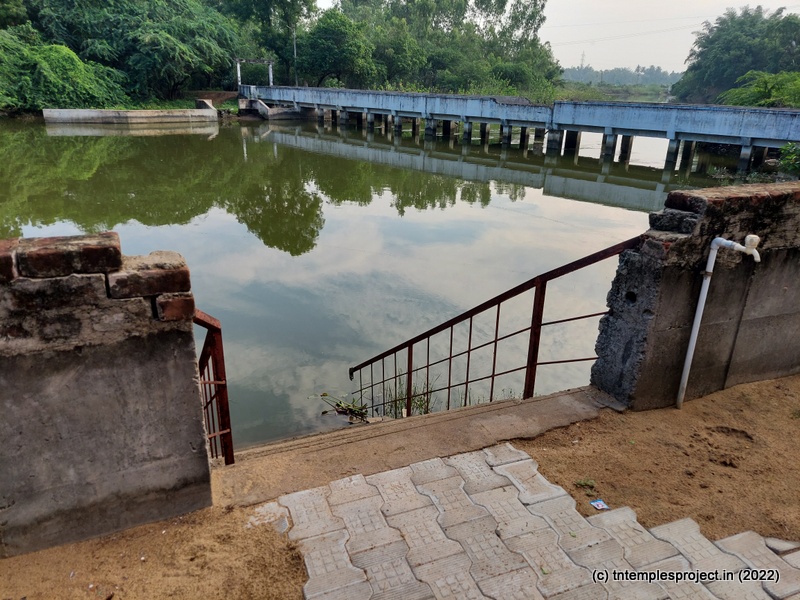
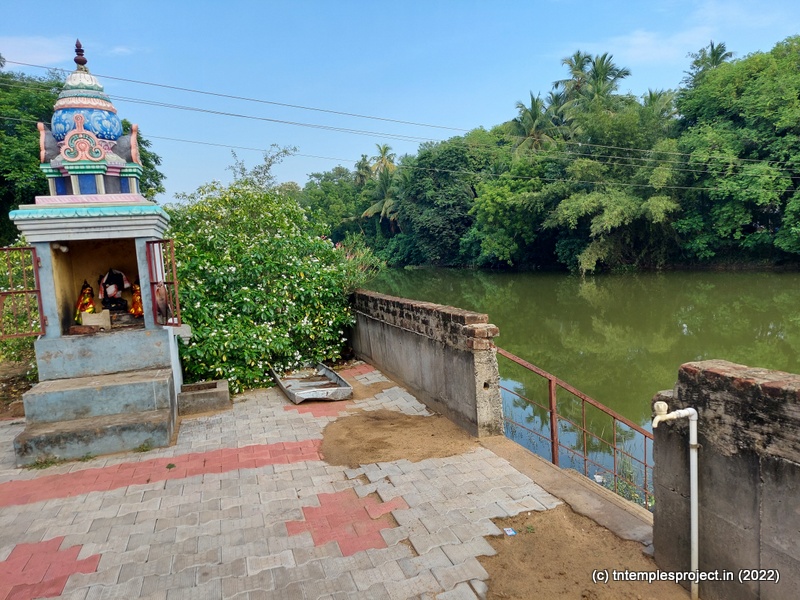
A small break in the northern wall of the temple has steps leading down to the Manniyaru river, which also forms the temple’s Teertham.
Other information for your visit
There was no priest or local present at the time of our visit, but the temple premises appear to be open through the day.
Contact
Gallery
 TN Temples Project