Basic information about the temple
| Moolavar: | Lakshmi Narayana Perumal | Ambal / Thayar: | – |
| Deity: | Perumal | Historical name: | |
| Vriksham: | Teertham: | ||
| Agamam: | Age (years): | Timing: | – to – & – to – | Parikaram: |
| Temple group: | – | ||
| Sung by: | Temple set: | ||
| Navagraham: | Nakshatram: | ||
| City / town: | Alavanthipuram | District: | Thanjavur |
| Maps from (click): | Current location | Kumbakonam (10 km) | Thanjavur (34 km) |
| Ariyalur (41 km) | Mayiladuthurai (47 km) |
Location
Sthala puranam and temple information
The etymology of Alavanthipuram is rather interesting. Ala refers to snakes (more generally, poisonous creatures); this is the same root as in the case of Madurai being called Alavaai. Vanthi refers to an herb that is said to have fantastic curative properties, providing relief from poisonous things and venomous creatures. This herb is believed to grow here especially due to the presence of water from the Kaveri river that flows nearby at Kabisthalam. This place is said to have been where such herbs once grew in plenty, and so the place came to be known as Alavanthipuram.
Please also read the story of the Chandrasekharar temple for Lord Siva located in the same village – in fact, at the eastern end of the same Agraharam that this Perumal temple is located in. Much of the story of Alavanthipuram is connected to the Ramayanam.
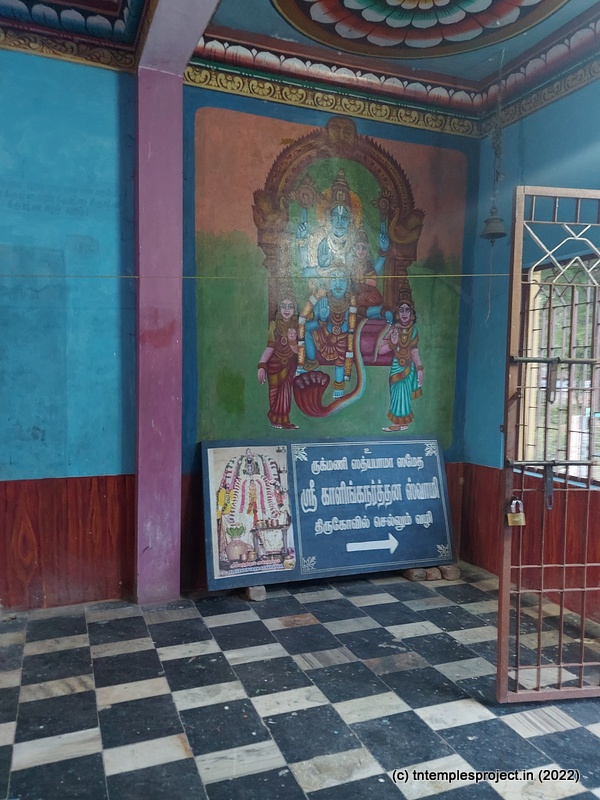
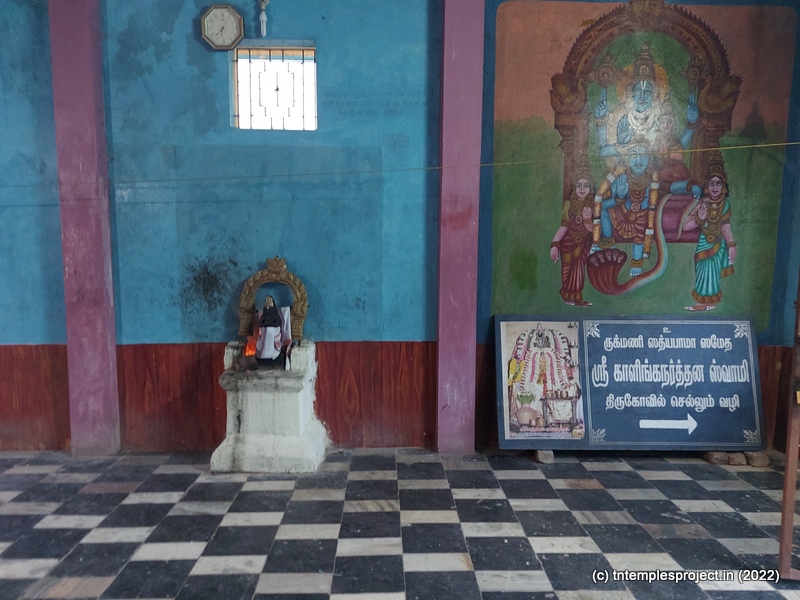
It is also said in the local sthala puranam that Alavanthipuram is where the poisons that emanated from the snake Kalinga, when Krishna (Kalinga Narthanar) danced on the snake’s hood, were doused. Although there is no direct puranam referencing that incident with this Perumal temple, it is interesting that the other name for Perumal here is Kalinga Narthana Perumal!
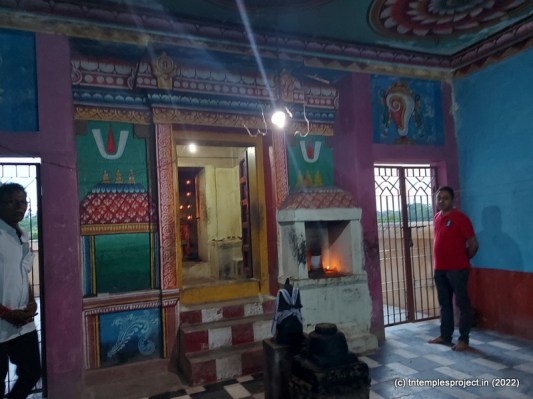
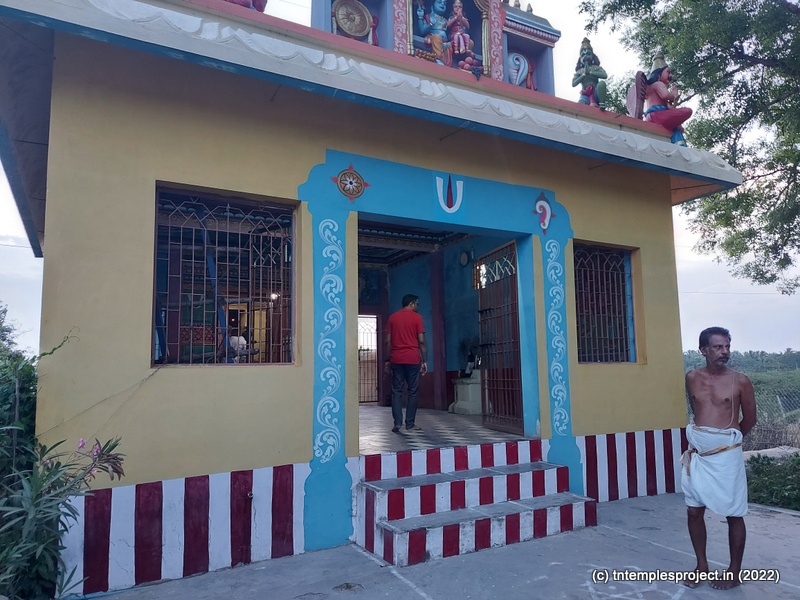
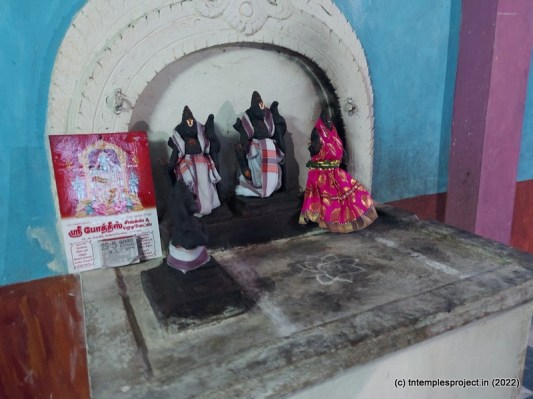
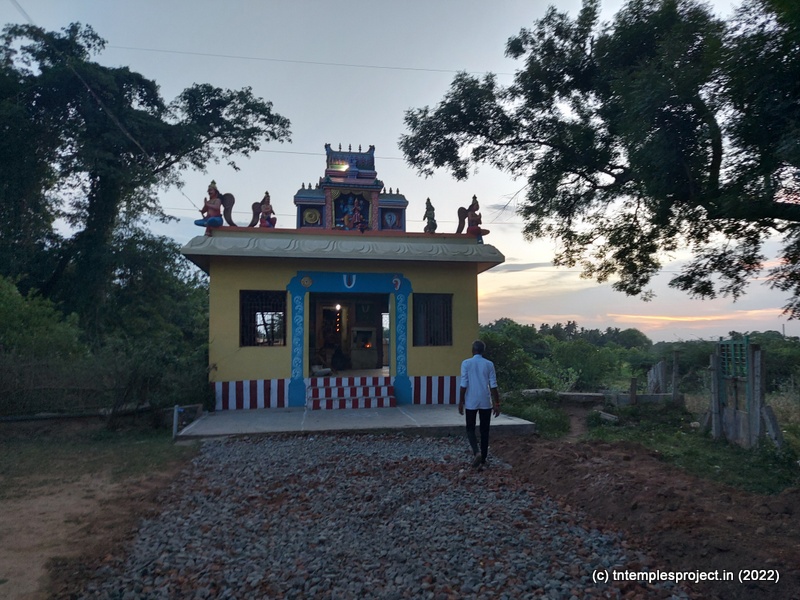
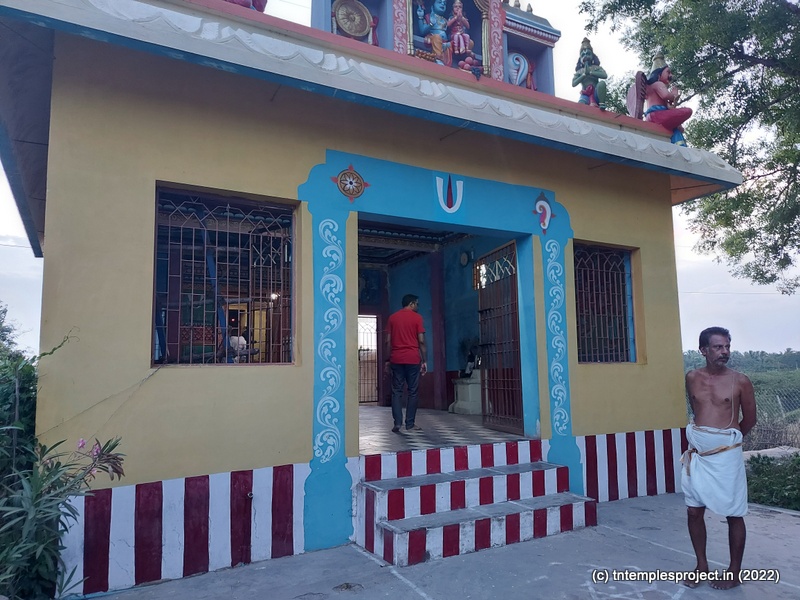
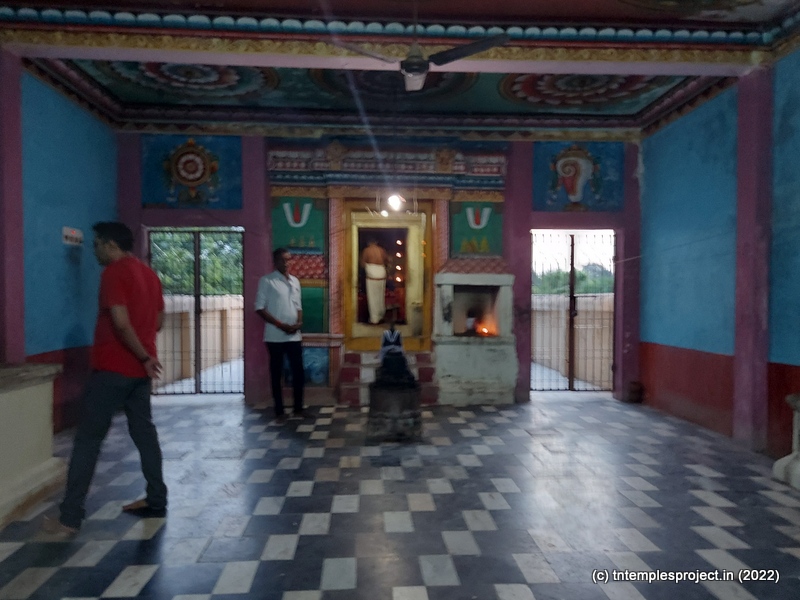
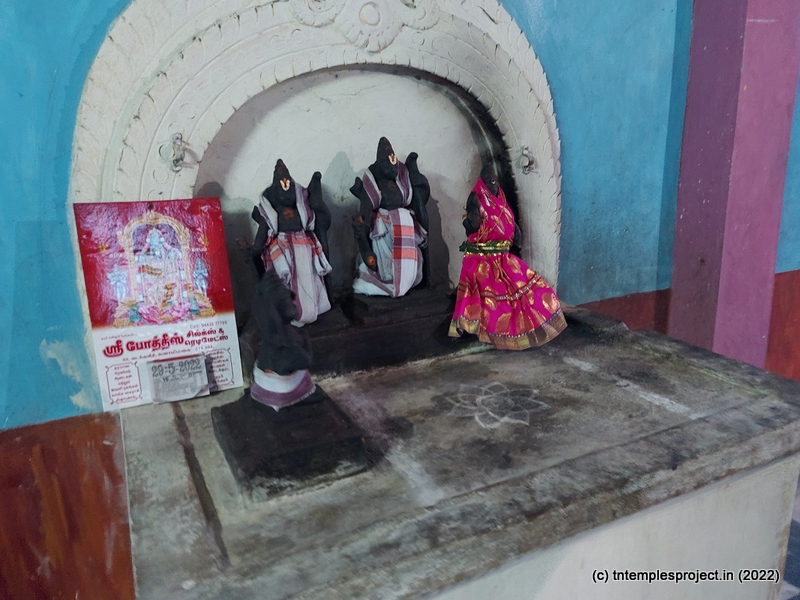
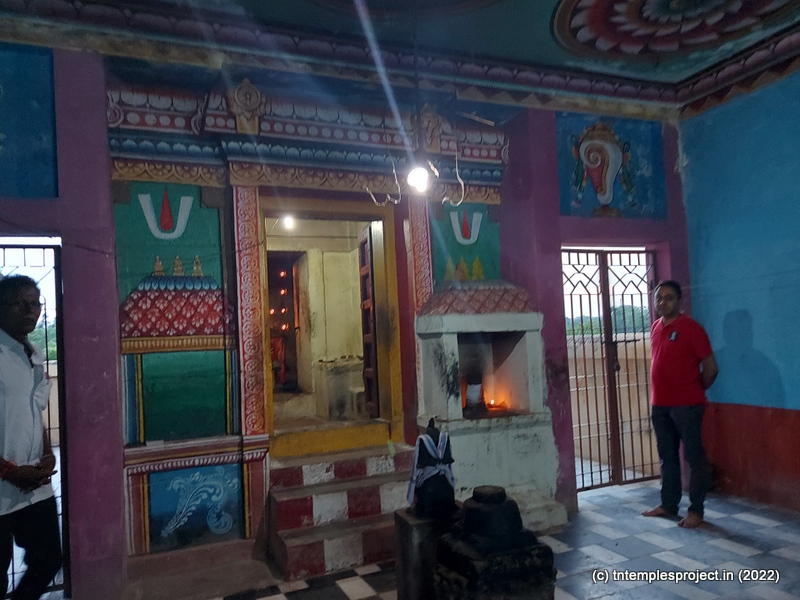
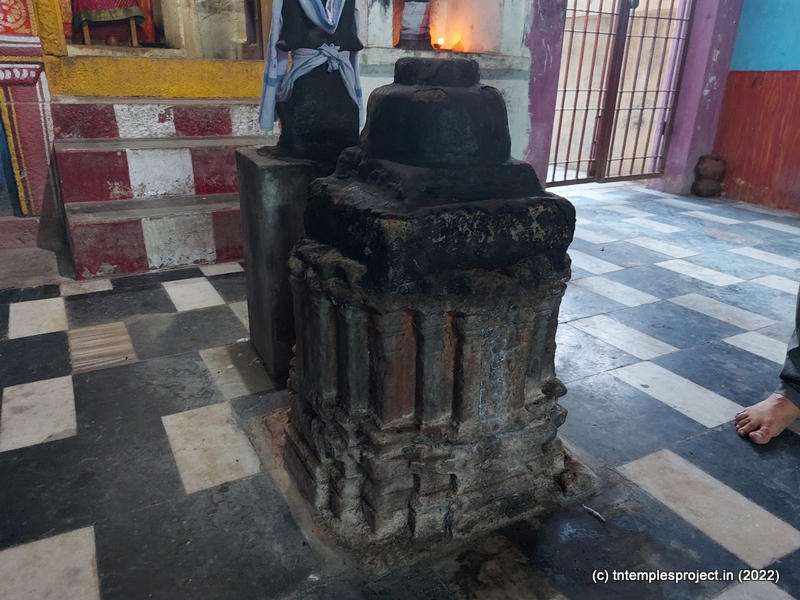
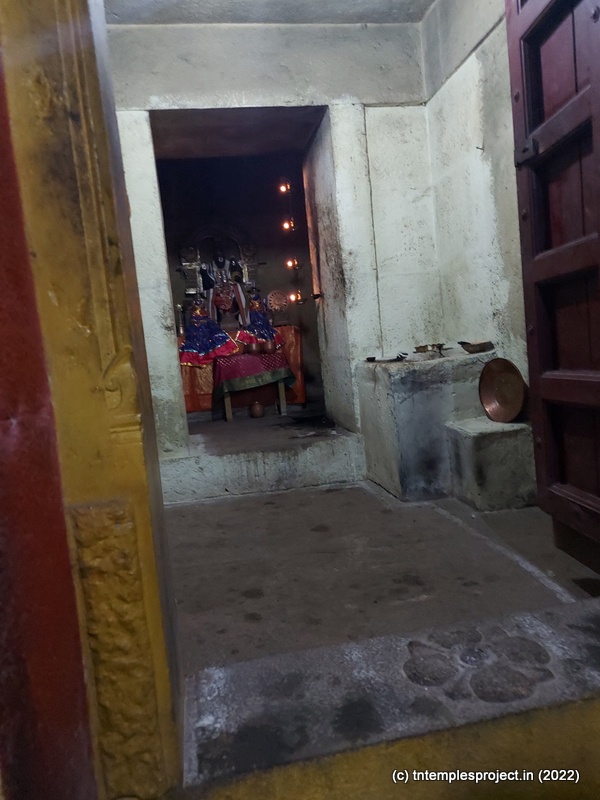
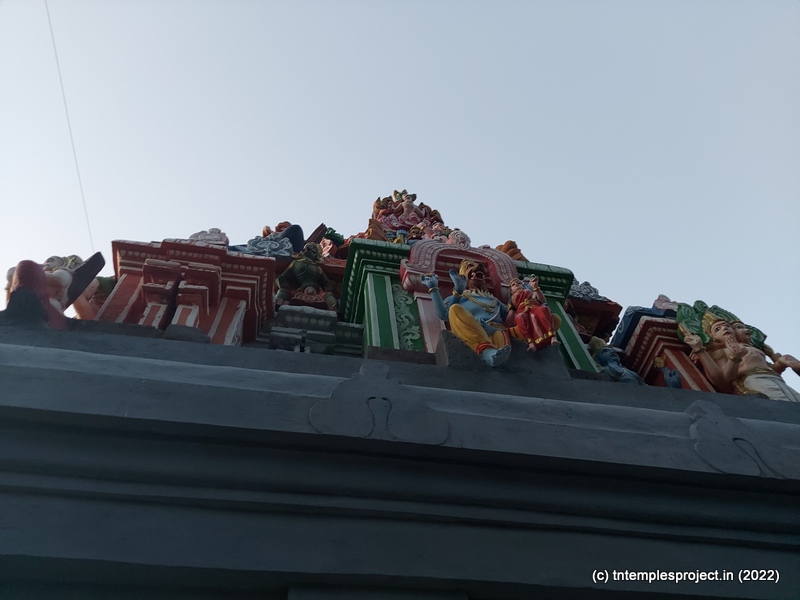
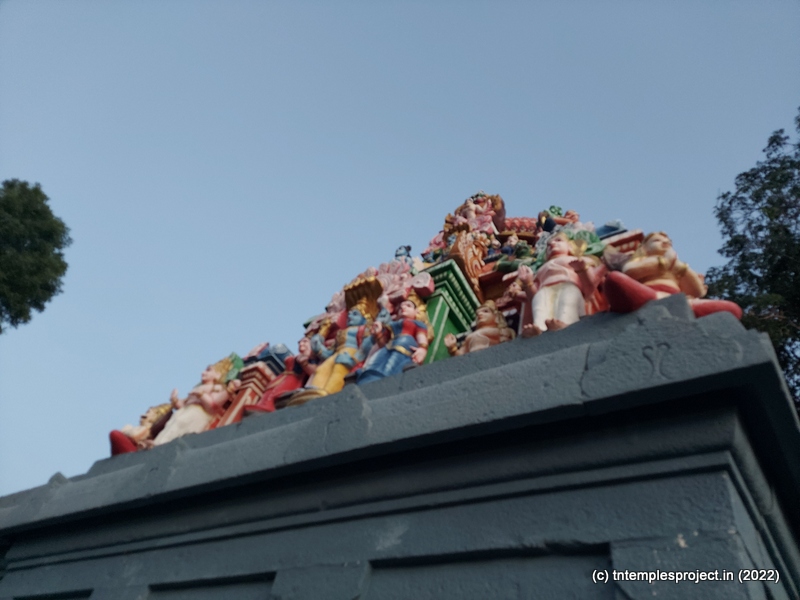
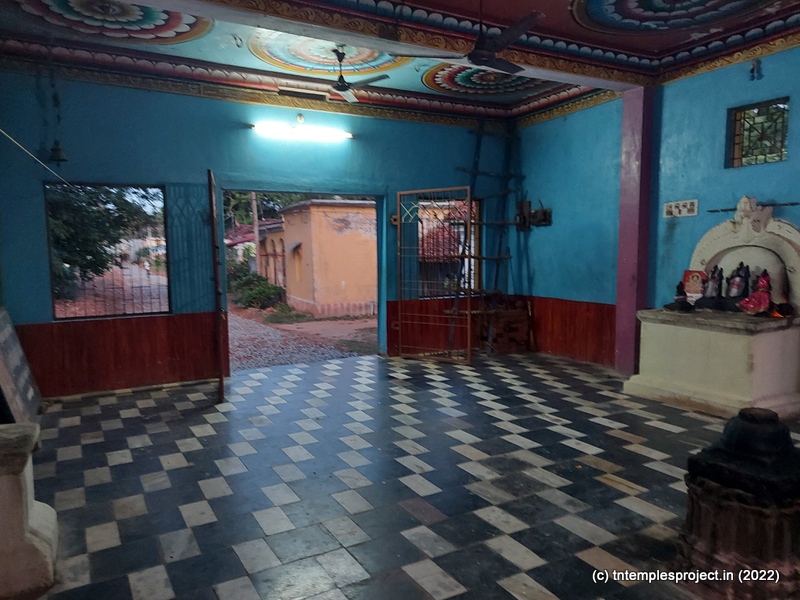
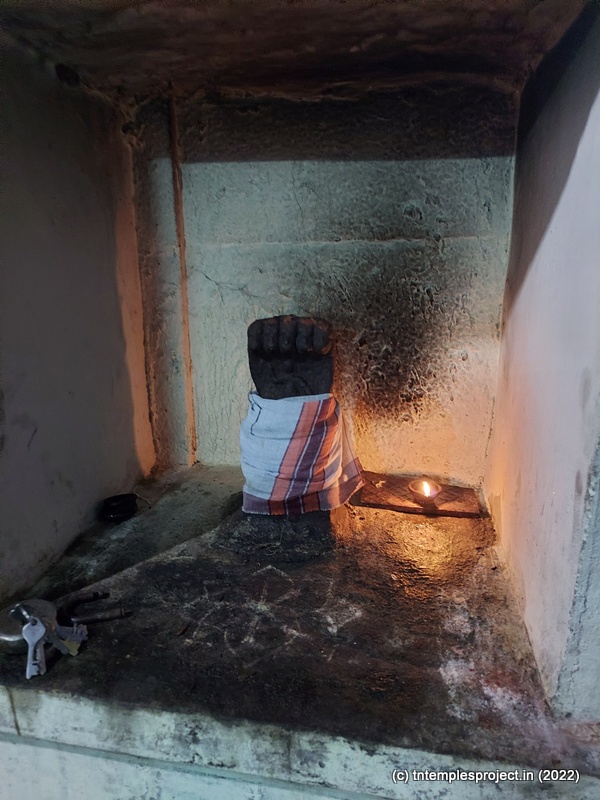
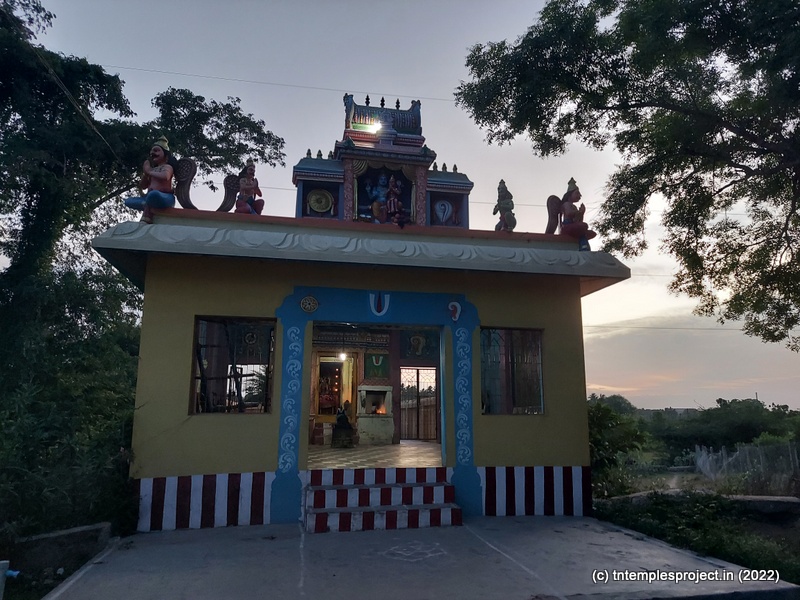
This simple but well-maintained single shrine temple has the moolavar Lakshmi Narayana Perumal facing east. In front are a bali peetham and Garuda. On the inner side of the mandapam, on the left (south) is a shrine for Rama, Lakshmana and Sita, with Hanuman. On the right, interestingly, is a Naagar – not normally seen in Perumal temples, except in Madurai where this arrangement is rather prevalent.
The other fascinating thing about this Perumal temple is that vibhooti is given to devotees as prasadam. There is a story to this – apparently, the priest at this temple comes from a long family line that has served this temple. One ancestor in that line was an intense devotee of Siva as Chandrasekharar, down the street, and he began the practice of giving vibhooti to devotees, which is practiced to this day.
Other information for your visit
Contact
Gallery
 TN Temples Project