
Basic information about the temple
| Moolavar: | Kailasanathar | Ambal / Thayar: | Kamakshi, Karpagambal |
| Deity: | Siva | Historical name: | |
| Vriksham: | Teertham: | ||
| Agamam: | Age (years): | ||
| Timing: | 10 to 11 & 6 to 7 | Parikaram: | |
| Temple group: | – | ||
| Sung by: | Temple set: | ||
| Navagraham: | Nakshatram: | ||
| City / town: | Tirumoolasthanam | District: | Cuddalore |
| Maps from (click): | Current location | Mayiladuthurai (26 km) | Kumbakonam (50 km) |
| Tiruvarur (69 km) | Ariyalur (70 km) |
Location
Discover the historic Kailasanathar Temple nestled in Tirumoolasthanam village in the Cuddalore district of Tamil Nadu. This ancient brick temple, dedicated to Lord Siva as Kailasanathar, offers travelers an authentic glimpse into 8th-century South Indian temple architecture and deep religious traditions.
Sthala puranam and temple information
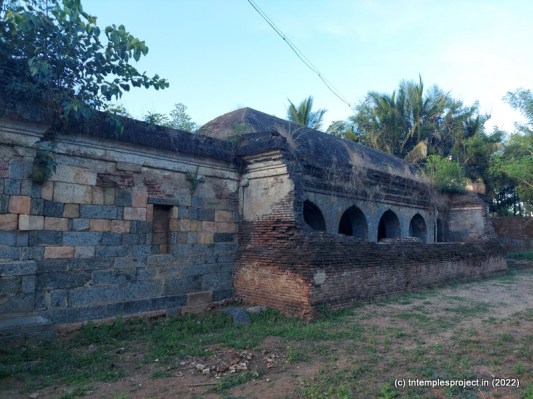
Kailasanathar Temple is linked to a cosmic event—the divine wedding of Lord Siva and Goddess Parvati. The legend tells of all gods attending this celestial wedding, causing the world to tilt towards Kailasam. To restore balance, sage Agastyar was sent southward, consecrating several Siva Lingams, including the one here at Tirumoolasthanam. It is believed he was blessed with the vision of the celestial wedding at this location. The temple also has associations with goddesses Durga, Lakshmi, and Saraswati, who worshipped here praying for peace and the removal of worldly troubles.
Tirumoolasthanam takes its name from the Saiva saint Tirumoolar, composer of Tirumandiram, who worshipped nearby at the much older Tirumoolanathar temple.
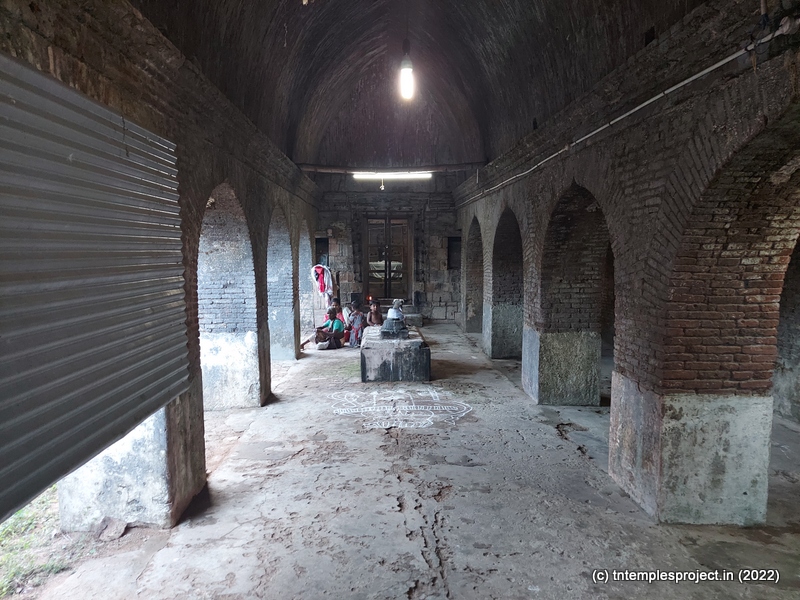
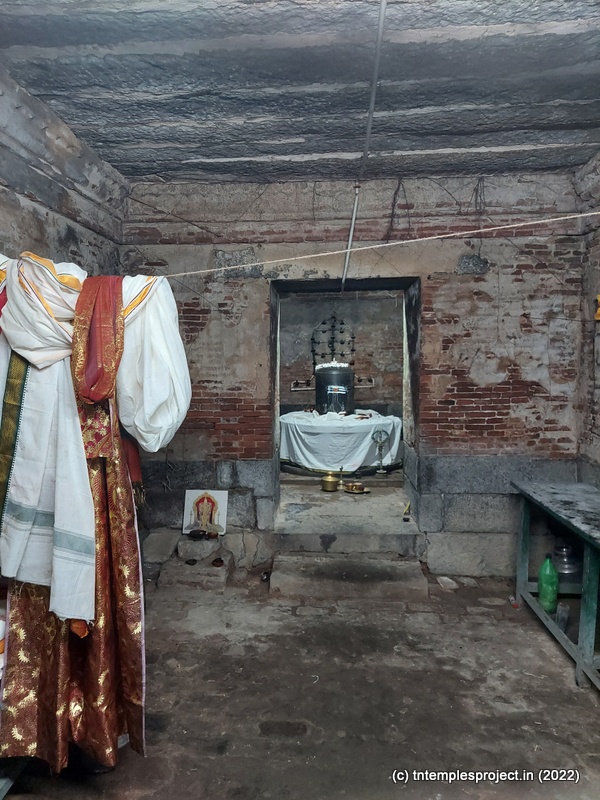
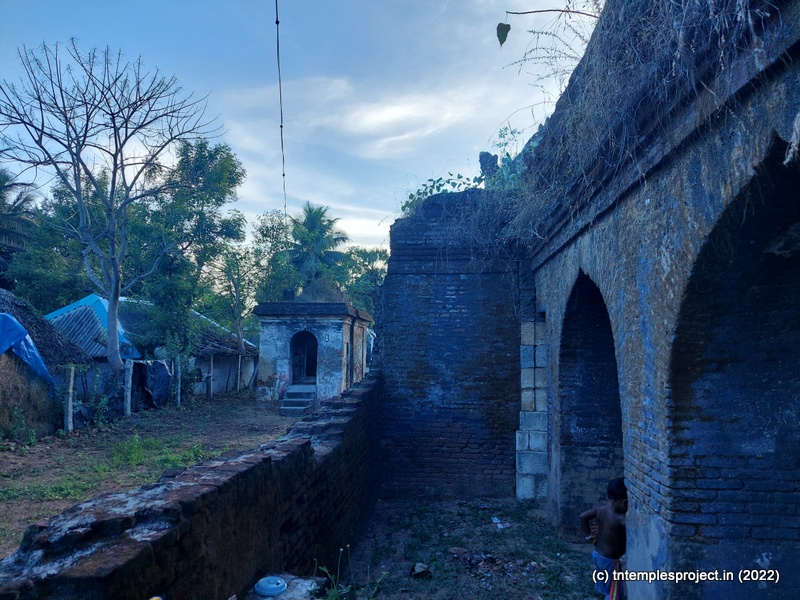
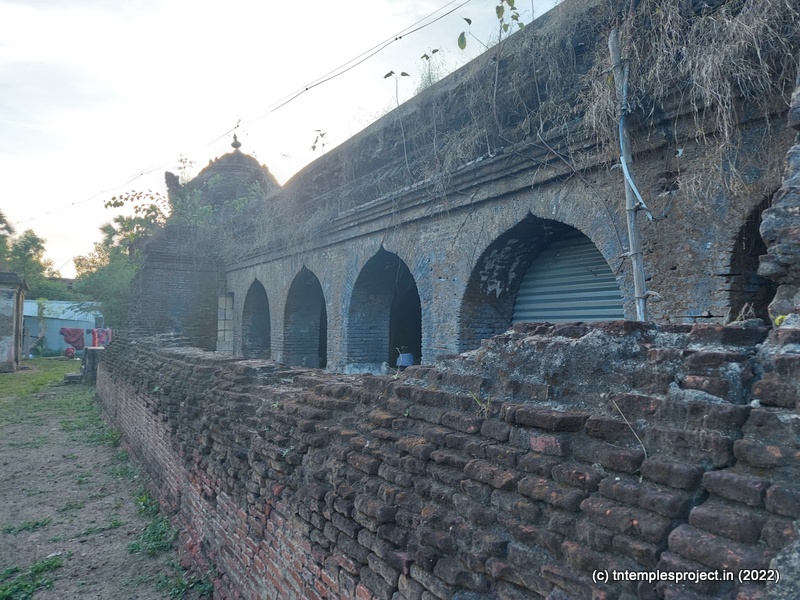
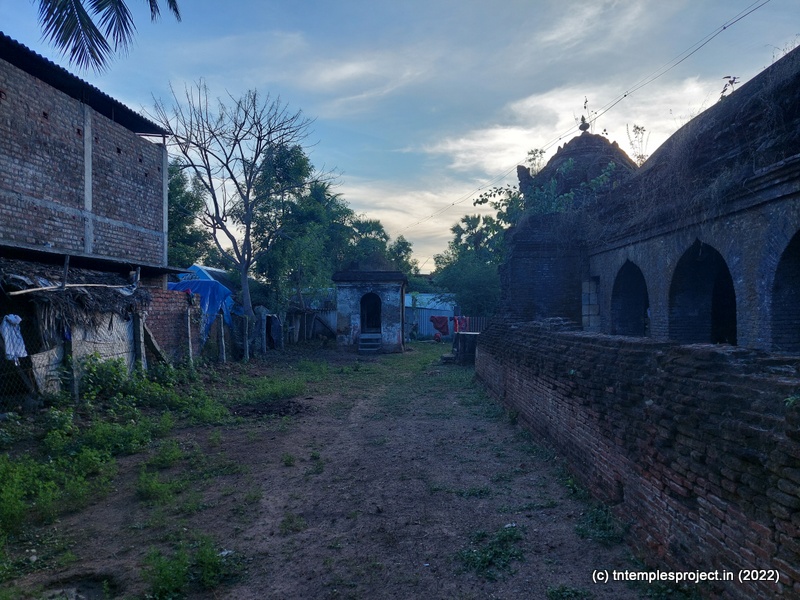
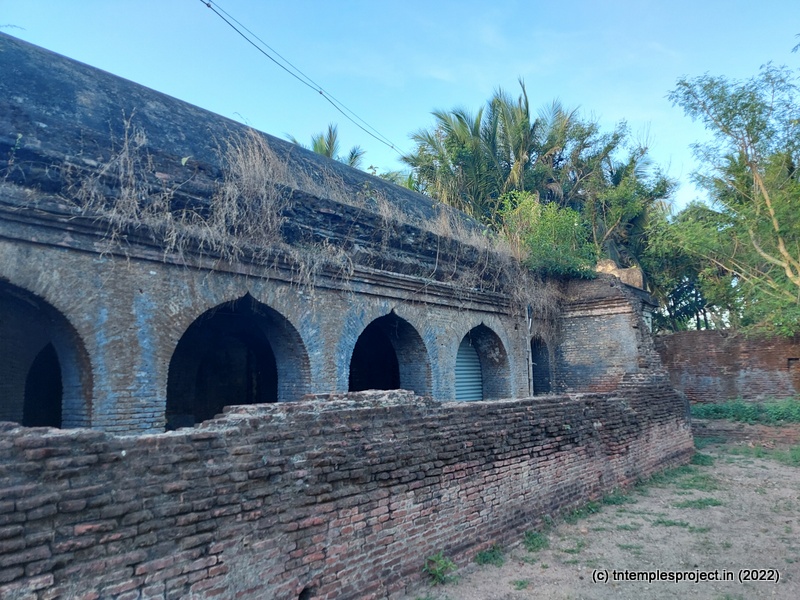
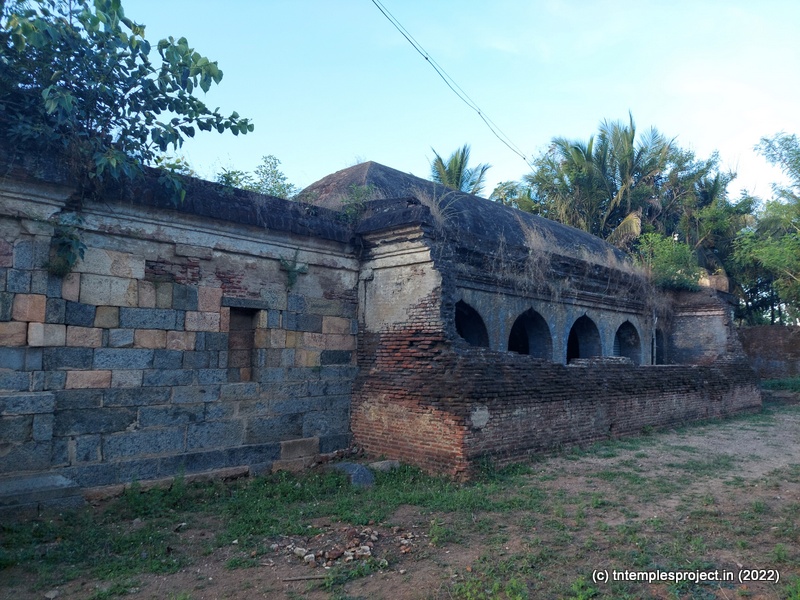
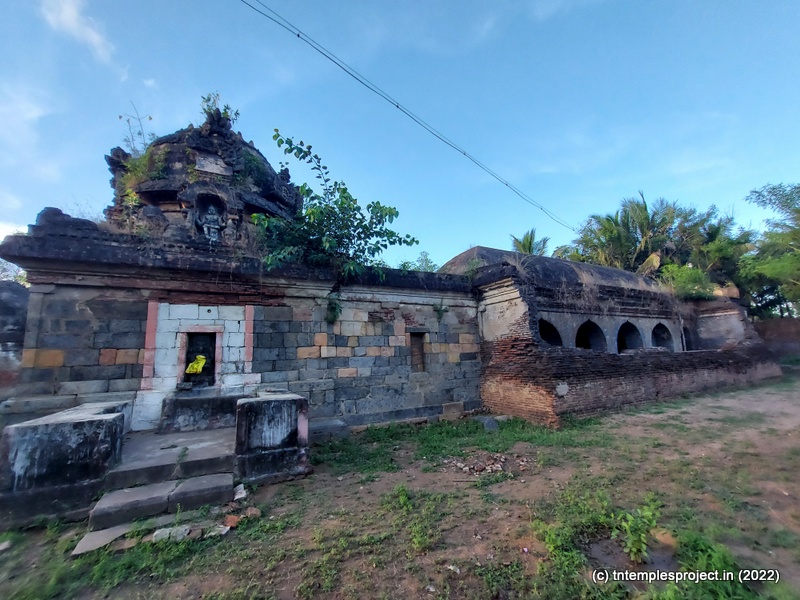
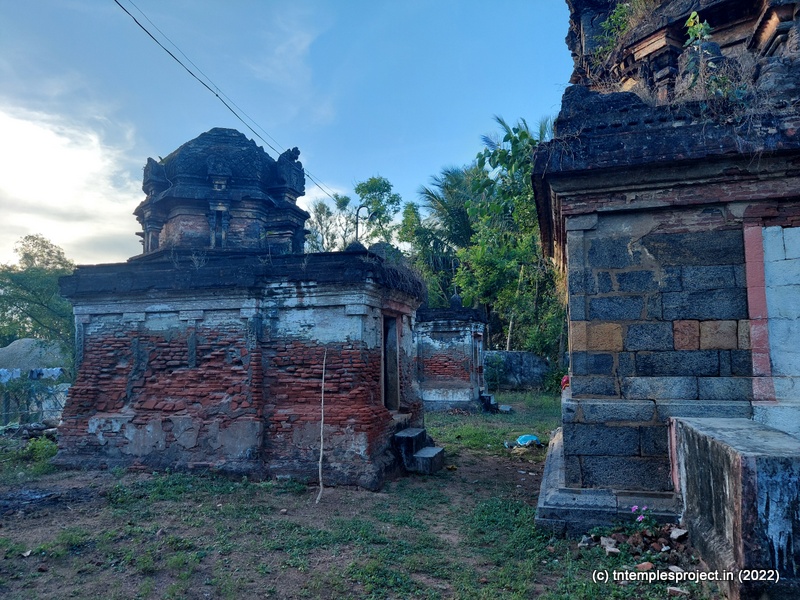
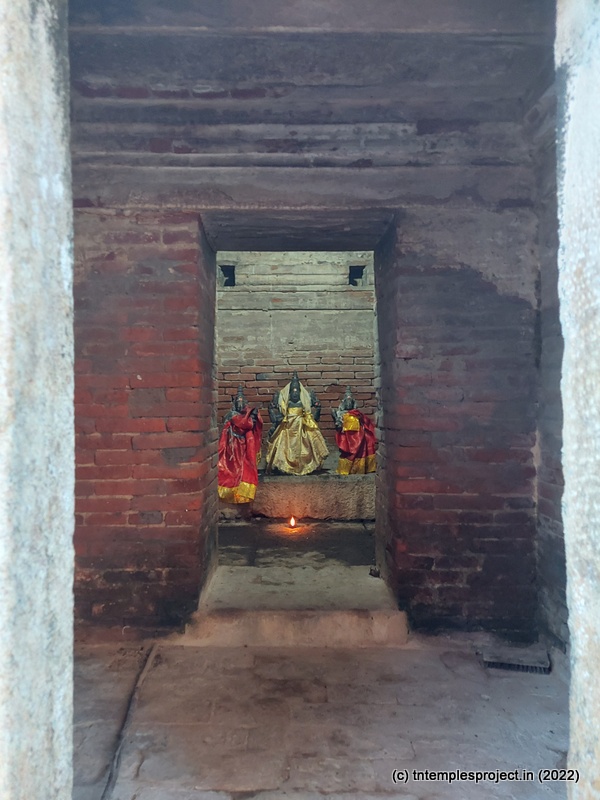
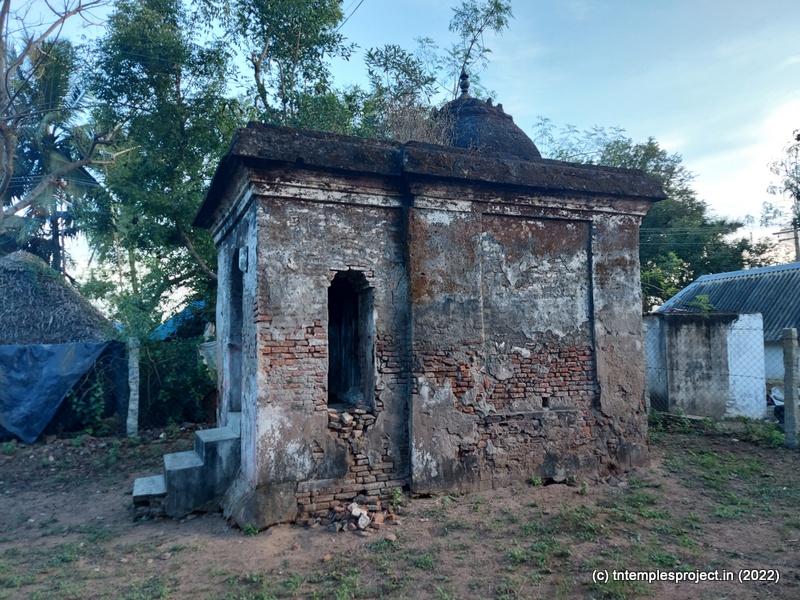
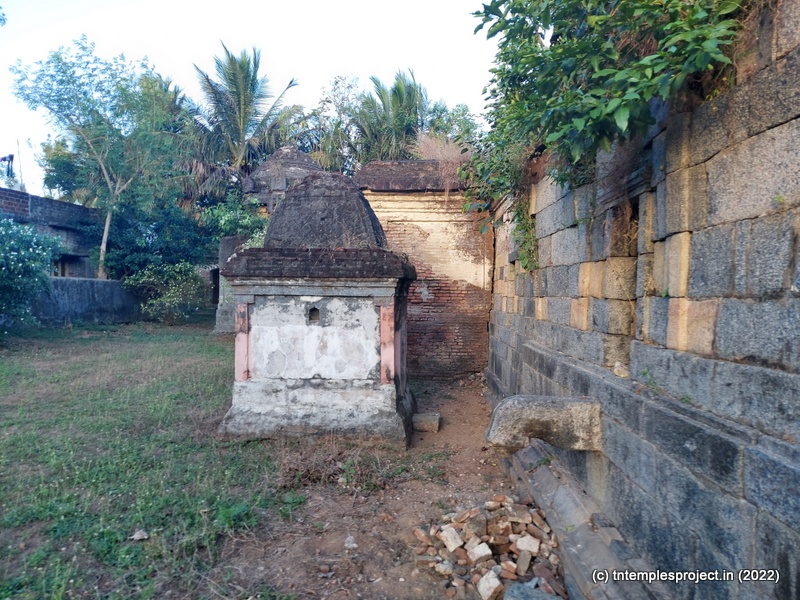
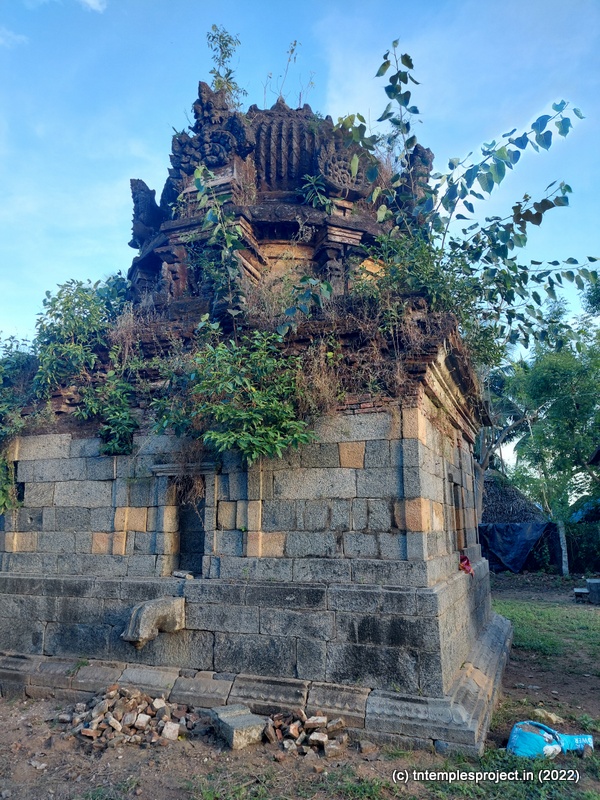
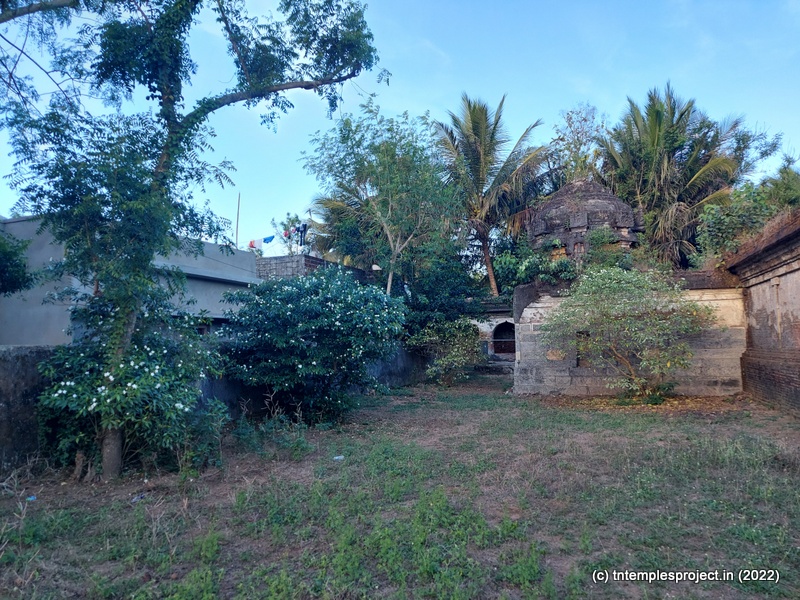
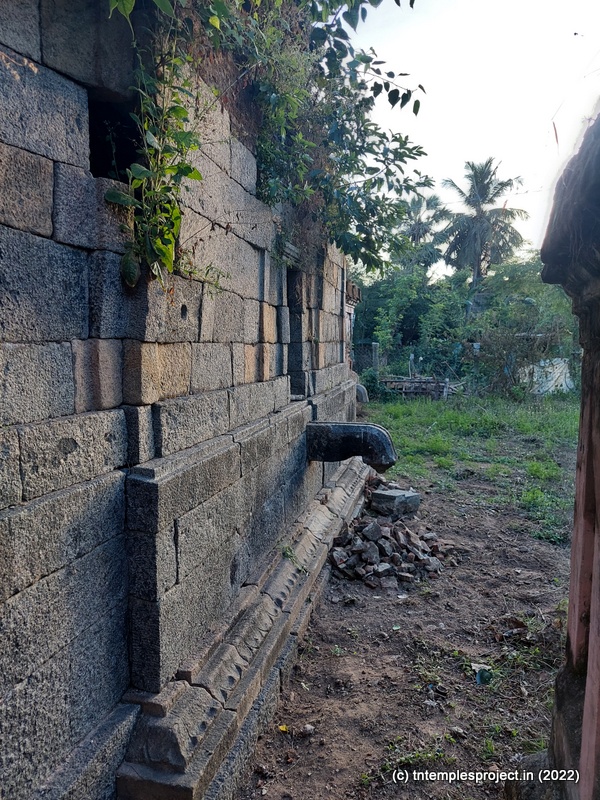
Dating back to the 8th century, during the reign of Nusa Chola, an early Chola feudatory under the Pallavas, Kailasanathar Temple was built around 710 CE, as confirmed by Grantha script inscriptions found on-site. These inscriptions record royal donations that supported the temple’s maintenance. Unlike the typical granite temples of the era, this temple is uniquely constructed entirely from bricks, including the vavval-nethi mandapam, Amman shrine, and garbhagriham. Though the temple stands in ruins, its historical soul endures.
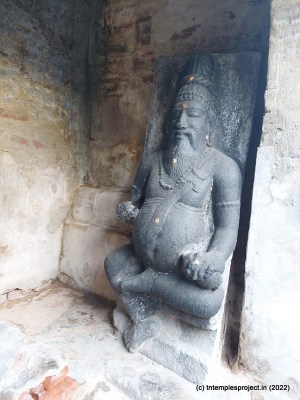
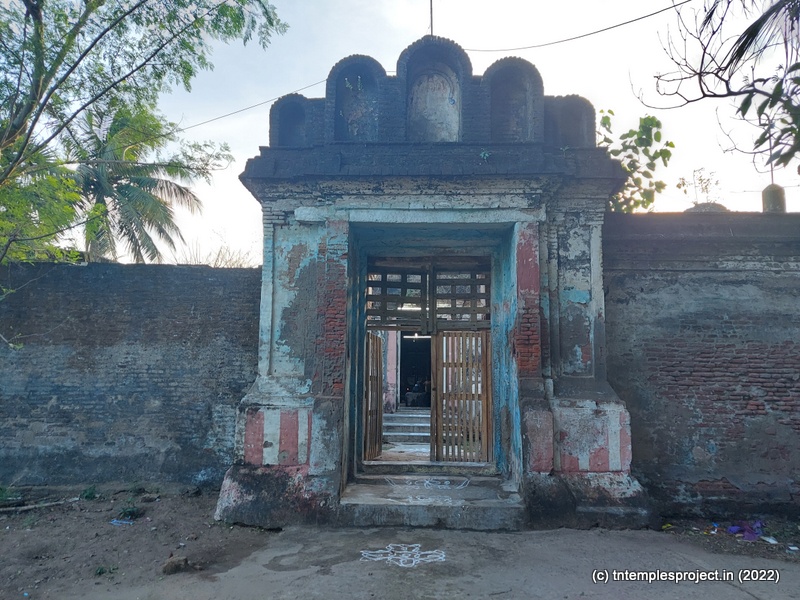
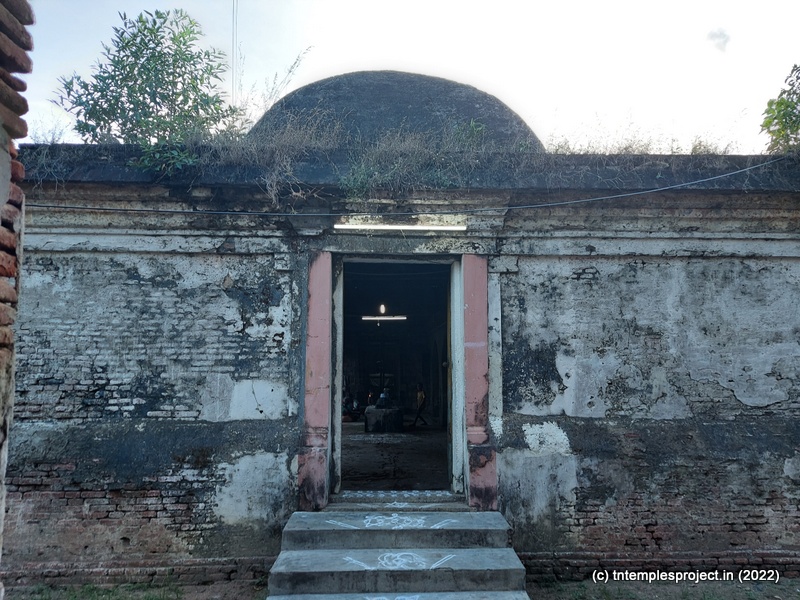
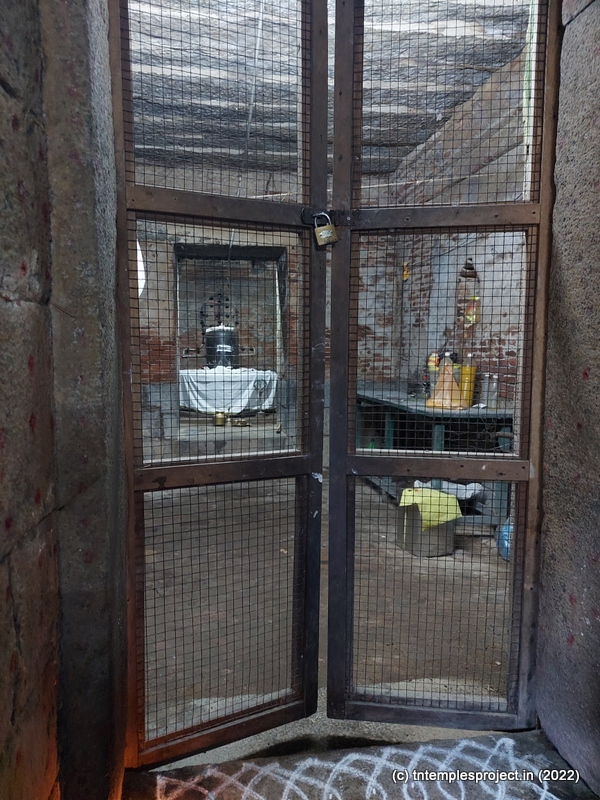
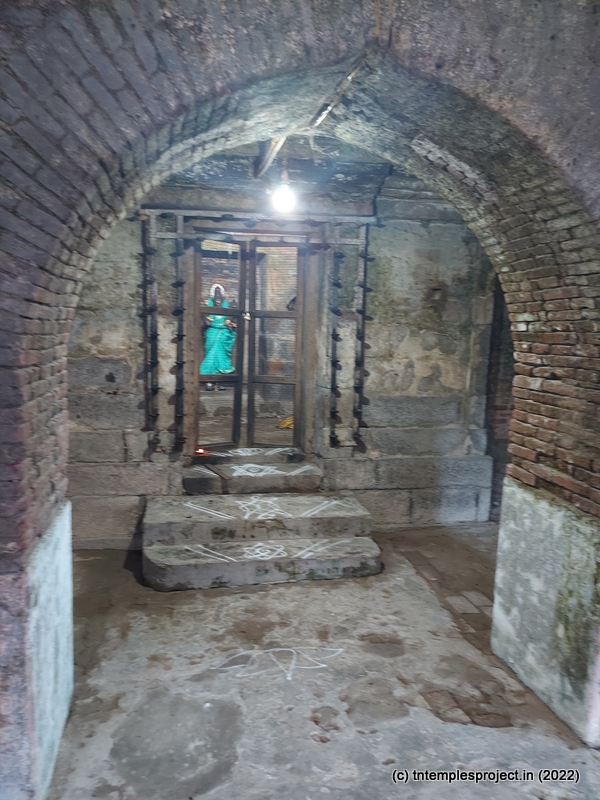
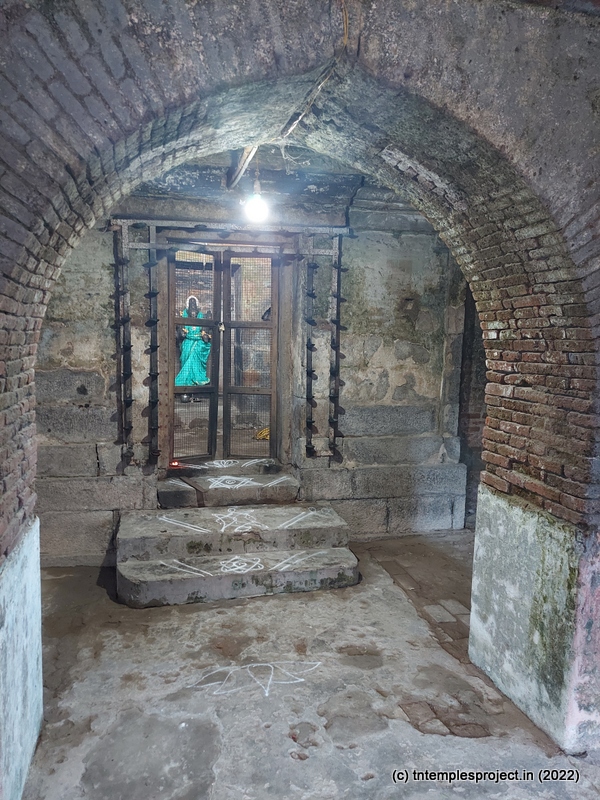
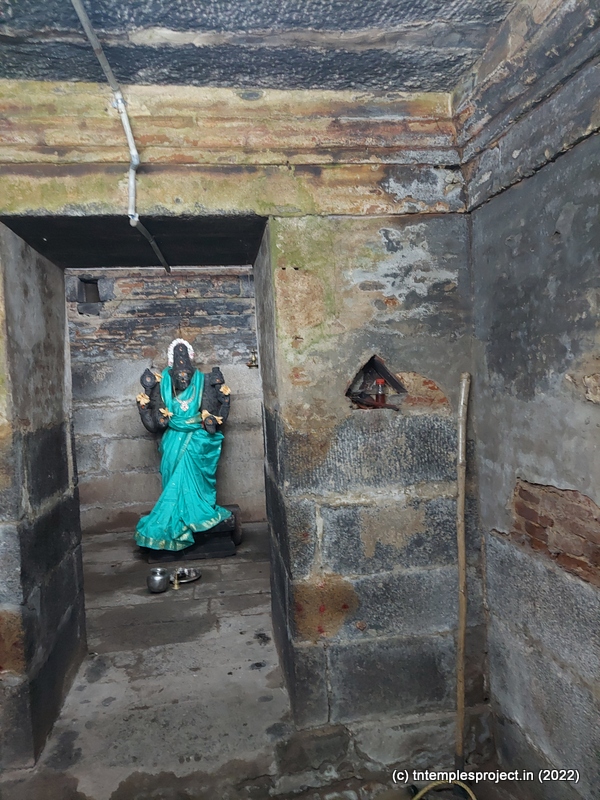
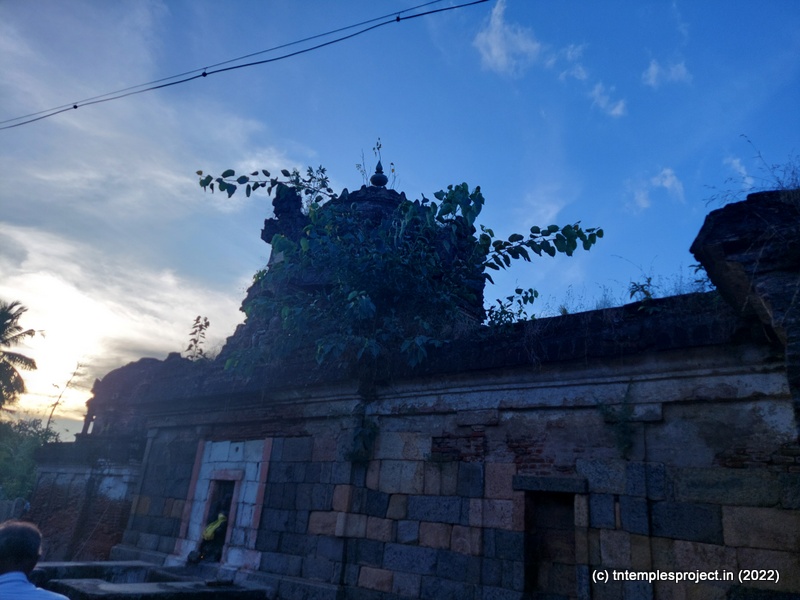
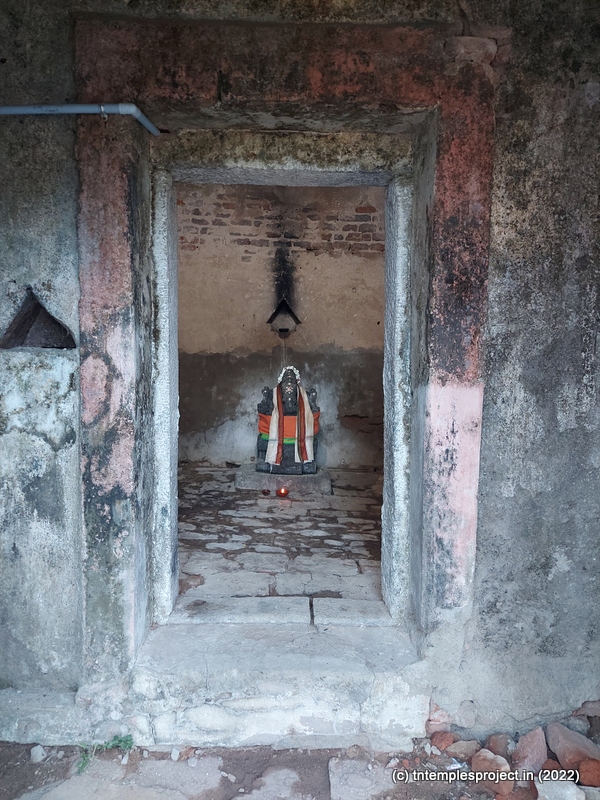
Visitors will find no raja gopuram here but will enter through a wearied welcome arch. The corridor, lacking a dhwajasthambam, features vaulted arches leading to the bali peetham and Nandi, proceeding to the antarala and garbhagriham where the large main Siva Lingam is enshrined. On the side is the Kamakshi Amman shrine, while the koshta houses a beautiful later-period Dakshinamurti sculpture, likely added after the original construction.
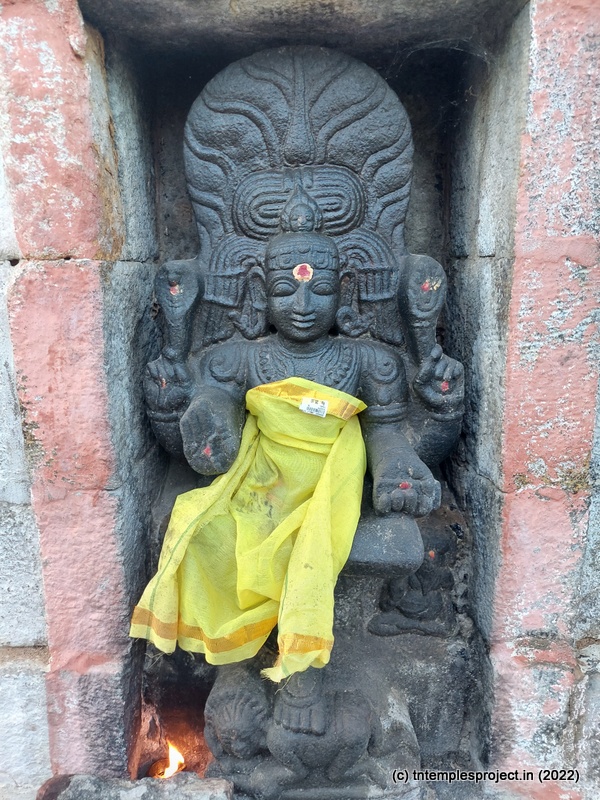
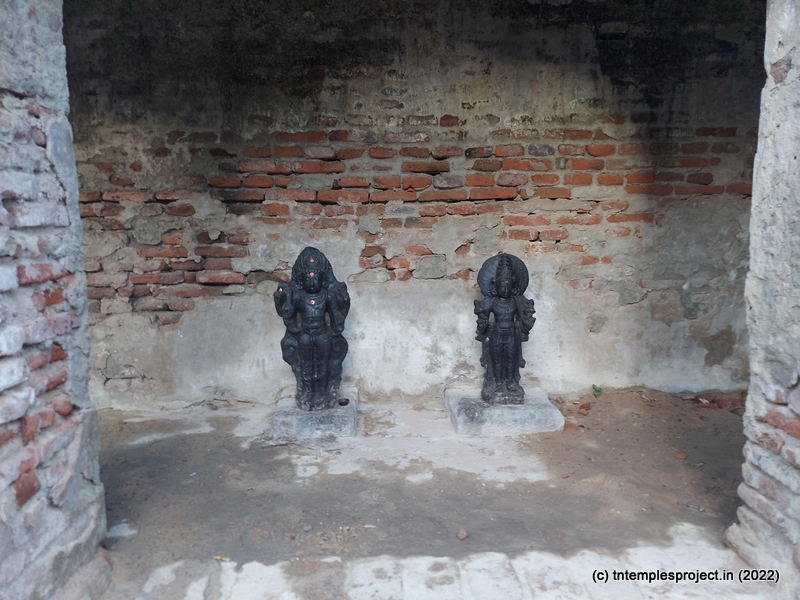
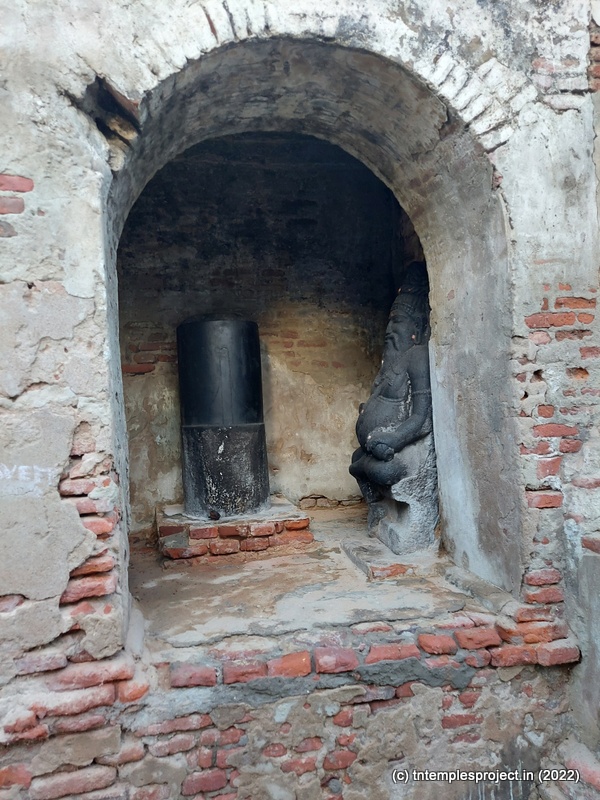
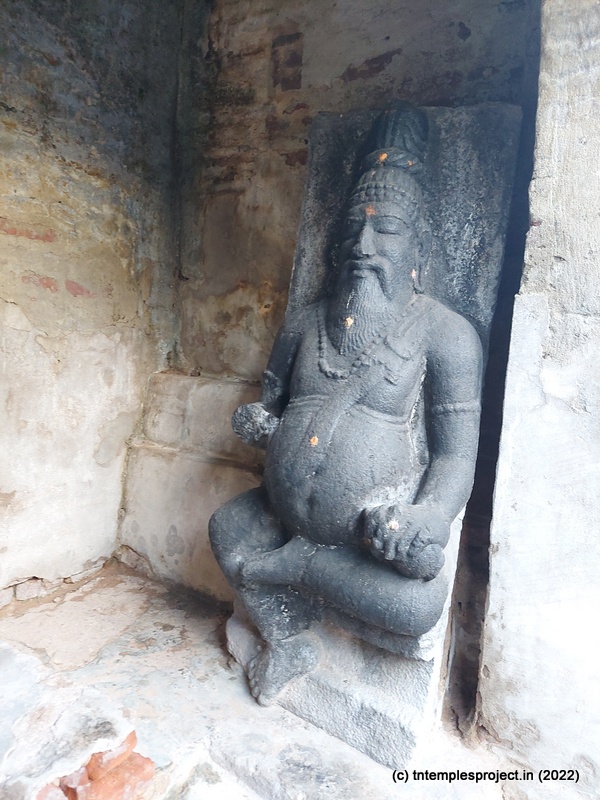
The unkempt prakaram contains shrines for popular deities including Vinayakar, Murugan with Valli and Deivanai, Gajalakshmi, Chandikeswarar, Sani, Suryan, and Chandran. A large niche in the northeast houses a statue of sage Agastyar, commemorating his worship here. Notably, there is no Navagraham shrine.
Official puja times are observed twice daily from 10 to 11 am and 6 to 7 pm, though visitor numbers remain low. The temple remains open throughout the day, and nearby residents or the temple priest (who also manages Tirumoolasthanam’s Tirumoolanathar temple) can assist visitors.
Nearby Kuppankuzhi, historically called Chaturveda Mangalam, is a brahmadeyam gifted exclusively to Brahmins skilled in all four Vedas. It is celebrated as the avatara sthalam of Vaishnavite Acharya Nathamuni, the Divya Prabandham compiler, and his grandson Yamunacharyar (Alavandar).
Contact
Vighnaraja Sarma Gurukkal: 95975 90324
Gallery
 TN Temples Project