Basic information about the temple
| Moolavar: | Nandinatha Perumal | Ambal / Thayar: | – |
| Deity: | Perumal | Historical name: | |
| Vriksham: | Teertham: | ||
| Agamam: | Age (years): | Timing: | – to – & – to – | Parikaram: |
| Temple group: | – | ||
| Sung by: | Temple set: | ||
| Navagraham: | Nakshatram: | ||
| City / town: | Maruthanallur | District: | Thanjavur |
| Maps from (click): | Current location | Kumbakonam (4 km) | Tiruvarur (37 km) |
| Mayiladuthurai (39 km) | Thanjavur (41 km) |
Location
Sthala puranam and temple information
According to puranas, there are said to be four types of Nandi – Brahma Nandi, Siva Nandi, Vishnu Nandi and Dharma Nandi. Of these, Brahma Nandi, who represents jnana or knowledge, is said to have worshipped Lord Vishnu here.
The accepted principle in Hindu divinity is that for any offence caused Lord Siva, only Lord Vishnu can provide a solution, and vice versa. Once, Brahma Nandi did something to offend Lord Siva. So, he came here to worship Lord Vishnu in order to find the solution to appeasing Siva. Since this worked in Nandi’s favour, he requested Vishnu to stay here and take his (Nandi’s) name as part of Vishnu’s own name – hence Nandinatha Perumal. The place also has the historical name of Nandivanam.
When Nandi arrived here, Bhudevi took it on Herself to guide Nandi on the right way to worship Perumal here, resulting in Nandi’s successful penance. Similarly, Sridevi is the one who guided Nandi to ask Vishnu to stay here and take his (Nandi’s) name. It is believed that Sridevi and Bhudevi here are so benevolent, that they bless devotees with whatever they want, even without having to pray for it!
Interestingly, the Nandhimani flower of the celestial worlds is said to have been used by Nandi when propitiating Nandinatha Perumal here. The flower came to remain on earth, and is today called the “Nandiyavattai” (pinwheel flower) in Tamil (நந்தியாவட்டை).
Sage Mrikandu is said to have performed Pancha Mrittika puja here, for the welfare of the world. The Panch Mrittika puja involves worshipping the dust from the hooves of the cow, bull, elephant, goat and horse. Sage Agastyar and his wife Lopamudra also worshipped Nandinatha Perumal here.
In another yugam, this temple is said to have a Ramayanam connection, where Bharata and Hanuman worshipped at this place.
This is also regarded as one of the places where Lakshmi performed penance, seeking to marry Vishnu.
Kalamegha Pulavar, the Vaishnavite poet and sage from the 15th century, worshipped at this temple.
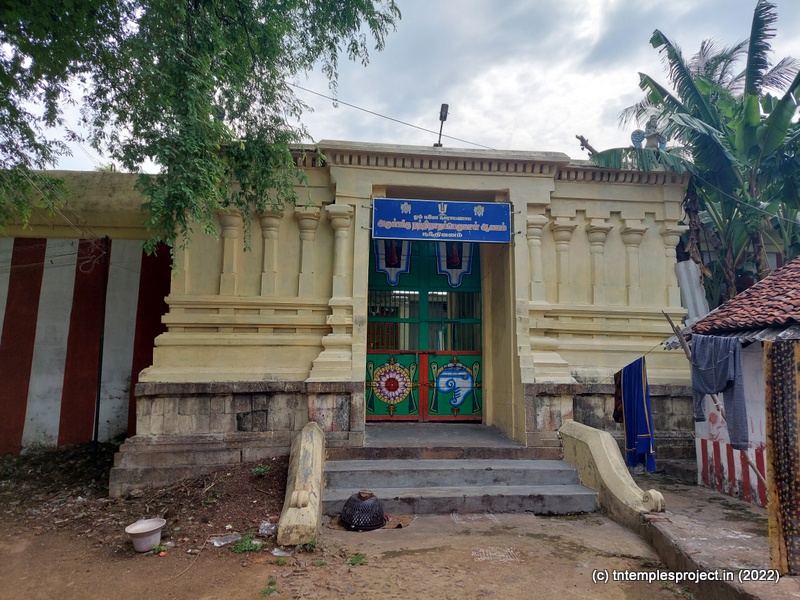
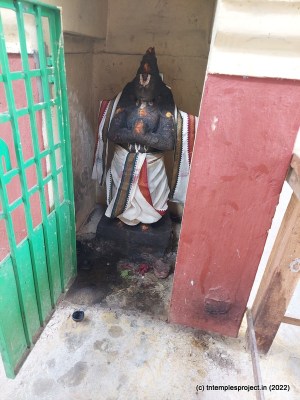
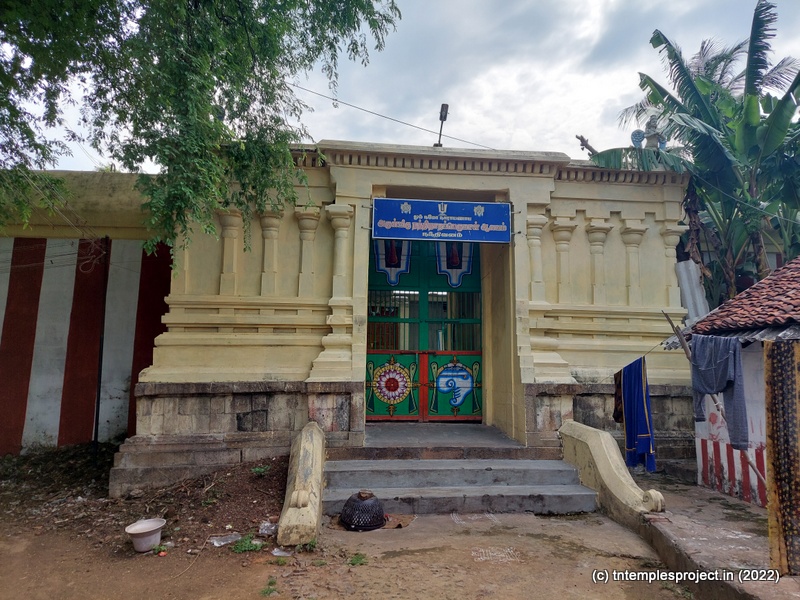
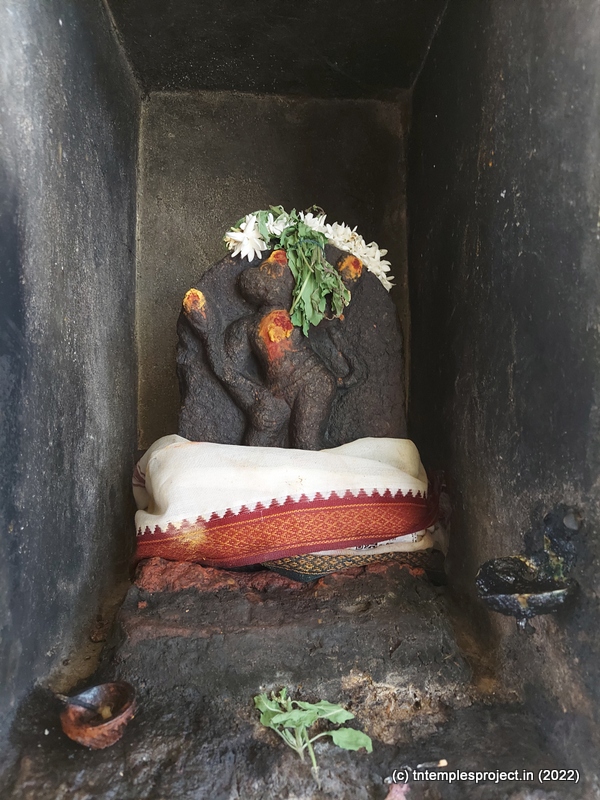
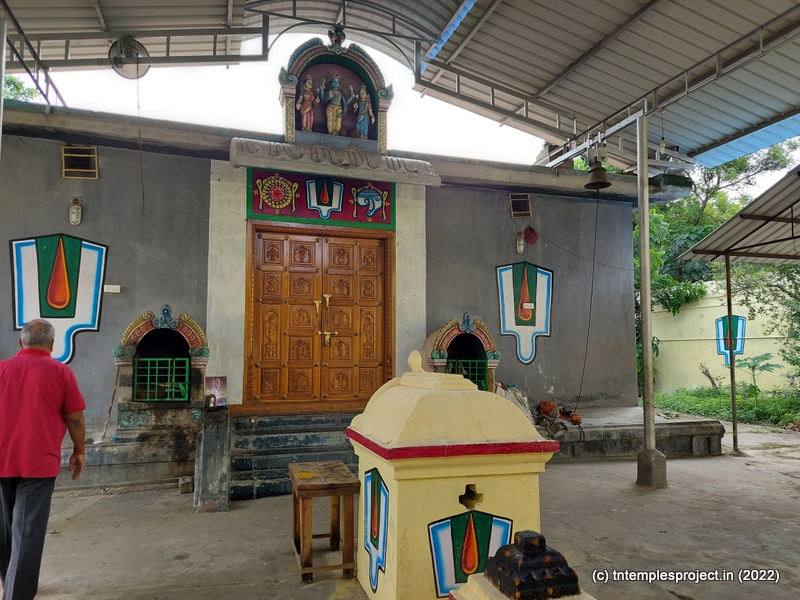
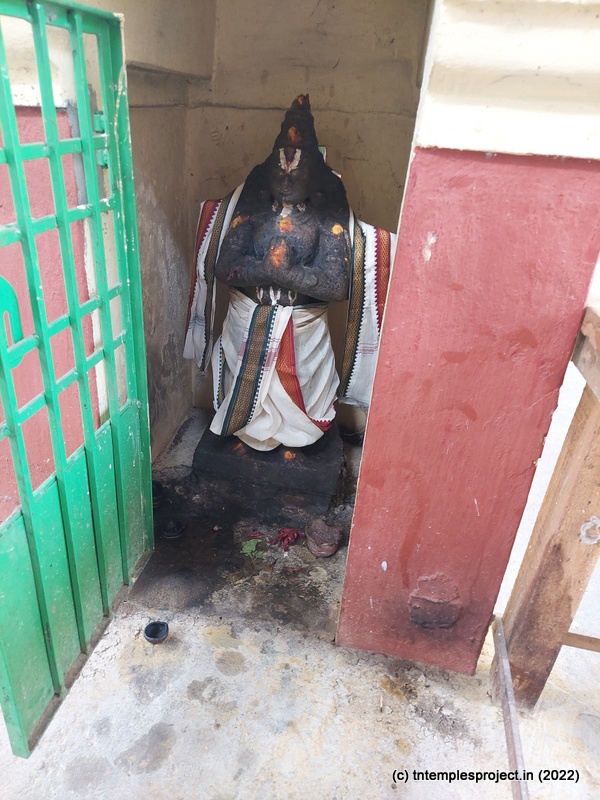
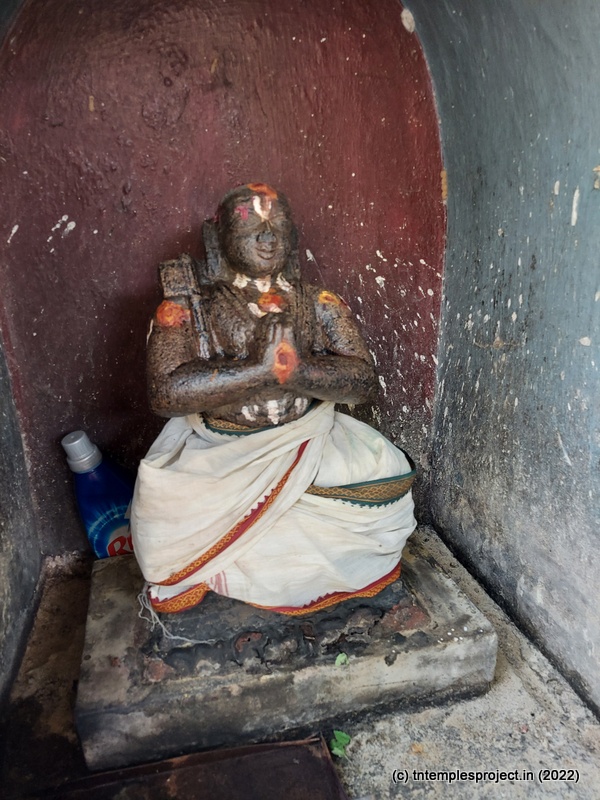
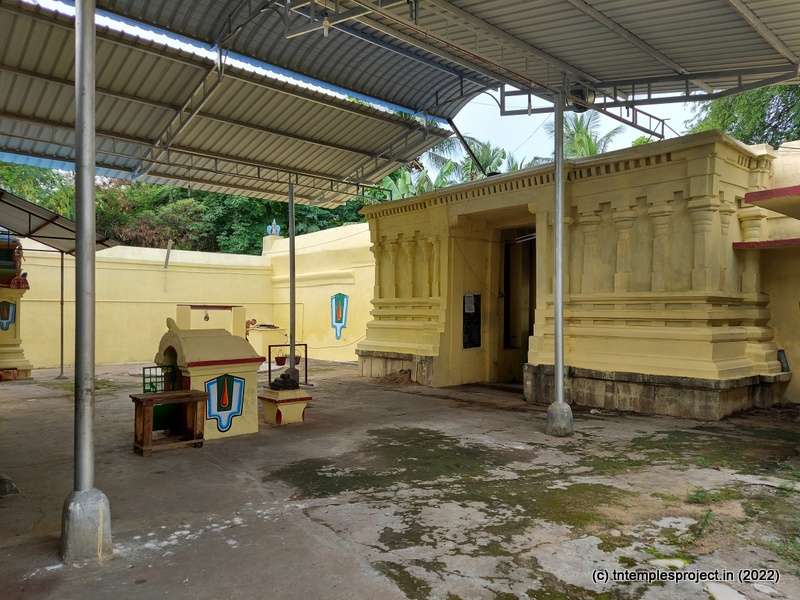
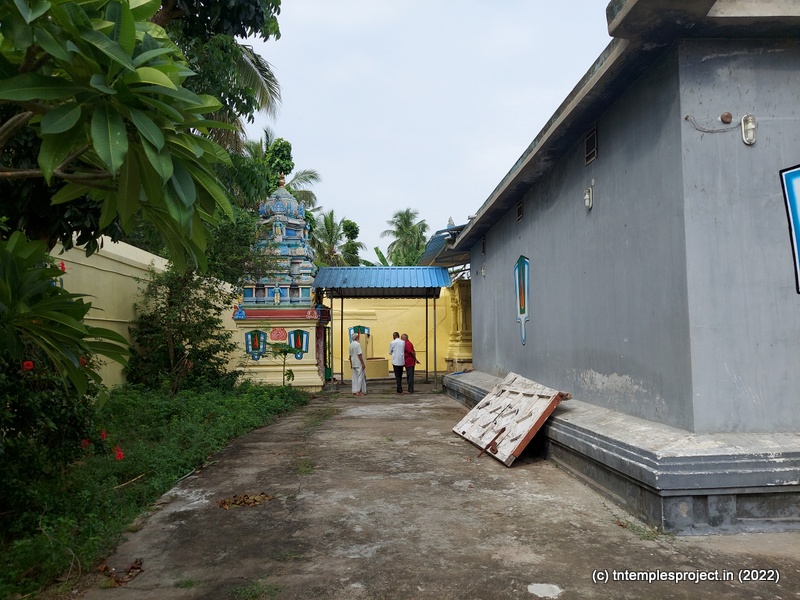
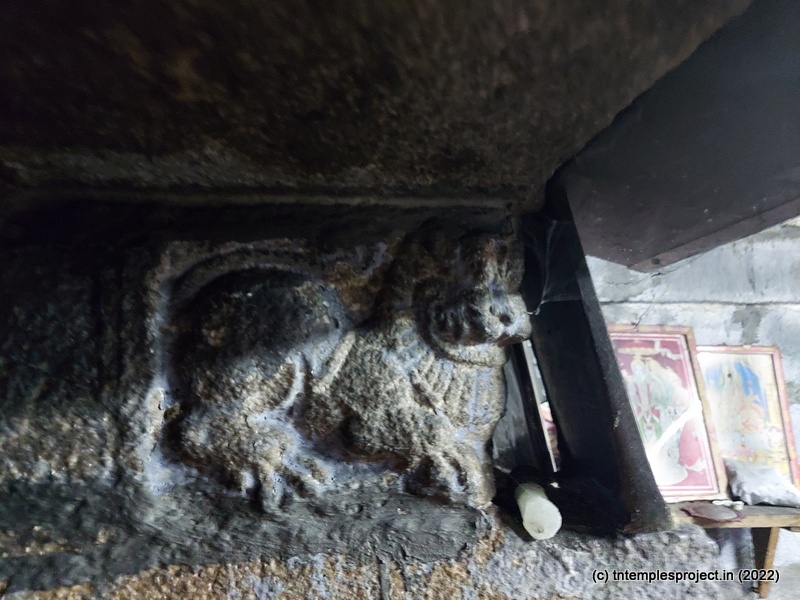
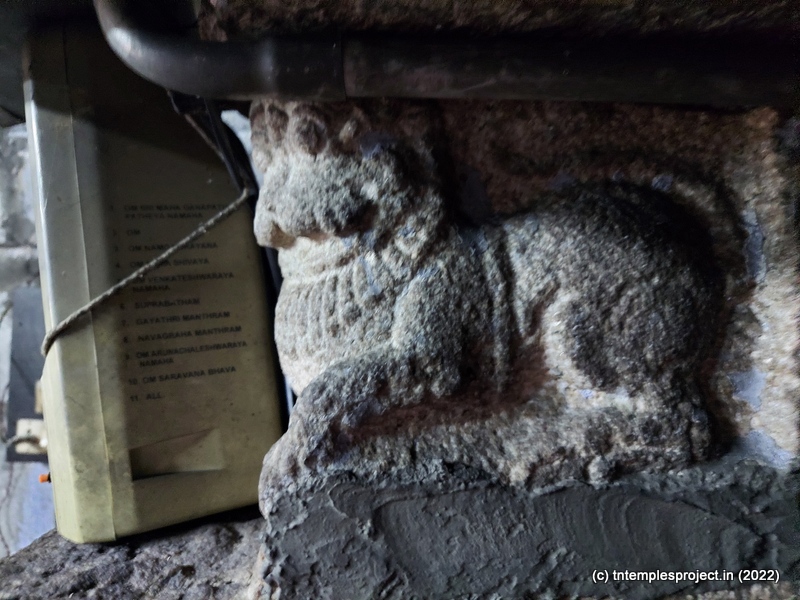
A flat mottai gopuram serves as the entry to the temple. There are several vigrahams in separate shrines, including Anjaneyar, Garuda, Vinayakar (Thumbikkai azhvar), Nandi, and Ramanujar, before we reach the main mandapam.
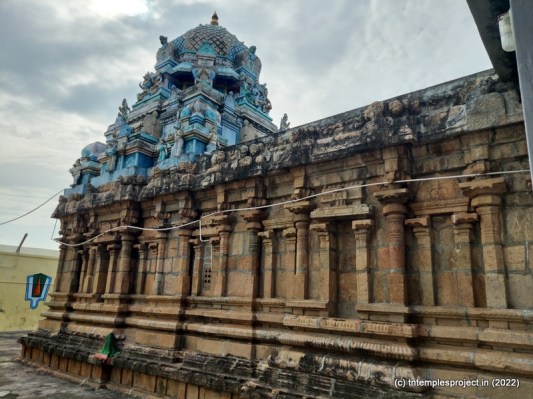
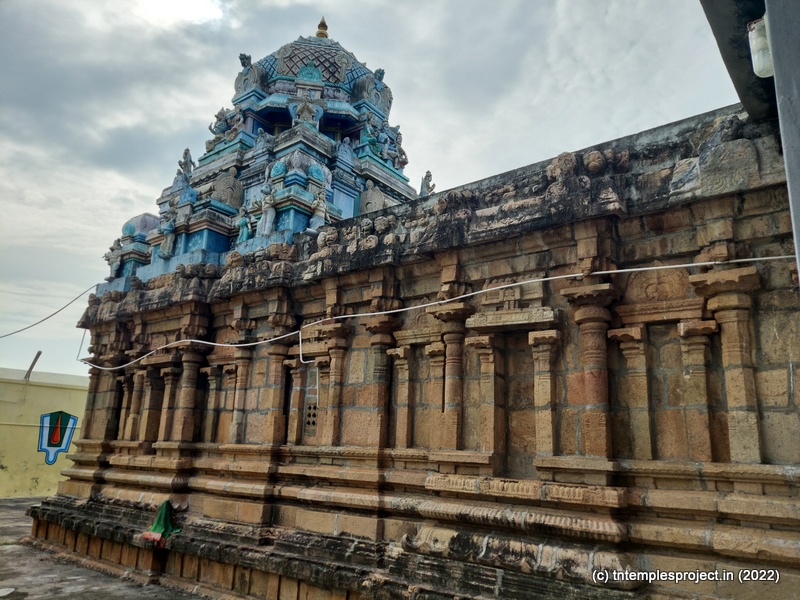
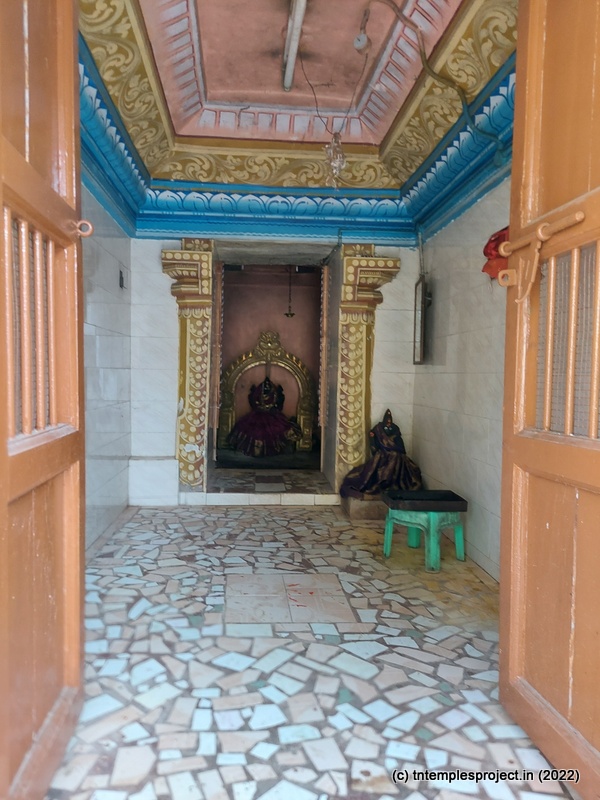
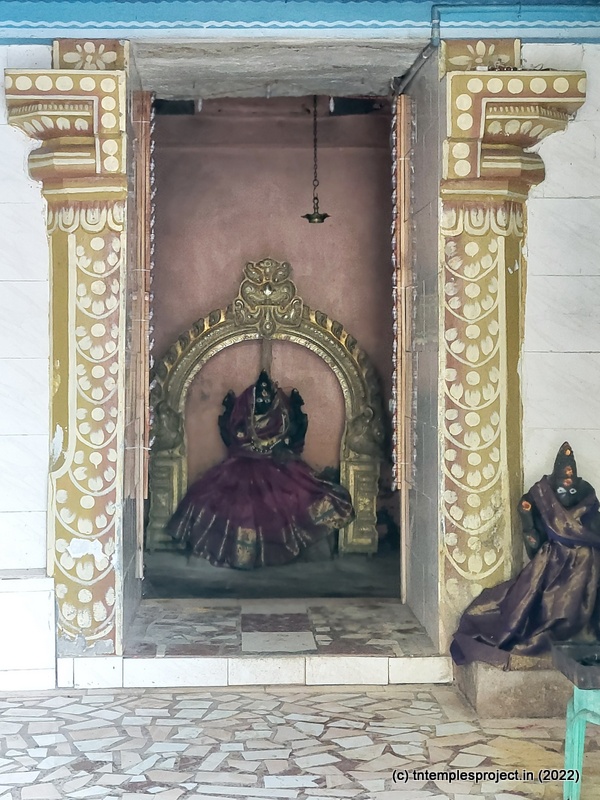
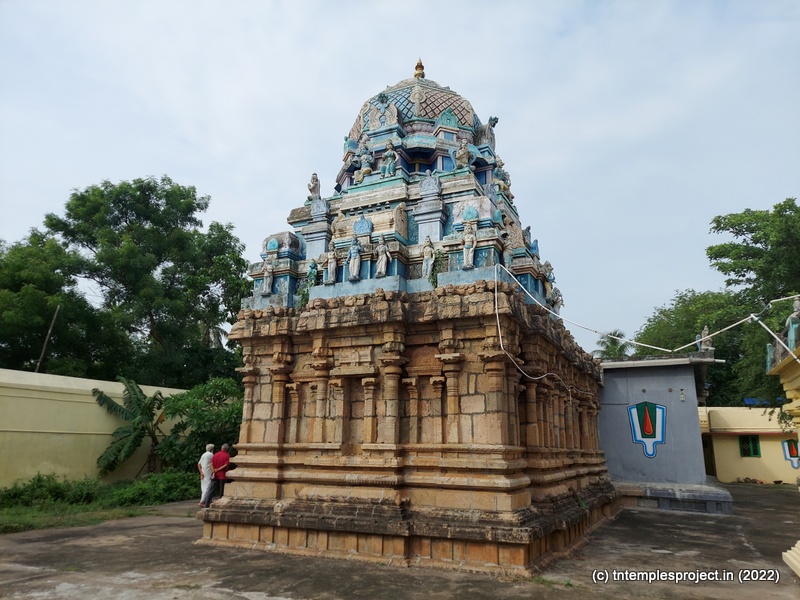
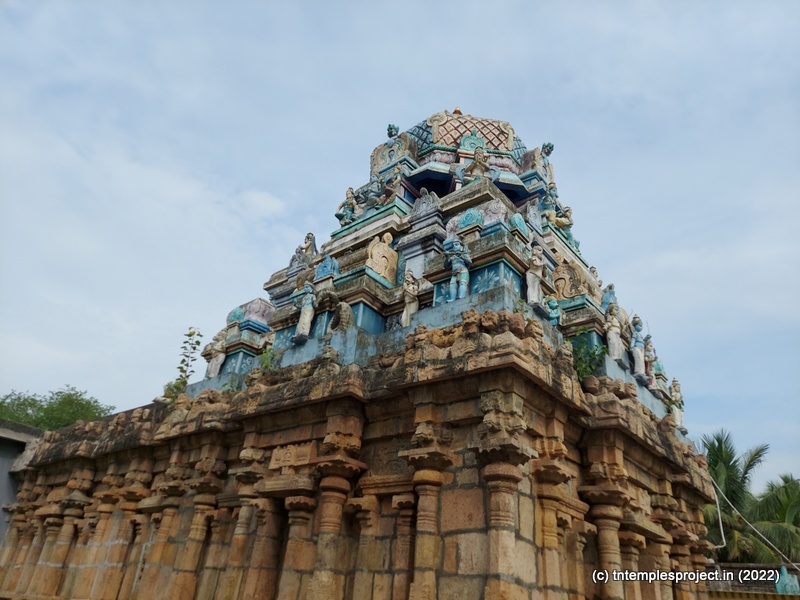
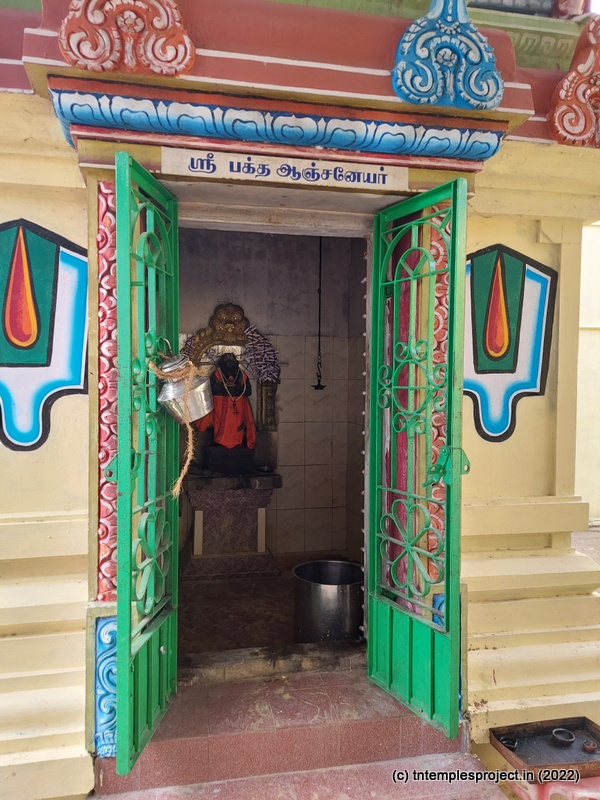
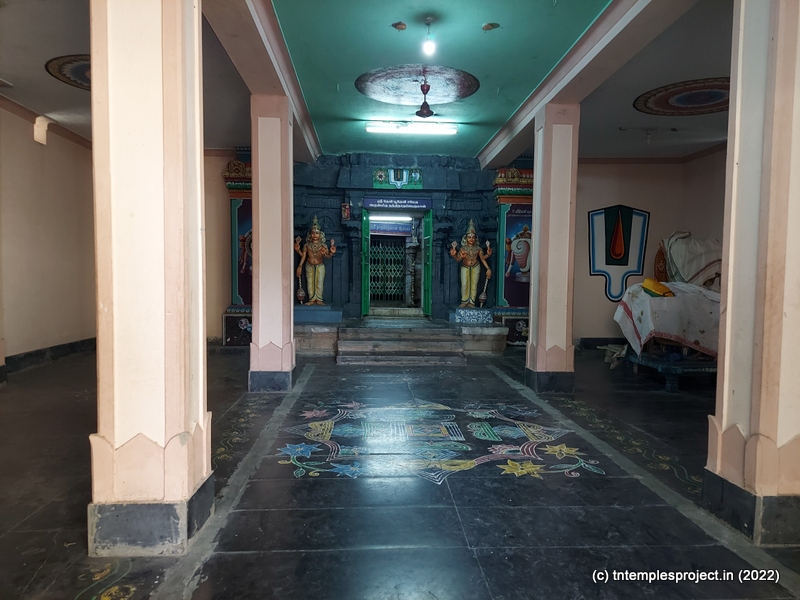
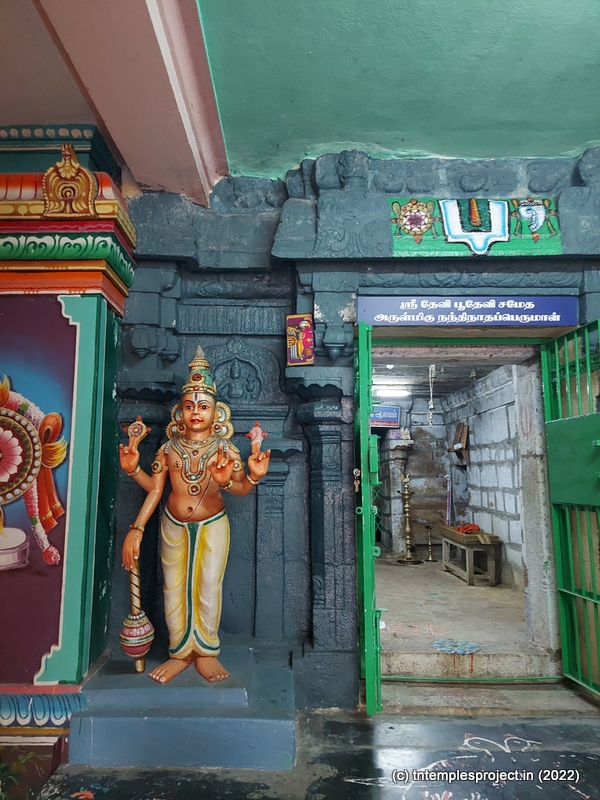
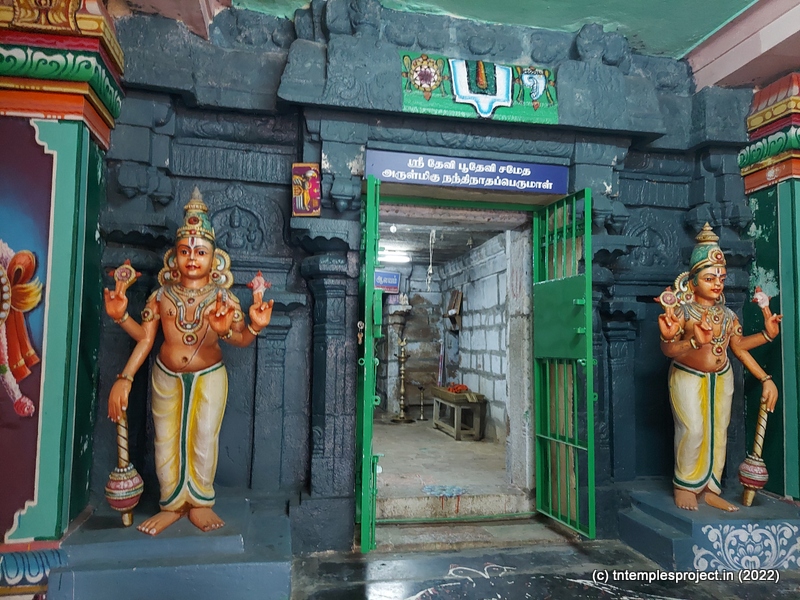
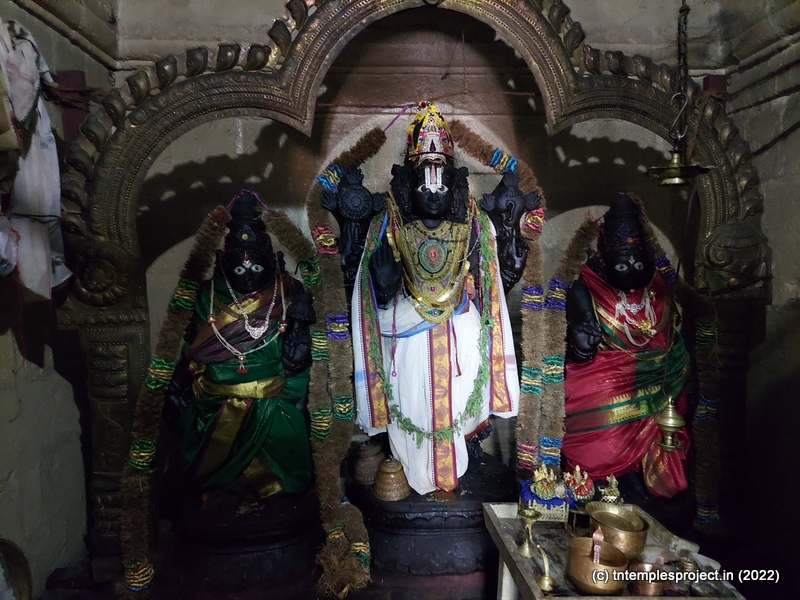
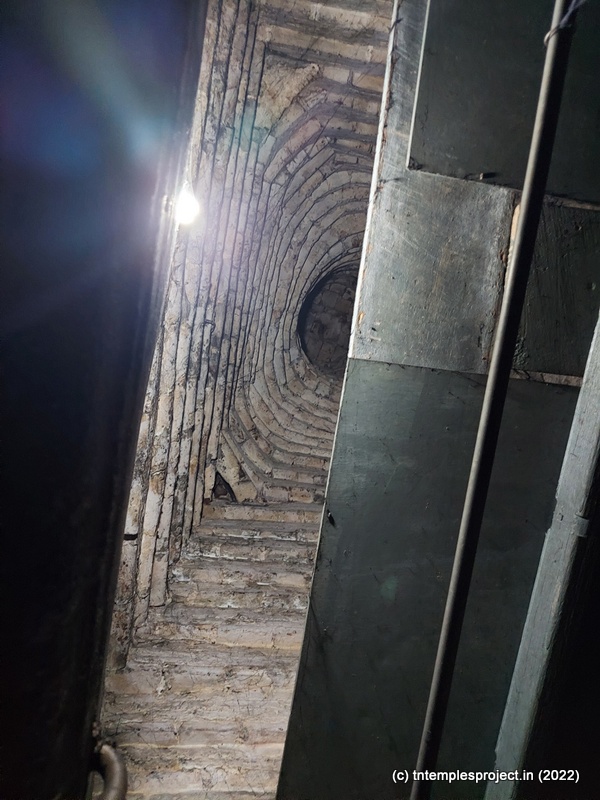
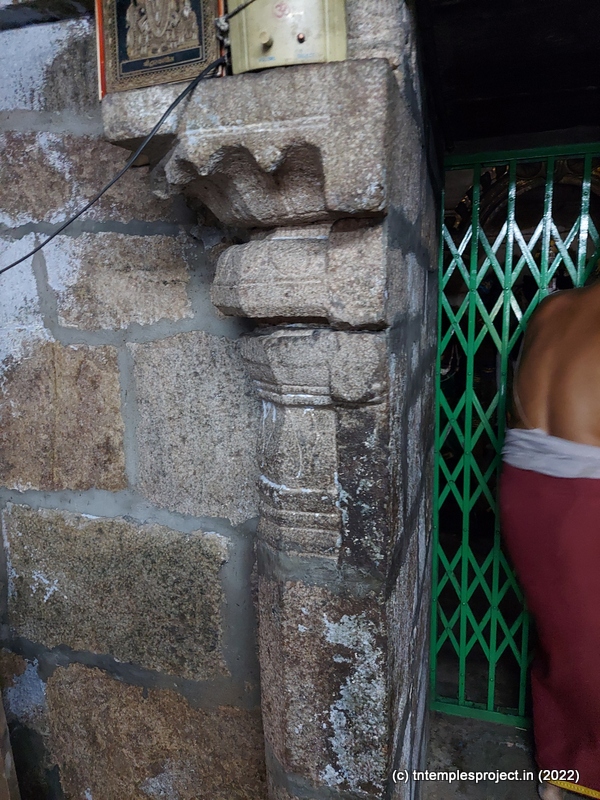
The structural temple – regarded to be over 1800 year old since its origin but clearly renovated thereafter, is largely middle-Chola in terms of architecture, perhaps from the 10th or early 11th century CE. The vimanam clearly has been renovated in recent years. As with most Perumal temples, other than the garbhagriham, there is a separate shrine for Thayar (Shenbagavalli). However, there is no Andal shrine. There is a separate shrine for Hanuman as Bhakta Anjaneyar. The maha mandapam with its dwarapalakas, leads to an ardha mandapam, and then toe the garbhagriham. Inside, Nandinatha Perumal graces devotees along with Sridevi and Bhudevi. The architecture inside the garbhagriham is phenomenal, with detailed and intricate works.
Interestingly, the area around this temple is filled with references to Kamadhenu and her daughters, as well as with the concept of jnana / knowledge. There are said to be 10 sacred places – called the pati-pasu shakti kshetrams – where Kamadhenu and her daughters worshipped – Nandivanam (this temple), Avoor, Keezh Korkai, Govindakudi, Tirukondeeswaram, Pasupati Koil, Pazhaiyarai Vadathali, Tirumetrali, Vada Metrali and Muzhaiyur. Similarly, Keezh Korkai is also the location of the Brahma Gnana Pureeswarar temple, where Brahma worshipped to regain the lost knowledge of the Vedas.
Other information for your visit
Contact
The family that lives adjacent to the temple are the ones that take care of the temple regularly. A separate bhattar comes every day for puja.
Gallery
 TN Temples Project