Basic information about the temple
| Moolavar: | Shodasha Lingam | Ambal / Thayar: | – |
| Deity: | Siva | Historical name: | |
| Vriksham: | Teertham: | ||
| Agamam: | Age (years): | Timing: | – to – & – to – | Parikaram: |
| Temple group: | – | ||
| Sung by: | Temple set: | ||
| Navagraham: | Nakshatram: | ||
| City / town: | Kumbakonam | District: | Thanjavur |
| Maps from (click): | Current location | Kumbakonam (1 km) | Mayiladuthurai (39 km) |
| Thanjavur (41 km) | Tiruvarur (41 km) |
Location
Sthala puranam and temple information
Kumbakonam is most famous for the Mahamaham festival, which celebrates the confluence of the nine holy rivers of India, and by extension, the story of Kumbakonam itself. (Read more about the Mahamaham festival, and the story of Kumbakonam, at these links.)
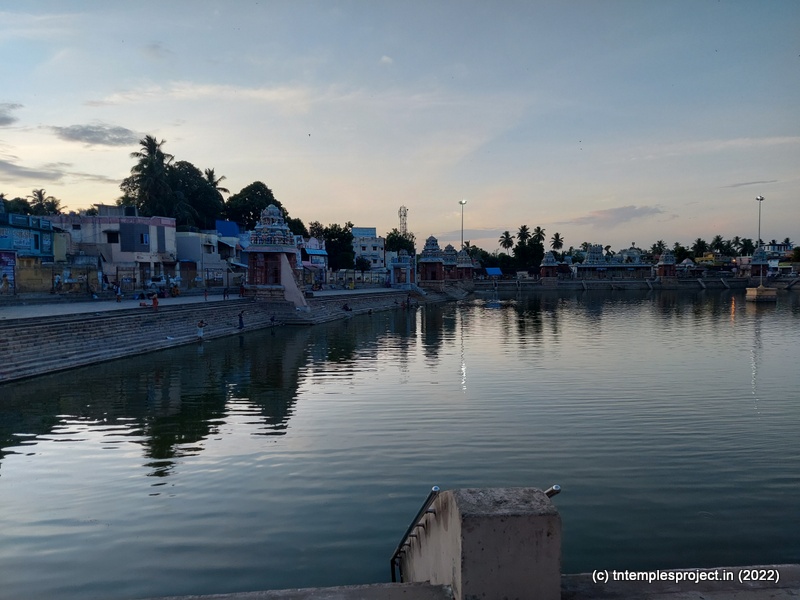
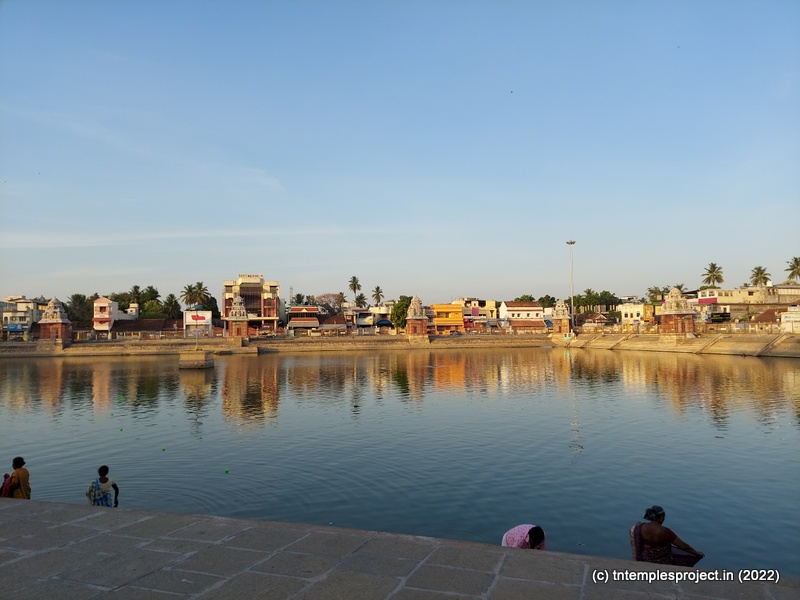
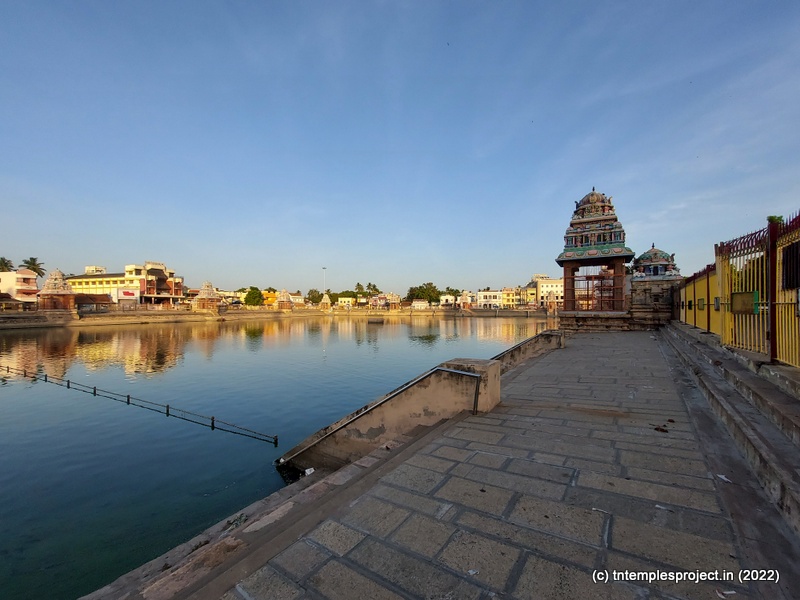
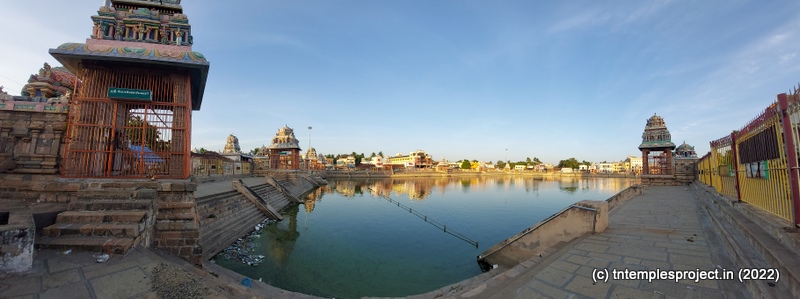
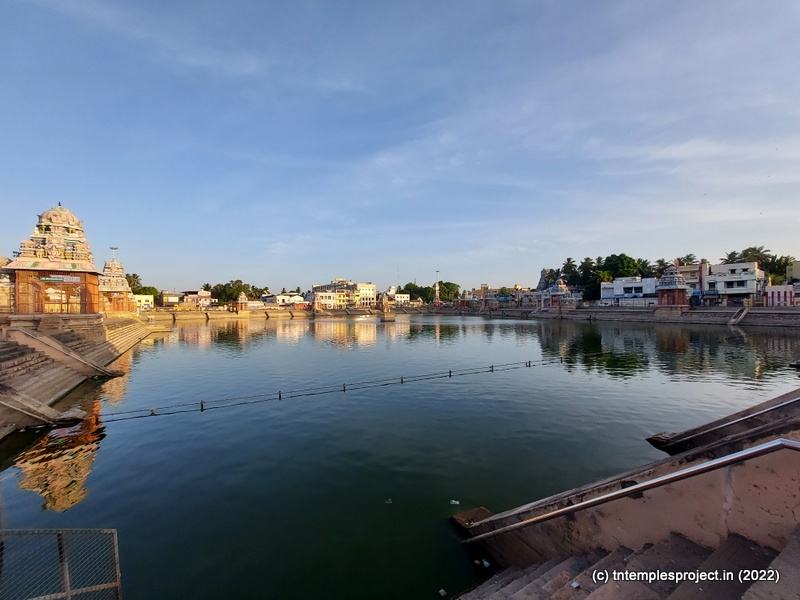
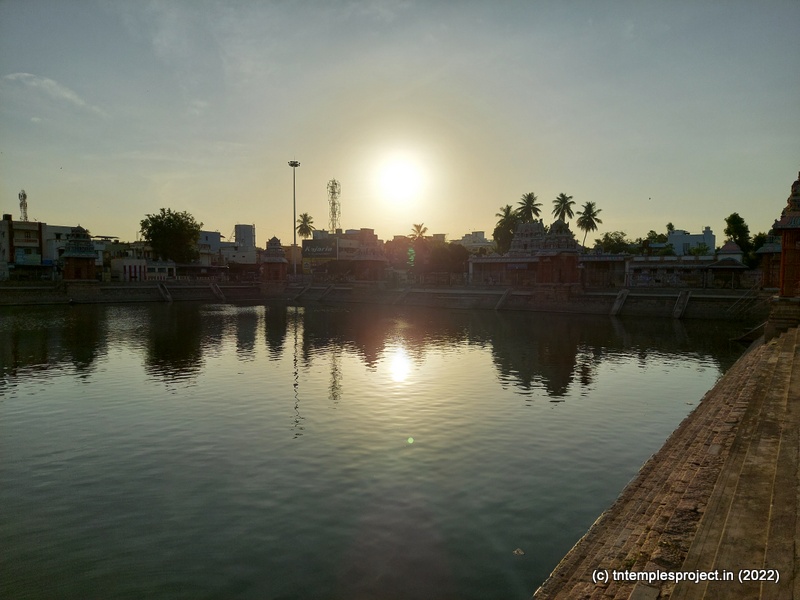
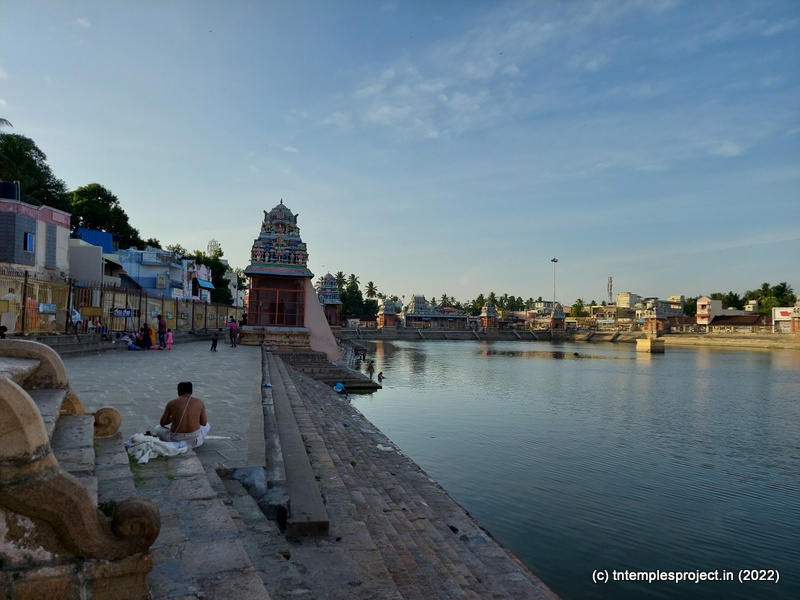
While the annual festival takes place on the day of Magham nakshatram in the Tamil month of Masi (February-March), the Mahamaham is celebrated every 12 years. Each year, central to these celebrations is the Mahamaham tank, which witnesses thousands of devotees taking a dip in the holy waters of the Mahamaham tank.
Twelve Siva temples in Kumbakonam, as well as five Perumal temples here, regard the Mahamaham tank as the temple’s Teertham, and processions from these temples to the tank are undertaken each year.
While the festival itself is rather ancient and said to have been conducted since time immemorial, archaeological and epigraphical evidence indicate that Krishna Deva Raya of the Vijayanagara Dynasty attended the festival (this is according to an inscription in the Ukta Vedeeswarar temple at Kuttalam near Kumbakonam).
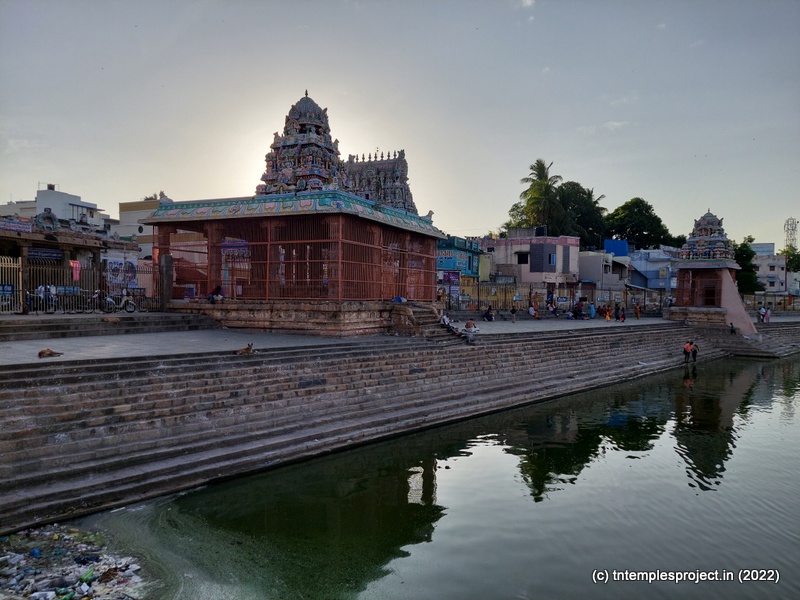
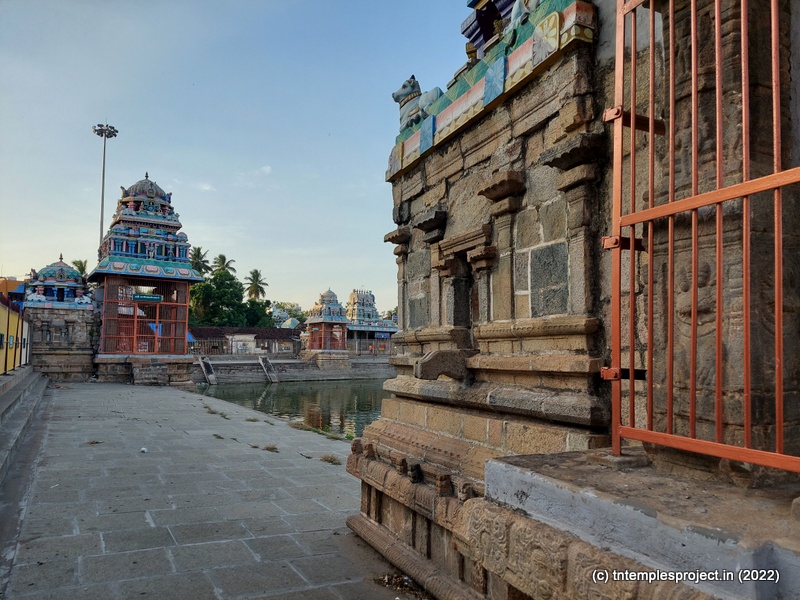
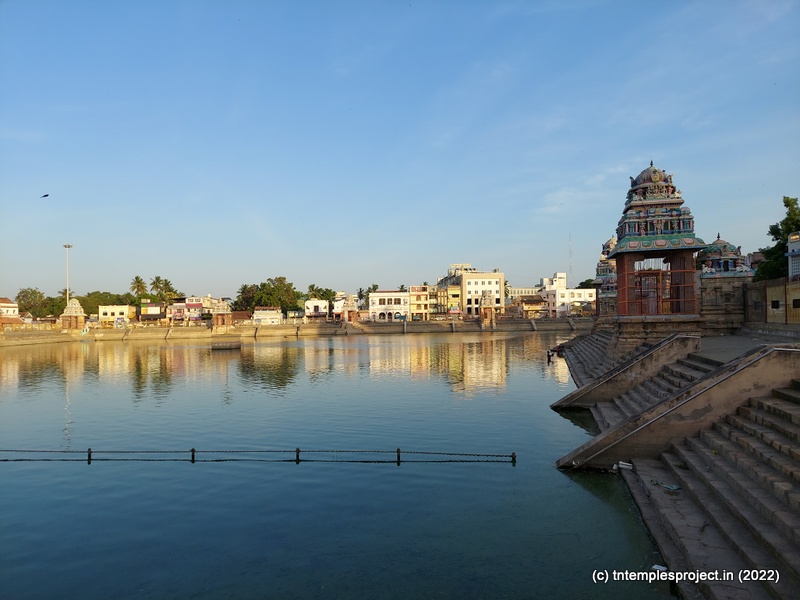
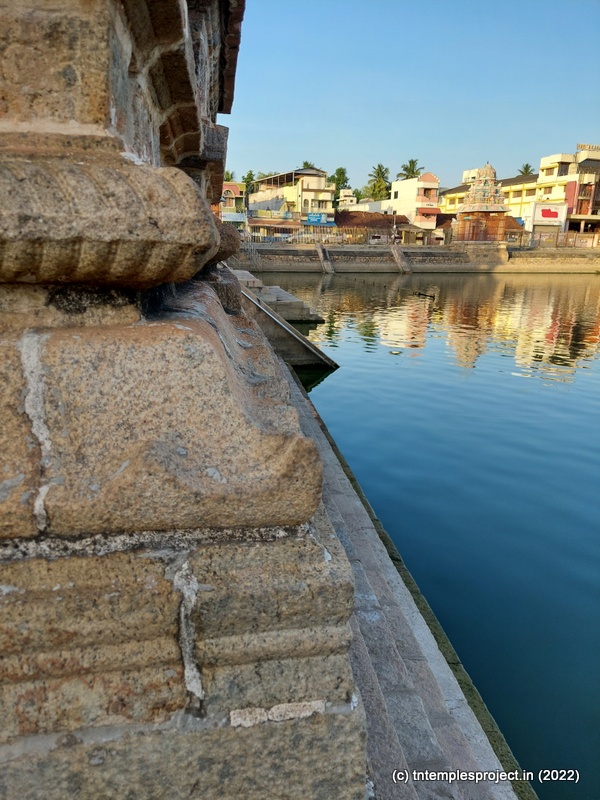
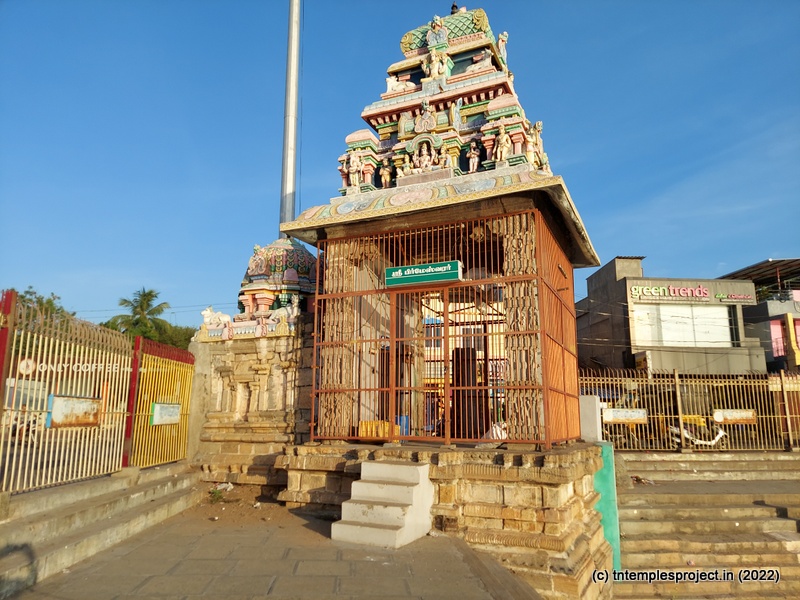
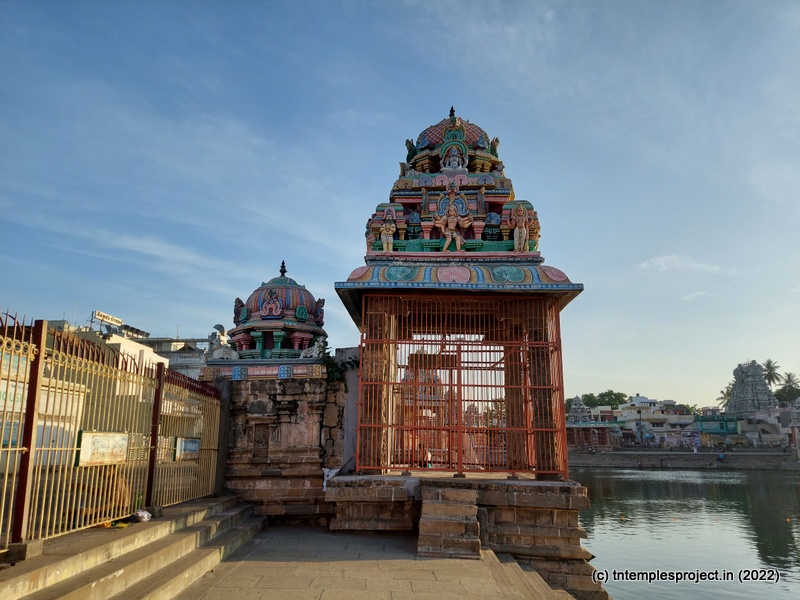
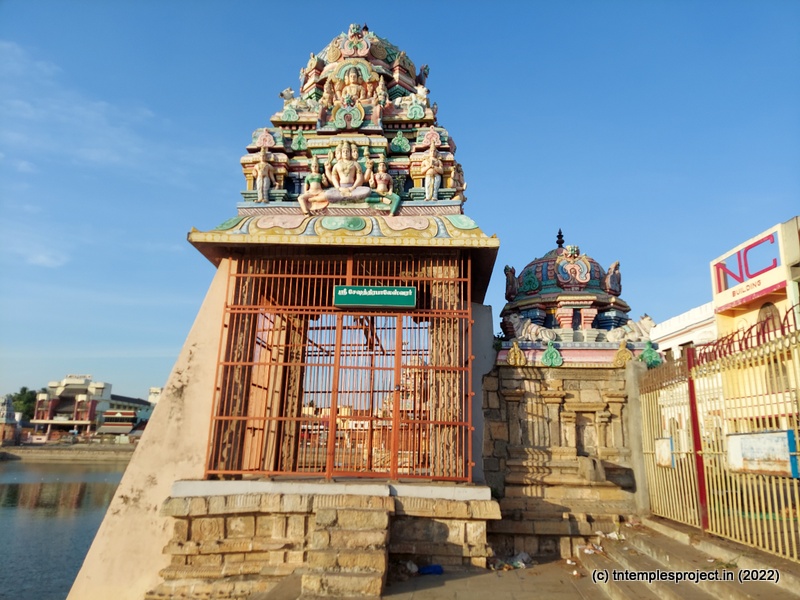
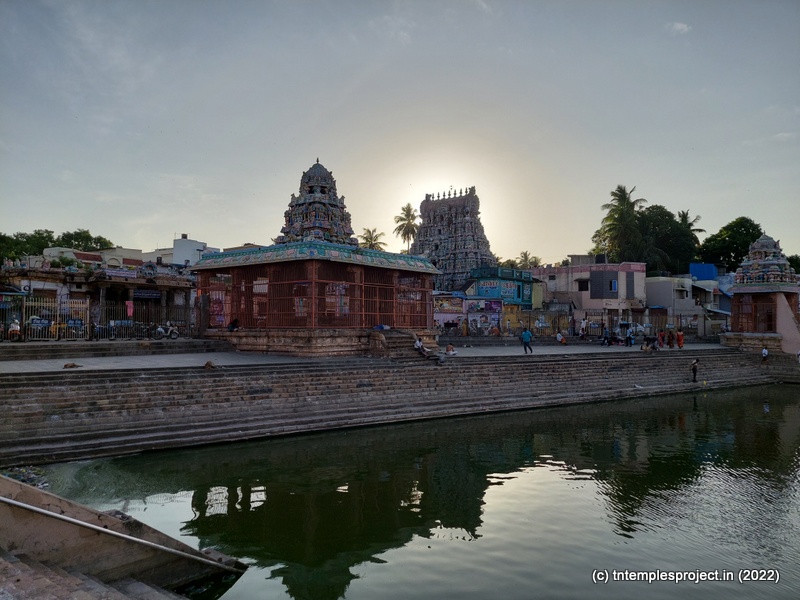
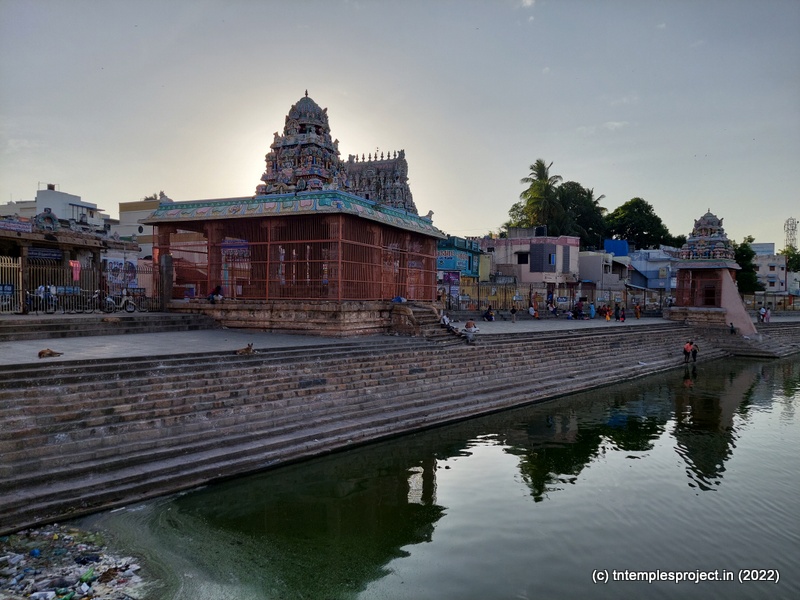
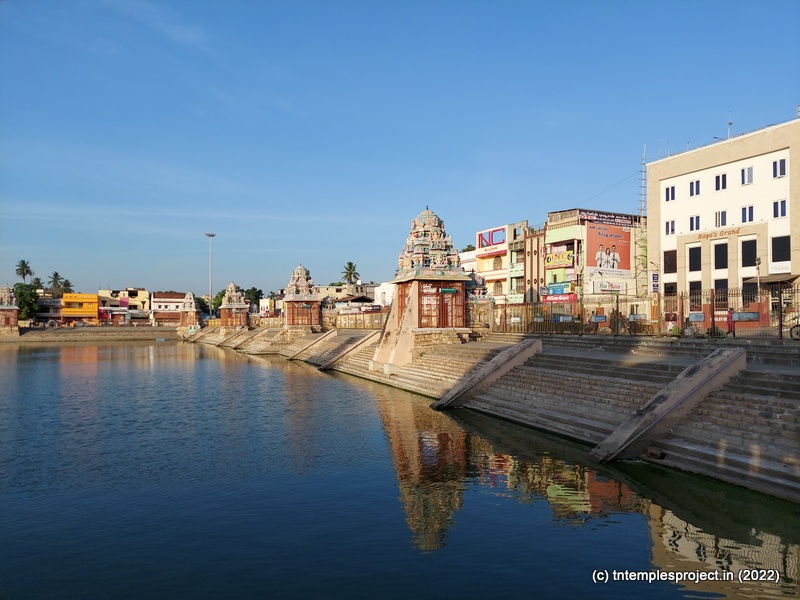
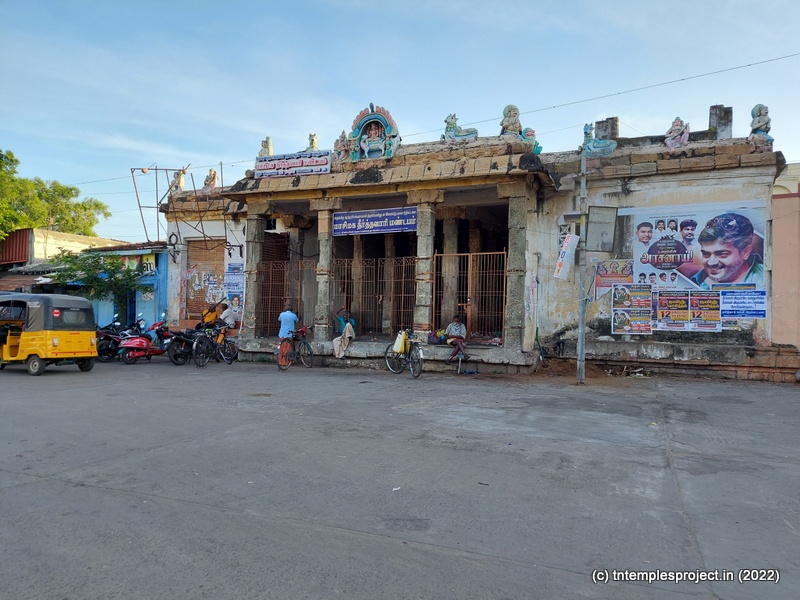
In the 16th century, a Nayak minister named Govinda Dikshitar from the court of Raghunatha Nayak of Thanjavur, is recorded as having attended the event and donated gold, which was used to build the 16 shrines around the Mahamaham tank. These 16 mandapams house a Siva Lingam each, and are collectively referred to as the Shodasha Lingam (16 Lingams in Sanskrit).
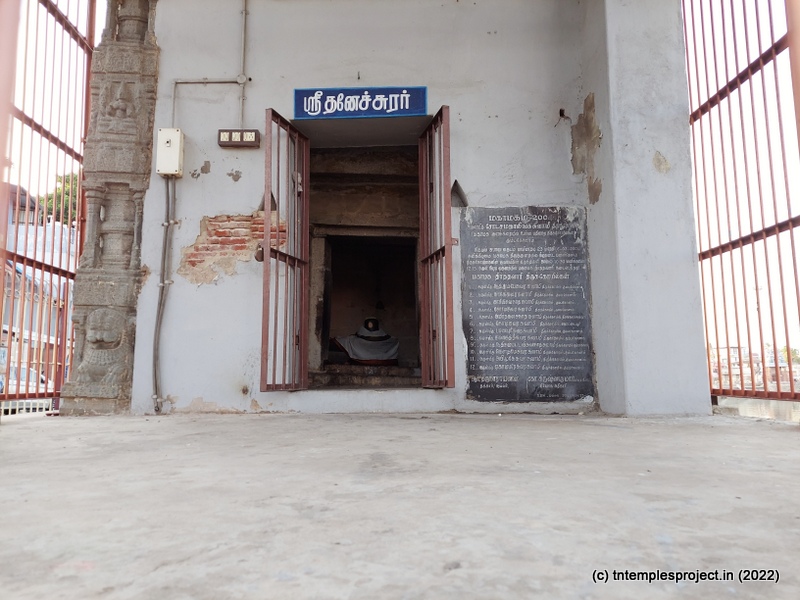
The 16 Lingams, which dot the perimeter of the tank, are regarded as various forms of Lord Siva, and are named: Brahma Teertheswarar, Mukundeswarar, Dhaneswarar, Vrishabheswarar, Baneswarar, Koneswarar, Dineswarar (or Bhaktikeswarar), Bhairaveswarar, Agastyeswarar, Vyaneswarar, Uma Maheswarar (or Uma Bhageswarar), Nairuteswarar, Brahmeswarar, Gangeswarar (or Gangadeswarar), Mukteswarar (or Mukta Teerteswarar), and Kshetrapaleswarar. Some devotees also regard these as individual temples.
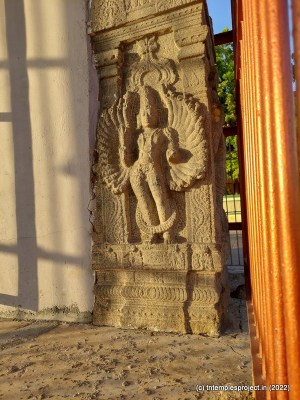
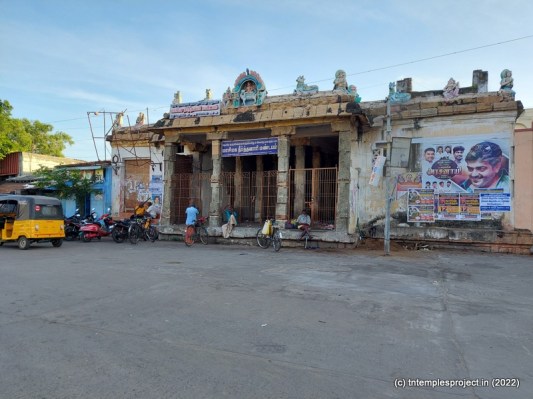
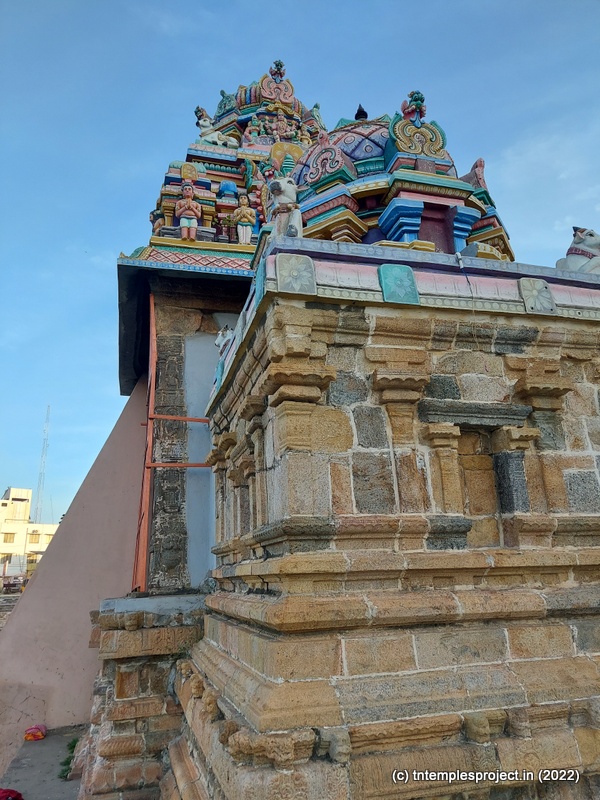
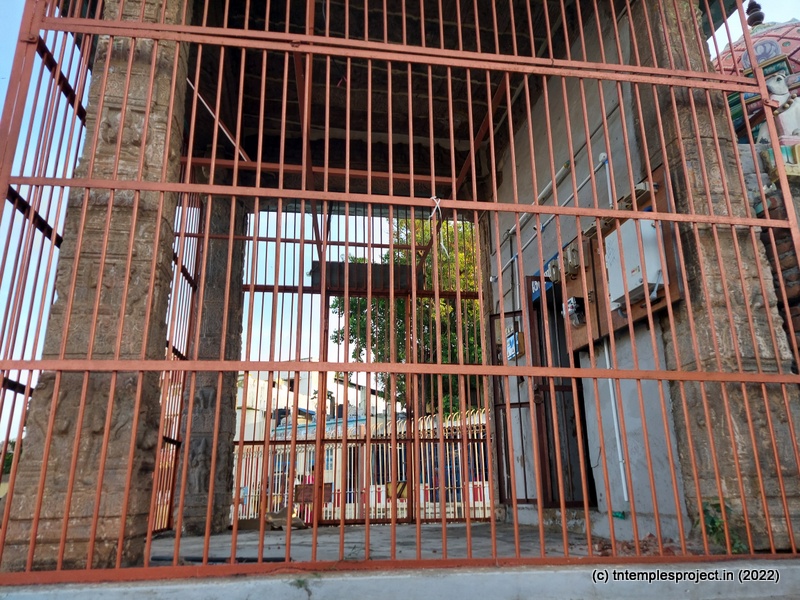
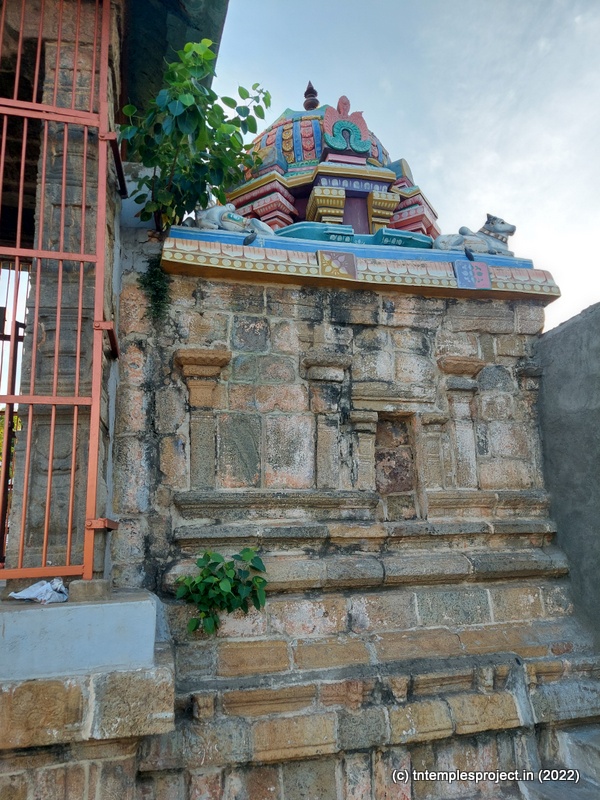
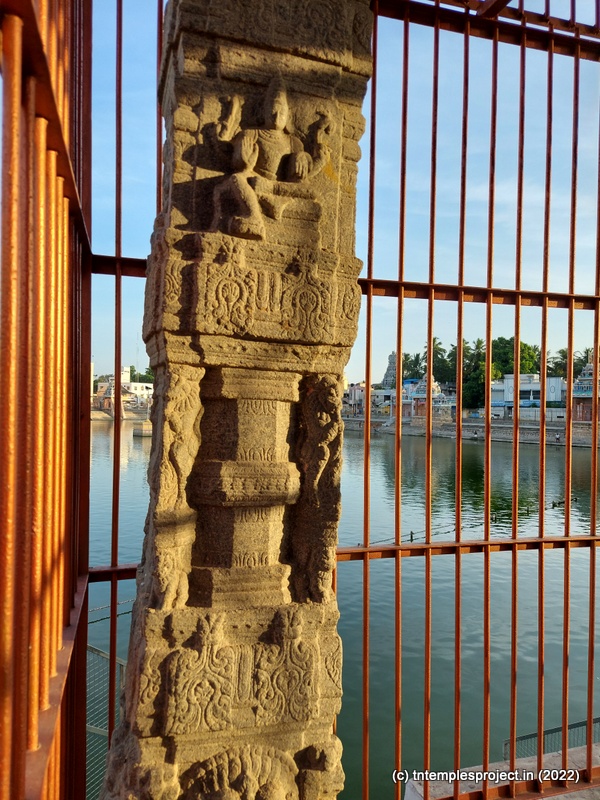
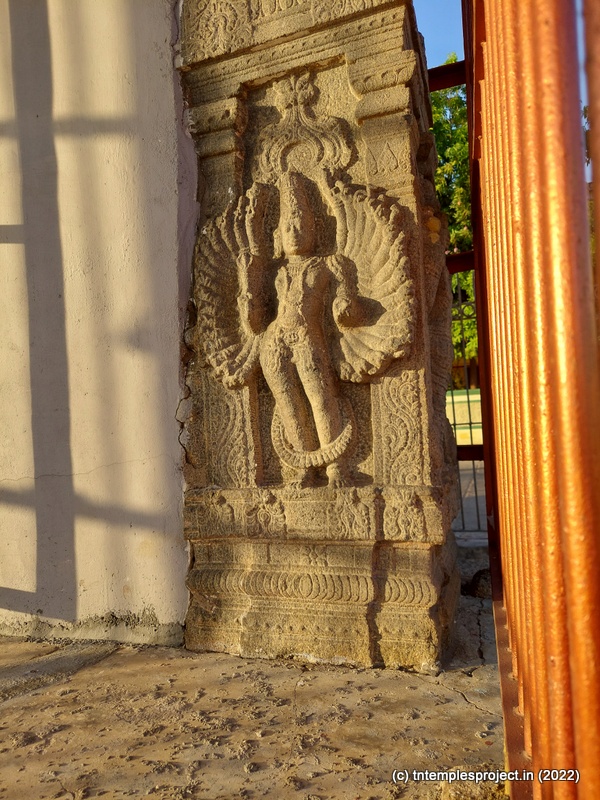
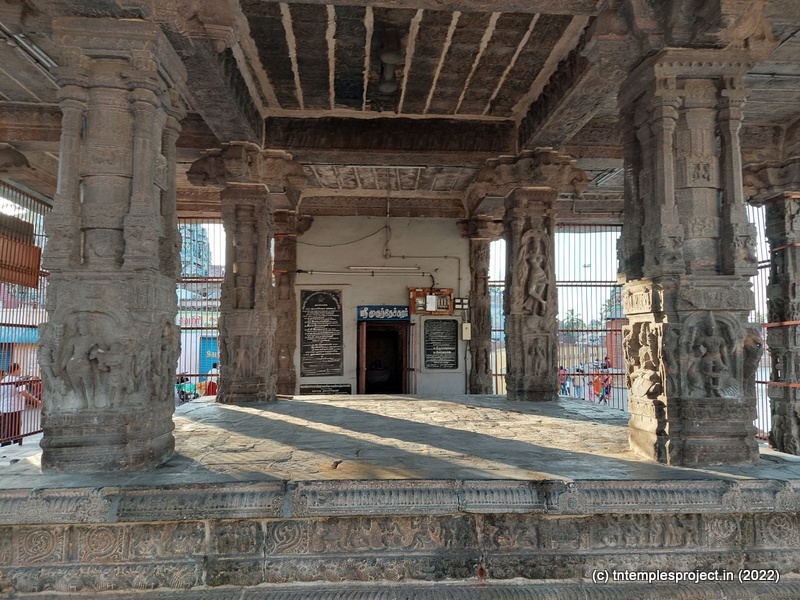
Each of these is a complete shrine, with a Lingam inside. They may also have one or more other vigrahams such as Vinayakar and Murugan, as also those of sages or others associated with the form of Siva in the shrine. The shrines also have varying degrees of detailing in terms of architecture, including on the pillars and the outer and inner walls. Some of these are more elaborate than others.
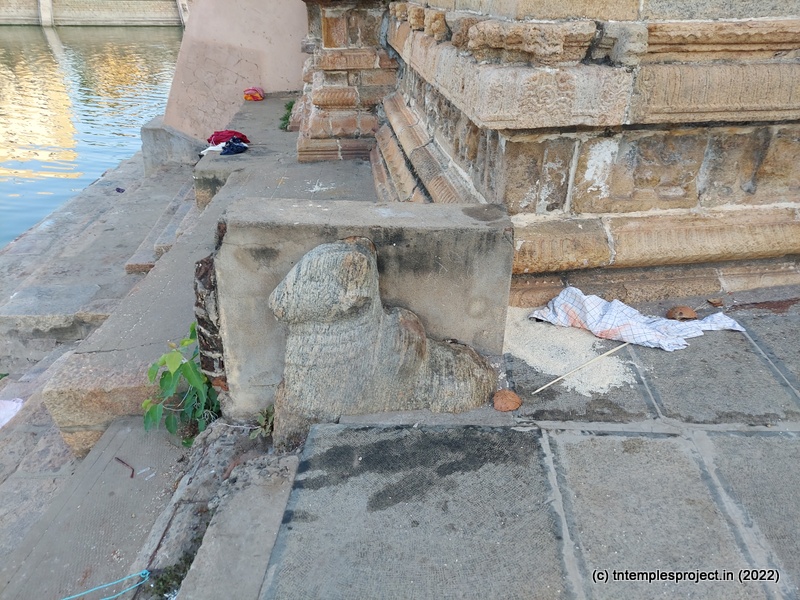
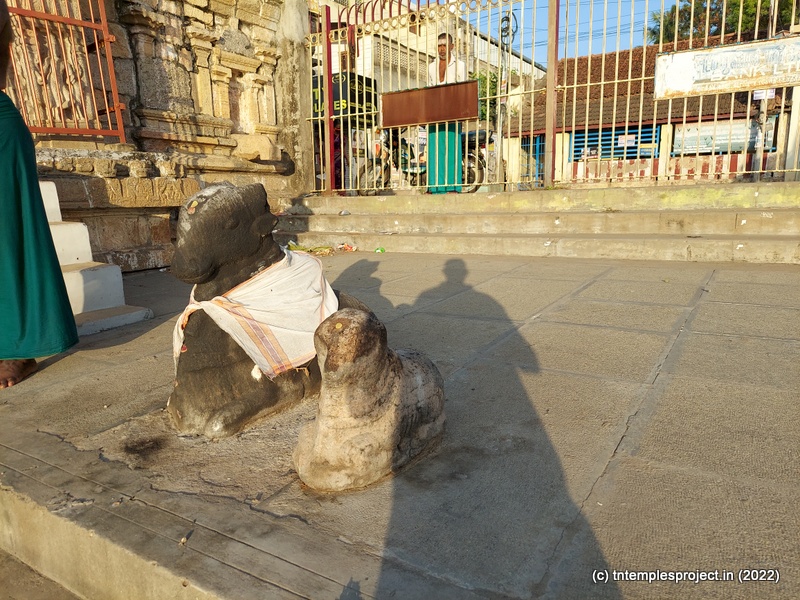
Interestingly, none of the shrines have a Nandi facing the Siva Lingam. Instead, on the western banks, there are two Nandis facing east. The interpretation here is that the entire Mahamaham tank itself is regarded as a manifestation of Lord Siva.
The largest of the 16 – the Brahma Teertheswarar (located on the north-western corner) – has more architecture and sculptures, including one depicting the king Raghunatha Nayak offering gold for the construction of the 16 shrines. The other shrines also have sculptures or inscriptions about various grants given by the king.
All these mandapams and shrines are administered by the nearby Kasi Viswanathar temple, which too is connected with the Mahamaham festival, and has a separate shrine for the nine rivers.
Other information for your visit
Contact
Gallery
 TN Temples Project