Basic information about the temple
| Moolavar: | Gangadhareswarar | Ambal / Thayar: | – |
| Deity: | Siva | Historical name: | |
| Vriksham: | Teertham: | ||
| Agamam: | Age (years): | Timing: | – to – & – to – | Parikaram: |
| Temple group: | – | ||
| Sung by: | Temple set: | ||
| Navagraham: | Nakshatram: | ||
| City / town: | Gangadharapuram | District: | Thanjavur |
| Maps from (click): | Current location | Kumbakonam (10 km) | Thanjavur (34 km) |
| Ariyalur (41 km) | Mayiladuthurai (47 km) |
Location
Sthala puranam and temple information
Very little information is available about this temple, and that may well be because this temple’s existence itself is known to only a handful, including the locals. For instance, those in the very next village did not know about this temple. However, this may also be because this is not a large, prominent temple (more on that below).
This is one of the many temples associated with the story of Lord Siva’s arrival at Tiruvaiyaru, and subsequent journey to Swamimalai, to hear the essence of the Pranava Mantram from Murugan.
As the Lord had to reach Swamimalai alone – which is typical of how a student would reach his guru’s place – He had to leave behind his aspects and the various parivara deities who accompanied him, on the way. In that manner, this is regarded as the place where the River Ganga – which flows from Siva’s matted locks – stayed back, and continued her worship of the Lord. The moolavar here is named for the fact that He is the bearer (dhara) of the Ganga.
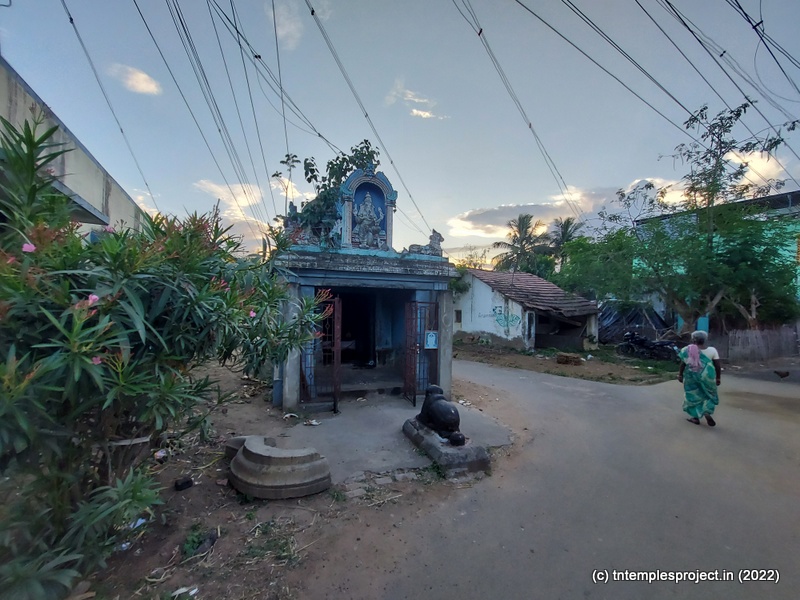
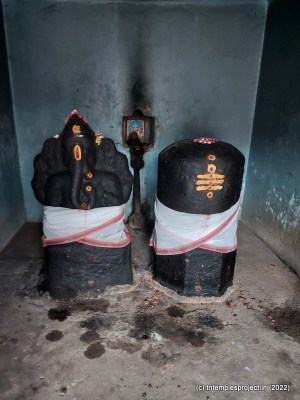
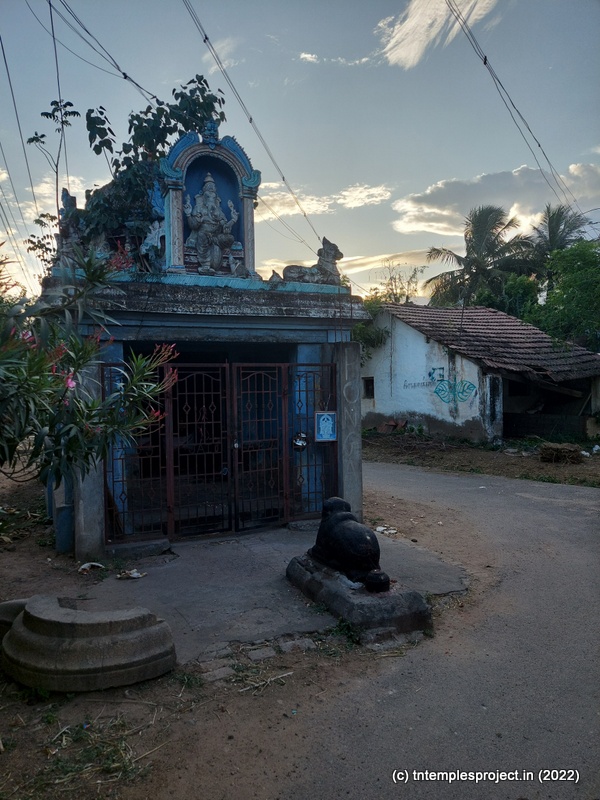
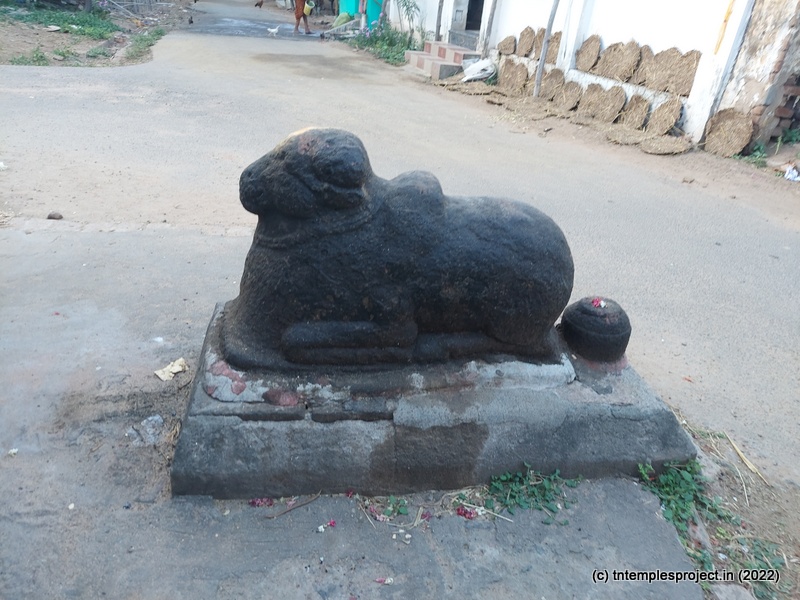
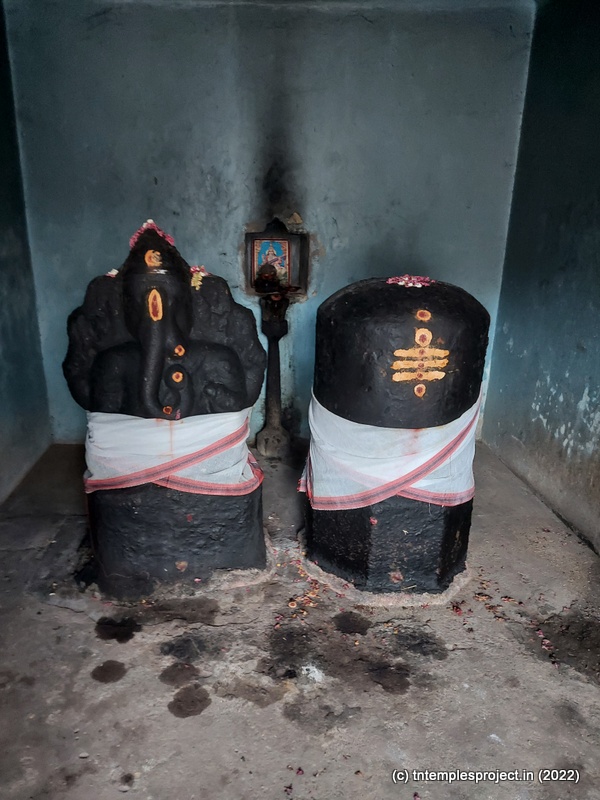
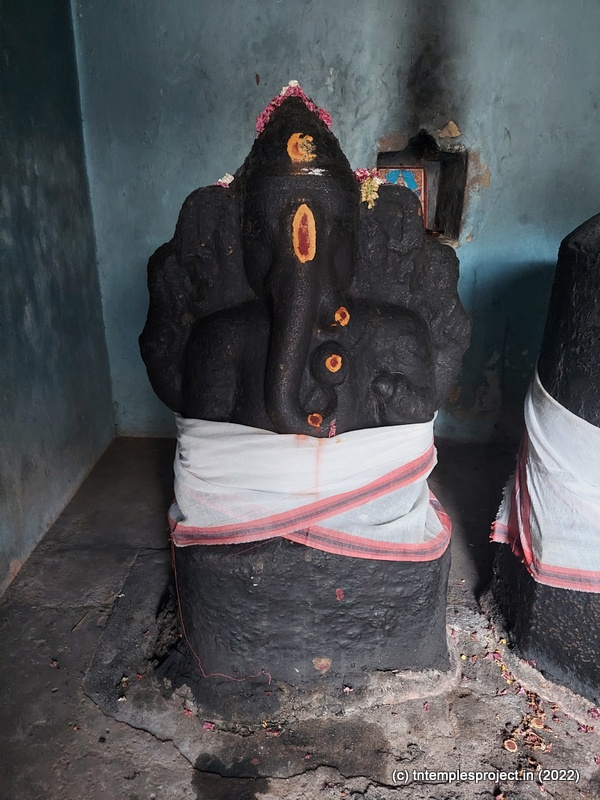
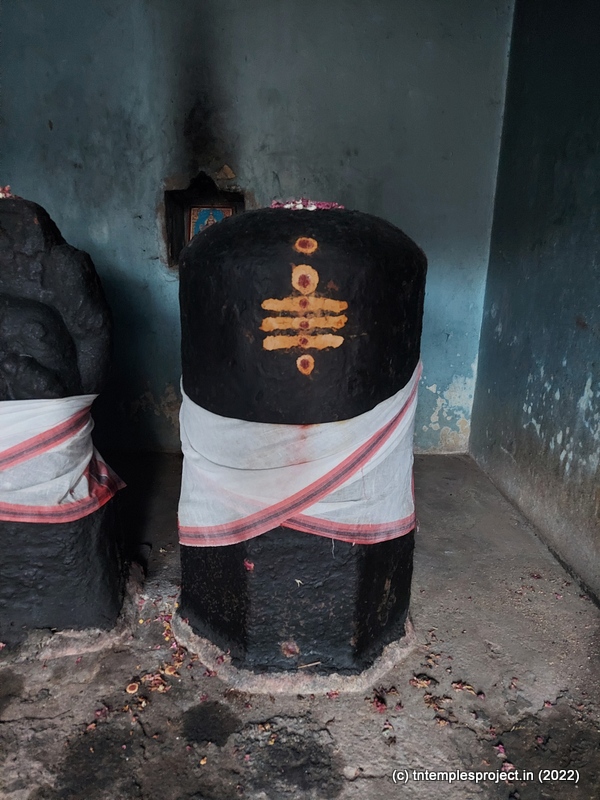
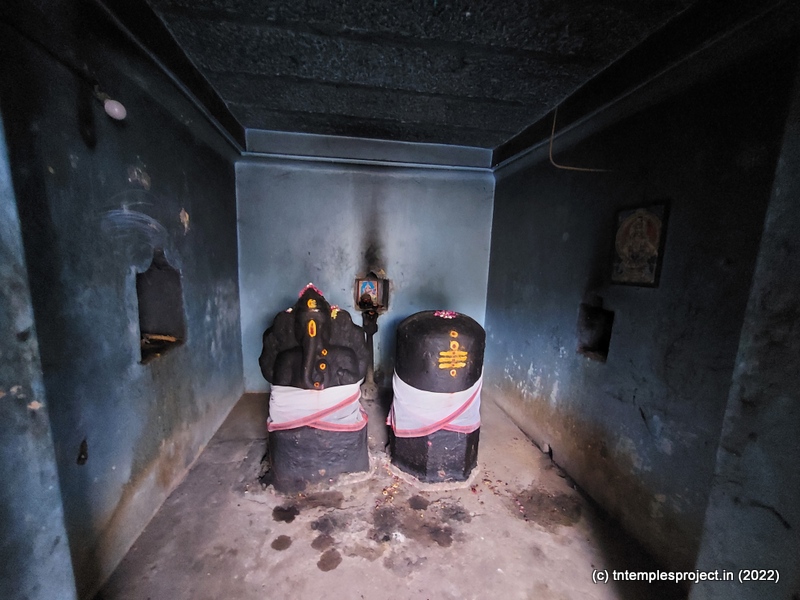
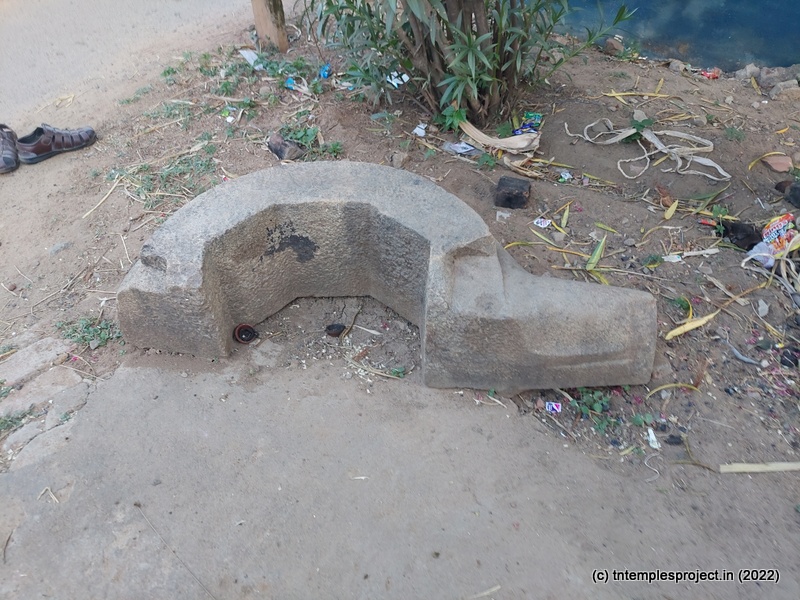
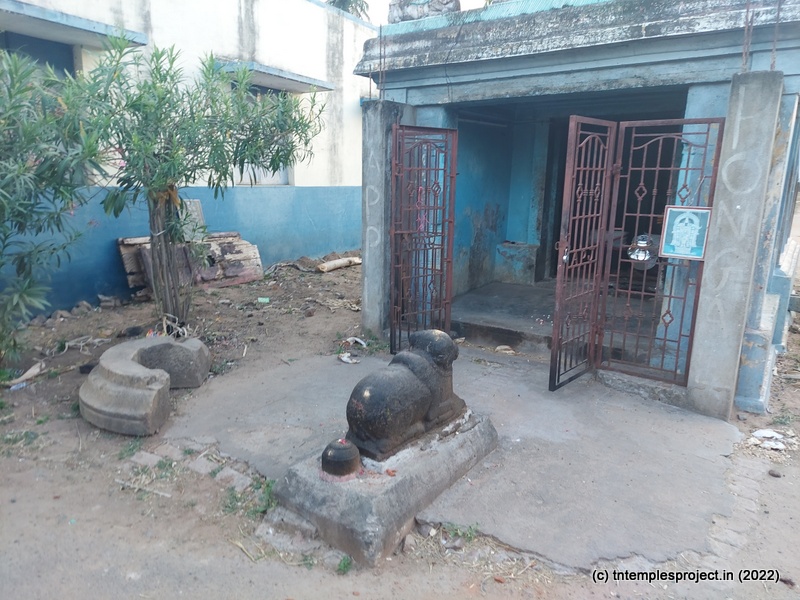
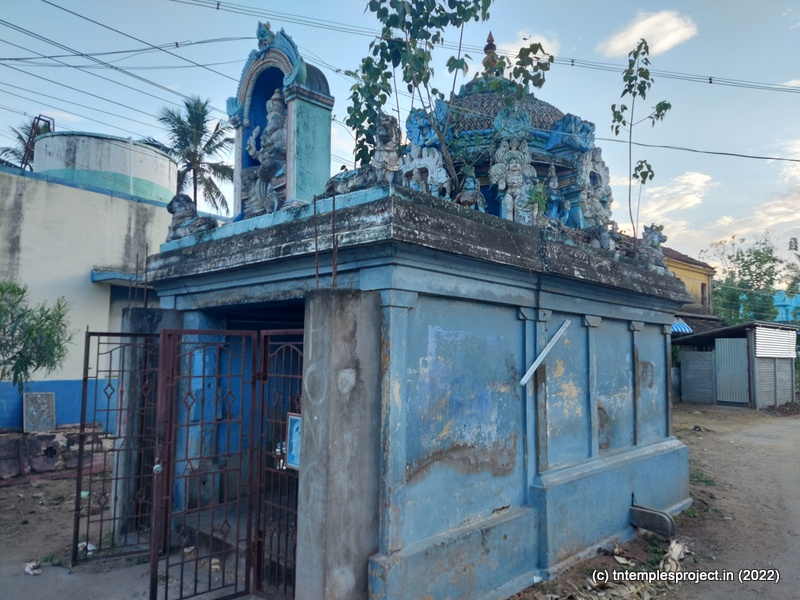
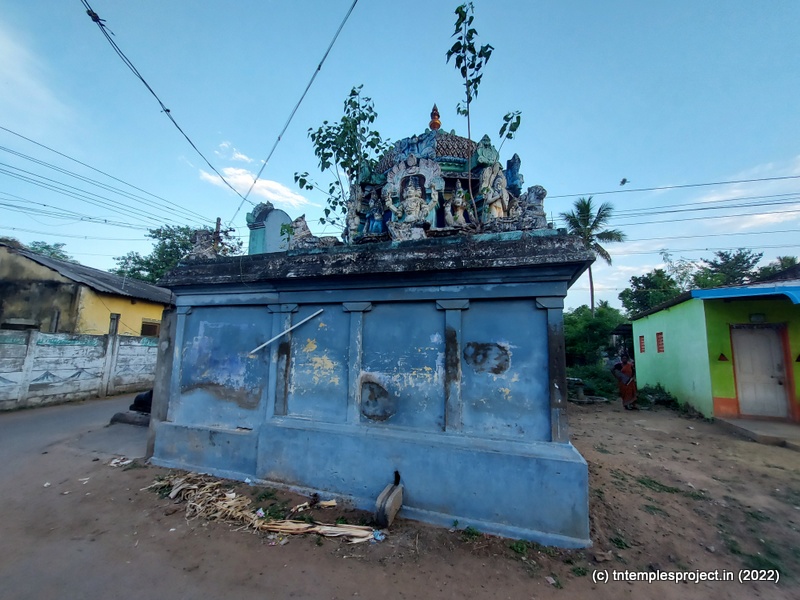
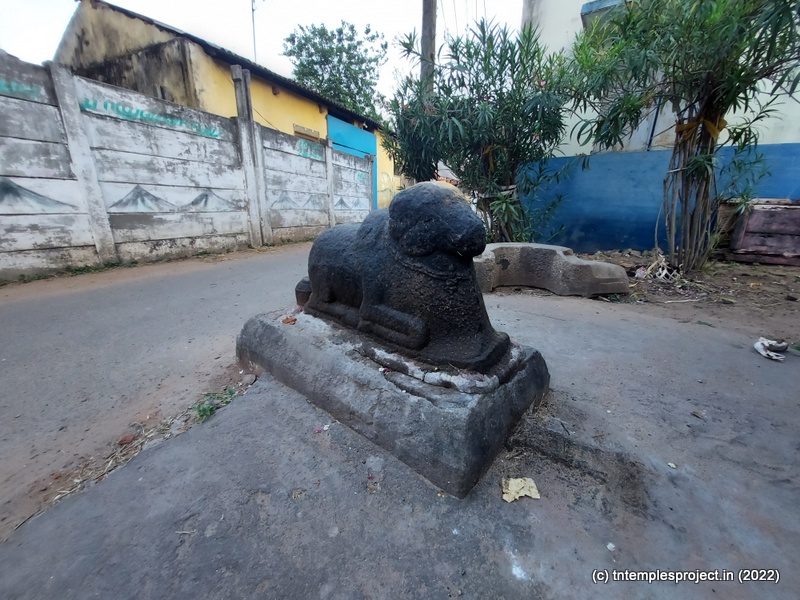
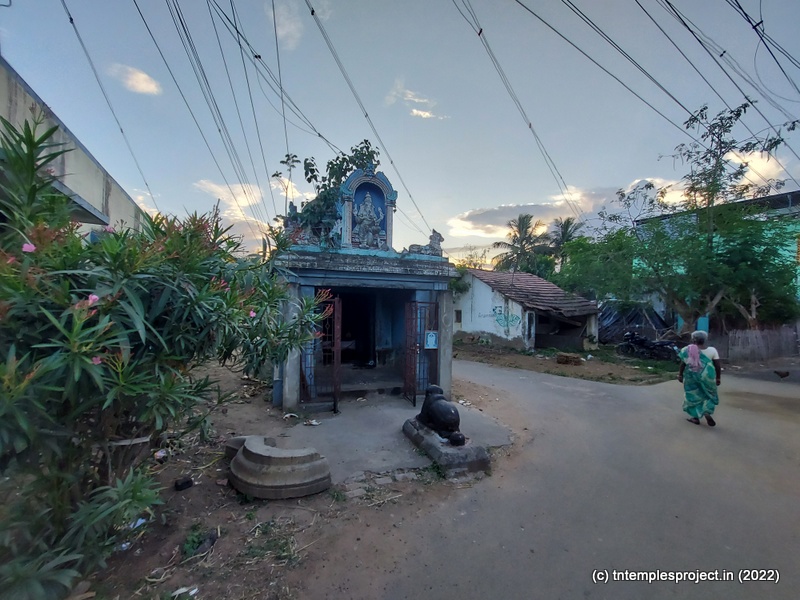
This temple is really a single shrine that houses both a Siva Lingam, as well as Vinayakar. Outside, facing the garbhagriham (if one can call it that), is a bali peetham and a Nandi. On the side is an old and damaged avudai. On the main Kumbakonam-Tiruvaiyaru road that runs to the south of this temple, and located very close to this temple, is an Aiyanar temple. Some vigrahams, including those of Dakshinamurti, Jyeshta Devi and Chandikeswarar, are kept in that Aiyanar temple.
It is not clear if this was the location of the original temple; in fact, that location may never be known. However, going by the architecture inside this single shrine temple as well as the Aiyanar temple mentioned above, there are indications that this is likely a medieval Chola period temple. It is also possible that this may have been a much larger temple in its heyday.
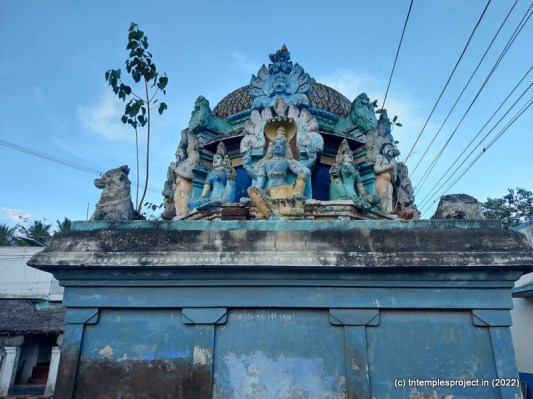
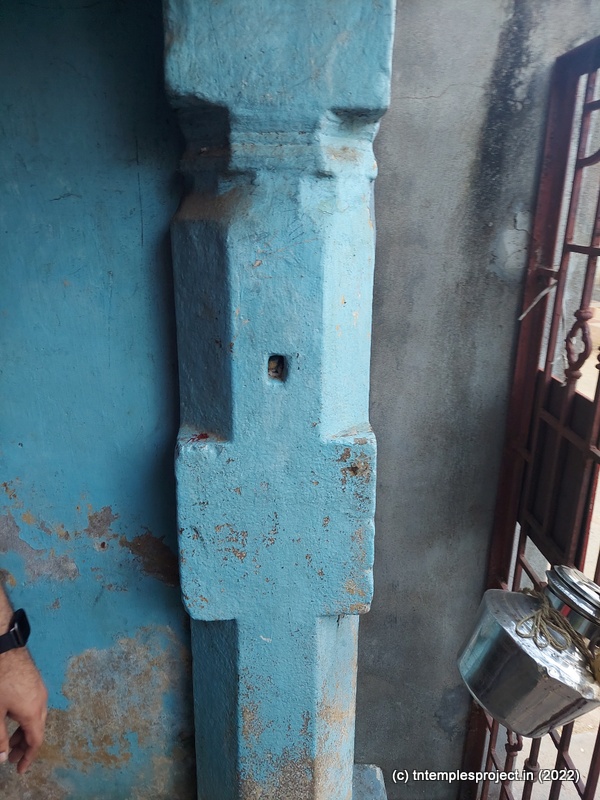
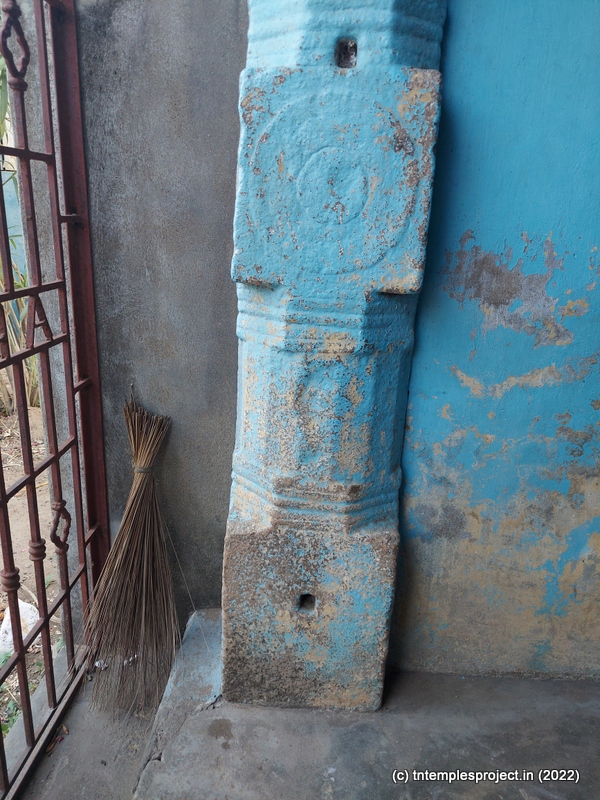
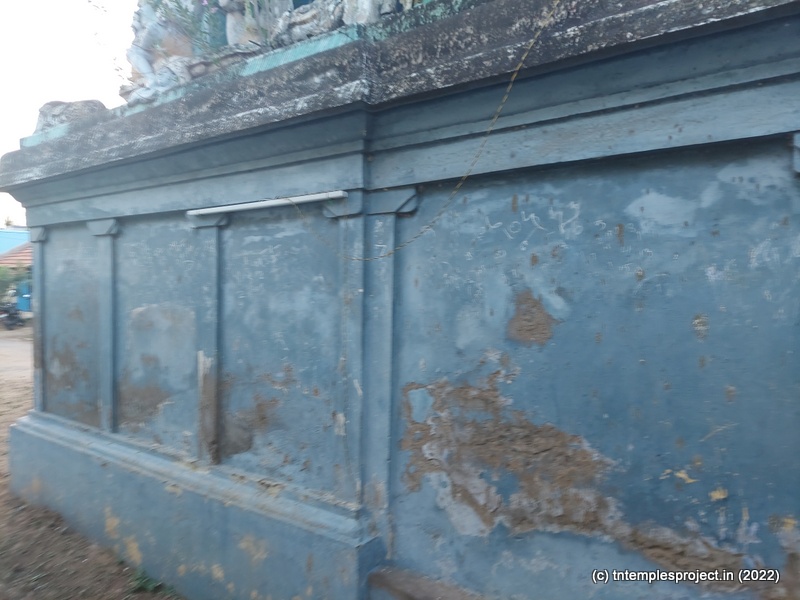
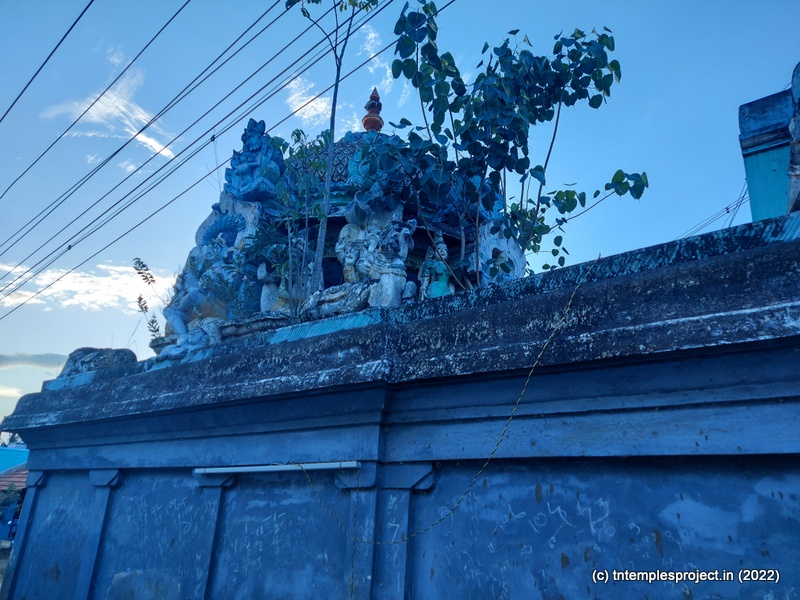
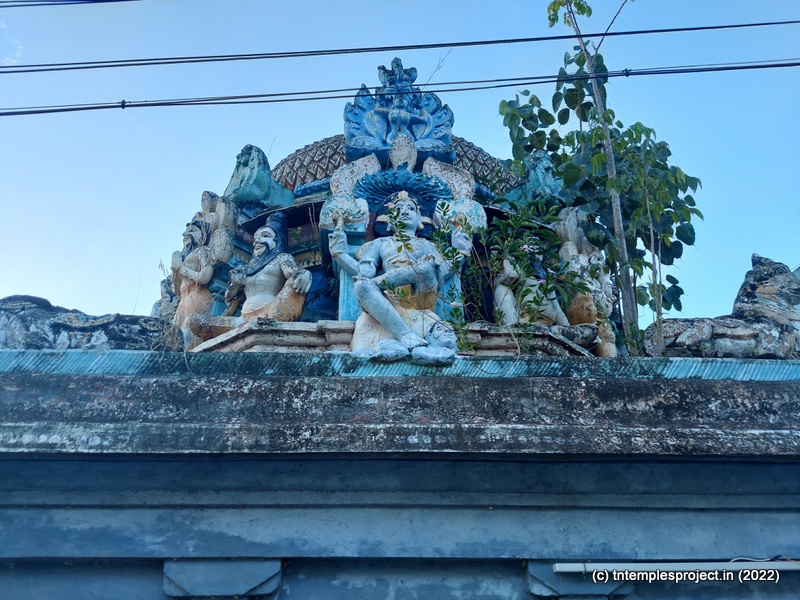
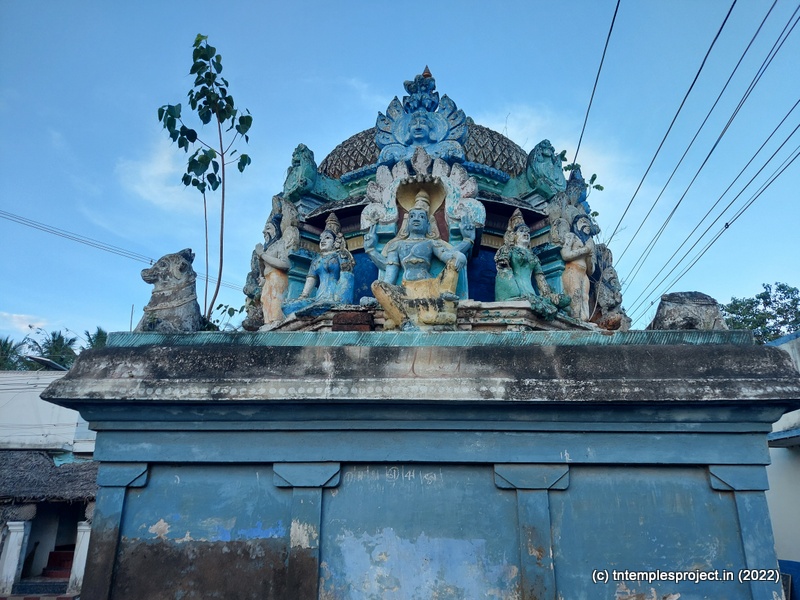
The shrine/temple has all the marks and indications of being / having been a proper Siva temple, including the deities in the nasi on the lowest level of the vimanam, the very old Nandi in front of the temple, etc. However, it is equally clear that only some parts of the temple – perhaps the vigrahams and the two pillars in front – are from an older period. The rest of the structure appears relatively recent.
The name of the deity is also of uncertain history. The place, however, appears to have had this name (Gangadharapuram) for several centuries now, and so it is likely that the place is named for the deity.
Other information for your visit
Contact
Gallery
 TN Temples Project